Electrical Fit-Outs for Retail Malls: The Two Rivers Mall Experience
Retail mall electrical fit-outs require structured LV systems, feeder pillar panels, and compliant engineering design. They ensure safe, scalable power distribution for large commercial developments like malls in Kenya, improving reliability and efficiency.

Electrical Fit-Outs for Retail Malls Explained
Electrical fit-outs for large retail malls involve designing, installing, and commissioning integrated power distribution systems capable of handling high, variable loads. Feeder pillar panels distribute stable power across multiple retail units, ensuring safety, reliability, and scalability in commercial environments.
Introduction: Powering Modern Retail Infrastructure in Kenya
Retail developments in Kenya have evolved into complex, high-density electrical ecosystems combining retail, hospitality, entertainment, and office spaces under one infrastructure network. A clear example is Two Rivers Mall, which represents the scale and engineering precision required in modern commercial power systems.
Related Products

Feeder Pillar Panels
Feeder pillar panels providing reliable power distribution solutions for outdoor and indoor industrial and commercial applications.
View Product
ATS / MTS Kenya
ATS/MTS solutions from Paneltech Systems provide reliable Automatic and Manual Transfer Switches for seamless power transfer in industrial and commercial electrical systems.
View Product
Distribution Boards
Distribution boards divide the main electrical power supply into smaller circuits while providing circuit protection for residential, commercial and industrial applications.
View Product
Meter Boards
Meter boards house electricity meters, circuit breakers, fuses and other protective devices for proper monitoring and regulation of electrical supply.
View ProductUnlike standard buildings, retail malls require continuous uptime, controlled redundancy, and scalable distribution architecture to support hundreds of tenants and shared services.
To achieve this, structured low-voltage infrastructure is essential. Paneltech Systems provides engineered solutions through its commercial distribution systems designed for high-load environments, accessible via the main LV systems platform at Paneltech LV Systems.
Complexity of Electrical Systems in Retail Malls
Retail mall electrical systems are complex due to their mixed load types, unpredictable demand patterns, and tenant-specific requirements. This requires carefully segmented distribution architecture to maintain stability and operational continuity.
Key Complexity Factors
Retail malls introduce multiple simultaneous electrical demands:
- HVAC systems operating continuously across large floor areas
- Escalators, elevators, and moving walkways
- Retail lighting systems with varying schedules
- Food courts with heavy kitchen equipment loads
- Security, fire safety, and surveillance systems
Each of these systems has different load behavior, making single-point distribution inefficient and unsafe.
Demand Variability
Load demand is not constant:
- Peak loads during weekends and holidays
- Seasonal variations driven by retail cycles
- Event-driven spikes in foot traffic
This variability requires adaptive distribution systems capable of handling fluctuating loads without instability.
For structured electrical planning and system design principles, refer to the engineering knowledge resource at Paneltech Knowledge Site.
Role of Feeder Pillar Panels in Mall Distribution
Feeder pillar panels function as secondary distribution nodes that divide electrical power from the main LV switchboard into multiple controlled zones. They improve system organization, fault isolation, and scalability in large commercial environments.
Functional Role
Feeder pillars perform several critical functions:
- Distribute power from the main switchboard to sub-zones
- Provide protection through MCCBs and fuse systems
- Enable isolation of faulty sections without shutting down the entire mall
- Support modular expansion for future tenant additions
Importance in Retail Infrastructure
Without feeder pillar systems:
- Cable networks become unmanageable
- Faults propagate across multiple zones
- Maintenance requires full system shutdowns
With feeder pillar systems:
- Each zone operates independently
- Faults are localized
- Expansion is simplified and cost-effective
These systems are part of Paneltech’s broader industrial electrical solutions portfolio available at Low Voltage Panels.
Electrical Architecture in Large Retail Developments
Retail malls follow a hierarchical electrical distribution structure from utility intake to tenant-level supply. This ensures controlled power flow, redundancy, and operational reliability.
Power Distribution Flow
The standard architecture includes:
- Utility supply from the grid
- Main LV switchboard
- Feeder pillar distribution panels
- Sub-distribution boards
- Tenant-level metering and control panels
Integration with Backup Systems
Modern malls integrate multiple power sources:
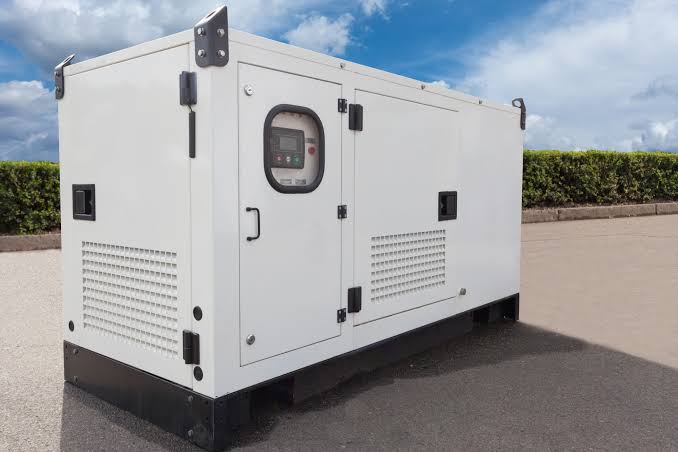
- Diesel generator systems for backup supply
- Automatic Transfer Switch (ATS) systems for seamless switching
- Optional solar hybrid systems for auxiliary loads
For ATS-based switching systems and automation integration, explore ATS Panels.
System Specifications for Commercial Electrical Panels
Electrical panels used in retail malls are engineered for high current capacity, fault tolerance, and compliance with international standards. They are designed for continuous operation under heavy and variable loads.
Technical Specifications Table
| Parameter | Specification |
|---|---|
| Rated Voltage | 415V AC |
| Frequency | 50 Hz |
| Busbar Rating | 1600A to 4000A |
| Short Circuit Rating | Up to 100kA |
| Enclosure Type | Floor-mounted modular cubicles |
| IP Rating | IP54 / IP65 depending on environment |
| Standards Compliance | IEC 61439, BS EN |
| Cooling System | Natural or forced ventilation |
These specifications ensure safe operation under continuous load conditions typical in retail environments.
Environmental Engineering Considerations in Kenya
Electrical infrastructure in Kenyan retail malls must be designed for diverse environmental conditions including humidity, dust, and temperature variation. Proper enclosure selection is critical for system durability and safety.
Regional Challenges
Different regions introduce different engineering constraints:
- Nairobi: moderate humidity with variable load demand
- Mombasa: high humidity and corrosion risk
- Rift Valley: dust-heavy environments affecting insulation systems
Enclosure Design Strategy
- IP54 enclosures for indoor mall installations
- IP65 enclosures for outdoor or exposed installations
- Corrosion-resistant materials for coastal environments
For custom industrial enclosures and panel fabrication systems, visit Industrial Electrical Panels.
Load Management and Energy Optimization
Efficient load management is essential in retail malls to reduce operational costs and prevent transformer overload. It ensures balanced distribution across tenants and improves energy efficiency.
Core Strategies
- Segmented load distribution by zones
- Smart metering for tenant-level monitoring
- Power factor correction integration
- Demand-based load shedding during peak periods
For reactive power compensation and efficiency improvement, APFC integration is commonly deployed using systems such as APFC Panels.
Safety and Compliance Requirements
All retail mall electrical installations must comply with EPRA regulations and IEC/BS EN standards to ensure operational safety and reliability. Compliance is mandatory for approval, inspection, and long-term system stability.
Key Standards
- IEC 61439 for low-voltage switchgear assemblies
- BS EN standards for electrical safety design
- EPRA regulatory compliance for commercial installations
These standards ensure:
- Electrical fault containment
- Fire safety protection
- Equipment longevity
- Audit readiness for regulatory inspections
Engineering Challenges in Mall Electrical Fit-Outs
Retail mall electrical projects face challenges including space constraints, coordination complexity, and evolving tenant requirements. These must be addressed during design rather than during installation.
Common Challenges
- Inaccurate load estimation during design phase
- Cable routing congestion in riser spaces
- Coordination between multiple MEP contractors
- Late-stage tenant design modifications
Proper engineering planning and simulation significantly reduce rework and operational risks.
For consultation and system design support, use the official contact channel at Paneltech Contact Page.
Future Trends in Retail Electrical Infrastructure
Future retail malls in Kenya will rely on smart, automated, and data-driven electrical systems. These systems will improve efficiency, predictive maintenance, and real-time monitoring capabilities.
Emerging Trends
- Smart metering and IoT-based monitoring
- AI-driven load forecasting
- SCADA-integrated electrical systems
- Hybrid renewable energy integration
These developments align with Kenya’s broader transition toward intelligent energy infrastructure and sustainable urban development.
Conclusion
Electrical fit-outs for retail malls require a highly structured engineering approach combining power distribution, safety compliance, and scalability. Developments like Two Rivers Mall demonstrate the importance of feeder pillar systems, LV panels, and intelligent load management in modern commercial infrastructure.
Well-designed electrical systems ensure operational continuity, reduce costs, and support long-term expansion of retail environments.
Contact Paneltech Systems Ltd
Powering Kenya's Future with Reliable Electrical Solutions
Email: [email protected]
Phone: 0799 531765
Location: Nairobi, Kenya
Website: https://paneltechsystems.co.ke/
Our Specialized Services:
Low Voltage (LV) Panels & APFC Panels
VFD Drive Solutions & ATS / MTS Systems
Solar Power & EV Charging Infrastructure
Electrical Supplies & Engineering Consultations