DI 22U Universal Indicators: 2026 Engineering Guide & Specs | Paneltech Systems Kenya
What makes an indicator "Universal"? Learn how the DI 22U works with almost any sensor.
Why DI 22U Matters in Modern Electrical Systems
In industrial and commercial electrical systems, accurate measurement of process variables like temperature, pressure, and flow is critical. The DI 22U universal indicator is designed to simplify this process by accepting multiple types of input signals from different sensors.
The need for universal compatibility is especially important in Kenya’s growing industrial sector, where systems often integrate mixed equipment from different manufacturers. This guide explains how DI 22U works, especially its input signals like 4–20mA and 0–10V, in a very simple and practical way.
Related Products
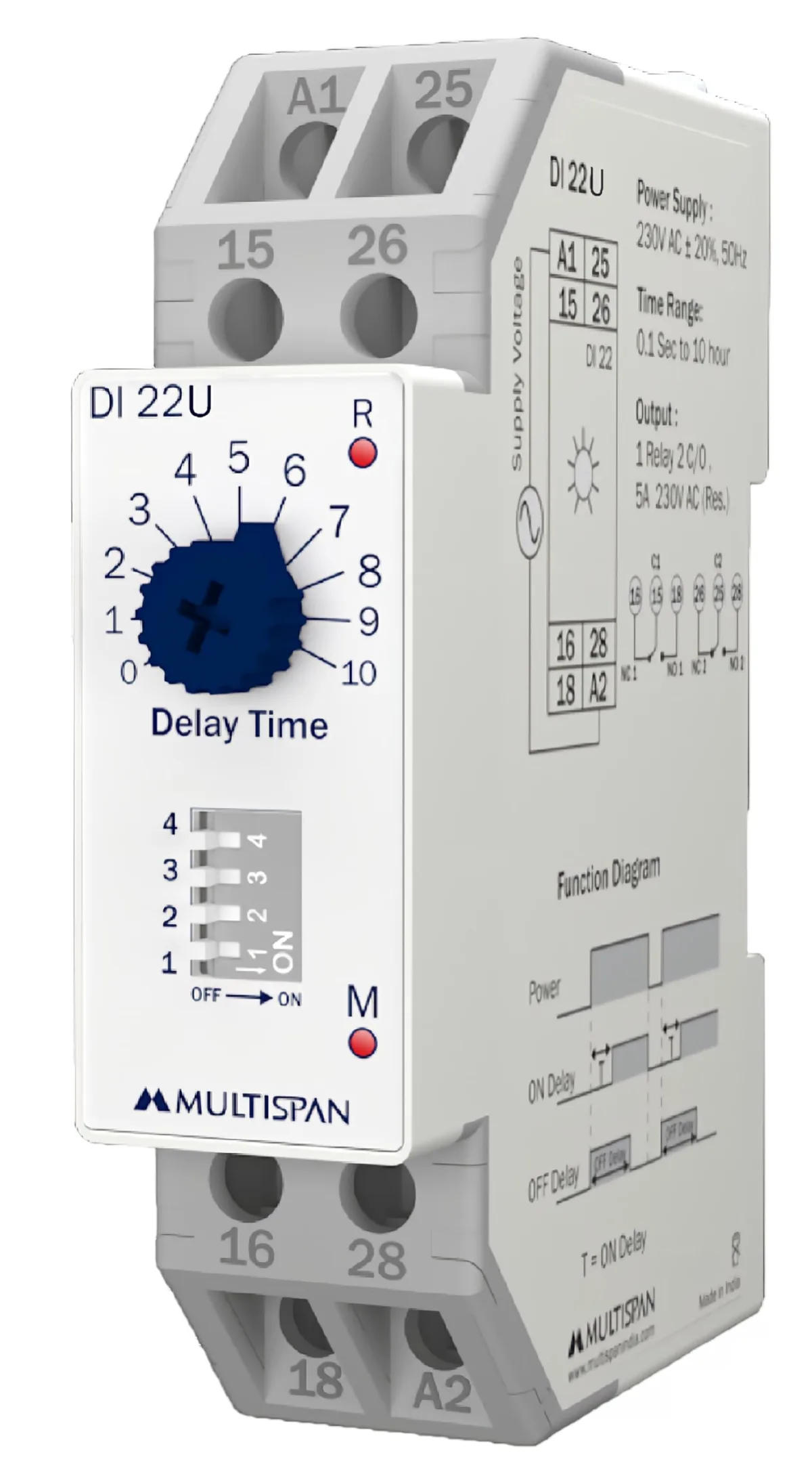
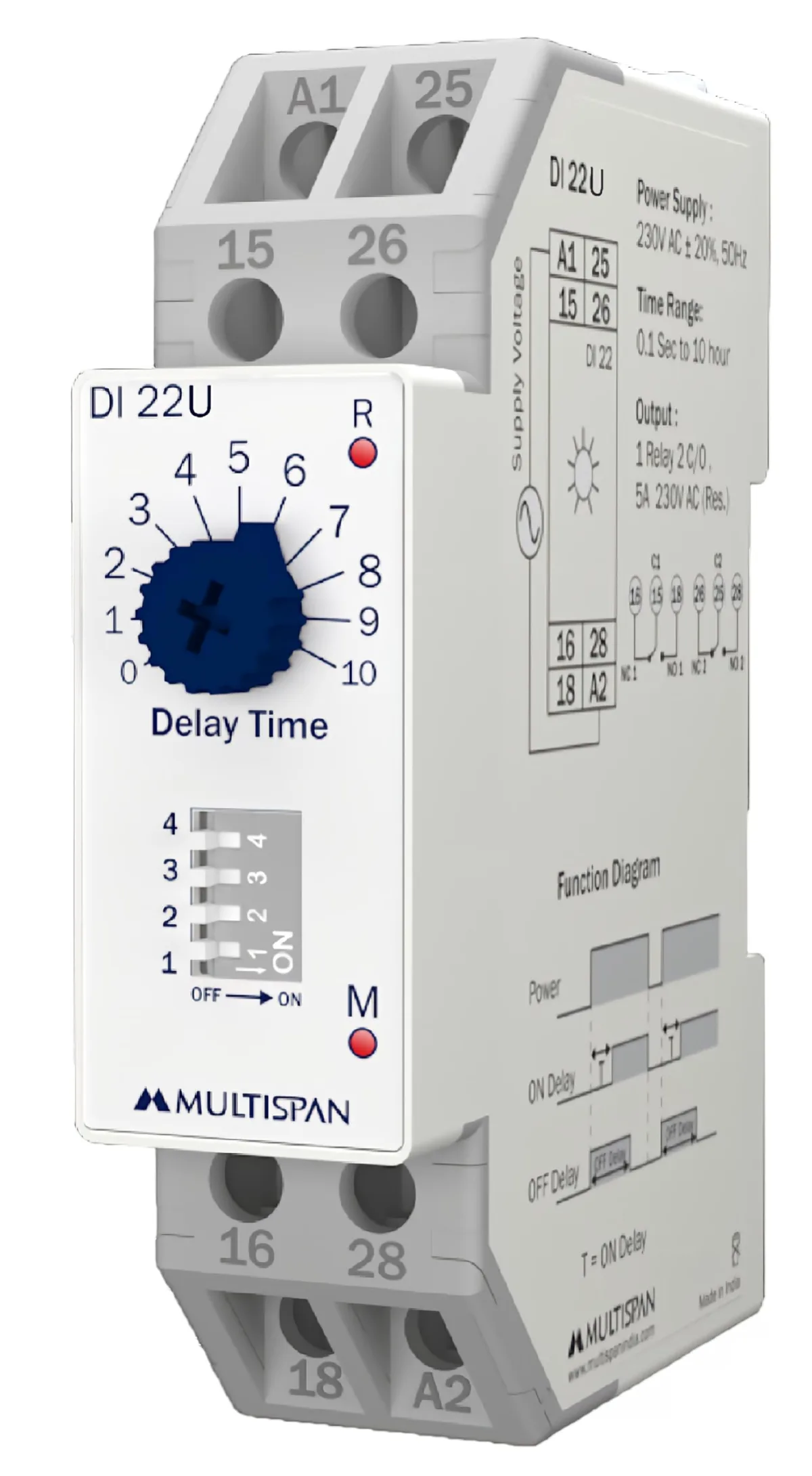
DI 22U
Multispan DI 22U digital indicating instrument for clear and precise display of electrical parameters.
View Product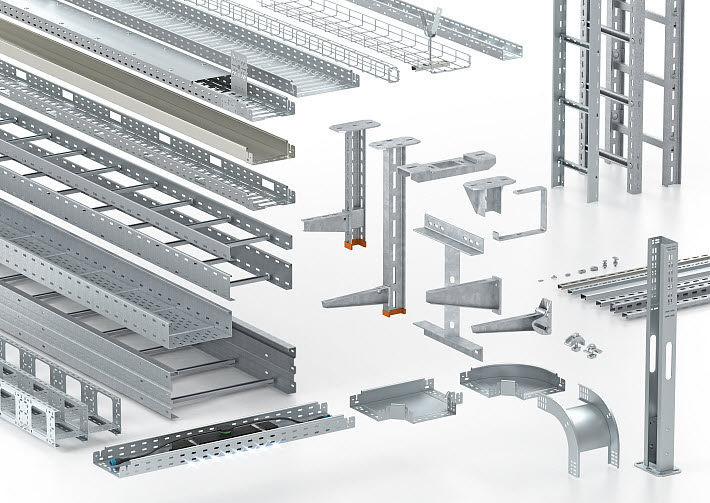
Cable Systems
Paneltech Systems offers comprehensive cable management systems for efficient, secure and organised cable setups across industrial and commercial environments.
View Product
ATS / MTS Kenya
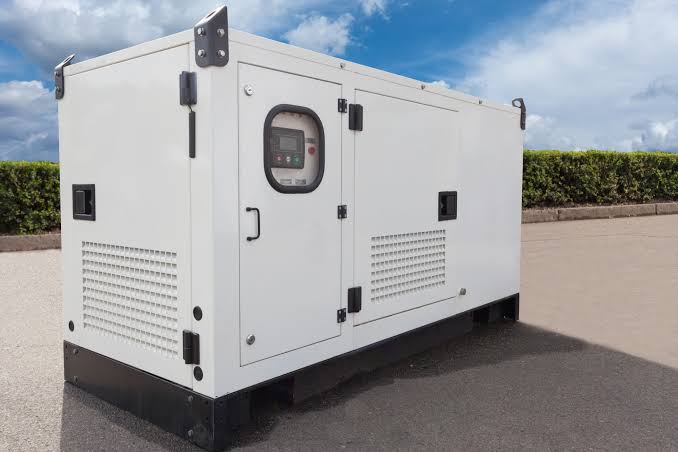
ATS/MTS solutions from Paneltech Systems provide reliable Automatic and Manual Transfer Switches for seamless power transfer in industrial and commercial electrical systems.
View Product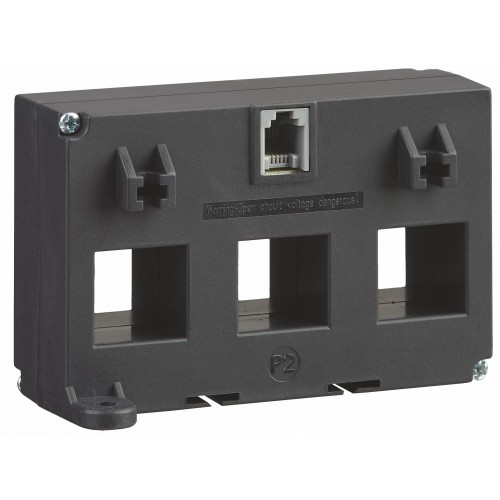
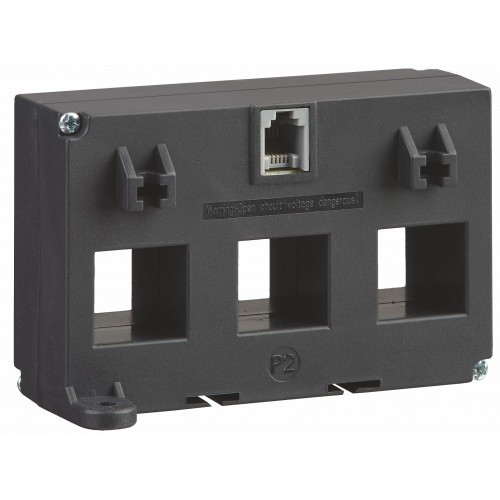
3 Phase Current Transformer
3-Phase Current Transformers for accurate power monitoring and measurement. Paneltech Systems offers high-quality Rishabh 3-Phase CTs for industrial energy monitoring and protection.
View ProductFor broader electrical system integration, Paneltech Systems provides supporting solutions through its core infrastructure pages such as:
- https://paneltechsystems.co.ke/
- https://paneltechsystems.co.ke/home-main/
- https://paneltechsystems.co.ke/home1/
- https://paneltechsystems.co.ke/about/
- https://paneltechsystems.co.ke/products/
What is the DI 22U Universal Indicator?
The DI 22U is a multi-input digital indicator designed to read and display signals from different industrial sensors. It is called “universal” because it can accept multiple signal types without needing separate devices.
This flexibility makes it suitable for industrial automation systems, especially where space, cost, and compatibility are key concerns. Instead of installing multiple meters for different sensor types, one DI 22U can handle them all.
In Paneltech-supported systems, such devices are commonly integrated into:
- LV panels → https://paneltechsystems.co.ke/products/low-voltage-panels/
- Automation systems → https://paneltechsystems.co.ke/products/
- Control systems
What Makes an Indicator “Universal”?
A universal indicator can read multiple electrical signal types such as current, voltage, and resistance from different sensors. This eliminates the need for multiple dedicated instruments in a control panel.
Traditional indicators are limited to one signal type. For example, a temperature meter may only accept thermocouple input, while another device may only accept voltage signals. The DI 22U solves this by automatically adapting to different input standards.
This is particularly useful in industrial environments in Kenya where mixed systems are common due to phased installations and equipment upgrades.
Understanding Input Signals in Simple Terms
Input signals are electrical messages sent from a sensor to an indicator, telling it what to display. Think of them as “languages” that sensors use to communicate with devices like the DI 22U.
There are two common signal types used in industrial systems:
- 4–20mA (current signal)
- 0–10V (voltage signal)
The DI 22U can interpret both, making it highly flexible in industrial environments.
For deeper system integration, engineers often pair indicators with:
What is a 4–20mA Signal? (Very Simple Explanation)
A 4–20mA signal is a type of electrical current used to send measurement data over long distances without losing accuracy. 4mA represents zero or minimum value, while 20mA represents maximum value.
This system is widely used in industrial automation because it is resistant to electrical noise and signal loss. Even in long cable runs inside factories, the signal remains stable.
Simple Analogy:
Imagine water flowing in a pipe:
- 4mA = small flow (almost empty pipe)
- 20mA = full flow (maximum measurement)
The DI 22U reads this current and converts it into a readable value on its display.
What is a 0–10V Signal? (Simple Explanation)
A 0–10V signal is a voltage-based measurement system where sensor output ranges from 0 volts to 10 volts. Higher voltage means a higher measured value, such as temperature or pressure.
Unlike 4–20mA, voltage signals are easier to understand but more sensitive to distance and interference.
Simple Analogy:
Think of a dimmer switch:
- 0V = OFF or minimum reading
- 10V = FULL or maximum reading
The DI 22U converts this voltage into a readable digital value for operators.
4–20mA vs 0–10V: Key Differences
4–20mA is better for long-distance industrial environments, while 0–10V is simpler but less resistant to interference. DI 22U supports both, making it adaptable to different installations.
| Feature | 4–20mA | 0–10V |
|---|---|---|
| Noise Resistance | High | Medium |
| Distance Capability | Very Long | Short |
| Wiring Cost | Higher | Lower |
| Industrial Use | Very Common | Moderate |
This flexibility is especially useful in Paneltech systems
How DI 22U Uses Input Signals
The DI 22U receives electrical signals from sensors and converts them into readable values like temperature, pressure, or flow rate. It acts as the “translator” between industrial sensors and human-readable displays.
Inside industrial panels, sensors send continuous signals. The DI 22U processes these signals and displays them in real-time on a digital screen.
This is critical in:
- Manufacturing plants
- Water treatment systems
- HVAC systems
- Energy monitoring setups
Applications of DI 22U in Kenya’s Industry
The DI 22U is widely used in industries that require real-time monitoring of physical processes. It improves operational efficiency by providing accurate and continuous readings.
In Kenya, typical applications include:
- Manufacturing plants (temperature and pressure monitoring)
- Agricultural processing systems
- Water pumping stations
- Energy management systems
- Renewable energy control panels
These systems often integrate with broader solutions from Paneltech Systems:
- https://paneltechsystems.co.ke/paneltechhomes/
- https://paneltechsystems.co.ke/knowledge-site/
- https://paneltechsystems.co.ke/contact/
Integration with Electrical Panels and Automation Systems
The DI 22U is installed inside electrical control panels where it connects directly to sensors and controllers. It is commonly used in LV panels and automation systems for real-time monitoring.
In modern Paneltech-designed systems, DI 22U is often paired with:
- VFD drives
- APFC systems
- Motor control panels
This integration helps engineers monitor system performance without external measuring devices.
Technical Specifications of DI 22U
The DI 22U is a compact digital indicator designed for industrial environments with multi-signal compatibility. It supports standard industrial inputs and is built for continuous operation in harsh conditions.
| Specification | Description |
|---|---|
| Input Types | 4–20mA, 0–10V |
| Display | Digital LED/LCD |
| Power Supply | Industrial AC/DC compatible |
| Mounting Type | Panel mount |
| Accuracy | High precision industrial grade |
| Operating Environment | Industrial temperature ranges |
| Compliance | IEC / industrial instrumentation standards |
These specifications align with industrial expectations under IEC-based control systems and EPRA-regulated electrical installations in Kenya.
Standards and Compliance (IEC & EPRA Context)
DI 22U systems are designed to comply with international IEC instrumentation standards used in industrial automation. In Kenya, they must also align with EPRA electrical installation requirements for safe deployment.
Compliance ensures:
- Electrical safety in LV panels
- Reliable sensor communication
- Reduced risk of system failure
- Standardized industrial performance
Paneltech Systems integrates such compliance into its engineering solutions:
Common Installation Challenges and Troubleshooting
Most issues with DI 22U installations come from incorrect wiring or signal mismatch. Proper configuration of input type (4–20mA or 0–10V) solves most operational problems.
Common issues include:
- Display showing incorrect values → wrong signal type selected
- No reading → broken sensor wiring
- Fluctuating values → electrical noise or grounding issues
Proper installation within structured systems like LV panels reduces these issues significantly.
Why Universal Indicators Are Important in Modern Systems
Universal indicators reduce cost, simplify panel design, and improve system flexibility. They allow engineers to use multiple sensor types without redesigning the entire control system.
In Kenya’s growing industrial sector, this is especially important because:
- Equipment comes from multiple suppliers
- Systems are upgraded in phases
- Energy efficiency is a growing priority
Conclusion: The Role of DI 22U in Modern Industrial Monitoring
The DI 22U is a flexible, cost-effective solution for reading multiple industrial sensor signals in one device. Its ability to handle both 4–20mA and 0–10V inputs makes it a key component in modern automation systems.
As industries in Kenya continue to adopt smarter electrical infrastructure, devices like the DI 22U will play a central role in improving monitoring, safety, and efficiency.
Contact Paneltech Systems Ltd
Powering Kenya's Future with Reliable Electrical Solutions
Email: [email protected]
Phone: 0799 531765
Location: Nairobi, Kenya
Website: https://paneltechsystems.co.ke/
Our Specialized Services:
- Low Voltage (LV) Panels & APFC Panels
- VFD Drive Solutions & ATS / MTS Systems
- Solar Power & EV Charging Infrastructure
- Electrical Supplies & Engineering Consultations