Meter Boards Kenya: Demystifying How Your Electricity Usage is Tracked
Meter boards house and organize electricity meters, ensuring accurate energy tracking and billing. Proper sealing and secure enclosures prevent tampering, protect equipment, and maintain safety in residential and commercial installations.

Introduction
Accurate measurement of electricity consumption is essential for billing, energy management, and system monitoring. In Kenya, utility providers rely on properly installed and secured metering systems to track usage in residential, commercial, and industrial facilities.
Meter boards play a critical role in this process by providing a structured and secure housing for electricity meters and associated components.
You can explore broader electrical infrastructure solutions on the Panel Tech Systems products page or learn more about system integration capabilities on the About page.
What is a Meter Board?
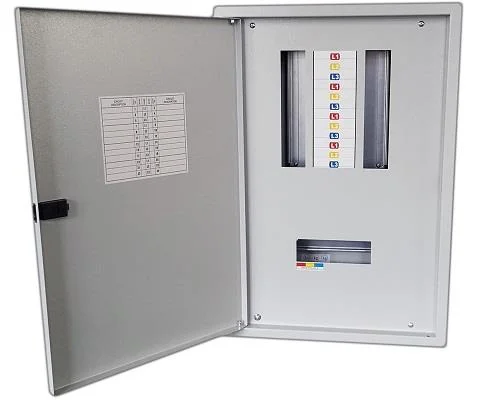
A Meter Board is an electrical enclosure designed to house and organize electricity meters along with their associated wiring and protective devices.
It acts as the interface between the utility supply and the building’s internal electrical system, ensuring that all energy consumption is properly measured and recorded.
Meter boards are commonly used in:
- Residential apartments
- Commercial buildings
- Industrial facilities
- Multi-tenant developments
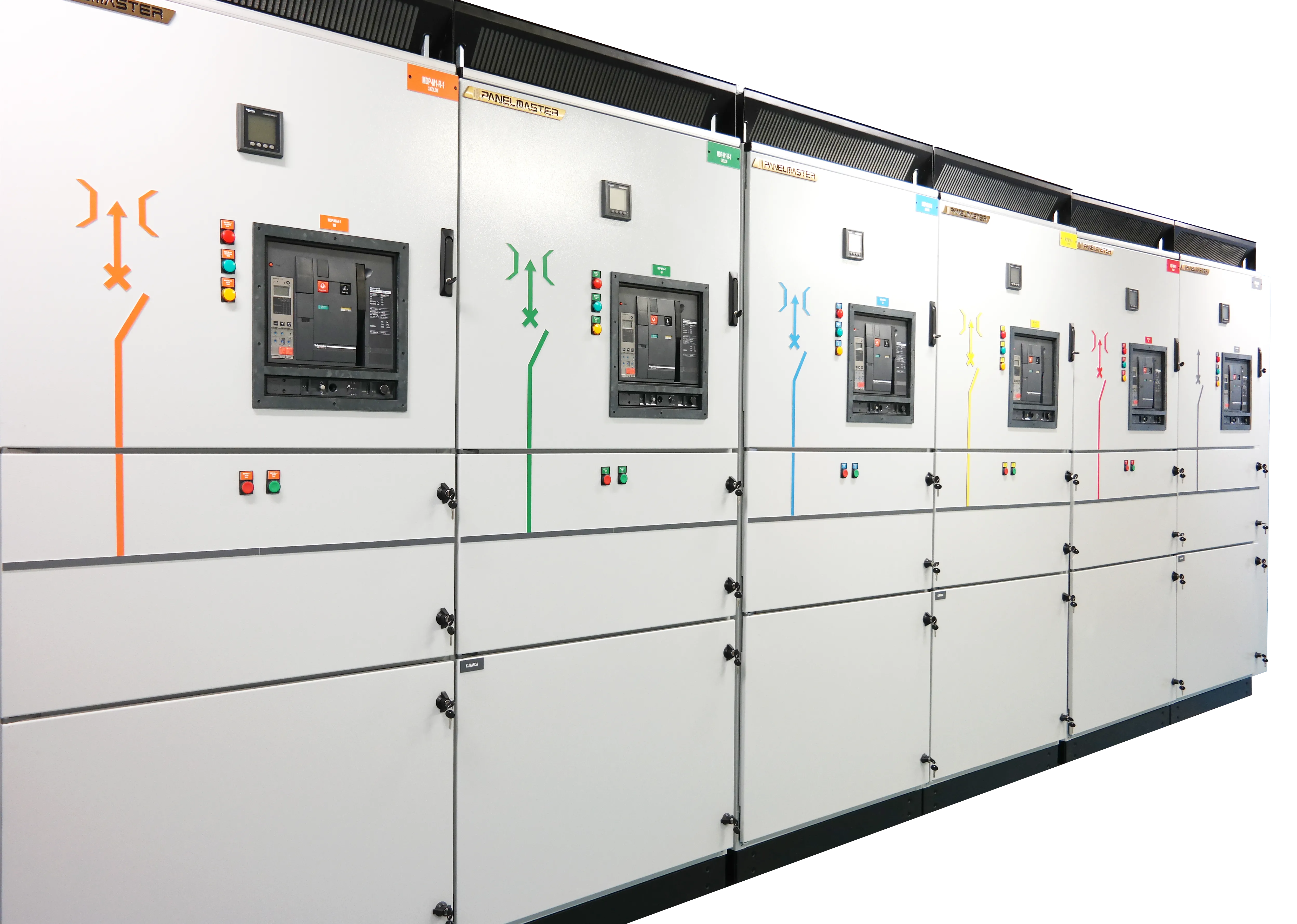
In modern installations, meter boards are often integrated into broader low voltage panel systems to ensure coordinated power distribution and monitoring.
Physical Setup of a Meter Board
The design and layout of a meter board are structured to ensure accessibility, safety, and accurate measurement.
1. Meter Mounting Section
This is where individual electricity meters are installed. Each meter is assigned to a specific unit, tenant, or load.
Meters are typically mounted on rails or panels in an organized layout for easy identification and maintenance.
2. Incoming Supply Section
This section connects the utility power supply to the meters. It includes incoming cables and protective devices that regulate the flow of electricity into the system.
3. Outgoing Distribution Section
After power passes through the meter, it is routed to the building’s internal distribution system. This often connects to distribution boards or other low voltage panels.
4. Busbars and Wiring
Busbars distribute electrical power efficiently across multiple meters. Proper cable management ensures safety and minimizes the risk of faults.
5. Enclosure Structure
Meter boards are enclosed in metal or insulated cabinets designed to protect internal components from environmental factors such as dust, moisture, and physical damage.
Enclosure ratings (IP30–IP65) depend on installation location and environmental conditions.
Importance of Sealing in Meter Boards
Sealing is a critical requirement in meter installations, particularly in utility-regulated systems.
Preventing Tampering
Seals ensure that meters cannot be accessed or altered without authorization. This prevents illegal connections, energy theft, and manipulation of consumption readings.
Ensuring Accurate Billing
Unsealed or tampered meters can lead to incorrect readings, affecting both customers and utility providers. Proper sealing guarantees accurate and fair billing.
Regulatory Compliance
In Kenya, utility providers require meter installations to be sealed according to standards. This ensures integrity in energy measurement systems.
Security and Safety Considerations
Meter boards must be designed with both physical security and electrical safety in mind.
Physical Security
- Lockable enclosures prevent unauthorized access
- Tamper-proof seals protect meter integrity
- Secure mounting prevents vandalism or accidental damage
Electrical Safety
- Proper insulation reduces risk of electric shock
- Protective devices prevent overloads and faults
- Organized wiring minimizes fire hazards
For professional installation and compliance support, you can reach our team via the contact page.
Role of Meter Boards in Modern Buildings
In multi-unit developments such as apartments or office complexes, meter boards enable centralized monitoring of electricity usage.
Each tenant or unit has an individual meter, allowing:
- Independent billing
- Clear energy consumption tracking
- Efficient maintenance and troubleshooting
In industrial environments, meter boards may also integrate with energy monitoring systems to provide real-time usage data.
System Specifications Table
| Parameter | Specification |
|---|---|
| Rated Voltage | 230V / 415V AC |
| Frequency | 50 Hz |
| Meter Type | Single-phase / Three-phase |
| Enclosure Type | Wall-mounted / Floor-mounted |
| Protection Class | IP30–IP65 |
| Security Features | Lockable door, tamper seals |
| Standards Compliance | IEC standards |
Integration with Low Voltage Panels
Meter boards are often installed alongside distribution boards and other electrical panels to form a complete power management system.
They act as the measurement point before electricity is distributed through the building.
You can explore integrated electrical systems and panel solutions on the Panel Tech Systems homepage.
Conclusion
Meter boards are essential for accurate electricity tracking, system organization, and regulatory compliance. Their design ensures that energy usage is measured correctly while maintaining safety and preventing tampering.
For property managers, developers, and facility operators in Kenya, proper meter board installation is critical for efficient energy management and long-term system reliability.
Call to Action
Contact Panel Tech Systems Ltd
Powering Kenya's Future with Reliable Electrical Solutions
Email: [email protected]
Phone: 0799 531765
Location: Nairobi, Kenya
Website: https://paneltechsystems.co.ke/
Our Specialized Services:
Low Voltage (LV) Panels & APFC Panels
VFD Drive Solutions & ATS / MTS Systems
Solar Power & EV Charging Infrastructure
Electrical Supplies & Engineering Consultations