PLC Automation Panels Kenya: The “Brain” of Modern Factories
PLC automation panels replace manual switches with programmable logic to control machines automatically. They improve efficiency, reduce human error, and enable reliable operation in modern industrial systems.
Introduction
Modern factories in Kenya are rapidly moving toward automation to improve efficiency, reduce downtime, and maintain consistent production quality. Traditional manual control systems—where operators physically switch machines on and off—are being replaced by smarter, automated solutions.
At the center of this transformation is the Programmable Logic Controller (PLC), housed within automation panels that control entire processes with precision.
You can explore related electrical and automation systems on the Panel Tech Systems products page or learn more about engineering expertise on the About page.
What is a PLC Automation Panel?
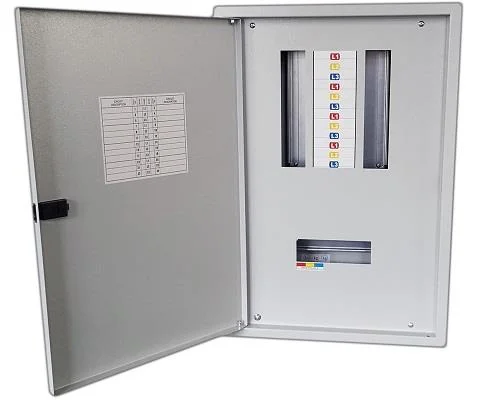
A PLC Automation Panel is an electrical control panel that uses a Programmable Logic Controller to automate machines and processes.
Instead of relying on manual switches, the PLC uses programmed instructions (logic) to decide when and how machines operate.
These panels are widely used in:
- Manufacturing plants
- Water treatment systems
- Packaging lines
- HVAC automation systems
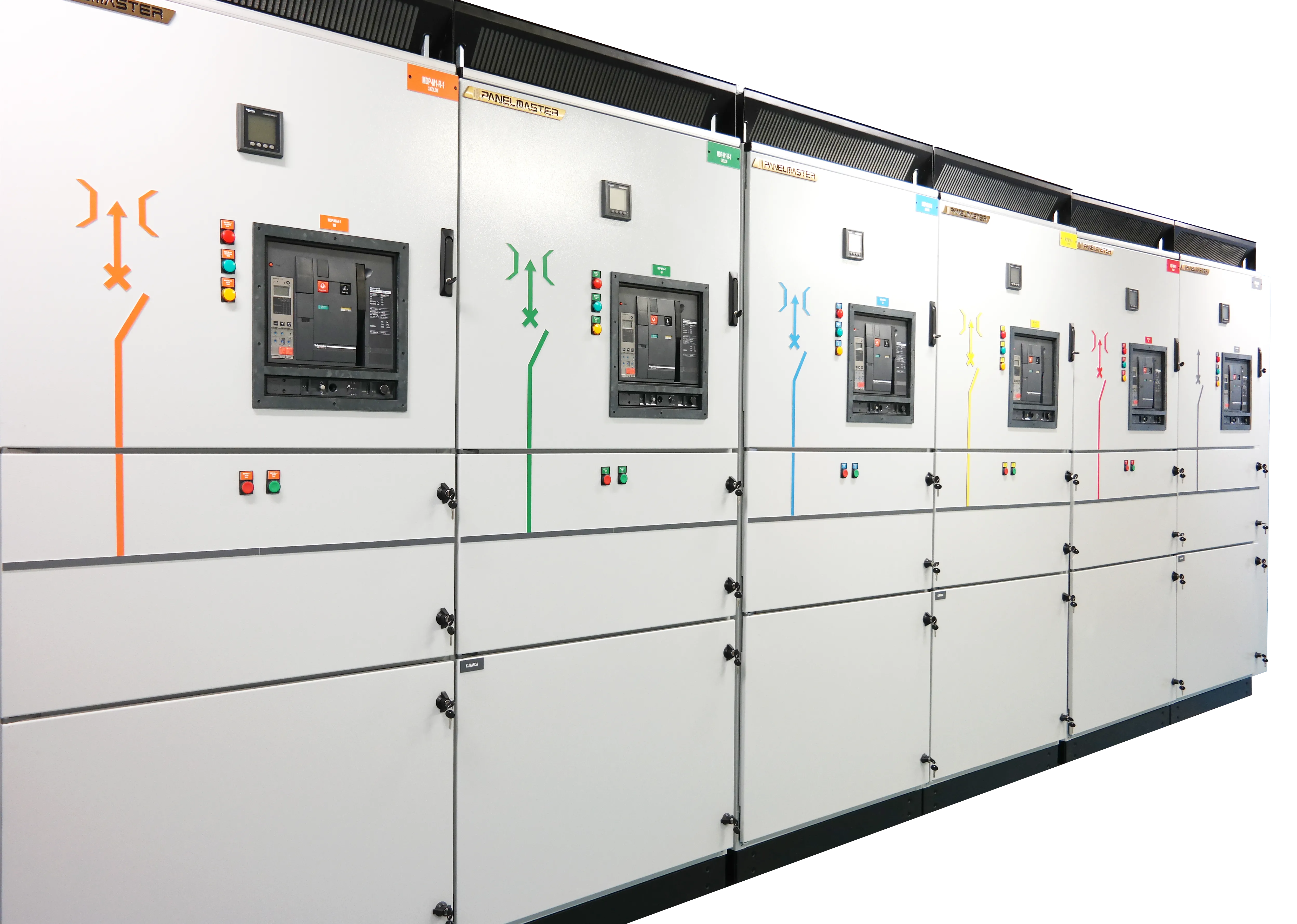
PLC panels are often integrated into broader low voltage panel systems for complete electrical control and distribution.
How PLCs Replace Manual Switches
A PLC replaces physical switching with digital decision-making based on programmed logic.
It reads inputs, processes conditions, and controls outputs automatically.
Traditional Manual Control
In older systems:
- Operators press buttons to start or stop machines
- Decisions are made manually
- Human error can lead to inefficiency or accidents
PLC-Based Control System
In a PLC-controlled system:
- Sensors provide input signals (e.g., temperature, pressure, position)
- The PLC processes these inputs using programmed logic
- The PLC sends output signals to devices (motors, valves, relays)
- Machines operate automatically based on conditions
This removes the need for constant human intervention and ensures consistent performance.
Understanding PLC Logic in Simple Terms
PLC logic works like a set of rules or instructions.
For example:
- IF a tank is empty → START pump
- IF tank is full → STOP pump
This type of logic is programmed into the PLC and executed continuously in real time.
The most common programming method is called ladder logic, which visually represents electrical circuits in a simplified digital format.
Key Components of a PLC Automation Panel
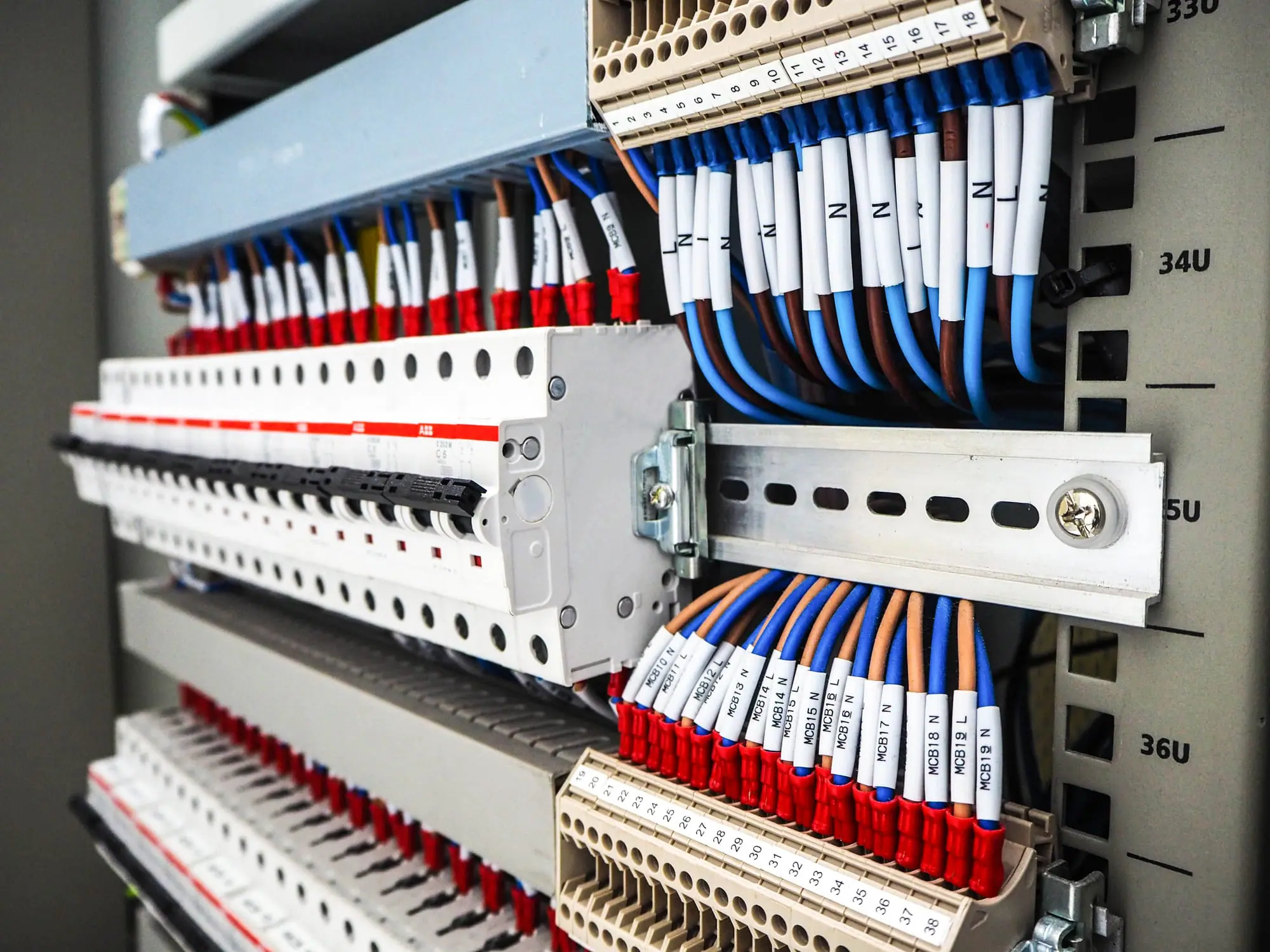
A PLC panel contains several components that work together to control and automate processes.
1. PLC Controller
The brain of the system that processes inputs and executes logic.
2. Input Modules
Receive signals from sensors and switches.
3. Output Modules
Send signals to control devices like motors and relays.
4. Power Supply Unit
Provides stable power to the PLC and control components.
5. Human Machine Interface (HMI)
Allows operators to monitor and control the system through a display screen.
6. Communication Modules
Enable integration with other systems such as SCADA or remote monitoring platforms.
You can explore integrated automation and control systems via the products page.
Real-World Example in Kenya
In a water treatment plant, multiple pumps must operate based on water levels and demand.
With manual control:
- Operators must monitor levels constantly
- Delays or mistakes can cause overflow or shortages
With a PLC system:
- Sensors detect water levels automatically
- The PLC starts or stops pumps based on programmed logic
- The entire process runs efficiently without manual input
For system design and implementation, you can reach our team through the contact page.
Benefits of PLC Automation Panels
PLC systems provide several advantages in industrial environments:
- Improved operational efficiency
- Reduced human error
- Faster response to system changes
- Consistent production quality
- Enhanced safety through automated controls
In Kenya’s growing industrial sector, PLC automation is becoming essential for modern manufacturing and infrastructure projects.
System Specifications Table
| Parameter | Specification |
|---|---|
| Rated Voltage | 230V / 415V AC |
| Frequency | 50 Hz |
| Control Type | Programmable Logic Control |
| Input/Output | Digital and Analog |
| Communication | Modbus, Ethernet |
| Enclosure Rating | IP30–IP65 |
| Standards Compliance | IEC 61131 |
Integration with Industrial Systems
PLC automation panels are often integrated with:
- Motor control systems
- Distribution boards
- VFD drives
- SCADA monitoring systems
This creates a fully automated and interconnected electrical system capable of handling complex industrial processes.
Learn more about complete system solutions on the Panel Tech Systems homepage.
Conclusion
PLC Automation Panels act as the brain of modern industrial systems. By replacing manual switches with intelligent digital logic, they enable efficient, reliable, and automated control of machinery.
For industries in Kenya, adopting PLC automation is a key step toward improved productivity, reduced costs, and long-term operational success.
Call to Action
Contact Panel Tech Systems Ltd
Powering Kenya's Future with Reliable Electrical Solutions
Email: [email protected]
Phone: 0799 531765
Location: Nairobi, Kenya
Website: https://paneltechsystems.co.ke/
Our Specialized Services:
Low Voltage (LV) Panels & APFC Panels
VFD Drive Solutions & ATS / MTS Systems
Solar Power & EV Charging Infrastructure
Electrical Supplies & Engineering Consultations