Powering Education: Electrical Solutions for Schools and Universities
School electrical installations require safe and reliable power distribution systems for classrooms, labs, and ICT facilities. In Kenya, engineered LV systems ensure safety, efficiency, and uninterrupted learning across educational institutions and universities.
Electrical Power Systems for Educational Institutions Explained
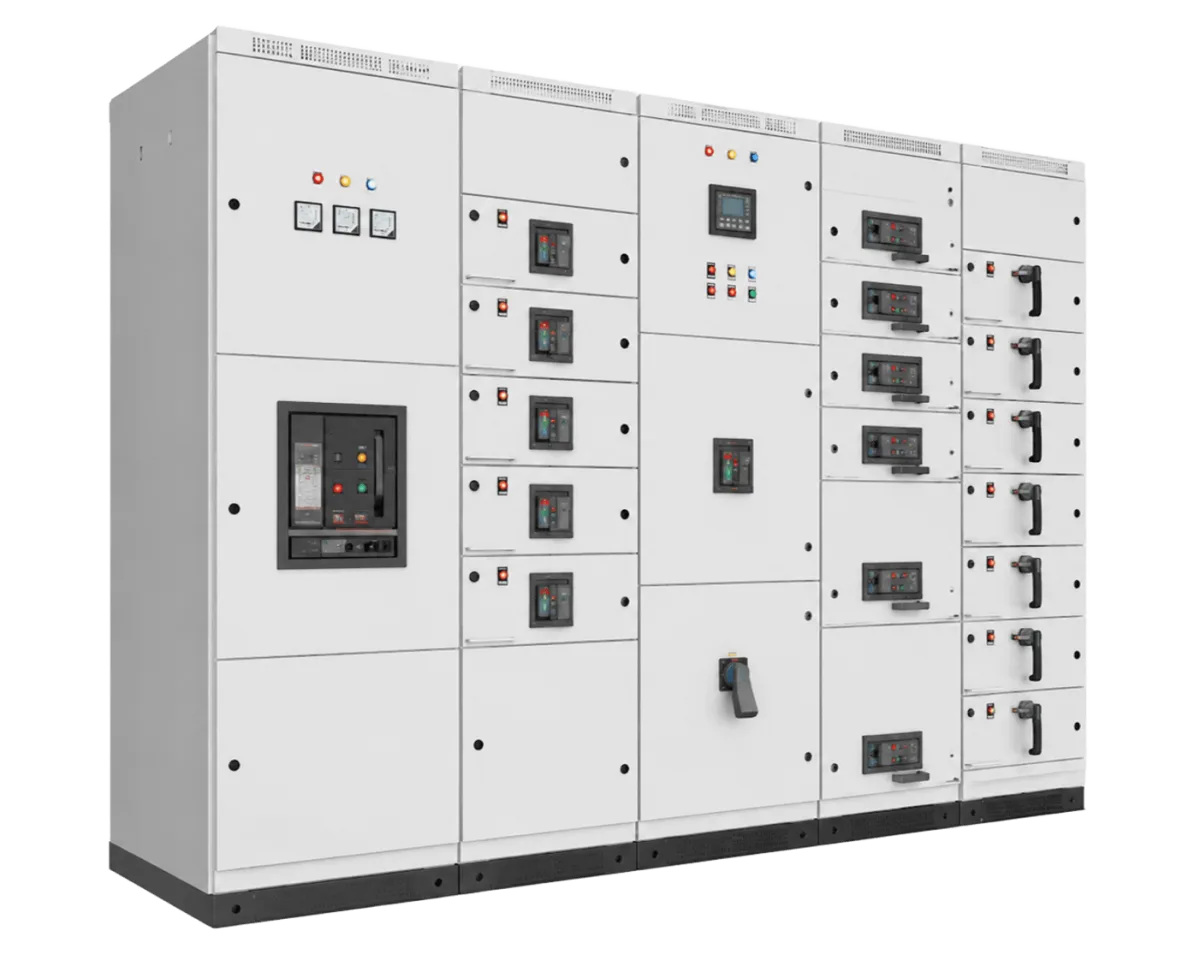
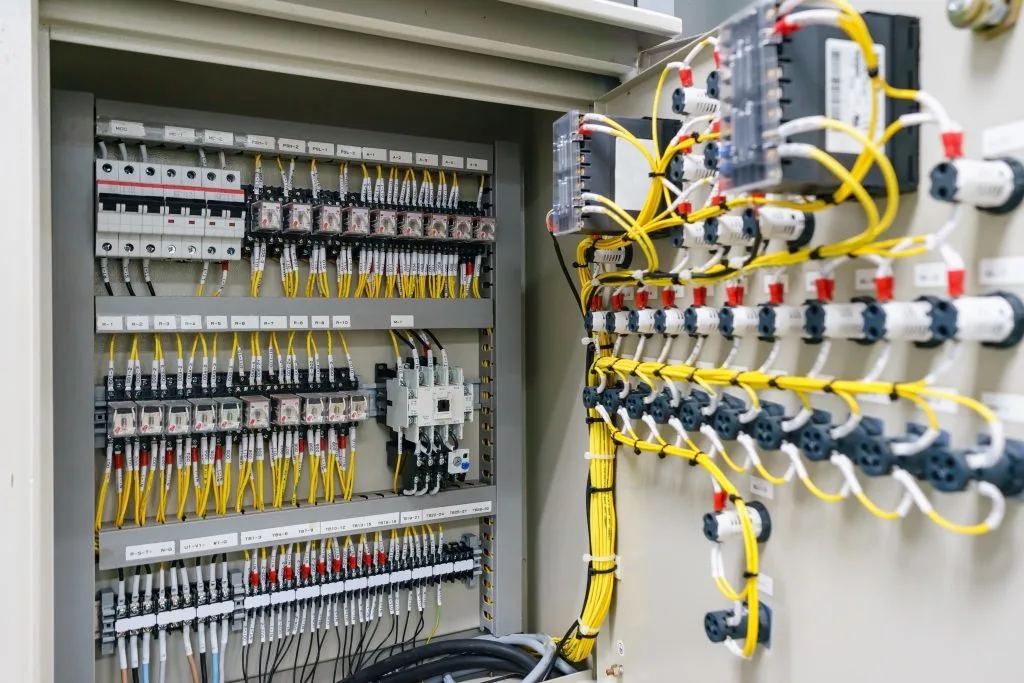
Electrical solutions for schools and universities involve designing safe, reliable, and scalable power distribution systems that support classrooms, laboratories, libraries, and administrative facilities. These systems prioritize safety, load stability, and uninterrupted power for learning environments.
Introduction: Why Education Facilities Need Engineered Power Systems
Educational institutions in Kenya operate as high-usage but safety-critical environments. From primary schools to universities, electrical systems must support continuous learning activities while ensuring student and staff safety.
Related Products
LED Lights
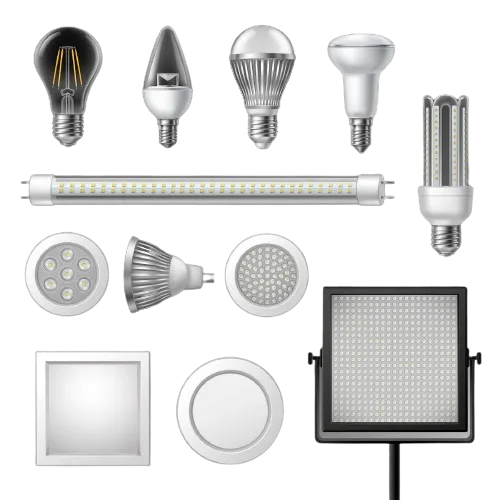
Paneltech Systems offers high-quality LED lighting solutions for indoor and outdoor applications ÔÇö bright, energy-efficient lighting for commercial and industrial spaces.
View Product
Light Accessories
A comprehensive range of lighting accessories for commercial and industrial electrical installations.
View Product
Switches and Sockets
Quality switches and sockets for residential, commercial and industrial electrical installations.
View Product
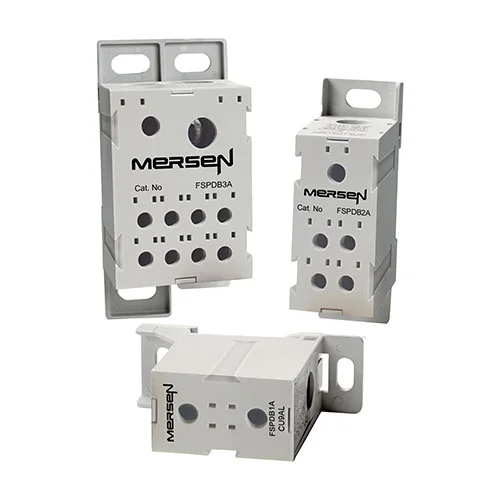
Distribution Boards
Distribution boards divide the main electrical power supply into smaller circuits while providing circuit protection for residential, commercial and industrial applications.
View ProductFacilities such as computer labs, science laboratories, lecture halls, and dormitories require carefully engineered electrical infrastructure that can handle both low and high demand loads simultaneously.
Paneltech Systems delivers tailored infrastructure for institutional environments through its engineered low-voltage distribution solutions: Paneltech Low Voltage Systems.
Why Schools and Universities Require Specialized Electrical Design
Electrical Design Requirements in Education Facilities
Schools and universities require specialized electrical systems because they combine high-density occupancy with sensitive electronic equipment and strict safety requirements. Standard commercial wiring systems are insufficient for managing these mixed-use educational loads.
Key Requirements
Educational institutions must support:
- Continuous lighting in classrooms and corridors
- Computer labs with sensitive electronic loads
- Science laboratories with specialized equipment
- Libraries requiring stable power for digital systems
- Dormitories with residential-level electrical demand
Safety Priority
Safety is the most critical factor:
- Child-safe electrical installations
- Fire prevention systems
- Controlled load distribution
- Proper grounding and surge protection
For structured electrical infrastructure planning, refer to engineering resources: Paneltech Knowledge Site.
School Electrical Installations and System Structure
How School Electrical Systems Are Designed
School electrical installations follow a zoned distribution model that separates lighting, power sockets, and specialized equipment circuits. This ensures safety, efficiency, and fault isolation across the facility.
Typical Distribution Structure
- Main LV Incoming Supply
- Distribution Boards (per building block)
- Sub-Distribution Boards (per floor or wing)
- Final Circuits (classrooms, labs, offices)
Load Segmentation
- Lighting circuits
- Socket outlets
- ICT infrastructure
- Laboratory equipment circuits
- HVAC systems
For commercial-grade LV distribution used in institutional projects, explore: Low Voltage Panels.
Safe Power Distribution in Learning Environments
Electrical Safety in Schools
Safe power distribution in schools ensures that electrical faults do not pose risks to students, staff, or sensitive equipment. This is achieved through protection systems, proper earthing, and load segregation.
Key Safety Measures
- Residual Current Devices (RCDs) for shock protection
- Circuit breakers for overload prevention
- Proper earthing systems
- Surge protection devices for ICT equipment
Why Safety Matters
Educational environments involve:
- High foot traffic of students
- Frequent equipment usage variation
- Sensitive laboratory experiments
- ICT infrastructure dependency
These factors require highly reliable and fault-tolerant electrical systems.
Electrical Requirements for Computer Labs and ICT Facilities
ICT Power Infrastructure in Schools
Computer labs require stable, uninterrupted, and clean power supply to protect sensitive electronic devices and ensure uninterrupted learning. Voltage fluctuations can damage equipment and disrupt academic activities.
ICT Load Considerations
- Stable voltage regulation
- Surge protection for devices
- Dedicated circuits per workstation cluster
- Backup power integration
Infrastructure Needs
- Dedicated ICT distribution boards
- UPS integration for critical systems
- Structured cabling and grounding
For integrated automation and power systems in institutional environments: LV Switchboards.
Electrical Systems in Science Laboratories
Laboratory Power Requirements
Science laboratories require specialized electrical systems capable of supporting high-load equipment and experimental apparatus safely. These systems must ensure both precision and safety under variable load conditions.
Common Lab Loads
- Heating equipment
- Analytical instruments
- Fume hoods
- Specialized measurement devices
Safety Requirements
- Isolated circuits for sensitive equipment
- Emergency power cutoff systems
- Enhanced grounding systems
- Chemical-resistant installations where applicable
Proper segregation of lab circuits is essential to prevent cross-interference and ensure operational safety.
System Specifications for Educational Electrical Installations
Technical Design Standards
Educational electrical systems are designed based on moderate load demand, high safety standards, and long-term durability requirements. They must comply with IEC and local regulatory standards.
Specifications Table
| Parameter | Specification |
|---|---|
| Rated Voltage | 230V / 415V AC |
| Frequency | 50 Hz |
| Protection Level | RCD + MCB integrated |
| Earthing System | TN-S / TN-C-S |
| Enclosure Type | Wall-mounted / floor-mounted panels |
| IP Rating | IP31 – IP54 |
| Standards Compliance | IEC 60364, IEC 61439 |
| Load Type | Mixed (lighting, ICT, lab equipment) |
Energy Efficiency in Educational Institutions
Reducing Energy Consumption in Schools
Energy efficiency in schools reduces operational costs and supports sustainable infrastructure development. Proper load management and lighting optimization significantly reduce electricity consumption.
Efficiency Strategies
- LED lighting systems
- Zoned power distribution
- Smart metering for energy tracking
- Efficient HVAC systems
Long-Term Benefits
- Reduced electricity bills
- Lower maintenance costs
- Improved system lifespan
- Sustainable campus operations
Integration with Backup and Renewable Systems
Power Continuity in Schools
Educational institutions require backup systems to ensure uninterrupted learning during power outages. Integration with generators, UPS systems, and solar energy improves reliability.
Backup Systems
- Diesel generator integration
- UPS systems for ICT labs
- Solar hybrid systems for sustainability
For ATS and backup integration systems: ATS Panels.
Compliance and Safety Standards in Education Electrical Systems
Regulatory Compliance Requirements
All school electrical installations must comply with IEC standards and national safety regulations to ensure safe operation and inspection approval. Compliance ensures long-term system reliability and safety.
Key Standards
- IEC 60364 (Electrical installations for buildings)
- IEC 61439 (Low-voltage switchgear assemblies)
- National electrical safety regulations
Compliance ensures:
- Fire safety protection
- Electrical fault containment
- Safe student environment
- Regulatory approval
Challenges in School Electrical Installations
Common Engineering Challenges
School electrical installations face challenges such as budget constraints, aging infrastructure, and increasing ICT demands. Proper planning is essential to balance cost and performance.
Key Challenges
- Outdated wiring systems in older schools
- Limited electrical capacity for ICT expansion
- Inconsistent maintenance practices
- Budget limitations for upgrades
Professional engineering design helps overcome these limitations efficiently.
For consultation and institutional electrical design: Paneltech Contact Page.
Future of Electrical Systems in Education
Smart Campus Infrastructure
Future educational institutions will rely on smart, automated, and energy-efficient electrical systems integrated with digital monitoring. This will improve safety, efficiency, and operational control.
Emerging Trends
- Smart energy monitoring systems
- IoT-based load management
- Solar-powered learning institutions
- AI-driven energy optimization
These advancements align with Kenya’s push toward sustainable and digitally enabled education infrastructure.
Conclusion
Electrical systems in schools and universities must prioritize safety, reliability, and scalability. From computer labs to science facilities, properly engineered installations ensure uninterrupted learning and protect sensitive equipment.
With structured low-voltage distribution systems and safety-first design principles, educational institutions can achieve long-term operational efficiency and compliance with international standards.
Contact Panel Tech Systems Ltd
Powering Kenya's Future with Reliable Electrical Solutions
Email: [email protected]
Phone: 0799 531765
Location: Nairobi, Kenya
Website: https://paneltechsystems.co.ke/
Our Specialized Services:
Low Voltage (LV) Panels & APFC Panels
VFD Drive Solutions & ATS / MTS Systems
Solar Power & EV Charging Infrastructure
Electrical Supplies & Engineering Consultations