Others
Cable Systems
Paneltech Systems offers comprehensive cable management systems for efficient, secure and organised cable setups across industrial and commercial environments.
IEC Certified
Nationwide Delivery
Technical Support
Product Description
Cable systems are the backbone of any electrical infrastructure, providing safe, efficient, and durable power transmission across residential, commercial, and industrial installations. In Kenya, high-quality cable systems are widely used in homes, offices, factories, industrial plants, and utility networks, ensuring consistent energy delivery, system reliability, and protection of electrical equipment.
Modern electrical installations demand robust cable systems that can handle varying voltage levels, environmental conditions, and load demands. A reliable cable system ensures stable electricity distribution, minimal energy loss, and compliance with safety standards, making it essential for both small and large-scale projects in Kenya.
What are Cable Systems?
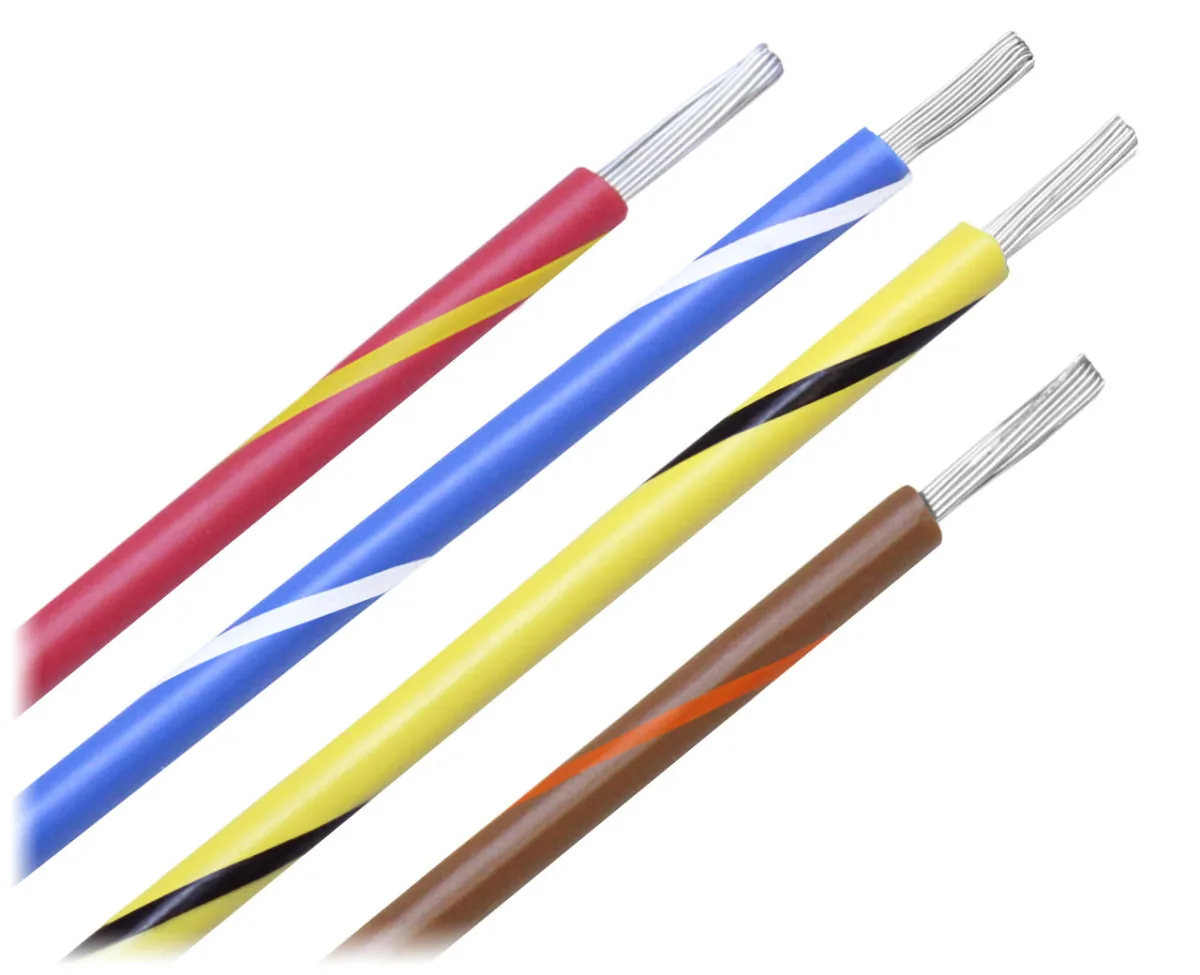
Cable systems consist of conductors, insulation, sheathing, and protective layers designed to transmit electrical power and signals safely and efficiently. They include low-voltage, medium-voltage, high-voltage, flexible, and armored cables suitable for various applications.
In Kenya, cable systems are used in residential wiring, commercial buildings, industrial machinery, renewable energy systems, and utility networks. They enable safe power distribution, connectivity between devices, and support for automated systems.
Key Features of Cable Systems
High-Quality Conductors – Copper or aluminum conductors for excellent conductivity.
Durable Insulation – PVC, XLPE, or other insulating materials for safety and longevity.
Protective Sheathing – Armor and jacketing for mechanical, chemical, and environmental protection.
Wide Voltage Ratings – Available for low, medium, and high-voltage applications.
Flexibility & Ease of Installation – Suitable for routing in buildings, panels, and industrial setups.
Compliance with Standards – Adheres to IEC, BS, and Kenyan electrical safety standards.
Versatile Applications – Suitable for power transmission, control circuits, and data communication.
Benefits of Using Cable Systems
Reliable Power Transmission
Ensures stable and consistent electricity delivery across residential, commercial, and industrial installations.
Enhanced Safety
High-quality insulation and protective sheathing reduce the risk of electrical shocks, short circuits, and fire hazards.
Durable & Long-Lasting
Robust construction ensures performance under harsh environmental conditions and mechanical stress.
Energy Efficiency
Properly rated cables reduce energy loss and improve system efficiency.
Versatile & Scalable
Cable systems are suitable for small-scale residential projects or large industrial installations.
Applications of Cable Systems in Kenya
Cable systems are used in a wide range of applications, including:
Residential Homes – Wiring for lighting, appliances, and power outlets.
Commercial Offices & Buildings – Electrical distribution for lighting, HVAC, and machinery.
Industrial Plants & Factories – Power supply to motors, pumps, machines, and control systems.
Renewable Energy Installations – Transmission of power from solar, wind, or hybrid energy systems.
Utility & Power Distribution Networks – Safe and reliable transmission of electricity from substations to consumers.
Data Centers & IT Facilities – Power and signal transmission for servers, UPS systems, and backup equipment.
Interested in Cable Systems?
Get pricing, availability, and technical details from our team.
Frequently Asked Questions about Cable Systems
A cable system consists of conductors, insulation, sheathing and protective layers that together transmit power and signals safely. Copper or aluminium conductors provide conductivity, PVC or XLPE insulation gives safety and long service life, and armour or jacketing protects against mechanical, chemical and environmental damage. Sound construction reduces the risk of shocks, short circuits and fire, and keeps supply stable under load.
Selection depends on where the cable runs and what it must withstand. Armoured types add mechanical, chemical and environmental protection for exposed or buried routes, while flexible types ease routing inside buildings, panels and industrial setups. Confirm that the conductor material, insulation and rating suit the load and the environment, and comply with IEC, BS and Kenyan safety standards. Specification drives cost, so request a quotation.
Yes. Properly rated cables reduce energy loss and improve overall system efficiency, which matters most where supply must stay stable across a large installation. Sizing should reflect the load demand and the conditions along the route. Cable systems serve residential wiring, commercial lighting and HVAC distribution, industrial motors and control circuits, renewable energy connections, utility networks, and power and signal transmission in data centres.