AC vs DC Combiner Boxes for Solar PV: When to Use Which
DC combiner boxes sit between PV strings and the inverter; AC combiner boxes sit between micro-inverter or string-inverter outputs and the AC distribution panel. This guide explains which one your project needs and how to size each.
A DC combiner box parallels multiple solar PV strings into one feed for the inverter; an AC combiner box parallels multiple inverter outputs onto a common AC bus. Both are essential but serve different parts of the system. The right choice depends on whether you're using string inverters (typically need a DC combiner per inverter and an AC combiner at the AC bus), central inverters (one large DC combiner per inverter), or micro-inverters (no DC combiner; AC combiner only). Getting this wrong creates fault-tolerance gaps, complicates O&M, and can make the system not pass EPRA inspection.
Quick comparison
| Aspect | DC combiner box | AC combiner box |
|---|---|---|
| Location | Between PV strings and inverter | Between inverter outputs and AC distribution |
| Voltage | DC, typically 600–1500 V open circuit | AC, 400–415 V three-phase or 240 V single-phase |
| Current | Per-string fuses (typically 15–20 A) | Per-inverter breakers (typically 20–100 A) |
| Protection | DC fuses, DC surge protection, blocking diodes | AC MCBs, AC surge protection, anti-islanding interface |
| Used with | String inverters, central inverters | Micro-inverters, parallel string inverters |
| Typical size | 8 to 24 strings per box | 2 to 16 inverters per box |
| IP rating standard | IP65 outdoor, often IP66 in coastal/dust areas | IP54 or IP65 |
DC combiner — the basics
On a typical commercial rooftop PV system, multiple PV strings (each string is several modules in series) are paralleled together before the inverter. The DC combiner box does this paralleling. It contains:
Related Products

Solar AC DB Combiner
Solar AC distribution board combiners for safe integration of solar power generation into the main electrical grid.
View Product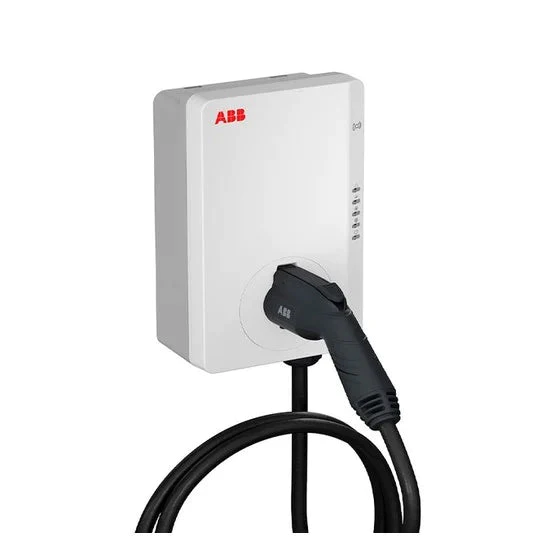
EV Chargers
ABB EV charging solutions for commercial and industrial premises, enabling reliable electric vehicle charging infrastructure.
View Product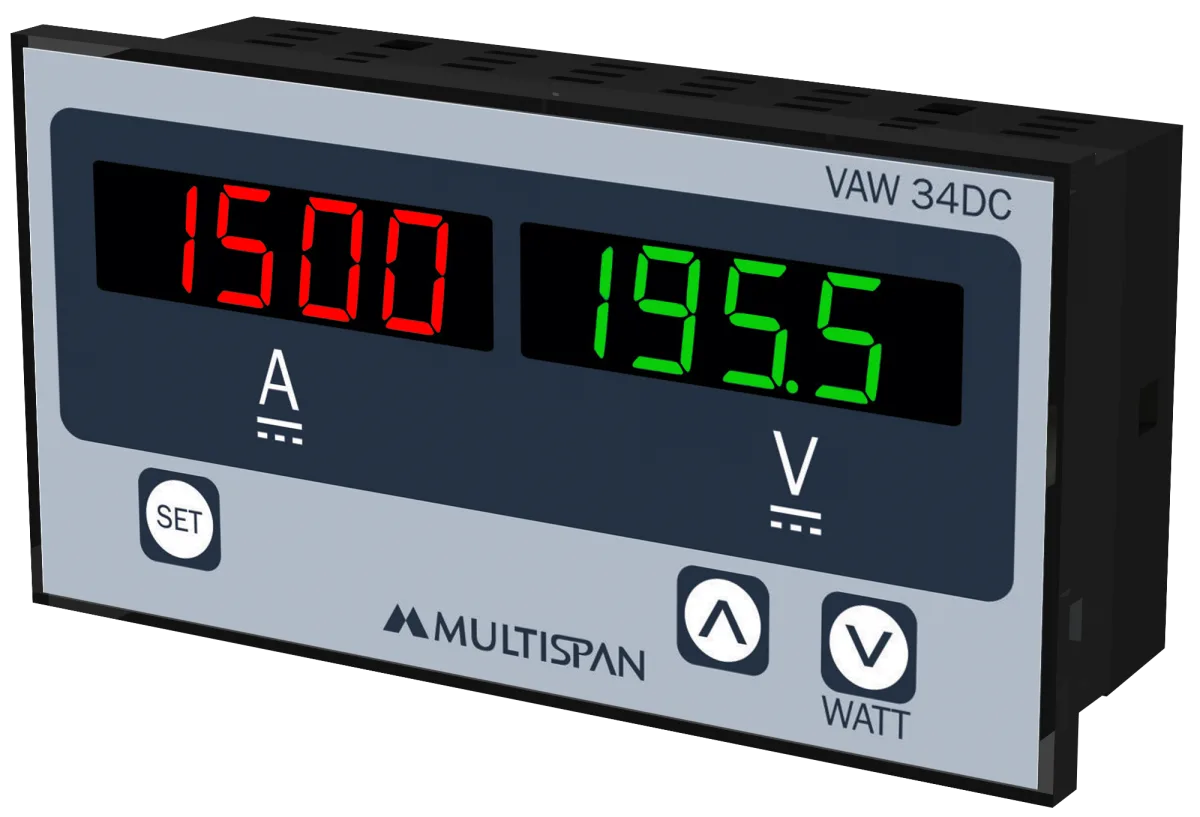
VAW 34DC
Multispan VAW 34DC DC volt-amp-watt meter for accurate measurement in DC electrical systems and solar installations.
View Product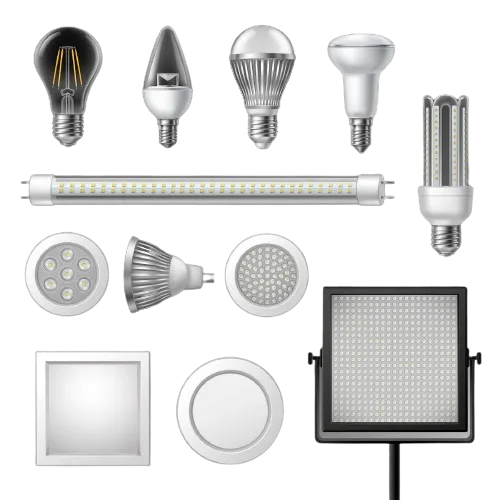
LED Lights
Paneltech Systems offers high-quality LED lighting solutions for indoor and outdoor applications ÔÇö bright, energy-efficient lighting for commercial and industrial spaces.
View Product- String fuses — one per positive string. The fuse rating depends on the PV module datasheet (typically 15 or 20 A).
- DC isolator — load-break disconnect rated for the full DC current and voltage. Mandatory by IEC 60364-7-712.
- DC surge protection device (SPD) — Type 2 SPD typical, Type 1+2 where lightning exposure is high (most outdoor Kenyan installations).
- Optional string monitoring — per-string current sensors with communication output, so the operator can spot under-performing strings remotely.
- Earthing — functional and protective — careful PV system earthing follows IEC 62548.
For commercial rooftop systems with string inverters in the 10–100 kW range, the DC combiner is typically mounted near the inverter, with cable runs from the array to the combiner box, then a single combined DC feed to the inverter.
AC combiner — the basics
An AC combiner sits downstream of the inverter(s). It parallels multiple inverter outputs onto a common AC bus before connection to the AC distribution panel. Common in:
- Micro-inverter systems — every module has its own micro-inverter; all the AC outputs combine at one or more AC combiners.
- Multi-string-inverter systems — e.g., four 50 kW string inverters paralleled for a 200 kW commercial installation.
- Hybrid systems with separate inverters — PV inverter + battery inverter combining into one AC bus.
The AC combiner contains:
- Per-inverter MCB — sized for the inverter's rated AC output
- AC SPD — Type 2 minimum
- Anti-islanding monitoring interface — for systems that grid-connect
- Energy metering — kWh meters for net-metering reporting
- Optional: AC isolator to the load side — for maintenance access on the inverter side
Decision tree
- String inverter system, single inverter: DC combiner before the inverter, no AC combiner needed.
- String inverter system, multiple inverters in parallel: DC combiner per inverter PLUS one AC combiner downstream.
- Micro-inverter system: No DC combiner. AC combiner only, sized for all the micro-inverter AC outputs.
- Central inverter (large commercial / utility): One large DC combiner (often called a "recombiner" because it combines outputs from multiple sub-combiner boxes). AC combiner downstream of the central inverter if there are multiple central inverters.
- Hybrid PV + battery: DC combiner for PV array, AC combiner where PV and battery inverter outputs meet.
Sizing rules
DC combiner sizing:
- Number of strings × string Isc (short-circuit current per IEC 60891 datasheet) × 1.25 = the combiner's rated input current.
- Open-circuit voltage at the lowest expected ambient temperature is the system voltage to rate the combiner for (typically 1.25 × Voc at standard test conditions).
- String fuse rating: at least Isc × 1.25, not exceeding the module's maximum fuse rating from the datasheet.
- DC isolator rating: full system current and voltage. Confirm DC-arc-rated, not just AC-rated.
AC combiner sizing:
- Sum of all inverter AC outputs × 1.0 = nominal combiner current rating; specify 25% headroom for cable derating.
- Per-inverter MCB rating: inverter rated AC output × 1.25.
- Withstand and closing rating (WCR) at the prospective short-circuit current at the AC busbar.
Common mistakes
- Using an AC-rated isolator on the DC side — DC arcs don't self-extinguish like AC arcs. Use only DC-rated isolators.
- Sizing string fuses for normal operating current — they must be sized for Isc, not Iop.
- Omitting Type 1 SPD on lightning-prone sites — most outdoor Kenyan sites need Type 1+2 surge protection on the DC side.
- Mixing string lengths into a single combiner — strings of different module counts produce different voltages; paralleling them causes reverse current. Strings into a single combiner should all be the same length.
- Forgetting to bond the combiner box to the array earthing system — leads to floating potentials and module damage.
Bottom line
DC combiners and AC combiners do different jobs. Specify each for what you're combining: PV strings → DC combiner; inverter outputs → AC combiner. Size each per IEC 60364-7-712 with appropriate isolation, fusing, and surge protection. Get either wrong and the system either fails to commission or fails in operation.
See our solar PV and combiner offerings for projects across residential, commercial, and utility scales in Kenya and East Africa.


