APFC Panels and PFC Basics: 2026 Power Factor Guide | Paneltech Systems Kenya
Learn how Automatic Power Factor Correction (APFC) panels reduce energy waste, improve efficiency, and lower electricity bills in industrial systems.
Why Power Factor Matters in Industrial Electricity Bills
Power factor determines how efficiently electrical power is being used in a system. APFC panels improve power factor by reducing wasted energy, which directly lowers electricity costs.
In many industrial facilities, especially in Kenya, companies pay not only for usable power but also for wasted electrical capacity caused by poor power factor. This is where Automatic Power Factor Correction (APFC) systems become financially important.
Systems like those designed by Paneltech Systems Ltd help industries optimize energy consumption through intelligent electrical correction solutions.
Understanding Power Factor (PFC Basics)
Power factor is a measure of how effectively electrical power is being converted into useful work. A low power factor means more energy is wasted, increasing electricity costs.
In simple terms, power factor compares how much electricity you “pay for” versus how much is actually used to perform work. A perfect power factor is 1.0, meaning all supplied power is used efficiently.
Industrial systems such as:
https://paneltechsystems.co.ke/products/low-voltage-panels/
often include power monitoring features to help identify inefficiencies early.
Simple Analogy: Understanding Reactive Power
Reactive power is unused electrical energy that flows in the system without doing useful work. It increases the load on the electrical network and raises electricity bills.
Simple Analogy
Think of electricity like water flowing through pipes:
- Active power (useful power): Water that actually reaches your tank and is used
- Reactive power (wasted power): Water that moves back and forth in the pipe but never fills the tank
Even though reactive power does no useful work, you still have to maintain the system that carries it. This is why utilities charge penalties for poor power factor.
To manage this issue, industrial setups often integrate correction systems such as:
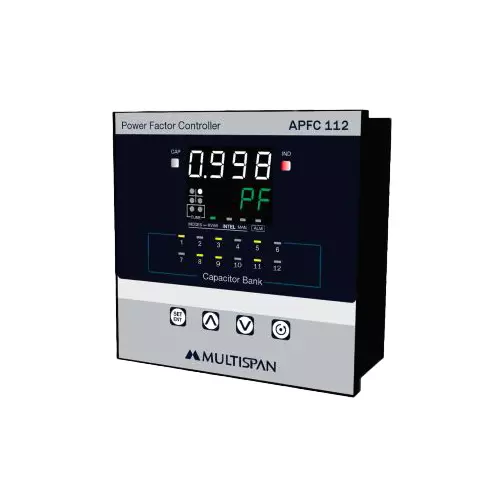
https://paneltechsystems.co.ke/#apfc-112
What is an APFC Panel?
An APFC (Automatic Power Factor Correction) panel is a system that automatically adjusts electrical load conditions to improve power factor. It reduces energy waste and prevents utility penalties.
The APFC system detects reactive power in real time and switches capacitor banks in or out to balance the load. This keeps the power factor close to ideal levels.
These systems are commonly used in industrial environments alongside:
https://paneltechsystems.co.ke/products/vfd-drives/
and other energy optimization solutions.
How APFC Panels Save Money
APFC panels reduce electricity bills by improving power factor and eliminating penalties from utility providers. They also improve system efficiency and reduce energy losses.
When power factor is low, industries draw more current than necessary. This increases demand charges from utilities like KPLC.
By installing APFC systems, companies can:
- Reduce energy wastage
- Avoid power factor penalties
- Lower transformer and cable losses
- Improve overall system efficiency
These savings are especially significant in high-load environments supported by:
https://paneltechsystems.co.ke/#motor-control-panels
Where APFC Panels Are Used in Kenya
APFC panels are widely used in Kenyan industries that operate heavy electrical loads such as motors, pumps, and compressors. They are essential for cost control and energy efficiency.
Common applications include:
- Manufacturing plants
- Water pumping stations
- Commercial buildings
- Processing industries
- Agricultural equipment systems
In these environments, APFC systems are often integrated with solutions like:
https://paneltechsystems.co.ke/products/rishabh-products/
for accurate energy monitoring and control.
System Specifications of APFC Panels
APFC panels are built with capacitor banks and intelligent controllers that continuously monitor and correct power factor in real time. They are designed for industrial-grade performance.
| Parameter | Specification |
|---|---|
| System Type | Automatic Power Factor Correction |
| Control Method | Microprocessor-based relay |
| Capacitor Type | Heavy-duty power capacitors |
| Switching | Contactors / Thyristor switching |
| Enclosure | Powder-coated steel / IP-rated cabinet |
| Voltage Rating | 415V AC (typical industrial supply) |
| Standards | IEC 61439, IEC 60831 |
These systems are typically installed in structured electrical environments like:
https://paneltechsystems.co.ke/products/low-voltage-panels/
Benefits of Power Factor Correction (PFC Basics)
Power factor correction improves electrical efficiency by reducing wasted reactive power. This leads to lower operational costs and better system stability.
Key benefits include:
- Lower monthly electricity bills
- Reduced strain on electrical infrastructure
- Improved voltage stability
- Increased equipment lifespan
- Reduced transformer losses
In industrial systems managed by Paneltech Systems Ltd, these benefits contribute directly to long-term operational savings.
Common Misconceptions About APFC Systems
Many people believe APFC panels generate power savings directly, but in reality they optimize how existing power is used. The savings come from efficiency, not energy creation.
Another misconception is that APFC systems are only needed in large factories. In reality, any facility with significant inductive load can benefit from power factor correction.
These systems are especially effective when combined with automation solutions like:
https://paneltechsystems.co.ke/#multispan-components
The Financial Impact of Poor Power Factor
Poor power factor increases electricity bills because utilities must supply more current for the same amount of useful work. This leads to penalties and higher operational costs.
In Kenya’s industrial sector, this can significantly impact monthly expenses, especially in facilities with heavy motor loads. Over time, these losses accumulate into substantial financial waste.
Installing APFC systems helps eliminate these unnecessary costs and improves overall energy efficiency.
Conclusion: Why APFC is a Smart Financial Investment
APFC panels are a cost-saving investment that improve electrical efficiency by reducing reactive power. They directly lower electricity bills and improve system performance.
In modern industrial operations, power factor correction is not optional—it is a financial strategy. Businesses that adopt APFC systems gain long-term savings and improved electrical reliability.
As Kenya’s industrial sector grows, solutions like APFC systems will continue to play a critical role in reducing energy waste and improving profitability.
Contact Paneltech Systems Ltd
Powering Kenya's Future with Reliable Electrical Solutions
Email: [email protected]
Phone: 0799 531765
Location: Nairobi, Kenya
Website: https://paneltechsystems.co.ke/
Our Specialized Services:
- Low Voltage (LV) Panels & APFC Panels
- VFD Drive Solutions & ATS / MTS Systems
- Solar Power & EV Charging Infrastructure
- Electrical Supplies & Engineering Consultations