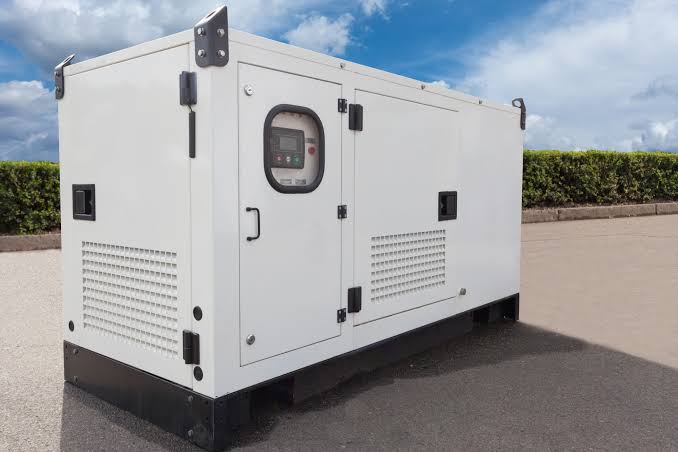
APFC Panels Kenya | Power Factor Correction and Energy Savings
APFC Panels in Kenya are automated power factor correction systems that improve electrical efficiency, reduce energy costs, and enhance power stability for industrial and commercial facilities

Why Power Efficiency Matters in Kenya
Across Kenya’s rapidly growing industrial and commercial sectors, one silent but costly challenge continues to affect businesses—poor power factor. Many factories, malls, hospitals, and apartment complexes in cities like Nairobi, Mombasa, Kisumu, and Eldoret suffer from high electricity bills, transformer overloads, and frequent penalties from utility providers due to inefficient power usage.
This is where APFC Panels (Automatic Power Factor Correction Panels) become a game-changing solution.
Related Products

PFC
Power Factor Correction panels designed to improve power quality and reduce energy costs in industrial installations.
View Product
APFC 112
Multispan APFC 112 automatic power factor controller for reactive power compensation and energy optimisation.
View Product
Feeder Pillar Panels
Feeder pillar panels providing reliable power distribution solutions for outdoor and indoor industrial and commercial applications.
View Product
Panels For Data Centers
Specialised low voltage panels designed for data centre power distribution, ensuring high reliability and redundancy.
View ProductAn APFC panel automatically regulates reactive power in electrical systems, improving efficiency, reducing electricity costs, and ensuring stable power distribution. In a country where energy reliability and cost control are critical, APFC systems are no longer optional—they are essential for industrial survival and competitiveness.
At Panel Tech Systems, we design and supply high-performance APFC solutions engineered for East Africa’s demanding electrical environments.
Explore our ecosystem:
- Panel Tech Systems Kenya homepage
- our electrical panel products
- browse APFC and electrical solutions in our shop
- contact our electrical engineers in Nairobi
What is an APFC Panel? (Automatic Power Factor Correction System)
An APFC panel is an intelligent electrical control system designed to automatically maintain the desired power factor by switching capacitor banks ON or OFF depending on load conditions.
Core Function
It compensates for reactive power (kVAR) generated by inductive loads such as:
- Motors
- Transformers
- Industrial machines
- HVAC systems
Simple Explanation
Instead of electricity being wasted as reactive power, APFC panels ensure more of it is converted into usable active power (kW), improving efficiency.
Why it matters in Kenya
Many industries in Kenya operate:
- Heavy machinery in manufacturing plants
- Large HVAC systems in malls and hospitals
- Water pumping systems in agriculture
All these create poor power factor conditions—making APFC systems essential.
How APFC Panels Work
APFC panels operate using a feedback loop system:
Step-by-Step Operation
- The power factor controller continuously monitors electrical load.
- It detects lagging or leading power factor conditions.
- It automatically switches capacitor banks ON or OFF.
- Reactive power is compensated in real-time.
- The system stabilizes power factor close to unity (1.0).
Key Components
- Power factor controller
- Capacitor banks
- Contactors or thyristor switches
- MCBs/MCCBs for protection
- CT (Current Transformers)
Benefits of APFC Panels in Kenya
1. Reduced Electricity Bills
Utility companies in Kenya charge penalties for low power factor. APFC panels eliminate these penalties.
2. Improved Energy Efficiency
Reduces wasted reactive power, improving system efficiency by up to 30–40%.
3. Increased Equipment Lifespan
Stable voltage reduces stress on motors and transformers.
4. Lower Transformer Loading
Frees up capacity in distribution transformers.
5. Compliance with Utility Standards
Ensures adherence to Kenya Power power factor requirements.
Applications of APFC Panels in East Africa
APFC panels are widely used across:
Industrial Sector
- Manufacturing plants in Nairobi Industrial Area
- Food processing factories in Mombasa
Commercial Buildings
- Shopping malls
- Office complexes
- Hotels
Healthcare Facilities
- Hospitals in Kisumu and Eldoret
- Diagnostic centers
Residential Complexes
- High-rise apartments
- Gated communities
Common Mistakes in Power Factor Correction
Many facilities in Kenya struggle due to poor implementation:
- Incorrect capacitor sizing
- Using manual capacitor banks instead of APFC systems
- Ignoring harmonic distortion
- Poor maintenance schedules
- Lack of load analysis before installation
These mistakes lead to system failure and continued energy losses.
Cost Considerations of APFC Panels in Kenya
The cost of APFC systems depends on:
- Load capacity (kVAR rating)
- Number of steps in capacitor bank
- Automation level
- Harmonic filtering requirements
Typical Cost Drivers
- Industrial systems are higher due to complexity
- Small commercial systems are more affordable
- Custom engineering increases upfront cost but reduces long-term losses
Despite initial investment, most Kenyan industries recover costs within 12–24 months through energy savings.
Technical Engineering Insights (Expert Section)
APFC panels must comply with international standards such as:
- IEC 61439 – Low-voltage switchgear assemblies
- IEC 60831 – Capacitor specifications
- IEEE standards for power factor correction
Design Considerations
- Load profiling before design
- Harmonic analysis (critical in modern industries)
- Step-based capacitor switching strategy
- Thermal management in Kenya’s hot climate
Why Engineering Matters in Kenya
Due to:
- Unstable grid conditions
- High industrial inductive loads
- Dust and humidity in coastal regions like Mombasa
APFC systems must be rugged, reliable, and properly engineered.
Explore more technical systems:
Comparison Table: APFC vs Fixed Capacitor Banks
| Feature | APFC Panels | Fixed Capacitor Banks |
|---|---|---|
| Operation | Automatic | Manual |
| Efficiency | High (dynamic correction) | Low–Moderate |
| Maintenance | Low | High |
| Cost Savings | Significant | Limited |
| Suitability | Industrial & Commercial | Small loads only |
| Risk of Overcompensation | Very Low | High |
| Kenya Utility Compatibility | Fully compliant | Often non-compliant |
Step-by-Step Guide: Choosing and Installing APFC Panels
Step 1: Load Analysis
Measure:
- Total kW demand
- Existing power factor
- Peak load conditions
Step 2: System Design
Select:
- Required kVAR compensation
- Number of capacitor steps
- Controller type
Step 3: Panel Selection
Choose APFC panel based on:
- Industrial or commercial use
- Harmonic levels
- Expansion needs
Step 4: Installation
- Install CTs on incoming supply
- Connect capacitor banks
- Configure controller settings
Step 5: Testing & Commissioning
- Verify power factor improvement
- Check switching response
- Monitor temperature and load stability
For expert installation:
Why APFC Panels Are Important in Kenya
1. Rising Energy Costs
Electricity tariffs in Kenya continue to increase, making efficiency critical.
2. Industrial Growth
Expanding manufacturing and construction sectors demand stable power.
3. Grid Instability
Voltage fluctuations require advanced compensation systems.
4. Environmental Efficiency
Reduced energy waste supports sustainability goals across East Africa.
Frequently Asked Questions About APFC Panels in Kenya
1. What is an APFC panel used for?
It automatically improves power factor by controlling capacitor banks in electrical systems.
2. Why is power factor correction important in Kenya?
Because poor power factor leads to higher electricity bills and utility penalties.
3. How does an APFC panel save energy?
By reducing reactive power and optimizing electrical efficiency.
4. Where are APFC panels commonly used?
Factories, malls, hospitals, offices, and large residential buildings.
5. How long does an APFC panel last?
Typically 8–15 years with proper maintenance.
6. Do APFC panels work in all industries?
Yes, especially in industries with heavy inductive loads.
7. What is the cost of APFC panels in Kenya?
It varies depending on system size, usually from small commercial setups to large industrial installations.
8. Can APFC panels reduce electricity bills?
Yes, significantly—often by 10–30% depending on usage.
Conclusion
APFC panels are a critical solution for modern electrical systems in Kenya and across East Africa. As industries expand and energy costs rise, businesses must adopt intelligent power management systems to remain competitive.
From manufacturing plants in Nairobi to hospitals in Kisumu and industrial zones in Mombasa, APFC technology ensures:
- Stable power factor
- Lower operational costs
- Improved equipment performance
- Long-term energy efficiency
At Panel Tech Systems, we provide engineered APFC solutions designed for reliability, compliance, and performance in demanding African environments.
Whether you need a single distribution board or a full industrial electrical installation, our team of certified engineers is ready to deliver a tailored solution.
✔ IEC-Certified Electrical Panels
✔ End-to-End Engineering Solutions
✔ Trusted Across Kenya & East Africa
Call Us: 0799 531765
Email: [email protected]
Visit Us: Nairobi, Kenya