AUM Towers Project | Electrical Installation & Power Systems Kenya
The AUM Towers Project in Kenya showcases a complete commercial electrical installation designed to deliver safe, reliable, and efficient power distribution for a high-rise building in Nairobi. The system includes LV switchgear, sub-distribution boards, backup power integration

Modern commercial skyscrapers in Kenya demand highly reliable, efficient, and safe electrical infrastructure to support continuous operations. The AUM Towers project in Kenya represents a critical example of advanced electrical installation designed to meet the growing power needs of high-rise commercial buildings in Nairobi’s expanding urban skyline.
As commercial developments increase across Nairobi, Mombasa, and other fast-growing cities in East Africa, the need for stable and well-engineered electrical systems has become essential. High-rise buildings like AUM Towers require precision-designed power distribution systems to ensure uninterrupted energy supply, safety compliance, and operational efficiency.
To explore similar engineering solutions:
Electrical Products & Systems Overview
Commercial Electrical Solutions
Shop Electrical Panels & Components
OVERVIEW OF THE AUM TOWERS ELECTRICAL PROJECT
The AUM Towers electrical installation project involves the design, supply, installation, testing, and commissioning of a complete building power distribution system.
Key Objectives:
- Ensure uninterrupted power supply across all floors
- Implement safe LV (Low Voltage) distribution systems
- Integrate backup power systems (generators & UPS)
- Provide energy-efficient electrical infrastructure
- Comply with international IEC standards
This project is a benchmark for commercial electrical systems in Kenya, especially in high-rise developments.
WHAT IS INCLUDED IN A COMMERCIAL ELECTRICAL INSTALLATION PROJECT?
A project like AUM Towers includes multiple integrated systems working together:
Core Electrical Systems:
- Main incoming power distribution from utility grid
- Low Voltage (LV) switchgear systems
- Sub-distribution boards for each floor
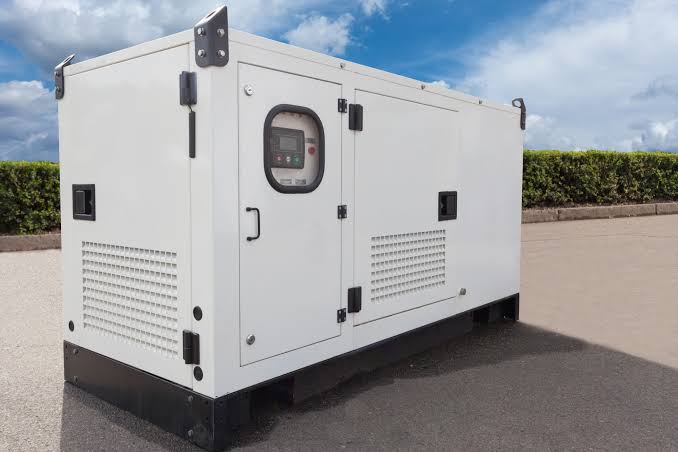
- Emergency power systems (generators & ATS)
- UPS systems for critical loads
- Lighting and power circuits
Supporting Infrastructure:
- Cable management systems (trunking & conduits)
- Earthing and lightning protection systems
- Fire alarm electrical integration
- Energy monitoring systems
HOW DOES ELECTRICAL DISTRIBUTION WORK IN HIGH-RISE BUILDINGS?
In buildings like AUM Towers, electrical power is distributed in a structured hierarchy.
Power Flow System:
- Utility power enters main LV switchgear room
- Power is regulated and protected at main distribution panel
- Vertical risers distribute power to each floor
- Sub-distribution boards control floor-level circuits
- Final circuits supply lighting, sockets, HVAC, and equipment
For related system integration:
Electrical Distribution Solutions Kenya
Multispan Control Systems
KEY COMPONENTS USED IN THE AUM TOWERS PROJECT
A commercial electrical installation of this scale includes advanced switchgear and protection systems:
- Main LV switchgear panels
- MCCBs and ACBs for protection
- Busbar trunking systems
- Sub-distribution boards
- Automatic Transfer Switch (ATS) panels
- Surge protection devices (SPDs)
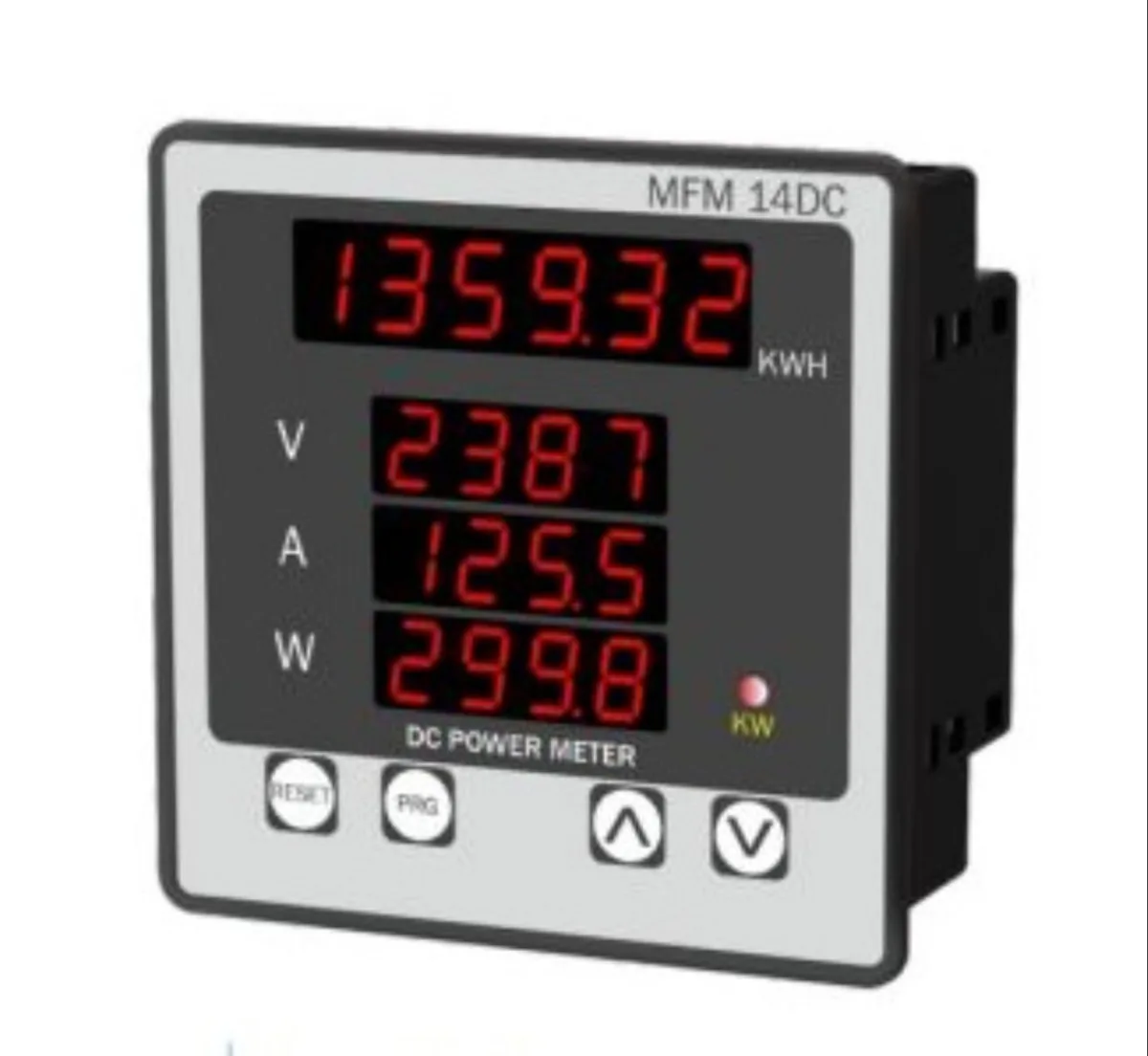
- Energy meters and monitoring systems
Engineering Materials:
- Copper busbars for high conductivity
- Fire-resistant cables
- IP-rated electrical enclosures
- Galvanized cable trays
BENEFITS OF PROFESSIONAL ELECTRICAL INSTALLATION IN KENYA
1. Reliable Power Supply
Ensures uninterrupted operations in commercial buildings.
2. Safety Compliance
Reduces risks of electrical faults, fire hazards, and overloads.
3. Energy Efficiency
Optimized distribution reduces energy wastage and operational costs.
4. Scalability
Allows future expansion of electrical systems in growing developments.
5. System Integration
Supports HVAC, security, elevators, and automation systems.
APPLICATIONS OF COMMERCIAL ELECTRICAL SYSTEMS
Electrical installations like those in AUM Towers are essential in:
Commercial Buildings
- Office towers
- Business complexes
- Shopping malls
Institutional Facilities
- Universities
- Government buildings
- Hospitals
Mixed-Use Developments
- Residential-commercial hybrid towers
- Smart city infrastructure
COMMON CHALLENGES IN HIGH-RISE ELECTRICAL PROJECTS
In Kenya and East Africa, electrical installation projects face several challenges:
- Voltage fluctuations from grid supply
- Space constraints in electrical rooms
- Heat buildup in enclosed switchgear areas
- Cable overload risks in dense buildings
- Coordination between multiple engineering systems
Proper engineering design ensures these issues are mitigated effectively.
COST FACTORS IN COMMERCIAL ELECTRICAL INSTALLATIONS
The cost of projects like AUM Towers depends on:
- Building height and load demand
- Complexity of distribution system
- Quality of switchgear and components
- Backup power requirements
- Automation and monitoring integration
Market Context (Kenya):
- Nairobi high-rise buildings require premium-grade systems
- Coastal regions require corrosion-resistant materials
- Industrial zones require higher load capacity systems
TECHNICAL EXPERT INSIGHTS (ELECTRICAL ENGINEERING VIEW)
Commercial electrical installations must meet strict engineering standards for safety and performance.
IEC Compliance:
- IEC 61439 – Switchgear assemblies
- IEC 60364 – Building electrical installations
- IEC 60947 – Protection devices
Design Considerations:
- Load diversity factor calculations
- Short circuit analysis
- Voltage drop optimization
- Fire safety integration
- Redundancy for critical systems
Environmental Factors in Kenya:
- High temperatures in Nairobi affect thermal load management
- Humidity in coastal regions affects insulation durability
- Dust in construction zones impacts panel longevity
COMPARISON TABLE
| Feature | Small Commercial Building | High-Rise Building (AUM Towers Type) |
|---|---|---|
| Power Demand | Low–Medium | High |
| Distribution System | Simple DBs | LV switchgear + busbars |
| Backup Systems | Basic generator | Generator + UPS + ATS |
| Scalability | Limited | Highly scalable |
| Monitoring | Minimal | Advanced energy management |
| Safety Systems | Standard | Advanced IEC-compliant systems |
STEP-BY-STEP GUIDE: COMMERCIAL ELECTRICAL INSTALLATION PROCESS
Step 1: Load Assessment
Determine total building power requirements including future expansion.
Step 2: System Design
Design LV distribution, risers, and protection systems.
Step 3: Equipment Selection
Choose switchgear, cables, and protection devices.
Step 4: Installation
- Install main LV panels
- Set up riser systems
- Connect sub-distribution boards
Step 5: Testing & Commissioning
- Insulation testing
- Load balancing
- System integration checks
For expert support:
Contact Engineering Team
WHY ELECTRICAL INSTALLATION PROJECTS LIKE AUM TOWERS MATTER IN KENYA
Kenya’s urban development is rapidly expanding, especially in Nairobi’s commercial zones. High-rise buildings like AUM Towers require:
- Stable and reliable power systems
- Safe and compliant electrical infrastructure
- Efficient energy management systems
- Integration with modern smart building technologies
These systems support economic growth and urban modernization across East Africa.
FREQUENTLY ASKED QUESTIONS ABOUT AUM TOWERS ELECTRICAL PROJECT
1. What type of electrical system is used in AUM Towers?
It uses a structured LV power distribution system with switchgear, sub-boards, and backup systems.
2. Why is electrical installation important in high-rise buildings?
It ensures safe, reliable, and continuous power supply across all floors.
3. What backup systems are used in commercial buildings?
Generators, ATS systems, and UPS backups are commonly used.
4. Are these systems energy efficient?
Yes, they are designed to optimize power usage and reduce wastage.
5. What standards are followed in Kenya?
IEC 60364, IEC 61439, and other international electrical standards.
6. Can the system be expanded in the future?
Yes, modern systems are designed for scalability.
7. What industries benefit from such installations?
Offices, malls, hospitals, and mixed-use developments.
8. Who installs these systems in Kenya?
Certified electrical engineering companies specializing in commercial installations.
CONCLUSION
The AUM Towers electrical installation project demonstrates the importance of advanced, reliable, and scalable electrical systems in Kenya’s modern commercial infrastructure. With increasing demand for high-rise buildings in Nairobi and across East Africa, professionally engineered power distribution systems are essential for safety, efficiency, and long-term performance.
Projects like AUM Towers set the standard for future commercial electrical developments in the region.
Power Your Project with Panel Tech Systems Today!
Whether you need a single distribution board or a full industrial electrical installation, our team of certified engineers is ready to deliver a tailored solution.
✔ IEC-Certified Electrical Panels
✔ End-to-End Engineering Solutions
✔ Trusted Across Kenya & East Africa
Call Us: 0799 531765
Email: [email protected]
Visit Us: Nairobi, Kenya