Busbar Systems for Industrial Switchgear – Power Distribution in Kenya
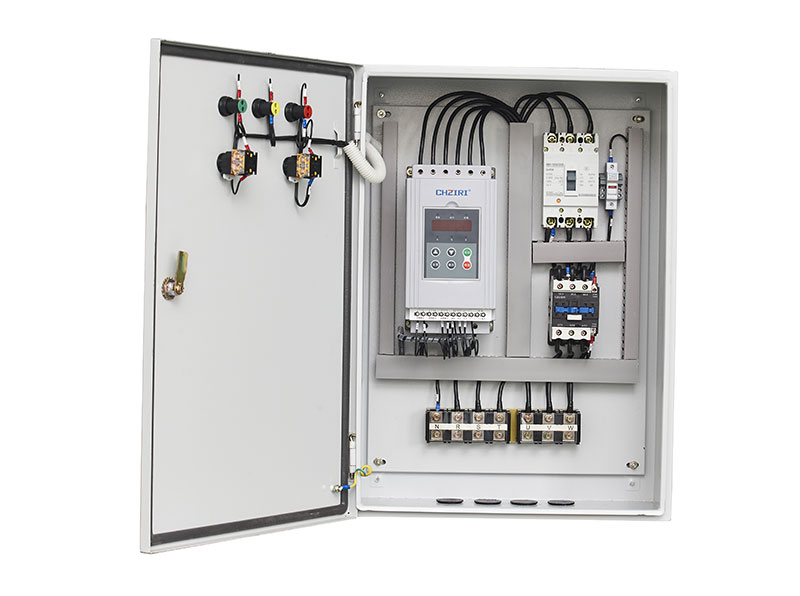
Busbar systems in Kenya provide safe and efficient power distribution for industrial switchgear. They improve reliability, reduce cable clutter, and support scalable electrical infrastructure in factories, plants, and commercial facilities across East Africa.
Introduction
Industrial facilities across Kenya are experiencing rapid expansion, particularly in manufacturing zones such as Nairobi Industrial Area, Athi River, Mombasa Special Economic Zone, and Eldoret agro-processing hubs. With this growth comes increasing demand for safe, efficient, and scalable electrical distribution infrastructure.
One of the most critical components enabling this reliability is the use of busbar systems in Kenya, which form the backbone of modern switchgear assemblies and power distribution systems.
Traditional cable-based wiring methods are increasingly being replaced with structured electrical busbars due to their higher efficiency, improved safety, and ability to handle large electrical loads with minimal losses. In industrial environments where downtime is costly, busbar-based switchgear solutions provide superior performance and long-term reliability.
What Are Busbar Systems?
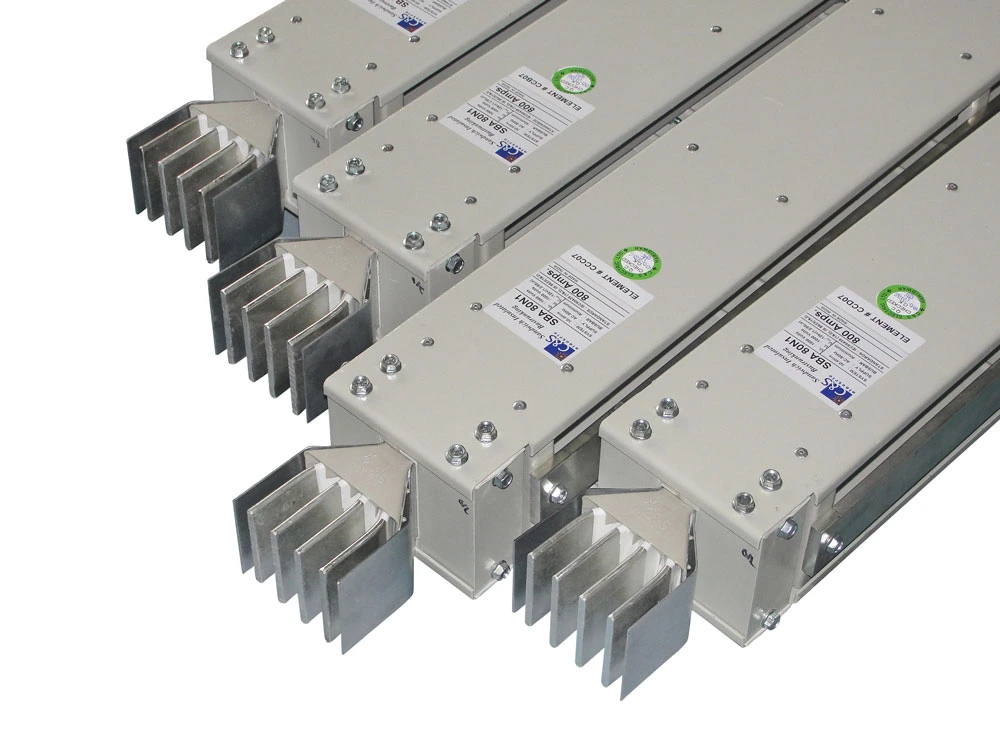
Busbar systems are metallic conductive bars, typically made of copper or aluminum, used to distribute electrical power within switchgear assemblies.
They act as centralized conductors that carry high current from incoming supply sources to outgoing circuits in a controlled and organized manner.
In modern industrial electrical components, busbars replace complex cable bundles, simplifying design while improving efficiency and maintenance accessibility.
Busbar systems are widely used in:
- Low voltage switchgear panels
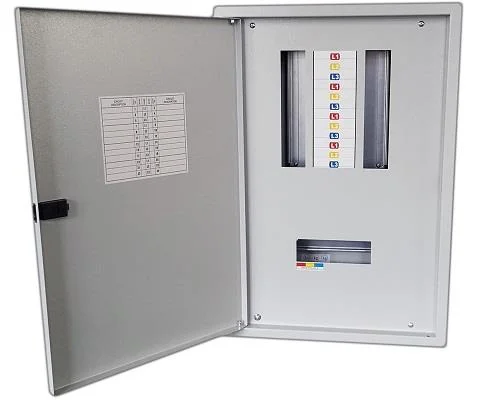
- Distribution boards
- Power control centers
- Industrial automation systems
They form a core part of modern power distribution systems used in factories and commercial facilities across Kenya.
Explore related solutions at https://paneltechsystems.co.ke/products/
Importance of Busbar Systems in Kenya
The adoption of busbar systems Kenya is increasing due to specific industrial and infrastructural challenges.
Growing industrial demand
Kenya’s manufacturing sector is expanding, requiring scalable and reliable switchgear solutions for high-load operations.
Power reliability challenges
Voltage fluctuations and inconsistent supply in some regions require robust distribution systems that minimize losses and improve stability.
Space optimization needs
Industrial plants in Nairobi and Mombasa often face limited space in electrical rooms. Busbars reduce clutter compared to traditional cabling.
Maintenance efficiency
Busbar systems simplify inspection and fault detection, reducing downtime in critical operations.
For system integration solutions, visit https://paneltechsystems.co.ke/home-main/
How Busbar Systems Work
Busbar systems operate as centralized conductors within switchgear assemblies.
Operational principle:
- Incoming electrical supply enters the switchgear system
- Power is transferred to the main busbar assembly
- Busbars distribute current to multiple outgoing feeders
- Circuit protection devices regulate and isolate faults
This structured approach improves control over power distribution systems and reduces energy losses caused by long cable runs.
P=VIP = VIP=VI
This fundamental electrical relationship shows how busbars efficiently manage power transfer by maintaining stable voltage (V) and current (I) across industrial systems.
Key Components of Busbar Systems
Modern electrical busbars used in industrial switchgear include:
- Main busbars (copper or aluminum)
- Insulated supports and mounting structures
- Busbar chambers and enclosures
- Circuit breakers and protection devices
- Phase separators and insulation barriers
- Incoming and outgoing feeder connections
These components are engineered as part of integrated industrial electrical components within switchgear panels.
For detailed product configurations, visit https://paneltechsystems.co.ke/products/#solutions
Applications of Busbar Systems in Kenya
Busbar-based switchgear solutions are widely used across multiple sectors:
Industrial facilities
Manufacturing plants use busbars for heavy machinery, production lines, and automation systems.
Commercial buildings
Shopping malls, office complexes, and hospitals rely on structured power distribution systems for stable electricity supply.
Infrastructure projects
Water treatment plants, transport hubs, and public utilities depend on busbars for reliable electrical distribution.
Data and telecom facilities
Server rooms use compact busbar systems to ensure stable and uninterrupted power flow.
For procurement options, visit https://paneltechsystems.co.ke/shop/
Benefits of Busbar Systems
High current carrying capacity
Busbars handle large electrical loads efficiently compared to conventional cables.
Improved safety
Reduced risk of overheating and fire hazards in switchgear solutions.
Space efficiency
Compact design reduces panel size and improves organization of industrial electrical components.
Lower power losses
Shorter conductive paths improve efficiency in power distribution systems.
Easier maintenance
Simplified inspection and fault detection compared to cable systems.
Scalability
Easy expansion of electrical networks without major redesign.
Common Mistakes in Busbar Installation
Improper installation of electrical busbars can lead to system inefficiencies:
- Incorrect sizing of busbar cross-section
- Poor insulation and spacing
- Inadequate thermal management
- Improper torqueing of connections
- Lack of compliance with IEC standards
Professional engineering design is essential for safe and efficient performance.
For expert consultation, visit https://paneltechsystems.co.ke/contact/
Technical Engineering Insights
Busbar systems used in Kenya must comply with IEC 61439 standards for low-voltage switchgear assemblies.
Key engineering considerations include:
- Thermal stability under full load conditions
- Short-circuit withstand capability
- Material selection (copper vs aluminum)
- Proper derating for ambient temperature conditions
- Mechanical strength and vibration resistance
In high-demand environments such as factories in Nairobi and Mombasa, correct design ensures long-term reliability of switchgear solutions.
For advanced systems, visit https://paneltechsystems.co.ke/multispan/
Comparison Table: Busbar Systems vs Cable Wiring
| Feature | Busbar Systems | Cable Wiring |
|---|---|---|
| Space utilization | Compact | Bulky |
| Heat dissipation | Efficient | Moderate |
| Maintenance | Easy | Difficult |
| Scalability | High | Limited |
| Installation time | Faster | Slower |
| Cost efficiency | Long-term savings | Higher lifecycle cost |
Step-by-Step Guide: Selecting Busbar Systems
Step 1: Load assessment
Determine total current requirements for the power distribution system.
Step 2: Material selection
Choose between copper or aluminum based on load and budget.
Step 3: System design
Integrate busbars into switchgear solutions based on layout requirements.
Step 4: Environmental analysis
Consider heat, humidity, and dust conditions in Kenyan industrial environments.
Step 5: Protection coordination
Ensure compatibility with circuit breakers and protection devices.
Step 6: Installation and testing
Verify insulation resistance, torque settings, and thermal performance.
Frequently Asked Questions About Busbar Systems in Kenya
What are busbar systems used for?
They are used to distribute electrical power within switchgear assemblies.
Why are busbar systems preferred in Kenya?
They improve reliability and efficiency in industrial power distribution.
What materials are used in electrical busbars?
Copper and aluminum are the most commonly used materials.
Are busbar systems better than cable systems?
Yes, they offer better efficiency, safety, and space optimization.
Where are busbar systems used in Kenya?
Factories, hospitals, malls, and infrastructure projects use them widely.
Do busbar systems require maintenance?
They require minimal maintenance compared to cable-based systems.
Are they suitable for high-load industries?
Yes, they are designed for heavy industrial applications.
Do busbars improve energy efficiency?
Yes, they reduce power losses in distribution systems.
Conclusion
Busbar systems are a fundamental component of modern switchgear solutions and power distribution systems in Kenya. Their ability to efficiently manage high electrical loads, improve safety, and reduce system complexity makes them essential in industrial and commercial applications.
As Kenya continues to industrialize, the demand for reliable electrical busbars and structured industrial electrical components will continue to grow, supporting stable and scalable energy infrastructure across the region.
Power Your Project with Panel Tech Systems Today!
Whether you need a single distribution board or a full industrial electrical installation, our team of certified engineers is ready to deliver a tailored solution.
✔ IEC-Certified Electrical Panels
✔ End-to-End Engineering Solutions
✔ Trusted Across Kenya & East Africa
Call Us: 0799 531765
Email: [email protected]
Visit Us: Nairobi, Kenya