Cold Room Control Panel Kenya: Refrigeration Panel Design Guide
A cold room control panel Kenya facility can rely on coordinates compressors, evaporator fans, defrost systems, temperature controls, motor protection and alarms. Learn the key design requirements for reliable cold-storage electrical systems.
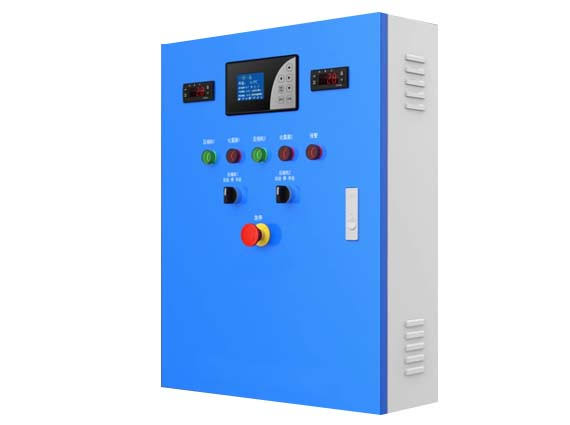
A cold room control panel Kenya installation uses coordinated electrical protection and control logic to operate refrigeration compressors, evaporator fans, defrost systems, temperature controls and alarms. The panel should be designed around the refrigeration equipment, operating temperature, electrical load, environmental conditions and required monitoring functions.
Cold rooms and refrigeration plants cannot be treated like ordinary electrical loads. They often operate continuously, and a failure in the electrical control system can quickly affect stored products, production schedules and business operations.
A properly designed refrigeration control panel provides the interface between the incoming electrical supply and the refrigeration equipment. It can coordinate compressors, condenser fans, evaporator fans, heaters, solenoid valves, temperature controllers and alarm systems.
For Kenyan cold-storage facilities, the design should also consider voltage fluctuations, ambient temperatures, dust, humidity and the availability of maintenance support.
Paneltech Systems Ltd provides LV panels and electrical solutions for commercial and industrial applications.
What Is a Cold Room Control Panel Kenya System?
A cold room control panel Kenya system is an electrical enclosure containing the protection, switching, control and monitoring equipment needed to operate refrigeration equipment safely. Its functions can include compressor control, fan control, defrost sequencing, temperature monitoring, alarms and emergency shutdown.
The panel can contain a combination of:
- MCCBs
- MCBs
- Contactors
- Overload relays
- Phase-failure protection
- Phase-sequence protection
- Temperature controllers
- Timers
- Relays
- Motor protection devices
- Control transformers or power supplies
- Indicator lamps
- Emergency-stop circuits
- Alarm systems
- PLCs
- HMI interfaces
- Communication modules
The exact configuration depends on the refrigeration system.
A small walk-in cold room may require a relatively straightforward control panel, while a large cold-storage warehouse may require multiple compressors, evaporators, variable-speed drives and automated sequencing.
Why Cold Room Control Panels Are Important
A refrigeration control panel protects electrical equipment while coordinating the operating sequence required to maintain the specified temperature. Proper control reduces unnecessary equipment cycling and helps operators identify faults before they cause extended downtime.
A refrigeration system may include several motors and electrical loads.
For example:
Incoming supply → Main protection → Compressor starter → Compressor motor
At the same time:
Control circuit → Temperature controller → Contactors/relays → Fans, valves and defrost equipment
The panel brings these functions together.
Without appropriate control logic, refrigeration equipment may experience:
- Excessive cycling
- Compressor overload
- Phase failure
- Incorrect defrost operation
- Fan failure
- High-pressure trips
- Low-pressure trips
- Temperature excursions
- Unnecessary energy consumption
Main Components of a Refrigeration Control Panel
The main components normally include circuit protection, motor starters or drives, overload protection, control devices, temperature monitoring and alarm circuits. The final component selection should match the compressor, fans, heaters and refrigeration controls specified by the system designer.
1. Main Isolator or MCCB
The incoming protection device provides isolation and overcurrent protection for the panel.
2. MCBs
Separate MCBs may protect control circuits, lighting, auxiliary equipment and other smaller loads.
3. Contactors
Contactors allow the control system to switch compressors, fans and other electrical loads.
4. Overload Relays
Motor overload protection helps protect compressors and fans against sustained overcurrent conditions.
5. Phase Protection
Three-phase refrigeration equipment can benefit from:
- Phase-loss protection
- Phase-sequence protection
- Voltage monitoring
6. Temperature Controller
The controller receives information from a temperature sensor and determines when cooling or other control actions are required.
7. Defrost Timer or Controller
Defrost control initiates and terminates defrost cycles according to the refrigeration design.
8. Alarm System
Alarms can indicate conditions such as:
- High temperature
- Compressor trip
- Fan fault
- High pressure
- Low pressure
- Door open
- Emergency stop
Compressor Control in a Cold Room Panel
Compressor control is one of the most important functions of a refrigeration panel because the compressor is often the largest electrical load in the system. Protection and control should account for motor starting current, overload conditions, cycling and refrigeration-system requirements.
The panel may control:
- Single compressor
- Multiple compressors
- Duty/standby compressors
- Staged compressor operation
- Variable-speed compressors
For multiple compressors, sequencing can help distribute operating hours.
For example:
Compressor 1 → Lead
Compressor 2 → Assist
Compressor 3 → Additional capacity
The control strategy should be established by the refrigeration system designer.
Defrost Control Logic
Defrost control prevents excessive ice accumulation on evaporators that can reduce airflow and refrigeration performance. Depending on the system, the panel may control electric heaters, hot-gas defrost, fan operation and defrost termination.
A typical electric-defrost sequence may include:
- Initiate defrost
- Stop compressor
- Control evaporator fans
- Energise defrost heater
- Monitor defrost termination
- End defrost
- Allow drain-down period
- Restart refrigeration
- Restart fans after appropriate delay
The actual sequence depends on the refrigeration equipment.
Poorly designed defrost logic can result in:
- Excessive energy consumption
- High product temperatures
- Water accumulation
- Ice formation
- Heater damage
- Unnecessary compressor operation
Cold Room Temperature Control
Temperature control determines when refrigeration equipment operates and helps maintain the required storage temperature. The controller and sensors must be correctly selected, positioned and configured for the cold-room application.
Different facilities have different temperature requirements.
Examples include:
- Chilled storage
- Frozen food
- Meat storage
- Fish storage
- Pharmaceutical cold storage
- Agricultural produce
- Ice production
The control system should therefore be designed around the specified temperature range rather than using a generic setting.
Temperature sensors should also be positioned appropriately.
A sensor exposed directly to cold discharge air may provide a different reading from one measuring the representative room temperature.
High-Temperature Alarm
A high-temperature alarm provides an early warning when the cold room moves outside its acceptable operating range. Alarm thresholds should be established according to the stored product and operational requirements.
The alarm system may provide:
- Local visual indication
- Audible alarm
- Remote notification
- BMS integration
- SMS or internet alerts where supported
A useful alarm strategy can distinguish between:
Warning → Critical Alarm → Emergency Response
This allows operators to respond before product quality is seriously affected.
Door-Open Monitoring
Door-open monitoring can help identify unnecessary heat infiltration and abnormal operating conditions. A door switch can provide an input to the control system and trigger an alarm when the door remains open beyond a defined period.
An open cold-room door allows warm and humid air to enter.
This can contribute to:
- Increased refrigeration load
- Ice formation
- Higher energy consumption
- Temperature instability
- Condensation
For busy facilities, door monitoring can therefore be a useful control function.
Motor Protection for Refrigeration Equipment
Compressors and refrigeration fans require appropriate motor protection against overload and abnormal supply conditions. Protection settings should be based on the equipment manufacturer's requirements and the electrical design.
Potential protection includes:
- Overload protection
- Short-circuit protection
- Phase-loss protection
- Phase-sequence protection
- Under-voltage monitoring
- Over-voltage monitoring
- Locked-rotor protection where applicable
The correct protection depends on the motor and refrigeration equipment.
Protection settings should never simply be copied from another installation.
Variable Frequency Drives for Refrigeration
Variable frequency drives can provide speed control for suitable refrigeration motors and fans, allowing the system to adjust capacity according to operating conditions. VFD application must consider motor compatibility, harmonics, cooling and the refrigeration manufacturer's requirements.
VFDs can be useful for:
- Condenser fans
- Evaporator fans
- Pumps
- Compressors designed for variable-speed operation
Potential benefits include:
- Reduced starting current
- Speed control
- Improved process control
- Energy savings under suitable operating conditions
Paneltech Systems provides VFD drive solutions for applications where variable-speed control is appropriate.
Refrigeration Panels and Power Stability in Kenya
Cold-storage facilities in Kenya should account for variations in the electrical supply because compressors and other motors can be sensitive to abnormal voltage and phase conditions. Proper protection and control can reduce the risk associated with unsuitable supply conditions.
A refrigeration panel may therefore incorporate:
- Phase monitoring
- Under-voltage protection
- Over-voltage protection
- Phase-sequence monitoring
- Motor protection
- Appropriate surge protection
For larger facilities, engineers may also consider:
- Generator supply
- Automatic transfer systems
- UPS supply for controls
- Remote monitoring
- Power-quality monitoring
The appropriate solution depends on the site's electrical infrastructure.
ATS Systems for Cold Storage Facilities
Where refrigeration continuity is critical, an automatic transfer system can transfer the facility or selected refrigeration loads between available power sources. The ATS should be sized and configured according to the generator and refrigeration load characteristics.
A typical arrangement may be:
Utility Supply
↓
ATS
↓
Cold Room Distribution Panel
↓
Compressors + Fans + Controls
Where a standby generator is available:
Utility → ATS ← Generator
The design should consider compressor starting characteristics and generator capacity.
Paneltech Systems also provides ATS and MTS systems as part of its electrical engineering solutions.
Cold Room Control Panel Enclosure Requirements
The enclosure should protect electrical components from the environmental conditions in which the panel is installed. Cold-room applications may involve condensation, humidity, cleaning processes and temperature variations that require appropriate enclosure selection.
Consider:
- IP rating
- Material
- Corrosion resistance
- Cable-entry method
- Ventilation
- Condensation control
- Internal temperature
- Maintenance access
The panel's environment should be assessed before selecting the enclosure.
IP54 vs IP65 for Refrigeration Applications
IP54 and IP65 provide different levels of protection against dust and water ingress, so the appropriate rating depends on where the panel is installed. IP65 generally provides greater protection against dust and water jets than IP54, but the required rating should be based on the actual environment.
| Rating | Dust Protection | Water Protection | Typical Consideration |
|---|---|---|---|
| IP54 | Limited dust ingress protection | Splashing water | General protected areas |
| IP65 | Dust-tight | Water jets | More demanding environments |
A panel installed inside a dry electrical room may not require the same protection as one exposed to washdown or humid conditions.
For coastal facilities, corrosion resistance may also need consideration because of salt-laden air.
System Specifications Table
A refrigeration control panel specification should define the electrical supply, load characteristics, protection, control functions, enclosure and applicable standards before fabrication. This provides a clear technical basis for manufacturing and inspection.
| Parameter | Typical Requirement |
|---|---|
| Application | Cold room / refrigeration plant |
| Supply | 3-phase, project specific |
| Frequency | 50 Hz |
| Control voltage | Project specific |
| Compressor load | Project specific |
| Fan load | Project specific |
| Defrost load | Project specific |
| Main protection | MCCB |
| Motor protection | Overload / electronic protection |
| Phase protection | Recommended where applicable |
| Temperature control | Digital controller / PLC |
| Defrost | Timer / controller |
| Alarms | High temperature / equipment fault |
| Communication | Modbus / Ethernet / other, if required |
| Enclosure | Steel / stainless steel as appropriate |
| IP rating | Project/environment dependent |
| Mounting | Floor / wall mounted |
| Standards | Applicable IEC/BS EN standards |
| Emergency stop | Where required |
| Generator interface | If applicable |
Cold Storage Electrical Load Considerations
Cold-room panel sizing should account for the complete connected load rather than only the compressor nameplate. Fans, heaters, pumps, controls, lighting and auxiliary equipment can all contribute to the required panel capacity.
The load schedule may include:
- Compressors
- Condenser fans
- Evaporator fans
- Defrost heaters
- Pumps
- Lighting
- Door heaters
- Control circuits
- Alarm systems
The engineer should also consider motor starting characteristics.
A compressor may have a substantially different starting demand from its normal running current.
This matters when sizing:
- MCCBs
- Contactors
- Cables
- Generators
- ATS systems
- Busbars
- VFDs
Electrical Panel Safety in Cold Rooms
Safety depends on correct isolation, overcurrent protection, motor protection, control interlocking and maintenance access. Cold-room panels should allow technicians to isolate equipment safely before maintenance.
Important features may include:
- Main isolation
- Emergency stop
- Clearly labelled circuits
- Appropriate protective devices
- Separate control and power circuits
- Lockable isolation where required
- Proper earthing
- Cable identification
- Warning labels
The panel should also be designed so that routine maintenance can be performed without unnecessary exposure to live electrical parts.
PLC-Based Refrigeration Control
PLC control becomes valuable when a refrigeration plant has multiple compressors, evaporators, pumps, alarms or operating sequences that require programmable logic. A PLC can coordinate equipment and provide structured monitoring of plant status.
A PLC can receive inputs from:
- Temperature sensors
- Pressure switches
- Door switches
- Flow switches
- Motor protection devices
- High/low-pressure controls
It can then control:
- Compressors
- Fans
- Defrost heaters
- Solenoid valves
- Pumps
- Alarms
For larger facilities, this can provide more flexible control than a collection of standalone timers and relays.
Refrigeration Panel Monitoring and Communication
Remote monitoring allows operators and facility managers to view refrigeration conditions without being physically beside the panel. Communication can also provide fault information to a BMS, SCADA or energy-management platform where required.
Possible monitored parameters include:
- Room temperature
- Compressor status
- Fan status
- Defrost status
- Alarm status
- Energy consumption
- Voltage
- Current
- Power factor
For advanced installations, meters can be integrated into the electrical panel to monitor energy performance.
Paneltech Systems can provide custom LV panel solutions for applications requiring integrated protection, control and monitoring.
Common Cold Room Control Panel Problems
Many refrigeration panel problems result from incorrect protection settings, poor control sequencing, inadequate component sizing or environmental conditions that were not considered during design. Preventive testing and commissioning can identify these issues before they become major failures.
Common problems include:
Compressor Trips Frequently
Possible causes may include:
- Overload
- Voltage problems
- Incorrect settings
- Refrigeration-system fault
- Starting issues
Defrost Does Not Operate Correctly
Possible causes include:
- Timer fault
- Heater problem
- Sensor failure
- Incorrect control sequence
Cold Room Temperature Rises
Possible causes include:
- Compressor failure
- Fan failure
- Door left open
- Refrigerant-system problem
- Sensor issue
- Electrical supply problem
The electrical panel should provide enough indication to help technicians identify the source of the fault.
Cold Room Panel Testing and Commissioning
Testing should verify electrical protection, control logic, interlocks, alarms and equipment operation before the refrigeration plant is placed into normal service. Commissioning should follow the approved electrical and refrigeration control sequence.
Testing may include:
- Visual inspection
- Cable identification
- Insulation testing where appropriate
- Continuity testing
- Protective-device verification
- Control-circuit testing
- Phase-sequence verification
- Emergency-stop testing
- Alarm testing
- Temperature-controller testing
- Defrost-sequence testing
- Compressor-start testing
- Fan operation testing
The completed panel should be tested against the approved drawings and control philosophy.
Why Custom Refrigeration Panels Are Often Better
A custom refrigeration panel can be designed around the actual compressor capacity, number of evaporators, defrost method, monitoring requirements and site conditions. This avoids forcing a complex refrigeration installation into an unsuitable generic control arrangement.
A custom design can accommodate:
- Multiple compressors
- Multiple evaporators
- Duty/standby arrangements
- VFDs
- Defrost sequencing
- Temperature alarms
- Remote monitoring
- Generator integration
- Energy metering
- Emergency-stop circuits
This is particularly useful for industrial cold-storage facilities.
Paneltech Systems Cold Room Solutions
Paneltech Systems Ltd can support the electrical panel requirements of refrigeration and cold-storage projects, including LV protection, motor control, automation and monitoring. The final panel design should be developed from the refrigeration equipment schedule and approved control philosophy.
The engineering process can include:
- Load assessment
- Electrical protection selection
- Motor-control design
- Control logic development
- Panel GA preparation
- Component selection
- Panel fabrication
- Testing
- Commissioning support
Learn more about Paneltech Systems and its electrical engineering capabilities through the company's website.
For broader technical information, visit the Paneltech Systems Knowledge Site.
Final Considerations for Cold Room Control Panels
A reliable cold room control panel Kenya installation should combine electrical protection, refrigeration control, temperature monitoring, defrost management, alarms and appropriate environmental protection. The panel should be engineered around the actual refrigeration equipment and operating conditions rather than selected as a generic enclosure.
Before approving a refrigeration control panel, confirm:
- Compressor ratings
- Fan ratings
- Defrost requirements
- Supply voltage
- Starting characteristics
- Protection settings
- Temperature sensors
- Alarm thresholds
- Emergency-stop requirements
- Enclosure rating
- Communication requirements
- Generator/ATS requirements
- Testing and commissioning procedures
A well-designed panel provides the electrical foundation for dependable cold-storage operation.
Contact Paneltech Systems Ltd
Powering Kenya's Future with Reliable Electrical Solutions
Email: [email protected]
Phone: 0799 531765
Location: Nairobi, Kenya
Website: https://paneltechsystems.co.ke/
Our Specialized Services
- Low Voltage (LV) Panels & APFC Panels
- VFD Drive Solutions & ATS / MTS Systems
- Solar Power & EV Charging Infrastructure
- Electrical Supplies & Engineering Consultations
For cold room control panel Kenya projects, refrigeration panels, motor-control systems or custom LV panel solutions, contact Paneltech Systems Ltd with your refrigeration equipment schedule, electrical load requirements and control sequence for a tailored engineering solution.