Commercial EV Chargers for Commercial Buildings and Shopping Malls in Kenya
Looking for commercial EV chargers in Kenya? Discover the best Type 2 AC and DC fast charging systems for malls and office buildings with smart billing and load balancing. Paneltech Systems delivers scalable EV infrastructure for commercial property EV integration in Nairobi and beyond.
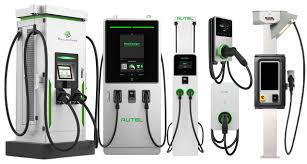
Commercial EV charging infrastructure is becoming a key differentiator for modern buildings in Kenya, especially malls, office parks, and mixed-use developments in Nairobi and other urban centers. Proper selection of EV chargers directly affects tenant attraction, revenue generation, and grid stability.
The best EV chargers for commercial buildings must balance charging speed, load management, billing integration, and compatibility with Kenya’s electrical grid constraints under KPLC supply conditions.
Related Products
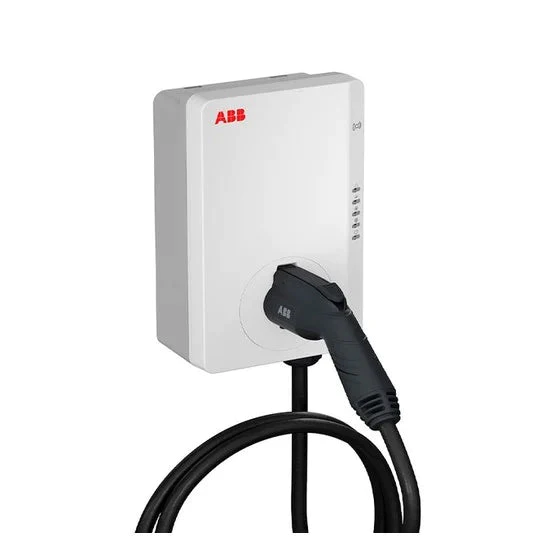
EV Chargers
ABB EV charging solutions for commercial and industrial premises, enabling reliable electric vehicle charging infrastructure.
View Product
ATS / MTS Kenya
ATS/MTS solutions from Paneltech Systems provide reliable Automatic and Manual Transfer Switches for seamless power transfer in industrial and commercial electrical systems.
View Product
Solar AC DB Combiner
Solar AC distribution board combiners for safe integration of solar power generation into the main electrical grid.
View Product
Distribution Boards
Distribution boards divide the main electrical power supply into smaller circuits while providing circuit protection for residential, commercial and industrial applications.
View ProductAs electric mobility adoption increases, property developers are no longer asking if to install EV chargers—but which systems will deliver ROI and scalability.
Explore professional electrical infrastructure solutions:
paneltechsystems
Types of EV Chargers for Commercial Buildings in Kenya
Commercial buildings in Kenya typically use a combination of AC Type 2 chargers and DC fast chargers depending on parking turnover, tenant profile, and available electrical capacity.
The most suitable EV chargers for commercial properties are Type 2 AC chargers for long-duration parking and DC fast chargers for high-turnover or premium service zones.
Common Charger Categories:
- Type 2 AC Chargers (7–22 kW)
- DC Fast Chargers (30–150 kW+)
- Smart Networked Chargers (IoT-enabled billing systems)
- Fleet Charging Systems (multi-vehicle depots)
For supporting electrical distribution systems:
low-voltage-panels
Type 2 AC Chargers for Commercial Buildings
Type 2 AC chargers are the most widely recommended EV charging solution for shopping malls, office complexes, and hospitality facilities in Kenya.
They provide efficient overnight or long-stay charging while minimizing stress on building transformers and electrical infrastructure.
Key advantages:
- Lower installation cost
- Reduced grid impact
- Ideal for long-duration parking
- Compatible with most EV models in Kenya
Typical deployment locations:
- Shopping malls (basement parking)
- Office parks
- Hotels and serviced apartments
For monitoring and measurement integration:
rishabh-products
DC Fast Chargers for High-Traffic Commercial Properties
DC fast chargers are best suited for premium commercial properties that require rapid charging turnover, such as highway-adjacent malls and urban fueling stations.
They significantly increase power demand and require dedicated transformers, advanced LV panels, and harmonic mitigation systems.
Key characteristics:
- 30–150 kW charging capacity
- 30–60 minute charge cycles
- High infrastructure requirements
- Premium revenue potential per session
Supporting automation systems:
vfd-drives
Smart EV Charging Systems and Load Management
Smart EV charging systems are essential for commercial buildings to prevent transformer overload and optimize energy distribution across multiple charging points.
These systems dynamically allocate available power between chargers, ensuring stable operation under Kenya’s variable grid conditions.
Core features:
- Dynamic load balancing
- Real-time energy monitoring
- User authentication and billing integration
- Remote charger management (IoT systems)
For advanced automation components:
#multispan-components
Electrical Infrastructure Requirements for Commercial EV Chargers
Commercial EV charger installations require upgraded electrical infrastructure including dedicated LV panels, protection systems, and properly sized transformers.
Without correct electrical design, EV chargers can cause frequent breaker trips, voltage drops, and equipment failure in commercial buildings.
Key infrastructure components:
- Dedicated EV distribution boards
- Surge protection devices (SPD Type II/III)
- Smart metering systems
- Proper earthing and grounding systems
For LV panel systems:
low-voltage-panels
Billing and Revenue Systems for EV Charging Stations
Modern EV charging infrastructure includes integrated billing systems that allow commercial buildings to monetize charging services efficiently.
Smart billing systems support pay-per-use, subscription models, and tenant-based charging allocations.
Common billing models:
- Per kWh consumption billing
- Time-based charging fees
- Flat-rate tenant charging plans
- Peak/off-peak pricing strategies
For energy monitoring integration:
#epm-14-m1
Power Capacity Planning for Commercial EV Infrastructure
Proper power capacity planning is critical before installing EV chargers in commercial buildings to avoid overloading transformers and disrupting building operations.
In Kenya, most commercial properties require transformer upgrades or load diversification strategies to support EV charging infrastructure safely.
Key planning factors:
- Transformer sizing (kVA)
- Maximum demand analysis
- Diversity factor for simultaneous charging
- Future expansion allowance (30–50%)
For electrical engineering consultation:
products
Climate and Installation Considerations in Kenya
EV chargers in Kenya must be designed for environmental durability due to varying climate conditions across regions such as Nairobi, Mombasa, and the Rift Valley.
Outdoor charging stations require IP-rated enclosures and corrosion-resistant materials to ensure long-term reliability.
Environmental requirements:
- IP54–IP65 enclosures
- UV-resistant housing
- Dust protection for inland regions
- Corrosion protection for coastal areas
For solar-integrated charging systems:
#solar-ac-db-combiner
Standards and Compliance Requirements
EV charging installations in Kenya must comply with IEC standards and local EPRA regulations to ensure safety, efficiency, and grid compatibility.
Compliance reduces electrical hazards and ensures systems are approved for commercial and industrial deployment.
Key standards:
- IEC 61851 (EV charging systems)
- IEC 60364 (low-voltage installations)
- BS EN 61439 (switchgear assemblies)
- EPRA electrical safety regulations
For technical knowledge resources:
knowledge-site
System Specifications Table: Commercial EV Charging Infrastructure
| Parameter | Specification |
|---|---|
| Rated Voltage | 400V AC (3-phase) |
| Frequency | 50Hz |
| Charger Types | Type 2 AC (7–22 kW), DC Fast (30–150 kW) |
| Transformer Capacity | 100 kVA – 2 MVA |
| Power Factor | ≥ 0.95 (with APFC support) |
| Enclosure Rating | IP54–IP65 |
| Metering System | Smart IoT-enabled billing meters |
| Load Management | Dynamic load balancing system |
| Earthing System | TN-S / TT system |
| Compliance | IEC 61851, IEC 61439, EPRA Guidelines |
Future of Commercial EV Charging in Kenya
The future of EV charging in Kenya will focus on smart energy ecosystems integrating solar power, battery storage, and intelligent charging networks.
Commercial buildings that adopt EV infrastructure early will gain competitive advantage through higher tenant attraction and additional revenue streams.
Emerging trends:
- Solar-powered EV charging hubs
- AI-driven load optimization
- Fleet electrification support
- Highway charging corridors
- Integrated building energy management systems
Explore advanced solutions:
paneltechhomes
Conclusion: Selecting the Best EV Chargers for Commercial Buildings
The best EV chargers for commercial buildings in Kenya are those that balance charging speed, electrical capacity, and intelligent load management systems. Type 2 AC chargers dominate general commercial use, while DC fast chargers serve premium high-turnover applications.
Proper electrical infrastructure design is essential to ensure safety, scalability, and long-term profitability of EV charging investments in commercial properties.
For consultation and installation:
contact