Introduction: Why Electrical Installation Quality Matters in Kenya
In Kenya’s fast-growing construction sector—especially in Nairobi, Mombasa, Kisumu, and Eldoret—electrical installations are a critical part of every building project. Whether residential, commercial, or industrial, proper electrical work ensures safety, efficiency, and reliability.
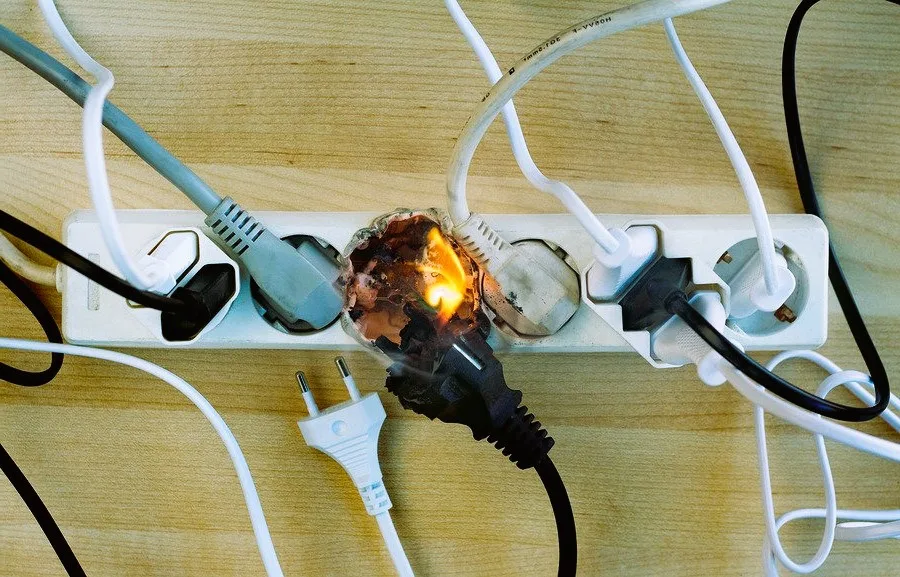
However, many projects suffer from poor workmanship and avoidable mistakes that lead to:
- Electrical fires
- Frequent power failures
- Equipment damage
- High maintenance costs
- Safety hazards
Understanding electrical installation mistakes in Kenya is essential for preventing costly failures.
Common Electrical Installation Mistakes in Kenya
1. Poor Load Calculation
Incorrect load estimation leads to overloaded circuits and system failure.
2. Using Low-Quality Materials
Cheap cables and breakers reduce system lifespan and safety.
3. Improper Earthing
Poor grounding increases shock and fire risks.
4. Overloading Circuits
Connecting too many devices to one circuit causes tripping.
5. Incorrect Cable Sizing
Undersized cables overheat and fail under load.
6. Lack of Circuit Protection
Missing breakers increases risk of electrical damage.
7. Poor Panel Installation
Incorrect wiring in distribution boards leads to instability.
Systems like this help reduce installation errors with proper design.
Why These Mistakes Are Common in Kenya
- Use of unqualified electricians
- Cost-cutting on materials
- Lack of proper design planning
- Poor supervision on site
- Ignoring electrical standards
How to Avoid Electrical Installation Errors in Kenya
1. Hire Certified Electrical Engineers
Always use licensed professionals.
2. Conduct Proper Load Calculations
Ensure accurate power demand assessment.
3. Use Quality IEC-Certified Materials
Avoid counterfeit or low-grade components.
4. Follow Proper Wiring Standards
Ensure compliance with IEC and KEBS regulations.
5. Install Proper Protection Systems
Use circuit breakers and RCDs.
6. Conduct System Testing
Test installations before commissioning.
Advanced systems like
https://paneltechsystems.co.ke/#motor-control-panels
improve safety and automation.
Comparison: Proper vs Poor Electrical Installation
| Feature |
Proper Installation |
Poor Installation |
| Safety |
High |
Low |
| Reliability |
Stable |
Unstable |
| Maintenance Cost |
Low |
High |
| System Lifespan |
Long |
Short |
| Energy Efficiency |
High |
Low |
Step-by-Step Guide to Safe Electrical Installation
Step 1: Planning and Design
Create proper electrical layouts.
Step 2: Load Assessment
Determine total power requirements.
Step 3: Material Selection
Choose certified components.
Step 4: Wiring Installation
Follow correct wiring standards.
Step 5: Panel Installation
Install distribution systems correctly.
Step 6: Testing and Inspection
Ensure system safety and performance.
Technical Insights: Engineering Best Practices
Safe electrical wiring in Kenya requires:
- Proper load balancing
- Short circuit analysis
- Voltage drop calculations
- Correct earthing systems
- IEC 60364 compliance
Reliable monitoring solutions like
https://paneltechsystems.co.ke/#epm-14-m1
enhance system performance and safety.
Cost Implications of Poor Installation
Electrical mistakes lead to:
- Frequent repairs
- Equipment replacement
- Power downtime
- Fire damage risks
Investing in proper installation errors Nairobi reduces long-term costs significantly.
Why Panel Tech Systems for Safe Electrical Installations
Panel Tech Systems is a trusted electrical engineering company in Kenya and East Africa.
Key Strengths:
- 15+ years experience
- 200+ completed projects
- IEC-compliant systems
- End-to-end electrical solutions
Explore services:
https://paneltechsystems.co.ke/about/
Products:
https://paneltechsystems.co.ke/products/
Frequently Asked Questions About Electrical Installation Mistakes in Kenya
1. What is the most common electrical mistake?
Poor load calculation and overloading circuits.
2. Why is earthing important?
It prevents electric shock and improves safety.
3. Can bad wiring cause fires?
Yes, it is one of the leading causes.
4. Who should install electrical systems?
Certified electrical engineers only.
5. How can mistakes be avoided?
Proper design and quality materials.
6. Are standards important?
Yes, IEC compliance ensures safety.
Conclusion: Ensuring Safe Electrical Systems in Kenya
Avoiding electrical mistakes Kenya is essential for safety, reliability, and long-term system performance. Proper design, quality materials, and professional installation ensure efficient and hazard-free electrical systems.
As Kenya’s infrastructure continues to expand, safe electrical practices are critical for sustainable development.
Panel Tech Systems delivers expert, IEC-compliant electrical installation solutions across Kenya and East Africa.
Power Your Project with Panel Tech Systems Today!
Whether you need a single distribution board or a full industrial electrical installation, our team of certified engineers is ready to deliver a tailored solution.
IEC-Certified Electrical Panels
End-to-End Engineering Solutions
Trusted Across Kenya & East Africa
Call Us: 0799 531765
Email: [email protected]
Visit Us: Nairobi, Kenya