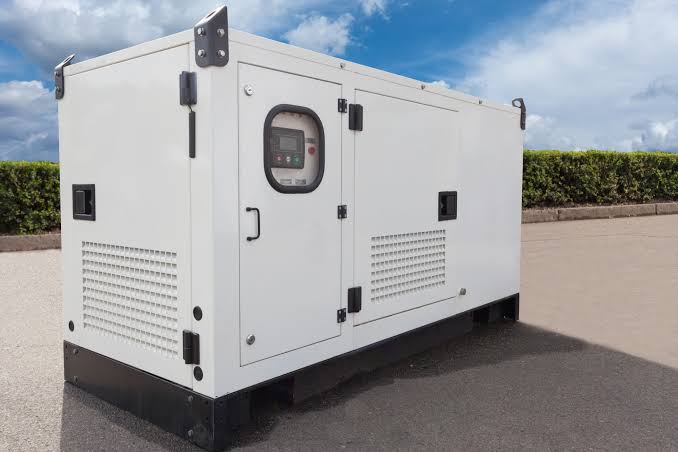
Critical Power Panel Kenya: Designing for Health and Finance
Discover how a critical power panel Kenya facilities use ensures reliable power continuity for hospitals, banks, and data-driven industries through redundancy, fast transfer, monitoring, and advanced electrical protection.
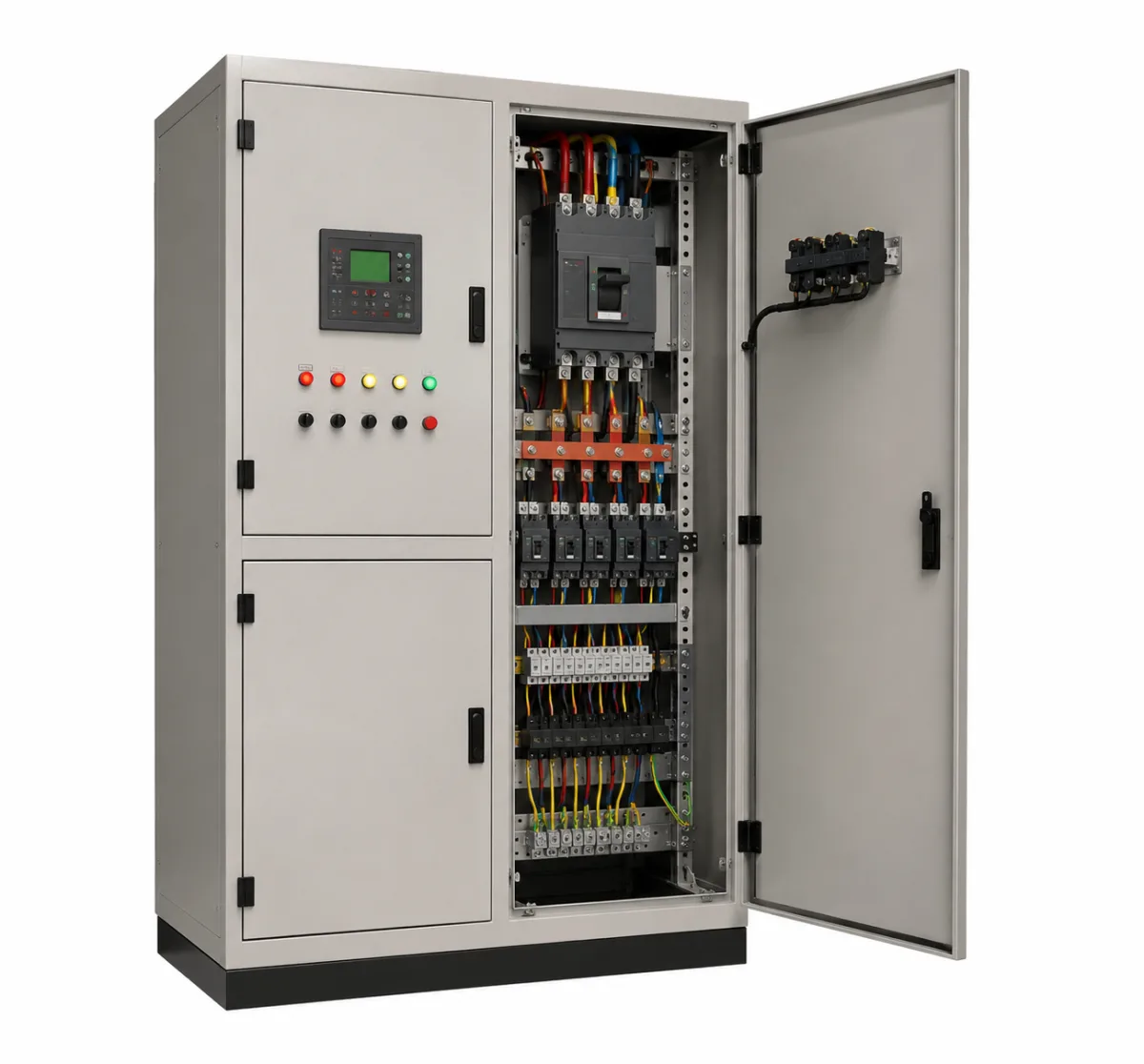
In modern healthcare, banking, finance, telecommunications, and data-driven industries, electrical power reliability is not optional—it is a business and safety requirement. A critical power panel Kenya organizations depend on is engineered to maintain continuous electricity supply for essential loads where even a few seconds of downtime can result in financial losses, operational disruption, or risks to human life.
Unlike standard electrical distribution boards designed for general loads, critical power panels are built around redundancy, intelligent monitoring, fast source transfer, and selective protection. These systems ensure that essential equipment receives stable power from multiple sources, including the utility grid, standby generators, and Uninterruptible Power Supply (UPS) systems.
Related Products

ATS / MTS Kenya
ATS/MTS solutions from Paneltech Systems provide reliable Automatic and Manual Transfer Switches for seamless power transfer in industrial and commercial electrical systems.
View Product
LV Panel
High-quality low voltage panels designed for reliable power distribution and protection in industrial and commercial installations.
View Product
Feeder Pillar Panels
Feeder pillar panels providing reliable power distribution solutions for outdoor and indoor industrial and commercial applications.
View Product
Panels For Data Centers
Specialised low voltage panels designed for data centre power distribution, ensuring high reliability and redundancy.
View ProductAt Paneltech Systems Ltd, we design and manufacture advanced electrical distribution solutions for industrial, commercial, healthcare, and infrastructure applications. Our Low Voltage (LV) panel solutions are engineered to support mission-critical environments requiring dependable power distribution, protection, and monitoring.
Kenya’s growing demand for reliable electrical infrastructure has increased the need for robust critical power solutions in:
- Private and public hospitals
- Banks and financial institutions
- Data centres
- Telecommunication facilities
- Industrial processing plants
- Government infrastructure
- Commercial buildings
A properly designed critical power panel integrates with generators, ATS systems, UPS systems, and monitoring platforms to provide a resilient electrical backbone capable of supporting continuous operations.
What Is a Critical Power Panel?A critical power panel Kenya facilities install is a specialized electrical distribution system designed to supply uninterrupted power to essential equipment. It combines protection, monitoring, redundancy, and emergency power integration to reduce downtime in mission-critical environments.
A critical power panel is an advanced Low Voltage switchboard designed specifically for applications where electrical interruptions are unacceptable.
While a normal distribution board supplies lighting, sockets, and general equipment, a critical power panel prioritizes loads that must remain operational during power failures.
Typical critical loads include:
Healthcare Facilities
- Intensive Care Units (ICUs)
- Operating theatres
- Ventilators
- Patient monitoring systems
- Medical imaging equipment
- Emergency lighting
- Medical gas systems
Financial Institutions
- Banking servers
- Automated Teller Machines (ATMs)
- Security systems
- Data processing equipment
- Communication networks
Data Centres
- Server racks
- Network equipment
- Cooling systems
- Storage infrastructure
- Security systems
Industrial Facilities
- Production control systems
- PLC automation systems
- Process monitoring equipment
- Safety systems
The objective is simple: ensure that the most important equipment continues operating regardless of normal power interruptions.
Why Critical Power Design Matters in KenyaCritical power panel Kenya designs must consider local challenges such as KPLC supply fluctuations, generator response times, voltage instability, and increasing dependence on digital systems. Proper engineering ensures reliable operation under real operating conditions.
Electrical reliability challenges in Kenya require more than simply installing a standby generator.
Many facilities experience:
- Utility voltage fluctuations
- Unexpected outages
- Power quality disturbances
- Harmonic distortion from electronic equipment
- Increasing electrical loads
- Limited tolerance for downtime
For example, a hospital cannot wait several minutes for a generator to start before critical equipment receives power. Similarly, a bank cannot afford interruptions that affect transaction systems, security infrastructure, or customer services.
A properly designed critical power system addresses these challenges through:
- Automatic transfer systems
- UPS integration
- Load prioritization
- Surge protection
- Power monitoring
- Redundant supply paths
Facilities can also combine critical power systems with Automatic Power Factor Correction (APFC) solutions to improve electrical efficiency and reduce unnecessary energy losses.
Critical Power Panel ArchitectureA reliable critical power panel uses multiple power sources, intelligent switching equipment, and protective devices to maintain continuous supply. The design typically combines utility power, generators, UPS systems, and dedicated critical load feeders.
A typical critical power architecture includes several layers:
1. Normal Utility Supply
The main utility supply provides the primary source of electricity under normal operating conditions.
The incoming supply passes through:
- Main circuit breakers
- Surge protection devices
- Metering systems
- Protection relays
The panel continuously monitors supply quality and availability.
2. Standby Generator Supply
When utility power fails, the standby generator provides emergency electricity.
The generator system includes:
- Automatic start controls
- Generator protection
- Synchronization equipment
- Fuel management systems
- Emergency distribution circuits
The transition between utility and generator supply must happen quickly and safely.
3. UPS System Integration
UPS systems provide immediate backup power during the short period between utility failure and generator availability.
They protect sensitive equipment from:
- Voltage dips
- Frequency variations
- Short interruptions
- Power quality issues
UPS systems are particularly important in:
- Data centres
- Banking environments
- Medical facilities
- Communication networks
4. Critical Load Distribution
The critical power panel separates essential circuits from non-essential loads.
This prevents unnecessary equipment from consuming emergency power capacity.
Typical segregated loads include:
| Load Category | Examples |
|---|---|
| Life Safety | Fire systems, emergency lighting |
| Critical Medical | ICU equipment, theatres |
| IT Systems | Servers, network equipment |
| Security | CCTV, access control |
| General Loads | Offices, non-essential HVAC |
This approach allows backup power systems to operate efficiently during extended outages.
Main Components of a Critical Power PanelCritical power panels combine heavy-duty switchgear, intelligent monitoring, protection devices, and transfer controls to provide dependable electrical distribution. Each component contributes to system reliability and operational safety.
1. Incoming Circuit Breakers
Incoming breakers protect the panel against:
- Short circuits
- Overloads
- Electrical faults
Depending on system capacity, these may include:
- MCCBs
- ACBs
- Motorized circuit breakers
Proper breaker selection ensures reliable protection and safe operation.
2. Automatic Transfer Switch (ATS)
The ATS is one of the most important components in a critical power system.
Its role is to:
- Monitor the utility supply.
- Detect power failure.
- Start the generator.
- Transfer the load automatically.
- Return to normal supply when power is restored.
Fast and reliable transfer is essential for healthcare, finance, and digital infrastructure.
3. Power Monitoring and Metering
Modern critical power panels include digital monitoring systems that measure:
- Voltage
- Current
- Frequency
- Energy consumption
- Power factor
- Load demand
Accurate monitoring allows facility managers to identify:
- Overloaded circuits
- Abnormal consumption
- Power quality problems
- Equipment performance issues
Paneltech integrates advanced electrical monitoring solutions through our range of Rishabh electrical measurement products.
4. Protection and Coordination Systems
Critical facilities require coordinated protection to prevent unnecessary shutdowns.
Protection systems include:
- Overcurrent protection
- Short circuit protection
- Earth fault protection
- Surge protection
Selective coordination ensures that only the affected section disconnects while the rest of the facility remains powered.
Critical Power Panel SpecificationsA critical power panel Kenya project should be designed according to load requirements, fault levels, environmental conditions, and applicable IEC standards. Proper specifications ensure safe operation and long-term reliability.
| Specification | Typical Value |
|---|---|
| Rated Voltage | 415/240 VAC |
| Frequency | 50 Hz |
| Incoming Supply | Utility / Generator / UPS |
| Transfer System | ATS / MTS |
| Enclosure Rating | IP54–IP65 |
| Busbar Material | Copper |
| Metering | Digital Multifunction Meter |
| Protection | MCCB / ACB / MCB |
| Mounting | Floor Standing |
| Construction Standard | IEC 61439 |
| Application | Hospitals, Banks, Data Centres, Industry |
For custom critical power solutions, explore our complete range of electrical products or contact our engineers through our contact page.
Contact Paneltech Systems Ltd
Powering Kenya's Future with Reliable Electrical Solutions
Reliable power continuity is essential for hospitals, banks, data centres, and industrial facilities where downtime is not an option. A properly engineered critical power panel Kenya solution ensures essential loads receive stable power through intelligent distribution, redundancy, monitoring, and emergency power integration.
At Paneltech Systems Ltd, we provide customized critical power solutions designed for demanding environments. Our engineering team supports clients with electrical system design, panel manufacturing, installation, testing, commissioning, and technical consultation to ensure reliable performance and compliance with industry standards.
Whether you require a new critical power distribution system, generator integration, ATS coordination, or an upgrade to an existing electrical installation, our engineers are ready to support your project.
Contact us today for technical consultations, project specifications, or a customized quotation.
- Email: [email protected]
- Phone: 0799 531765
- Location: Nairobi, Kenya
- Website: https://paneltechsystems.co.ke/
Our Specialized Services
- Critical Power Panels & Emergency Distribution Systems
- Low Voltage (LV) Panels & APFC Panels
- ATS / MTS Systems & Generator Integration
- Hospital Electrical Infrastructure Solutions
- VFD Drive Solutions
- Solar Power & EV Charging Infrastructure
- Electrical Supplies & Engineering Consultations