Difference Between Single Phase and Three Phase Power
Single phase and three phase power systems in Kenya differ in capacity, efficiency, and application. Single phase is ideal for homes and light loads, while three phase supports heavy industrial equipment and stable power distribution for commercial and manufacturing operations across Kenya.
Introduction: Why Understanding Power Systems Matters in Kenya
In Kenya, reliable electricity is essential for homes, businesses, and industries across Nairobi, Mombasa, Kisumu, and Eldoret. However, many people do not understand the fundamental difference between single phase and three phase power systems, which often leads to incorrect system selection, overload issues, or inefficient energy use.
Choosing the right system is critical for:
- Electrical safety
- Equipment performance
- Energy efficiency
- System reliability
Whether you are installing power in a residential home or an industrial facility, understanding single phase vs three phase power in Kenya is essential.
What Is Single Phase Power?
Single phase power is the most common electrical supply used in residential homes.
It consists of:
- One live wire
- One neutral wire
- Standard voltage supply (typically 240V in Kenya)
Applications:
- Residential houses
- Small shops
- Light appliances
- Basic office setups
Single phase systems are simple and cost-effective but have limited power capacity.
What Is Three Phase Power?
Three phase power is a more advanced electrical system used for heavy loads and industrial applications.
It consists of:
- Three live wires
- One neutral wire
- Balanced power distribution
Applications:
- Factories
- Large commercial buildings
- Industrial machinery
- Hospitals
- Data centers
Three phase systems provide continuous and stable power supply, making them ideal for heavy-duty usage.
Key Differences Between Single Phase and Three Phase Power
| Feature | Single Phase | Three Phase |
|---|---|---|
| Power Supply | 1 phase | 3 phases |
| Voltage Stability | Lower | Higher |
| Load Capacity | Limited | High |
| Efficiency | Lower | Higher |
| Cost | Cheaper | More expensive |
| Applications | Homes | Industries |
How Single Phase and Three Phase Power Work
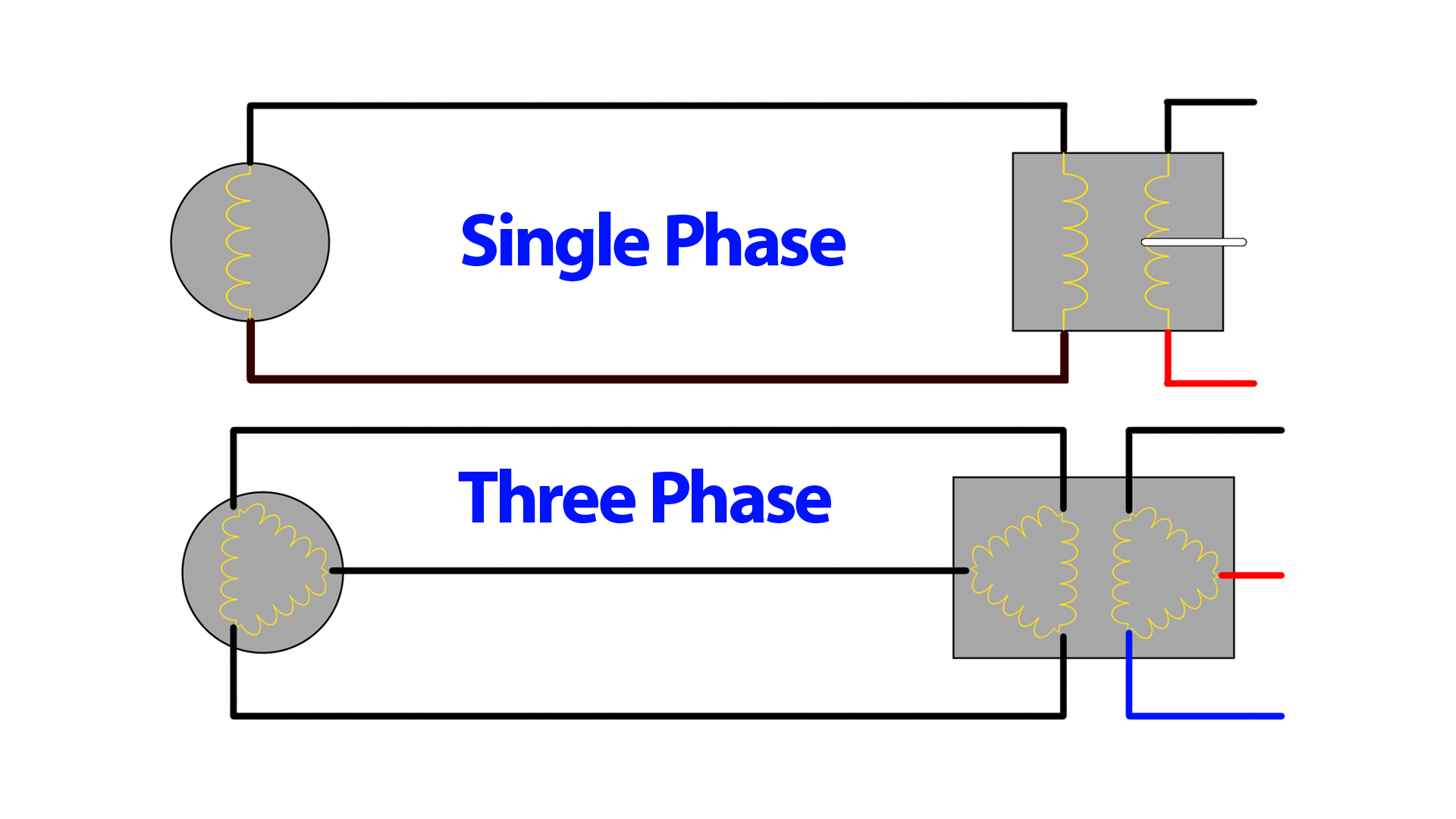
Single Phase Operation
Power flows through one alternating waveform, which causes slight fluctuations in supply.
Three Phase Operation
Power flows through three alternating waveforms, ensuring constant and balanced energy delivery.
This makes three phase systems more efficient for high-demand environments in electrical supply in Kenya.
When to Use Single Phase Power in Kenya
Single phase is suitable when:
- Power demand is low
- Budget is limited
- Only basic appliances are used
- Residential supply is required
It is commonly used in most homes across Kenya.
When to Use Three Phase Power in Kenya
Three phase is required when:
- Running heavy machinery
- Operating industrial plants
- Using large HVAC systems
- Supporting high-load commercial buildings
Advanced systems such as
https://paneltechsystems.co.ke/#motor-control-panels
depend on three phase power for stable operation.
Advantages of Single Phase Power
- Lower installation cost
- Simple wiring
- Easy maintenance
- Suitable for residential use
Advantages of Three Phase Power
- Higher efficiency
- Stable power delivery
- Supports heavy loads
- Reduced energy loss
- Better for industrial applications
Technical Insight: Why Three Phase Is More Efficient
Three phase systems deliver constant power systems Nairobi because the load is distributed across three alternating currents. This reduces:
- Power fluctuations
- Energy losses
- Equipment stress
Engineering systems are often designed to handle three phase distribution for industrial efficiency.
Common Mistakes in Power System Selection in Kenya
1. Using Single Phase for Heavy Loads
Leads to overheating and frequent tripping.
2. Ignoring Future Expansion
Systems become insufficient as demand grows.
3. Poor Load Calculation
Results in inefficient energy distribution.
4. Incorrect Panel Selection
Leads to system instability.
Comparison: Residential vs Industrial Power Needs
| Factor | Residential | Industrial |
|---|---|---|
| Power Type | Single Phase | Three Phase |
| Load Demand | Low | High |
| Stability Needed | Moderate | High |
| Equipment Type | Basic | Heavy machinery |
Frequently Asked Questions About Single Phase vs Three Phase in Kenya
1. What is single phase power used for?
It is used in homes and small businesses.
2. What is three phase power used for?
It is used in industries and large buildings.
3. Which is more efficient?
Three phase power is more efficient.
4. Can I convert single phase to three phase?
Yes, but it requires system upgrades.
5. Why do industries prefer three phase power?
Because it supports heavy loads and ensures stability.
6. What voltage is used in Kenya?
Typically 240V for single phase and 415V for three phase systems.
Conclusion: Choosing the Right Power System in Kenya
Understanding the difference between single phase vs three phase Kenya is essential for designing safe and efficient electrical systems. Single phase is ideal for residential use, while three phase is necessary for industrial and commercial applications requiring higher power and stability.
Correct system selection improves safety, reduces energy costs, and ensures long-term reliability in all electrical installations.
Power Your Project with Panel Tech Systems Today!
Whether you need a single distribution board or a full industrial electrical installation, our team of certified engineers is ready to deliver a tailored solution.
IEC-Certified Electrical Panels
End-to-End Engineering Solutions
Trusted Across Kenya & East Africa
Call Us: 0799 531765
Email: [email protected]
Visit Us: Nairobi, Kenya