Dry Type vs Oil Transformer: 2026 Guide and Specs | Paneltech Systems Kenya
Dry type vs oil transformer in Kenya: compare fire risk, indoor siting, maintenance, cooling and cost for industrial installations.
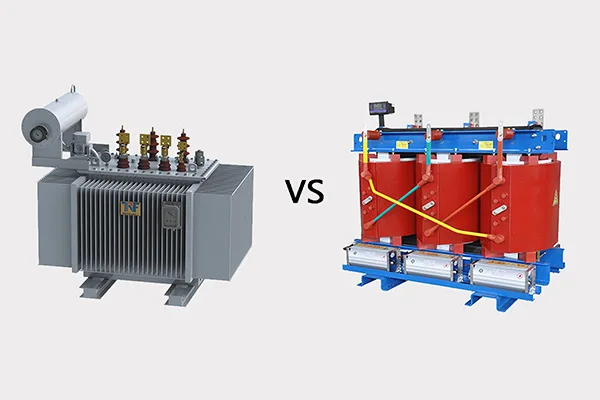
Choosing between a dry type vs oil transformer is an important engineering decision for factories, commercial buildings, hospitals, apartment developments and infrastructure projects in Kenya. The transformer affects fire safety, installation location, maintenance requirements, footprint, cooling performance and the long-term cost of operating the electrical system.
Dry-type transformers, particularly cast resin transformer designs, are often attractive for indoor installations because they do not use liquid insulation. Oil-filled transformers, however, remain widely used where outdoor installation, high capacity, efficient heat dissipation and established utility-style infrastructure are priorities.
Related Products

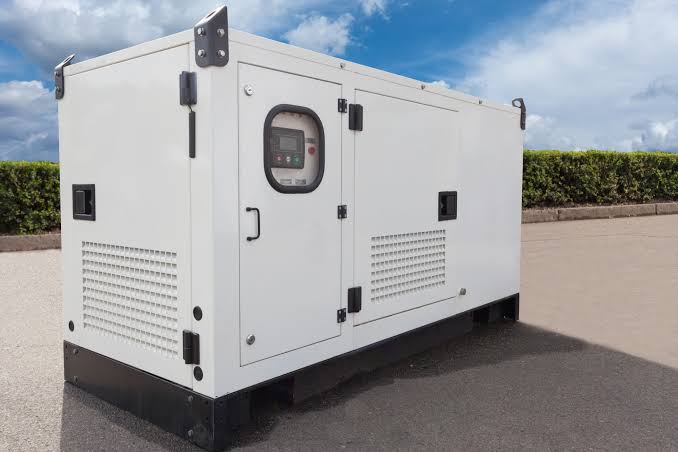
ATS / MTS Kenya
ATS/MTS solutions from Paneltech Systems provide reliable Automatic and Manual Transfer Switches for seamless power transfer in industrial and commercial electrical systems.
View Product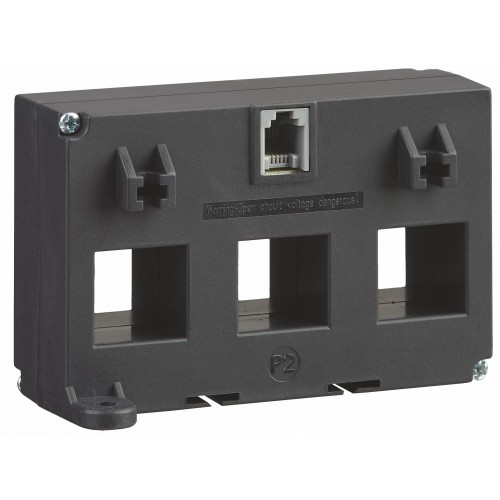
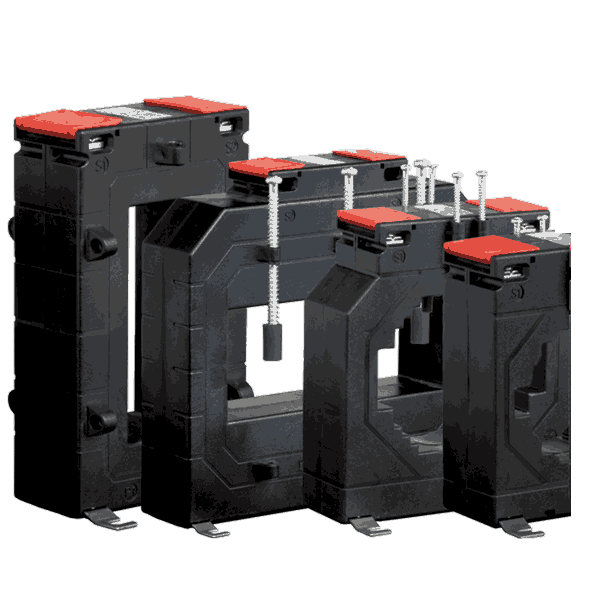
3 Phase Current Transformer
3-Phase Current Transformers for accurate power monitoring and measurement. Paneltech Systems offers high-quality Rishabh 3-Phase CTs for industrial energy monitoring and protection.
View Product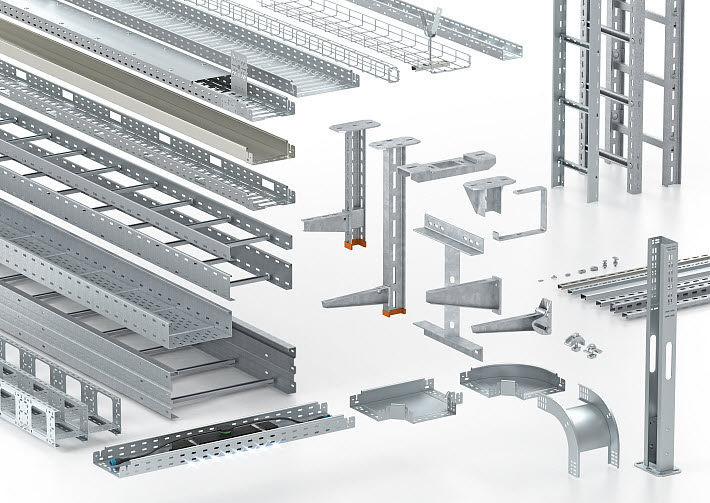
Cable Systems
Paneltech Systems offers comprehensive cable management systems for efficient, secure and organised cable setups across industrial and commercial environments.
View Product
PI 38
Multispan PI 38 power factor indicator providing accurate real-time display of power factor in electrical systems.
View ProductFor Kenyan projects, the correct choice should not be based on purchase price alone. Ambient temperature, available space, fire-safety requirements, maintenance capability, transformer loading, humidity, dust and the installation environment all influence the appropriate transformer technology.
Dry Type vs Oil Transformer: What Is the Main Difference?
A dry-type transformer uses air and solid insulation rather than mineral or ester insulating liquid, while an oil-filled transformer uses insulating oil for both electrical insulation and heat transfer. The fundamental difference affects fire risk, cooling, installation location, maintenance and overall project design.
Both transformer types perform the same basic function: they transfer electrical energy between voltage levels through electromagnetic induction while providing electrical isolation between the primary and secondary circuits.
The difference lies mainly in how the transformer windings are insulated and cooled.
A typical dry-type transformer has windings encapsulated or insulated using solid materials. In a cast resin transformer, the windings are encapsulated in epoxy resin, creating a robust insulation system suitable for demanding indoor and industrial environments.
Oil-filled transformers place the windings and magnetic core inside a tank containing insulating oil. The oil provides electrical insulation and transfers heat from the active components to the tank and cooling system.
The choice therefore becomes an engineering comparison rather than simply a question of which transformer is "better."
Basic Comparison
| Characteristic | Dry-Type Transformer | Oil-Filled Transformer |
|---|---|---|
| Insulation medium | Solid/air | Insulating oil |
| Liquid present | No | Yes |
| Typical installation | Indoor or protected outdoor | Usually outdoor or dedicated transformer area |
| Fire risk | Lower | Higher than dry type |
| Oil leakage risk | None | Possible |
| Cooling | Air | Oil-assisted |
| Maintenance | Generally lower | Requires oil-related maintenance |
| Noise | Can be higher depending on design | Can be relatively low |
| Footprint | Often compact for indoor use | Requires clearance and oil-management provisions |
| Initial cost | Often higher | Often lower for comparable applications |
| Fire containment | Simplified | May require additional provisions |
| Common application | Commercial, industrial, indoor | Utility, industrial, outdoor |
Why Dry-Type Transformers Are Attractive for Indoor Kenyan Installations
Dry-type transformers are particularly suitable for indoor substations where fire safety, cleanliness and avoidance of oil leakage are important. They can be installed closer to electrical loads, reducing the need for a separate outdoor oil-transformer compound when the building design permits it.
Indoor transformer installation is increasingly relevant in commercial buildings, manufacturing facilities, hospitals, data-related infrastructure and high-density developments.
A dry-type transformer eliminates the need for an insulating-oil tank. This removes several considerations associated with liquid-filled equipment, including oil leakage, oil containment and the consequences of a transformer oil fire.
For a building developer, this can simplify the physical arrangement of the electrical room.
However, dry-type does not mean "maintenance-free" or "fire-proof." The transformer still produces heat and must have appropriate ventilation. Electrical clearances, access, cable routing and protection systems must also be properly designed.
Cast Resin Transformer Kenya Applications
A cast resin transformer Kenya installation can be particularly useful where the transformer must be located inside or immediately adjacent to an occupied structure.
Typical applications include:
- Manufacturing plants
- Shopping centres
- Office buildings
- Hospitals
- Apartment developments
- Hotels
- Universities
- Commercial complexes
- Industrial facilities
- Infrastructure projects
The exact suitability depends on the transformer rating, enclosure arrangement, ventilation and applicable project standards.
Oil-Filled Transformers: Where They Still Make Engineering Sense
Oil-filled transformers remain a strong choice for outdoor substations, utility-style installations and higher-capacity applications where efficient heat transfer and established transformer infrastructure are important. Their liquid cooling system can provide excellent thermal performance when correctly specified and maintained.
Oil-filled transformers have been used extensively across power distribution networks because insulating oil performs two important functions.
First, it provides electrical insulation between energized components.
Second, it transfers heat away from the windings and core.
This makes oil-filled technology highly effective for many medium-voltage and distribution applications.
An outdoor transformer compound can also provide easier separation from occupied areas.
For an industrial facility with sufficient external space, an oil-filled transformer can be a practical solution, especially when the project already has an established outdoor substation design.
The engineering decision should nevertheless consider oil containment, fire protection, access for maintenance and environmental protection.
Fire Risk: Dry-Type vs Oil Transformer
Dry-type transformers generally present a lower fire and environmental risk because they do not contain large volumes of combustible insulating oil. Oil-filled transformers require more careful consideration of fire separation, oil containment and emergency response because the insulating liquid can contribute to a transformer fire.
Fire safety is one of the strongest arguments for dry-type technology in indoor installations.
An oil-filled transformer contains a significant quantity of insulating liquid. Under severe electrical or mechanical failure, the transformer can experience overheating, arcing or internal faults that may result in fire.
This does not mean oil-filled transformers are inherently unsafe. Proper protection, transformer design, installation separation and maintenance significantly reduce risk.
The important issue is that an oil-filled installation requires additional risk controls.
Depending on the project, these may include:
- Fire-rated separation
- Appropriate transformer clearances
- Oil containment
- Drainage arrangements
- Fire detection
- Fire suppression provisions
- Restricted access
- Appropriate ventilation
- Emergency isolation
- Regular inspection
For a transformer installed inside a commercial or industrial building, these considerations can make dry-type technology more attractive.
Does Dry-Type Mean Zero Fire Risk?
No.
Dry-type transformers contain insulation materials and electrical conductors that can be damaged by severe overheating or faults. A dry-type transformer can still experience an electrical fire.
The advantage is that there is no transformer oil available to sustain a liquid-insulation fire or leak into surrounding areas.
The project should therefore consider the complete electrical protection system rather than treating transformer technology as the only fire-safety control.
Indoor Transformer Installation in Kenya
Indoor transformer installation requires careful attention to ventilation, access, fire safety, electrical clearances and environmental conditions. Dry-type transformers are generally better suited to indoor applications because they eliminate oil containment and reduce the consequences of a transformer liquid leak.
An indoor transformer room should not be treated as simply a larger electrical cupboard.
The transformer generates heat continuously while operating. The room must therefore be designed to prevent excessive temperature rise.
For a Kenyan building, this becomes particularly important because outdoor ambient temperatures vary significantly between regions and seasons.
An installation in Nairobi has different environmental conditions from one in Mombasa, Lodwar or a dusty industrial area in the Rift Valley.
The transformer room should therefore be assessed for:
- Ambient temperature
- Ventilation
- Dust ingress
- Humidity
- Altitude
- Transformer loading
- Cable heat
- Room dimensions
- Access for replacement
- Fire separation
- Maintenance clearance
Natural ventilation may be adequate for some installations, while larger transformer rooms may require engineered mechanical ventilation.
Humidity, Coastal Conditions and Transformer Enclosures
Kenyan transformer selection must account for environmental exposure, especially in humid coastal locations such as Mombasa. Appropriate enclosure design, ventilation, corrosion protection and insulation selection help protect equipment against moisture and aggressive environmental conditions.
The climate around Mombasa presents a different challenge from the relatively cooler highland conditions around Nairobi.
High humidity and salt-laden coastal air can accelerate corrosion of exposed metalwork and electrical equipment.
A transformer installation should therefore consider:
- Corrosion-resistant enclosure materials
- Appropriate surface treatment
- Moisture control
- Ventilation
- Condensation prevention
- Correct IP protection
- Inspection frequency
A transformer room exposed to coastal humidity should not simply use the same environmental design used for a dry inland warehouse.
Where equipment is installed inside an enclosure, the IP rating should also be selected according to the actual environment.
An IP54 enclosure provides protection against limited dust ingress and water splashing, while IP65 provides a higher level of protection against dust ingress and water jets.
However, IP rating alone does not solve condensation or corrosion problems. The complete enclosure and environmental-control strategy matters.
Dust and Transformer Reliability in the Rift Valley
Dusty industrial environments can reduce electrical equipment reliability by contaminating ventilation paths, insulating surfaces and cooling systems. Dry-type transformers require particular attention to cleanliness and ventilation because their cooling depends on air movement around the transformer.
Dust is an important but sometimes overlooked environmental factor.
In dusty industrial environments, accumulated contamination can restrict ventilation and create conductive or insulating-surface contamination depending on the material involved.
A transformer installation may therefore require:
- Filtered ventilation
- Suitable enclosure design
- Regular cleaning
- Environmental monitoring
- Adequate transformer-room sealing
- Inspection of ventilation openings
Oil-filled transformers also require environmental protection, particularly where dust, moisture and contamination can affect bushings, cable terminations and external components.
The correct transformer should therefore be selected together with the correct installation environment.
Transformer Cooling and Kenyan Ambient Conditions
Transformer thermal performance depends on the actual operating environment, not simply the nameplate rating. Kenyan projects should consider ambient temperature, transformer loading, ventilation and heat dissipation when selecting between dry-type and oil-filled technology.
Transformers are designed to operate within specified thermal limits.
When a transformer operates continuously near or above its rated capacity, heat generation increases. If the heat cannot be adequately removed, insulation ageing accelerates.
This is particularly relevant in facilities with:
- Large motors
- HVAC systems
- Pumps
- Compressors
- Manufacturing machinery
- Welders
- Variable-frequency drives
- Data equipment
- Continuous industrial processes
A transformer should therefore be sized according to the actual load profile rather than simply the connected load.
Load diversity, future expansion and harmonic-producing equipment should also be considered.
APFC and Transformer Loading in Kenyan Factories
Automatic Power Factor Correction (APFC) can improve power-factor performance and reduce unnecessary reactive-power demand, helping industrial facilities use transformer capacity more effectively. APFC does not replace correct transformer sizing, but it can be an important part of an efficient electrical distribution strategy.
Industrial loads often include motors and other inductive equipment that draw reactive power.
Poor power factor can increase current for a given useful power demand. This increases loading on cables, transformers and other distribution equipment.
An appropriately engineered APFC system can compensate for reactive demand and improve the facility's overall power-factor performance.
This is particularly relevant when specifying a transformer for a Kenyan factory because the electrical distribution system should be evaluated as a complete system.
Transformer selection should therefore consider:
- Maximum demand
- Power factor
- Motor starting
- Harmonics
- Load growth
- APFC operation
- VFD loads
- Generator operation
- Solar integration
Paneltech Systems' APFC panel solutions can be considered as part of an integrated industrial power-distribution strategy.
Dry-Type vs Oil Transformer Maintenance
Dry-type transformers generally require less routine maintenance because there is no insulating oil to sample, filter or replace. Oil-filled transformers require additional inspection of oil condition, seals, bushings and associated equipment, although well-maintained oil transformers can provide long service lives.
Dry-type maintenance commonly includes:
- Visual inspection
- Cleaning
- Checking connections
- Thermal inspection
- Checking ventilation
- Inspecting insulation
- Monitoring loading
- Checking signs of overheating
Oil-filled transformer maintenance can additionally include:
- Oil-level inspection
- Oil-quality testing
- Leak inspection
- Bushing inspection
- Breather inspection where applicable
- Temperature monitoring
- Protection-system testing
- Tank inspection
The actual maintenance schedule should follow the manufacturer's instructions and the project's maintenance regime.
Maintenance cost should be evaluated over the transformer's service life rather than comparing only the initial purchase prices.
Initial Cost vs Lifetime Cost
Oil-filled transformers can offer a lower initial purchase cost in some applications, while dry-type transformers can reduce certain installation, fire-safety and maintenance requirements. The economically better option depends on the total installed and lifecycle cost rather than transformer purchase price alone.
A meaningful cost comparison should include:
- Transformer purchase price
- Transportation
- Installation
- Transformer-room construction
- Fire-safety provisions
- Oil containment where required
- Ventilation
- Maintenance
- Oil testing
- Energy losses
- Replacement costs
- Downtime risk
- Future expansion
A dry-type transformer may have a higher initial equipment price but become attractive where indoor installation avoids the construction of a dedicated outdoor transformer compound.
Conversely, an oil-filled transformer may remain more economical where outdoor space is readily available and the project already has appropriate fire and containment infrastructure.
System Specifications Table
The following table provides a practical engineering comparison for preliminary transformer selection; final specifications should always be confirmed against the manufacturer's approved design, project load study and applicable standards.
| System Specification | Dry-Type Transformer | Oil-Filled Transformer |
| Transformer type | Dry-type / cast resin | Oil-immersed |
| Typical voltage application | LV/MV distribution | LV/MV distribution |
| Frequency | 50 Hz typical for Kenya | 50 Hz typical for Kenya |
| Cooling | Air natural or forced | Oil natural/air natural or other specified cooling |
| Insulation | Solid resin/air insulation | Insulating oil |
| Indoor installation | Highly suitable when properly designed | Possible but requires additional controls |
| Outdoor installation | Possible with suitable enclosure | Common |
| Fire consideration | Lower liquid-fire risk | Requires oil-fire risk management |
| Oil containment | Not required | Required where applicable |
| Maintenance | Relatively low | Oil and equipment maintenance required |
| Environmental exposure | Requires suitable enclosure and ventilation | Requires tank, bushing and external component protection |
| Humidity protection | Environmental design required | Environmental design required |
| Dust protection | Important because of air cooling | Important for external equipment |
| Mounting | Floor-mounted or application-specific | Floor-mounted |
| Enclosure | Application-dependent | Tank plus external protection |
| Standards | IEC requirements applicable to transformer type | IEC requirements applicable to transformer type |
| Project compliance | Confirm with applicable EPRA/project requirements | Confirm with applicable EPRA/project requirements |
Standards and Compliance for Kenyan Transformer Projects
Transformer selection should be based on applicable IEC/BS EN standards, manufacturer certification, project specifications and Kenyan regulatory requirements. Electrical installations should also be designed and commissioned by appropriately qualified professionals in accordance with applicable EPRA requirements.
Transformer standards depend on the technology and application.
Relevant standards may include the IEC 60076 transformer series, together with applicable national or project-specific standards.
The design team should confirm the current applicable requirements before procurement.
For a Kenyan installation, compliance should be considered at several levels:
- Transformer construction
- Electrical protection
- MV/LV distribution
- Earthing
- Cable selection
- Fire protection
- Installation
- Testing
- Commissioning
- Electrical safety
- Regulatory requirements
EPRA requirements should be checked for the specific electrical installation and project scope.
A compliant transformer is only one component of a compliant electrical system.
Dry-Type Transformers and VFD-Heavy Industrial Loads
Industrial facilities using many VFDs should consider harmonics, waveform distortion and transformer loading when selecting transformer equipment. The transformer, VFD system, harmonic mitigation and protection strategy should be engineered together rather than specified independently.
Variable-frequency drives offer major benefits for motor control and energy management, but power electronics can introduce harmonics into an electrical network.
This can increase heating and affect transformer performance if harmonic levels are significant.
Paneltech Systems provides VFD drive solutions for industrial applications, making the relationship between transformer selection, motor control and power quality particularly important.
Engineering assessment may include:
- Harmonic analysis
- Transformer K-factor considerations where applicable
- VFD input configuration
- Line reactors
- Harmonic filters
- Load diversity
- Transformer temperature rise
- Power-factor correction
When Should You Choose a Dry-Type Transformer?
Choose a dry-type transformer when indoor installation, reduced liquid-fire risk, limited space or reduced oil-related maintenance are major project priorities. Cast resin technology is particularly attractive for commercial and industrial buildings where the transformer must operate close to occupied or sensitive areas.
Dry-type is often a strong candidate when:
- The transformer is indoors.
- Fire risk must be minimized.
- Oil containment is undesirable.
- The building has limited outdoor space.
- The transformer is close to occupied areas.
- Environmental contamination must be minimized.
- Maintenance access is constrained.
- The project prioritizes clean electrical rooms.
The final decision should still be based on rating, environment, cooling, cost and standards.
When Should You Choose an Oil-Filled Transformer?
Choose an oil-filled transformer when an outdoor transformer compound is practical and the project benefits from efficient liquid cooling, established distribution practices or specific capacity requirements. Oil-filled technology remains highly relevant for industrial and utility-style installations when properly protected and maintained.
Oil-filled transformers can be appropriate when:
- Outdoor installation is available.
- There is adequate space.
- Oil containment can be provided.
- Fire separation can be implemented.
- The maintenance team can manage oil-related requirements.
- The transformer capacity and duty favour liquid-filled technology.
- The project already uses an outdoor MV substation arrangement.
The correct choice should be made during electrical design rather than after the building layout has already been finalized.
How Transformer Selection Fits Into a Complete Electrical System
A transformer should be specified as part of the complete electrical distribution architecture, including MV switchgear, LV panels, protection, APFC, VFDs, generators, solar systems and load-management equipment. Coordinated engineering improves reliability and reduces the risk of incompatible equipment.
For example, a factory may require:
Utility supply → MV switchgear → Transformer → LV main switchboard → APFC → Motor control/VFDs → Production loads
A commercial facility may instead have:
Utility supply → MV equipment → Transformer → LV distribution → ATS/MTS → Building services
Solar generation and battery storage can introduce another layer of system design.
Paneltech Systems' LV panels and electrical distribution solutions can form part of this wider distribution architecture.
Where automatic source transfer is required, an ATS/MTS system can also be incorporated into the project's electrical strategy.
For solar installations, solar AC/DC combiner solutions can be integrated where appropriate to the system design.
Practical Decision Matrix for Kenyan Projects
There is no universal winner between dry-type and oil-filled transformers. Dry-type usually has the advantage for indoor, fire-sensitive and space-constrained projects, while oil-filled technology remains highly competitive for outdoor and utility-style installations.
| Project Requirement | Preferred Starting Point |
| Indoor commercial building | Dry-type |
| Indoor hospital | Dry-type |
| Indoor industrial facility | Dry-type, subject to load/environment |
| Outdoor factory substation | Oil-filled often suitable |
| Utility-style outdoor installation | Oil-filled |
| High concern about oil leakage | Dry-type |
| Limited transformer-room space | Dry-type |
| Existing outdoor oil substation | Oil-filled |
| Highly dusty environment | Either, with appropriate environmental design |
| Coastal installation | Either, with corrosion/moisture controls |
| Lowest initial equipment cost | Oil-filled may be advantageous |
| Lowest oil-related maintenance | Dry-type |
| Fire-sensitive occupied building | Dry-type generally preferred |
Final Verdict: Dry-Type vs Oil Transformer in Kenya
For most indoor commercial and industrial applications, dry-type transformers offer compelling advantages in fire safety, cleanliness and installation flexibility. Oil-filled transformers remain an excellent option for outdoor substations and applications where liquid cooling, established infrastructure and project economics make them appropriate.
The best transformer is ultimately the one that matches the complete project environment.
Before procurement, the engineering team should evaluate:
- Transformer capacity
- Primary and secondary voltage
- Maximum demand
- Future load growth
- Power factor
- Harmonic distortion
- APFC requirements
- VFD loads
- Installation location
- Ambient temperature
- Humidity
- Dust
- Fire risk
- Maintenance capability
- Regulatory requirements
- Lifecycle cost
For Kenyan installations, these considerations are particularly important because electrical infrastructure can face demanding combinations of industrial loading, variable environmental conditions and grid-quality challenges.
Paneltech Systems Ltd can support the broader electrical infrastructure required around transformer installations, including electrical engineering solutions in Kenya, LV distribution, APFC, VFDs, automation and renewable-energy infrastructure.
Contact Paneltech Systems Ltd
Powering Kenya's Future with Reliable Electrical Solutions
Email: [email protected]
Phone: 0799 531765
Location: Nairobi, Kenya
Website: https://paneltechsystems.co.ke/
Our Specialized Services:
- Low Voltage (LV) Panels & APFC Panels
- VFD Drive Solutions & ATS / MTS Systems
- Solar Power & EV Charging Infrastructure
- Electrical Supplies & Engineering Consultations