Electrical Harmonics Explained: Causes, Effects and Mitigation in Power Systems
Learn electrical harmonics explained in industrial systems, including causes from non-linear loads like VFDs, effects on power quality, and how to reduce harmonic distortion using active and passive filters.

Electrical harmonics are one of the most misunderstood but increasingly critical issues in modern power systems. As industries in Kenya adopt more automation, VFD-driven motors, UPS systems, and electronic controls, the quality of electrical power becomes more distorted.
Unlike traditional linear loads, modern equipment draws current in irregular waveforms. These distortions travel back into the electrical system, affecting transformers, cables, switchgear, and sensitive electronics.
Related Products

LV Panel
High-quality low voltage panels designed for reliable power distribution and protection in industrial and commercial installations.
View Product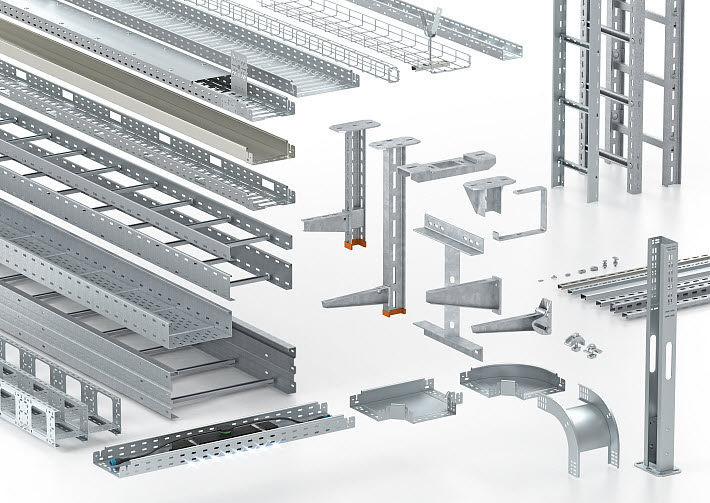
Cable Systems
Paneltech Systems offers comprehensive cable management systems for efficient, secure and organised cable setups across industrial and commercial environments.
View Product
Distribution Boards
Distribution boards divide the main electrical power supply into smaller circuits while providing circuit protection for residential, commercial and industrial applications.
View Product
Protection Panels
Robust protection panels safeguarding electrical systems and equipment from faults, overloads and short circuits.
View ProductIf left unmanaged, harmonics reduce system efficiency, increase heating losses, and shorten equipment lifespan.
Paneltech Systems Ltd designs industrial LV panels, APFC systems, and power quality solutions engineered to handle harmonic-rich environments. Learn more at products and #multispan-components.
What Electrical Harmonics Are and How They Are Generated
Electrical harmonics are unwanted frequency components that distort the normal sine wave of electrical current and voltage. They are generated when non-linear loads draw current in pulses rather than smooth waveforms. This distortion propagates through the electrical system and affects power quality.
In ideal systems, voltage and current waveforms are pure sinusoidal signals. However, when non-linear loads such as VFDs, rectifiers, and switching power supplies are introduced, the waveform becomes distorted.
These distortions are mathematically expressed as harmonic frequencies that are multiples of the fundamental frequency (50Hz in Kenya).
Common sources include:
- Variable Frequency Drives (VFDs)
- UPS systems
- LED lighting drivers
- Computer and server systems
- Industrial rectifiers
The cumulative effect is known as Total Harmonic Distortion (THD), which measures how much deviation exists from a clean sine wave.
Effects of Harmonics on Electrical Infrastructure
Harmonics cause excessive heating, reduced efficiency, and premature failure of electrical components. They increase RMS current without increasing useful power output. This leads to hidden energy losses and equipment stress.
One of the most serious impacts of harmonics is overheating in neutral conductors. In a balanced linear system, neutral current is minimal. However, harmonic currents—especially triplen harmonics—accumulate in the neutral, causing unexpected heating.
Other effects include:
- Transformer overheating and derating
- Capacitor bank failure
- Nuisance tripping of breakers
- Motor vibration and noise
- Reduced lifespan of switchgear components
In Kenyan industrial environments, these issues are becoming more common due to increased automation and VFD adoption in manufacturing facilities.
Non-Linear Loads and Total Harmonic Distortion
Non-linear loads are electrical devices that draw current in non-sinusoidal waveforms, causing harmonic distortion in the system. This distortion is quantified as Total Harmonic Distortion (THD). Higher THD levels indicate poorer power quality and increased system stress.
Unlike linear loads such as heaters or incandescent lighting, non-linear loads include:
- VFD-controlled motors
- UPS systems
- Switched-mode power supplies
- Industrial welding equipment
THD is a key indicator used in power quality analysis. High THD levels can exceed equipment design limits and lead to overheating or malfunction.
Proper system design requires harmonic assessment during electrical planning, especially in industrial facilities with heavy motor loads.
Active Harmonic Filter vs Passive Harmonic Solutions
Active harmonic filters dynamically cancel harmonic currents in real time, while passive filters use fixed components tuned to specific harmonic frequencies. Active filters provide adaptive compensation, while passive filters are simpler but less flexible. The choice depends on load variability and system complexity.
Passive harmonic filters typically consist of inductors, capacitors, and resistors tuned to suppress specific harmonic orders. They are cost-effective but less effective when load conditions change frequently.
Active harmonic filters, on the other hand, continuously monitor system waveforms and inject counteracting currents to cancel distortion.
Comparison overview:
- Passive filters: fixed, lower cost, limited flexibility
- Active filters: dynamic, higher cost, high precision
In modern Kenyan industrial facilities with fluctuating VFD loads, active harmonic filters are often preferred for better performance.
Explore engineered power quality solutions at products and #multispan-components.
Harmonic Impact on Transformers and Switchgear
Harmonics increase eddy current and hysteresis losses in transformers, leading to overheating and reduced efficiency. They also cause abnormal heating in cables and switchgear components. This reduces equipment lifespan and increases maintenance costs.
Transformers exposed to high harmonic distortion experience additional core losses, requiring derating to avoid overheating.
Switchgear components such as MCCBs and busbars also experience increased thermal stress due to higher RMS currents.
In industrial environments, this often manifests as:
- Unexpected equipment heating
- Reduced transformer capacity
- Frequent breaker tripping under normal loads
Proper harmonic mitigation is essential to protect critical infrastructure.
Harmonic Mitigation Strategies in Industrial Systems
Harmonic mitigation involves reducing or controlling waveform distortion to improve power quality. This is achieved using filters, system design optimization, and proper load selection. It ensures stable and efficient electrical operation.
Common mitigation techniques include:
- Installation of active harmonic filters
- Use of detuned capacitor banks
- Segregation of non-linear loads
- Proper sizing of transformers and conductors
- Use of 12-pulse or 18-pulse drive systems
In Kenyan industries, where VFD adoption is increasing rapidly, harmonic mitigation is becoming a critical design requirement rather than an optional upgrade.
System Specifications Table: Harmonic Mitigation System
| Parameter | Specification |
|---|---|
| System Voltage | 415V AC, 3 Phase |
| Frequency | 50Hz |
| Harmonic Standard | IEEE 519 / IEC 61000 |
| THD Limit Target | < 5% (recommended) |
| Filter Types | Active / Passive / Hybrid |
| Protection | Overcurrent, Thermal, Surge |
| Enclosure Rating | IP54 / IP65 |
| Cooling Method | Forced Air Ventilation |
| Application | Industrial Power Quality Improvement |
Engineering Insight: Why Harmonics Are Increasing in Kenya
The rise of harmonics in Kenyan industrial systems is directly linked to:
- Increased adoption of VFD-driven motors
- Expansion of automated manufacturing systems
- Growth of data centers and ICT infrastructure
- Widespread use of LED lighting systems
Without proper power quality design, these systems introduce cumulative distortion that affects entire electrical networks.
Engineering-led design and harmonic analysis are now essential for reliable industrial operations.
Paneltech Systems Ltd provides engineered electrical solutions designed for modern harmonic-rich environments at knowledge-site.