Skip to content
Article · · 10 min read · By Benzimra

Electrical Panel Lead Time Kenya: What Drives Delivery and How to Plan

Learn what affects Electrical Panel Lead Time Kenya, including design approval, component availability, fabrication, testing, and project planning. Discover how Paneltech Systems helps deliver reliable electrical panel solutions on schedule.
Electrical Panel Lead Time Kenya: What Drives Delivery and How to Plan
Electrical Panel Lead Time Kenya: What Drives Delivery and How to Plan Your Date

Planning an electrical installation requires accurate scheduling, especially when custom-built electrical panels are involved. Understanding Electrical Panel Lead Time Kenya helps contractors, consultants, developers, and facility managers coordinate procurement, installation, testing, and project completion dates.

Many project delays happen because electrical panels are considered simple equipment that can be supplied immediately. In reality, most industrial and commercial electrical panels require engineering design, approval, component sourcing, fabrication, wiring, inspection, and testing before they are ready for delivery.

The actual Electrical Panel Lead Time Kenya depends on multiple technical and project factors, including:

  • Panel design complexity
  • Availability of electrical components
  • Approval of technical drawings
  • Manufacturing workload
  • Testing requirements
  • Site preparation
  • Import timelines for specialised equipment

For industrial facilities, a delayed electrical panel can affect the installation of production equipment, motors, automation systems, and power distribution networks.

At Paneltech Systems Ltd, we provide engineered electrical solutions for industrial, commercial, and renewable energy projects across Kenya and East Africa. Our solutions include:

  • Low Voltage (LV) Panels
  • Motor Control Centres (MCC)
  • Automatic Power Factor Correction (APFC) Panels
  • Automatic Transfer Switch (ATS) Systems
  • Variable Frequency Drive (VFD) Panels
  • Industrial automation solutions

Explore our Low Voltage Panel Solutions designed for reliable power distribution and industrial applications.

A realistic understanding of Electrical Panel Lead Time Kenya allows project teams to avoid unexpected delays, improve coordination, and ensure electrical systems are ready when required.

Learn more about our engineering capabilities through Paneltech Systems Ltd and our approach to delivering reliable electrical infrastructure solutions.

What Is Electrical Panel Lead Time Kenya?

Electrical Panel Lead Time Kenya refers to the complete period required to design, manufacture, test, and deliver an electrical panel from project confirmation to final installation. It includes engineering approvals, component procurement, fabrication, and quality checks.

The term Electrical Panel Lead Time Kenya covers every stage involved in producing a functional electrical panel that meets project specifications.

Unlike standard electrical products available immediately from stock, custom electrical panels require detailed engineering and manufacturing processes.

The typical production stages include for Electrical Panel Lead Time Kenya:

  1. Project requirement review
  2. Load assessment and design development
  3. Single Line Diagram (SLD) preparation
  4. Client and consultant approval
  5. Component sourcing
  6. Panel fabrication
  7. Internal wiring and assembly
  8. Quality inspection
  9. Testing and commissioning preparation
  10. Final delivery

Understanding Electrical Panel Lead Time Kenya helps project managers create realistic schedules and avoid delays during construction.

For example, a simple distribution board may have a shorter delivery period compared with a complex Motor Control Centre (MCC) panel containing multiple feeders, PLC controls, communication systems, and VFD integration.

Why Electrical Panel Lead Time Kenya Varies Between Projects

Electrical Panel Lead Time Kenya varies because every project has different electrical requirements, panel sizes, component specifications, and testing needs. Larger and more customised systems generally require more engineering and manufacturing time.

No two electrical panel projects are exactly the same they differ with Electrical Panel Lead Time Kenya.

Factors that influence Electrical Panel Lead Time Kenya include:

Factor Impact on Lead Time
Panel size Larger panels require more fabrication time
Design complexity Advanced control systems require additional engineering
Component availability Delays may occur if specialised components are unavailable
Approval process Late approvals delay production
Testing requirements Complex systems require additional verification
Quantity required Multiple panels increase manufacturing time

A commercial building requiring a Main Distribution Board (MDB) may have different requirements from a manufacturing plant requiring multiple MCC panels.

For industrial applications, Paneltech Systems provides MCC and industrial electrical solutions designed for reliable operation and efficient power management.

Design Approval and Engineering Requirements for Electrical Panel Lead Time Kenya

Design approval is one of the biggest factors affecting Electrical Panel Lead Time Kenya. Approved electrical drawings and complete technical information allow manufacturing to begin without unnecessary delays.

Before production starts, engineers must confirm all project requirements.

Important design documents include:

  • Single Line Diagram (SLD)
  • Load schedule
  • Protection requirements
  • Cable entry details
  • Control philosophy
  • Equipment layout
  • Communication requirements

Delays often occur when:

  • Load information is incomplete
  • Drawings require multiple revisions
  • Project requirements change after approval
  • Consultant comments are received late

A well-defined design process reduces the overall Electrical Panel Lead Time Kenya and improves project coordination.

Early collaboration between consultants, contractors, and panel manufacturers helps identify technical issues before manufacturing begins.


Component Availability and Procurement Planning of Electrical Panel Lead Time Kenya

Component availability directly affects Electrical Panel Lead Time Kenya because electrical panels depend on multiple components such as breakers, contactors, relays, meters, controllers, and drives. Early procurement planning helps reduce delays.

Electrical panels are assembled using various electrical and automation components for Electrical Panel Lead Time Kenya.

Common Electrical Panel Lead Time Kenya components include:

  • MCCBs and MCBs
  • Contactors
  • Overload relays
  • Protection relays
  • Energy meters
  • Control transformers
  • PLC components
  • Variable Frequency Drives

Some specialised components may require importation, increasing procurement periods.

When planning Electrical Panel Lead Time Kenya, project teams should identify long-lead components early.

Factors that may affect component delivery of Electrical Panel Lead Time Kenyainclude:

  • Manufacturer availability
  • International shipping
  • Customs clearance
  • Supplier stock levels
  • Specification changes

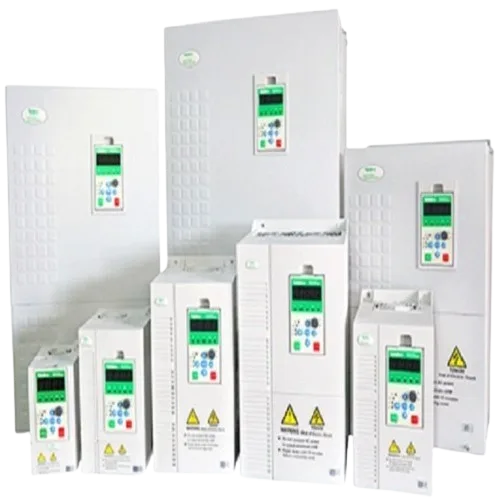
For automation projects requiring motor speed control, Paneltech Systems provides VFD Drive Solutions for efficient industrial operations.

Standard vs Custom Electrical Panel Delivery Times for Electrical Panel Lead Time Kenya

Custom electrical panels usually require longer Electrical Panel Lead Time Kenya because they involve detailed engineering, fabrication, testing, and project-specific modifications. Standard panels may have shorter delivery periods when components are readily available.

The type of electrical panel required directly affects the production timeline.

Panel Type Main Lead Time Factors
Distribution Board Breaker selection, enclosure size
LV Panel Busbar design, protection requirements
MCC Panel Motor controls, feeders, automation
APFC Panel Capacitor sizing and controller selection
ATS Panel Generator integration and control logic
VFD Panel Drive selection, programming, testing

Custom solutions provide better performance because they are designed according to actual operating requirements.

A properly planned Electrical Panel Lead Time Kenya allows businesses to receive equipment that matches their electrical infrastructure needs without unnecessary delays.
Electrical Panel Lead Time Kenya: What Drives Delivery and How to Plan Your Date

Manufacturing Process and Testing Stages of Electrical Panel Lead Time Kenya

The manufacturing process is a major factor affecting Electrical Panel Lead Time Kenya because fabrication, assembly, wiring, inspection, and testing must be completed before delivery. Proper quality control ensures the final panel meets safety and performance requirements.

Once engineering drawings are approved and components are available, the electrical panel enters the manufacturing stage.

The main manufacturing steps include:

1. Panel Fabrication

The enclosure is fabricated according to approved drawings and project requirements.

Fabrication includes:

  • Cutting and assembling enclosure sections
  • Mounting internal supports
  • Preparing cable entry points
  • Installing gland plates
  • Applying surface finishing and protection

The enclosure design must consider environmental conditions such as dust, humidity, temperature, and installation location.

2. Component Installation

Electrical components are installed according to the approved design.

This includes:

  • Circuit breakers
  • Contactors
  • Protection relays
  • Metering devices
  • Control equipment
  • Automation components

Correct component installation directly affects reliability and safety.

3. Internal Wiring and Assembly

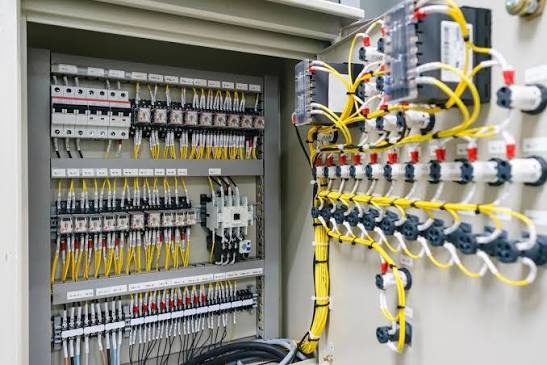
During assembly, engineers complete:

  • Power wiring
  • Control wiring
  • Terminal connections
  • Labelling
  • Earthing connections
  • Cable management

For complex systems, such as MCC panels and automation panels, wiring requirements can significantly influence Electrical Panel Lead Time Kenya.

4. Inspection and Testing

Before delivery, panels undergo quality checks and testing.

Testing may include:

  • Visual inspection
  • Wiring verification
  • Insulation resistance testing
  • Functional testing
  • Protection checks
  • Control circuit testing
IEC 61439 Compliance and Quality Assurance

Electrical panels used in industrial and commercial applications should comply with recognised international standards.

The key standard for low-voltage switchgear assemblies is:

IEC 61439 – Low-voltage switchgear and controlgear assemblies

This standard covers requirements related to Electrical Panel Lead Time Kenya:

  • Temperature rise limits
  • Insulation performance
  • Short-circuit withstand capability
  • Protection against electric shock
  • Mechanical strength
  • Assembly verification

When considering Electrical Panel Lead Time Kenya, testing requirements should be discussed early because additional verification steps may affect delivery schedules.

A quality electrical panel manufacturer should provide technical documentation including:

  • Single Line Diagram (SLD)
  • General arrangement drawings
  • Component datasheets
  • Test reports
  • Compliance documents

At Paneltech Systems, engineering processes focus on reliable electrical design, quality assembly, and solutions suitable for Kenyan operating environments.

Impact of Imported Components on Electrical Panel Delivery

Imported components can affect Electrical Panel Lead Time Kenya due to supplier availability, shipping schedules, customs clearance, and international logistics. Early identification of specialised components helps prevent project delays.

Many electrical panels manufactured in Kenya include components sourced from international brands.

Common imported components include:

  • Circuit breakers
  • Protection relays
  • Variable Frequency Drives
  • PLC systems
  • Energy meters
  • Automation controllers

While these components provide advanced performance and reliability, availability can affect delivery timelines.

Factors that may increase Electrical Panel Lead Time Kenya include:

Challenge Effect
Manufacturer stock shortages Delays component delivery
International shipping Extends procurement time
Customs clearance May delay arrival
Specification changes Requires reordering
Urgent replacements May increase project costs

To reduce delays, project teams should confirm component requirements early and avoid late design changes.

For energy management applications, Paneltech Systems provides APFC Solutions designed to improve power factor and electrical efficiency.

How to Reduce Electrical Panel Lead Time Kenya

Reducing Electrical Panel Lead Time Kenya requires early planning, complete technical information, fast approvals, and effective communication between clients, consultants, contractors, and manufacturers.

Project delays can often be avoided through better preparation.

1. Provide Complete Project Information Early

Before requesting a quotation, provide:

  • Load requirements
  • Voltage details
  • Protection requirements
  • Panel location
  • Environmental conditions
  • Control requirements

Complete information allows engineers to prepare accurate designs faster.

2. Approve Drawings Quickly

Drawing approval is one of the most important steps affecting delivery.

Delays can occur when:

  • Multiple revisions are required
  • Specifications change
  • Feedback is delayed

Fast approval helps manufacturers move directly into production.

3. Identify Long-Lead Components

Some components require additional procurement time.

Early identification helps manufacturers plan:

  • Ordering schedules
  • Alternative component options
  • Production timelines

4. Work With an Experienced Manufacturer

An experienced electrical panel supplier understands:

  • Local project requirements
  • Engineering standards
  • Component availability
  • Installation challenges

Choosing the right partner helps create a more predictable Electrical Panel Lead Time Kenya.

Environmental Conditions and Panel Design in Kenya

Environmental conditions affect Electrical Panel Lead Time Kenya because enclosure design, protection ratings, and material selection must match the installation location. 

Kenya has different environmental conditions that influence electrical panel design.

Coastal Areas: Mombasa and Humid Locations

Coastal areas experience:

  • High humidity
  • Salt exposure
  • Corrosion risks
  • Temperature changes

Panels installed in these areas may require:

  • Corrosion-resistant materials
  • Improved enclosure protection
  • Suitable IP ratings

Dusty Industrial and Rift Valley Areas

Dust can affect:

  • Cooling systems
  • Electrical contacts
  • Internal components
  • Control equipment

Higher protection levels may be required for harsh environments.

When planning Electrical Panel Lead Time Kenya, environmental requirements should be confirmed before manufacturing begins.

IP54 vs IP65 Electrical Panel Enclosures as the Electrical Panel Lead Time Kenya,

IP rating selection affects Electrical Panel Lead Time Kenya because enclosure requirements must be confirmed during the design stage. IP54 and IP65 provide different levels of protection depending on the installation environment.

Specification IP54 IP65
Dust protection Limited protection Complete dust protection
Water protection Protection against splashing Protection against water jets
Typical use Indoor electrical rooms Outdoor and harsh environments
Application Commercial and controlled industrial areas Dusty factories and exposed locations

Selecting the correct enclosure early prevents redesigns that may extend manufacturing timelines.

Electrical Panel Lead Time Kenya: Technical Specification Planning Table

A clear technical specification helps reduce Electrical Panel Lead Time Kenya by ensuring manufacturers understand project requirements before production begins.

Specification Requirement
Rated Voltage 400V / 415V Low Voltage Systems
Frequency 50Hz (Kenya Standard)
Enclosure Material Mild Steel, Stainless Steel, or Approved Materials
Protection Rating IP54, IP55, IP65 depending on environment
Mounting Type Floor-mounted or Wall-mounted
Busbar Material Copper or Aluminium
Standards Compliance IEC 61439 / IEC 60947
Application Industrial, Commercial, Residential, Renewable Energy

Frequently Asked Questions about Electrical Panel Lead Time Kenya,

How long does an electrical panel take to manufacture in Kenya?

Electrical Panel Lead Time Kenya depends on panel complexity, component availability, approvals, and testing requirements. Simple panels may require less time, while complex MCC and automation panels require longer engineering periods.

The best way to determine delivery time is through a detailed technical review.

Conclusion of Electrical Panel Lead Time Kenya,

Understanding Electrical Panel Lead Time Kenya helps businesses plan electrical installations more effectively and avoid unexpected project delays.

The delivery timeline depends on several factors, including engineering design, component availability, manufacturing requirements, testing procedures, and environmental considerations.

Contact Paneltech Systems Ltd

Reliable planning starts with choosing the right electrical engineering partner. Paneltech Systems helps clients manage Electrical Panel Lead Time Kenya through accurate design, quality manufacturing, testing, and professional technical support.

Contact Paneltech Systems Ltd
Powering Kenya's Future with Reliable Electrical Solutions

Email: [email protected]
Phone: 0799 531765
Location: Nairobi, Kenya
Website: https://paneltechsystems.co.ke/

Our Specialized Services:

  • Low Voltage (LV) Panels & APFC Panels
  • VFD Drive Solutions & ATS / MTS Systems
  • Solar Power & EV Charging Infrastructure
  • Electrical Supplies & Engineering Consultation
 
Electrical Panel Lead Time Kenya electrical panels Kenya LV panels Kenya low voltage panels Kenya electrical panel manufacturer Kenya

Frequently Asked Questions

Once engineering drawings are approved and components are available, the panel moves through fabrication, component installation, internal wiring and assembly, then inspection and testing. All of these must be completed before delivery, and quality control ensures the finished panel meets safety and performance requirements. Complex assemblies such as MCC and automation panels involve heavier wiring requirements, which can significantly influence the overall programme.
Before delivery, panels undergo quality checks and testing that may include visual inspection, wiring verification, insulation resistance testing, functional testing, protection checks and control circuit testing. Electrical panels used in industrial and commercial applications should comply with recognised international standards, and the key standard for low-voltage switchgear assemblies is IEC 61439.
Provide complete project information early, approve drawings quickly and identify long-lead components at the outset. Before requesting a quotation, supply load requirements, voltage details, protection requirements, panel location, environmental conditions and control requirements so engineers can prepare accurate designs faster. Delays commonly arise from repeated drawing revisions, changing specifications and slow feedback, while early identification of long-lead items allows ordering schedules and alternatives to be planned.
The enclosure is fabricated according to the approved drawings, which involves cutting and assembling enclosure sections, mounting internal supports, preparing cable entry points, installing gland plates and applying surface finishing and protection. The design must consider dust, humidity, temperature and installation location. Components such as circuit breakers, contactors, protection relays, metering devices, control equipment and automation components are then installed to the approved design.