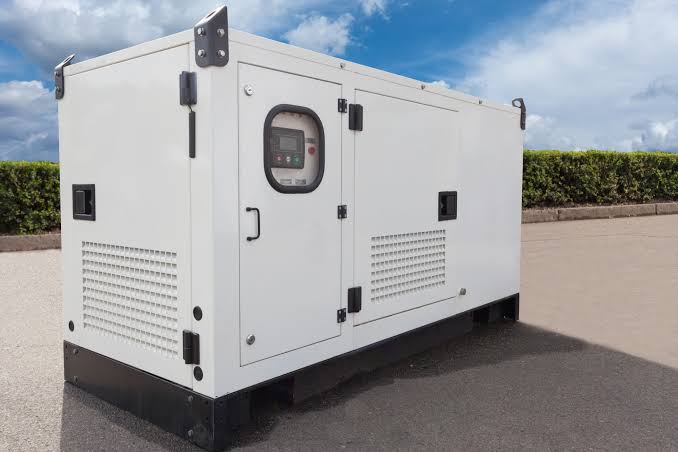
Electrical Panel Manufacturer in Nairobi Industrial Area
Paneltech Systems provides electrical panel and switchgear solutions for businesses and industrial facilities in Nairobi Industrial Area. Our capabilities include LV panels

Paneltech Systems Ltd. provides electrical panel manufacturing and switchgear solutions for industrial, commercial, and infrastructure projects in Nairobi Industrial Area. Our capabilities include LV panels, MCCs, APFC panels, control panels, automation systems, testing, commissioning, and engineering support.
Nairobi Industrial Area is one of Kenya's major commercial and industrial zones, with factories, warehouses, workshops, logistics facilities, offices, processing plants, and other businesses that depend on reliable electrical infrastructure.
Related Products

LV Panel
High-quality low voltage panels designed for reliable power distribution and protection in industrial and commercial installations.
View Product
Feeder Pillar Panels
Feeder pillar panels providing reliable power distribution solutions for outdoor and indoor industrial and commercial applications.
View Product
PLC Automation Panels
Advanced PLC automation panels for intelligent control of industrial processes, tailored to your operational requirements.
View Product
Protection Panels
Robust protection panels safeguarding electrical systems and equipment from faults, overloads and short circuits.
View ProductFor these facilities, electrical panels are more than simple distribution boxes. They form the control and protection point for electrical systems, helping distribute power, protect circuits, monitor equipment, and provide operators with safe and organized control.
Choosing an experienced electrical panel Nairobi Industrial Area supplier can therefore make a significant difference to project quality, installation coordination, maintenance, and future expansion.
Paneltech Systems Ltd. provides engineered electrical solutions for industrial and commercial applications in Nairobi and across Kenya. You can explore our electrical products and solutions or learn more about our company through the Paneltech Systems About page.
Electrical Panel Manufacturer Nairobi Industrial Area
Paneltech Systems designs and supplies electrical panels for factories, commercial buildings, infrastructure projects, and other facilities requiring reliable LV power distribution and control. Panel specifications are developed around the project's electrical load, protection requirements, equipment configuration, and operating environment.
An electrical panel is a critical part of a building or industrial electrical installation.
Depending on the application, a panel may contain:
- Incoming circuit breakers
- Outgoing circuit breakers
- Busbars
- Contactors
- Motor protection devices
- Protection relays
- Metering equipment
- Control components
- Surge protection
- Automatic power-factor correction equipment
- Variable-frequency drive equipment
- Communication interfaces
The correct panel configuration depends on what the installation is intended to accomplish.
A factory supplying several production lines may require a main LV switchboard and multiple downstream distribution panels.
A manufacturing facility operating many motors may require a dedicated Motor Control Centre (MCC).
A commercial building with significant inductive loads may require an Automatic Power Factor Correction (APFC) panel.
Paneltech Systems approaches panel design according to the application rather than relying on a generic enclosure configuration.
LV Panels for Nairobi Industrial Area Facilities
Low-voltage panels distribute electrical power from an incoming supply to downstream circuits while providing switching, protection, metering, and control. They can be configured for factories, warehouses, commercial buildings, institutions, and other facilities.
An LV switchboard may serve as the central distribution point between the incoming electrical supply and downstream loads.
Typical applications include:
- Manufacturing plants
- Warehouses
- Shopping facilities
- Office buildings
- Hotels
- Schools
- Hospitals
- Workshops
- Water facilities
- Commercial developments
A typical LV distribution arrangement may look like:
Utility / Generator → Main LV Panel → Distribution Boards → MCCs / Loads
The main panel may incorporate:
- Main incomer
- Busbar system
- Outgoing feeders
- Metering
- Protection
- Surge protection
- Generator incomer
- Automatic transfer functionality
Paneltech Systems provides Low Voltage panel solutions for applications where engineered electrical distribution is required.
MCC Panels for Industrial Facilities
Motor Control Centres centralize the control and protection of multiple motors and motor-driven loads. An MCC can simplify operation, maintenance, isolation, and monitoring in factories and other industrial facilities.
Industrial facilities often have many motors operating simultaneously.
Examples include motors driving:
- Pumps
- Conveyors
- Fans
- Compressors
- Mixers
- Processing equipment
- HVAC systems
- Material-handling equipment
Managing each motor through separate standalone equipment can make an installation difficult to operate and maintain.
An MCC groups motor-control equipment into a structured assembly.
Depending on the design, an MCC can include:
- Motor starters
- Contactors
- Motor protection
- Circuit breakers
- VFDs
- Control transformers
- PLC interfaces
- Metering
- Indication
- Emergency-stop circuits
The MCC can be designed around the facility's motor schedule and process requirements.
APFC Panels for Industrial Power Systems
APFC panels automatically control capacitor stages to improve power factor where appropriate. They can help industrial facilities manage reactive power and improve the utilization of electrical infrastructure.
Many industrial loads are inductive.
Examples include:
- Motors
- Transformers
- Compressors
- Pumps
- Welding equipment
These loads can create reactive power demand.
An APFC panel uses an automatic controller to monitor power-factor conditions and switch capacitor stages as required.
A typical APFC system may include:
- Capacitor banks
- APFC controller
- Contactors or switching equipment
- Protective devices
- Detuning reactors where required
- Busbars
- Ventilation
- Metering
The correct capacitor arrangement should be designed according to the actual load profile.
This is especially important in facilities containing nonlinear loads, VFDs, UPS systems, and other equipment that may introduce harmonics.
Custom Electrical Panels for Factories
Custom electrical panels allow the switchgear arrangement, protection, controls, metering, enclosure, and interfaces to be designed around the specific requirements of a facility. This can be particularly useful for factories with specialized machinery or complex production processes.
A standard panel may not always suit an industrial installation.
A custom design can account for:
- Number of feeders
- Motor schedule
- Load characteristics
- Available fault level
- Generator integration
- Solar integration
- Automation requirements
- Space limitations
- Cable-entry arrangements
- Future expansion
The design process can begin with information such as:
- Electrical single-line diagram
- Connected load
- Maximum demand
- Motor schedule
- Protection requirements
- Incoming supply characteristics
- Physical installation space
- Environmental conditions
This information allows engineers to develop a panel appropriate for the installation.
Switchgear Nairobi Industrial Area
Industrial facilities require switchgear that provides reliable switching, isolation, protection, and distribution of electrical power. Paneltech Systems supplies engineered switchgear solutions for applications requiring dependable LV electrical infrastructure.
Switchgear may include:
- Circuit breakers
- Isolators
- Contactors
- Protection relays
- Busbars
- Fuses
- Metering
- Control equipment
Selection depends on parameters such as:
- Rated voltage
- Rated current
- Short-circuit withstand
- Number of feeders
- Protection requirements
- Enclosure arrangement
- Installation environment
For industrial applications, switchgear must also be accessible for maintenance.
Poorly organized equipment can increase troubleshooting time and complicate future modifications.
Good panel engineering therefore considers both electrical performance and maintainability.
Electrical Panel Design and Engineering
Good electrical panel design begins with understanding the electrical load, fault conditions, protection requirements, operating environment, and future expansion needs. Engineering documentation should clearly define the panel's electrical and physical characteristics before fabrication.
A panel design may involve:
Load Assessment
Engineers establish:
- Connected load
- Maximum demand
- Diversity
- Motor loads
- Lighting
- General power
- Critical loads
Protection Coordination
Protective devices should be selected and coordinated according to the electrical system.
The objective is to ensure that a fault is cleared appropriately without unnecessarily disconnecting unaffected circuits.
Busbar Design
Busbars must be appropriately selected for:
- Current rating
- Temperature rise
- Short-circuit withstand
- Physical arrangement
- Insulation and clearances
Enclosure Design
The enclosure should be suitable for its environment.
Factors can include:
- Dust
- Humidity
- Temperature
- Corrosive atmosphere
- Indoor/outdoor installation
- Accessibility
Panel Enclosure Protection: IP Ratings
The enclosure IP rating indicates the degree of protection provided against solid objects and water under defined test conditions. The appropriate rating depends on the installation environment rather than simply selecting the highest available rating.
For example, industrial facilities can experience significant dust exposure.
Coastal facilities may also experience high humidity and salt-laden air.
Common enclosure considerations include:
| Environment | Key Considerations |
|---|---|
| Indoor clean electrical room | Dust and accidental contact |
| Dusty industrial facility | Dust ingress and ventilation |
| Outdoor installation | Rain, dust and UV exposure |
| Coastal environment | Humidity and corrosion |
| Wash-down area | Water exposure |
| Process plant | Heat, chemicals and contamination |
The panel's ventilation arrangement must also be considered.
A completely sealed enclosure can protect against external contamination but may require thermal-management measures to prevent excessive internal temperature.
Electrical Panels for Nairobi's Industrial Environment
Panels installed in Nairobi Industrial Area should be selected and designed according to the actual operating environment, load conditions, electrical room characteristics, and maintenance requirements. Industrial dust, heat, ventilation, and equipment loading can influence panel performance.
Industrial environments can place additional demands on electrical equipment.
A panel may be exposed to:
- Dust
- Mechanical vibration
- Heat
- Oil
- Moisture
- Chemicals
- Frequent switching
- High electrical loading
The design should therefore consider more than the electrical schematic.
Mechanical construction, ventilation, cable access, labeling, component accessibility, and maintenance space are also important.
Where environmental exposure is significant, the enclosure and component selection should reflect those conditions.
Panel Testing and Quality Control
Electrical panels should undergo appropriate inspection and testing before commissioning to verify construction, wiring, insulation, connections, protection, and functional performance. Testing requirements depend on the panel type and applicable project standards.
Panel testing can include:
- Visual inspection
- Mechanical inspection
- Wiring verification
- Continuity testing
- Insulation resistance testing
- Protective-device verification
- Functional testing
- Control-circuit testing
- Metering verification
- Interlock testing
Testing should be documented.
A proper test record can help the client, consultant, contractor, and maintenance team understand the condition of the equipment at handover.
For critical projects, factory inspection and testing can also provide an opportunity to identify issues before equipment reaches the site.
Panel Installation and Commissioning in Nairobi
Panel installation involves more than positioning the enclosure and connecting cables. Correct termination, earthing, protection settings, cable management, functional testing, and commissioning are essential to achieving reliable operation.
Before energization, engineers should verify:
- Panel location
- Mounting
- Cable entries
- Cable identification
- Earthing
- Phase sequence
- Terminations
- Breaker settings
- Protection settings
- Control circuits
- Interlocks
- Metering
Commissioning should follow the project requirements and equipment manufacturer's instructions.
Where the panel interfaces with generators, solar systems, VFDs, or automation equipment, functional testing should include those interfaces.
Lead Times for Electrical Panels in Nairobi
Electrical panel lead time depends on design complexity, component availability, enclosure requirements, approval procedures, fabrication, assembly, testing, and site-readiness. Early submission of technical information helps reduce avoidable project delays.
There is no single lead time for every panel.
A simple distribution board and a large automated MCC require very different engineering and manufacturing processes.
Factors affecting lead time include:
- Design approval
- Component selection
- Breaker availability
- Special components
- Enclosure fabrication
- Busbar fabrication
- Wiring
- Testing
- Client inspection
- Site installation
For project planning, clients should provide the available electrical documentation as early as possible.
This can include:
- Single-line diagrams
- Load schedules
- Equipment specifications
- Motor schedules
- Site dimensions
- Cable schedules
- Control requirements
Early technical coordination helps identify design changes before fabrication begins.
Electrical Panel Specifications Table
Every electrical panel should have documented electrical, mechanical, environmental, and protection specifications. These details help engineers select appropriate components and ensure the finished panel matches the project's requirements.
| Specification | Typical Design Consideration |
|---|---|
| Application | Distribution, MCC, APFC, control or automation |
| System Voltage | Project-specific LV system |
| Frequency | Typically 50 Hz in Kenya |
| Rated Current | Based on calculated load |
| Short-Circuit Rating | Based on available fault level |
| Enclosure | Steel or project-specified construction |
| IP Rating | Selected for installation environment |
| Busbar | Copper or approved specified material |
| Protection | Circuit breakers, fuses and relays |
| Metering | Voltage, current, energy or power-factor monitoring |
| Mounting | Floor-standing or wall-mounted |
| Cable Entry | Top, bottom or specified arrangement |
| Earthing | Main earth bar and equipment bonding |
| Testing | Inspection, electrical and functional tests |
| Standards | Applicable IEC/BS EN and project requirements |
The final specifications should always be confirmed against the project's approved electrical design and applicable standards.
Why Choose Paneltech Systems in Nairobi?
Paneltech Systems combines electrical panel manufacturing, engineering, automation, power distribution, testing, and commissioning capabilities to support projects from design through installation. This integrated approach can simplify technical coordination for industrial and commercial clients.
A panel supplier should be evaluated on more than price.
Important considerations include:
- Engineering capability
- Component quality
- Fabrication quality
- Documentation
- Testing
- Protection coordination
- Installation support
- Commissioning
- After-sales support
- Ability to accommodate future expansion
For an industrial facility, the electrical panel becomes part of the site's long-term infrastructure.
Choosing equipment that can be maintained, tested, modified, and expanded can therefore provide value beyond the initial purchase.
Paneltech Systems also provides VFD drive solutions for industrial motor-control applications.
Electrical Panel Manufacturer Serving Nairobi Industrial Area
Paneltech Systems Ltd. serves industrial and commercial electrical projects in Nairobi with panel manufacturing, switchgear, automation, power distribution, and engineering solutions. Our services are suitable for facilities requiring engineered electrical infrastructure rather than generic off-the-shelf assemblies.
For businesses in Nairobi Industrial Area, convenient access to engineering support can be valuable during:
- New installations
- Factory expansions
- Electrical upgrades
- Equipment replacements
- Fault investigations
- Preventive maintenance
- Automation projects
The company can support clients with electrical equipment requirements from the initial design stage through testing and commissioning.
For project enquiries, clients can use the Paneltech Systems Contact page to discuss their requirements.
Contact Paneltech Systems Ltd.
Powering Kenya's Future with Reliable Electrical Solutions
Paneltech Systems Ltd. provides electrical panel manufacturing, switchgear, automation, power distribution, and engineering solutions for industrial and commercial facilities in Nairobi and across Kenya.
Our Specialized Services
- Low Voltage (LV) Panels & APFC Panels
- VFD Drive Solutions & ATS / MTS Systems
- Solar Power & EV Charging Infrastructure
- Electrical Supplies & Engineering Consultations
Email: [email protected]
Phone: 0799 531765
Location: Nairobi, Kenya
Website: Paneltech Systems Ltd.
For electrical panel Nairobi Industrial Area requirements, contact Paneltech Systems to discuss your load schedule, single-line diagram, MCC requirements, APFC requirements, switchgear specifications, or industrial automation project.
You can also explore the Paneltech Systems Knowledge Centre for additional technical information.