Electrical Panels for Hotels in Kenya: Spec Guide |
Electrical panels for hotels in Kenya provide reliable power distribution for guest rooms, kitchens, lifts, HVAC systems and backup generators. Learn how LV panels, ATS systems and APFC solutions improve hotel safety, efficiency and uninterrupted guest experiences.

Electrical panels for hotels in Kenya are the backbone of uninterrupted hospitality operations, ensuring reliable power for guest rooms, kitchens, lifts, air conditioning systems and essential safety equipment.
Modern hotel electrical systems require intelligent distribution boards, automatic changeover systems and durable enclosures designed for Kenya’s demanding environments.
Hotels operate differently from ordinary commercial buildings. A guest expects lights, air conditioning, hot water, Wi-Fi, elevators and entertainment systems to work continuously regardless of grid interruptions. Behind this seamless experience is a carefully engineered electrical distribution system built around reliable electrical panels.
Related Products

LV Panel
High-quality low voltage panels designed for reliable power distribution and protection in industrial and commercial installations.
View Product
Panels For Data Centers
Specialised low voltage panels designed for data centre power distribution, ensuring high reliability and redundancy.
View Product
Protection Panels
Robust protection panels safeguarding electrical systems and equipment from faults, overloads and short circuits.
View Product
ATS / MTS Kenya
ATS/MTS solutions from Paneltech Systems provide reliable Automatic and Manual Transfer Switches for seamless power transfer in industrial and commercial electrical systems.
View ProductFor hotels across Nairobi, Mombasa, Kisumu, Naivasha and other tourism destinations, electrical panels must balance safety, efficiency, backup power integration and compliance with international standards. Panel design must also consider local challenges such as KPLC fluctuations, coastal humidity, dust exposure and high energy demand from hospitality equipment.
This guide explains how electrical panels for hotels in Kenya are designed, what systems they support, and why proper engineering is critical for guest satisfaction and operational reliability.
Why Are Electrical Panels Important for Hotels in Kenya?
Electrical panels for hotels in Kenya distribute and protect electrical power across multiple hotel systems, ensuring safe operation of guest facilities, commercial kitchens and building services.
A properly engineered panel system prevents downtime, protects equipment and allows smooth integration between KPLC supply and standby generators.
Hotels depend on continuous electrical supply because even short interruptions can affect guest experience and business operations. Unlike residential buildings, hotels have several high-load systems operating simultaneously.
A typical hotel electrical network supplies:
- Guest room lighting and socket circuits
- Air conditioning and ventilation systems
- Water heating systems
- Commercial kitchen equipment
- Refrigeration units
- Laundry equipment
- Elevators and escalators
- Security systems
- Fire detection and emergency systems
- ICT infrastructure
- Swimming pool equipment
- External lighting
A central electrical panel system manages these loads by separating circuits, providing protection and allowing engineers to monitor energy consumption.
For professional installation, hotels can work with experienced providers offering custom low voltage panel solutions designed around their specific electrical requirements.
How Do Hotel Electrical Panels Manage Guest Comfort Systems?Hotel electrical panels ensure guest comfort systems such as lighting, air conditioning, hot water and entertainment remain stable by distributing power through dedicated protected circuits.
Smart load management helps hotels maintain comfort while reducing energy waste and preventing overload conditions.
Guest comfort is directly connected to electrical reliability. A luxury hotel may have hundreds of rooms requiring simultaneous power for:
- LED lighting
- Television systems
- Charging outlets
- HVAC controls
- Mini refrigerators
- Smart room systems
- Bathroom heating equipment
A well-designed electrical distribution system separates guest room loads from heavy mechanical loads. This prevents equipment such as compressors or kitchen machinery from causing voltage disturbances that affect guest areas.
Hotel panels commonly include:
| Component | Purpose |
|---|---|
| Main Distribution Board (MDB) | Controls incoming electrical supply |
| Sub Distribution Boards (SDBs) | Feeds specific hotel zones |
| MCBs/MCCBs | Protect circuits from overloads |
| Surge Protection Devices (SPDs) | Protect sensitive electronics |
| Energy Monitoring Devices | Track consumption |
| Automatic Changeover Systems | Transfer power during outages |
For hotels implementing energy monitoring, integrating advanced electrical measurement equipment such as Rishabh electrical monitoring solutions helps facility teams analyse consumption patterns.
What Electrical Panel Features Are Required for Hotel Kitchens?Commercial hotel kitchens require specially designed electrical panels capable of handling high-power appliances such as ovens, refrigeration systems and cooking equipment.
Kitchen panels must provide reliable protection against overloads, heat, moisture and continuous operational demand.
Hotel kitchens are among the highest electrical consumers in any hospitality facility. Equipment may include:
- Electric ovens
- Induction cookers
- Dishwashers
- Cold rooms
- Freezers
- Extractor systems
- Coffee machines
- Food preparation equipment
Kitchen environments introduce additional engineering challenges:
- High temperatures
- Steam exposure
- Grease contamination
- Frequent equipment switching
Electrical panels installed near kitchens require appropriate enclosure protection and careful component selection.
A typical commercial kitchen panel specification may include:
| Specification | Requirement |
|---|---|
| Rated Voltage | 400V three-phase |
| Frequency | 50Hz |
| Enclosure Material | Powder-coated steel or stainless steel |
| Protection Rating | IP54 minimum, higher for humid areas |
| Mounting Type | Wall-mounted or floor-standing |
| Standards Compliance | IEC 61439, IEC 60947 |
Hotels located near the coast require additional protection due to salt-laden air. In areas such as Mombasa, Malindi and Diani, corrosion-resistant materials and higher IP ratings help extend panel lifespan.
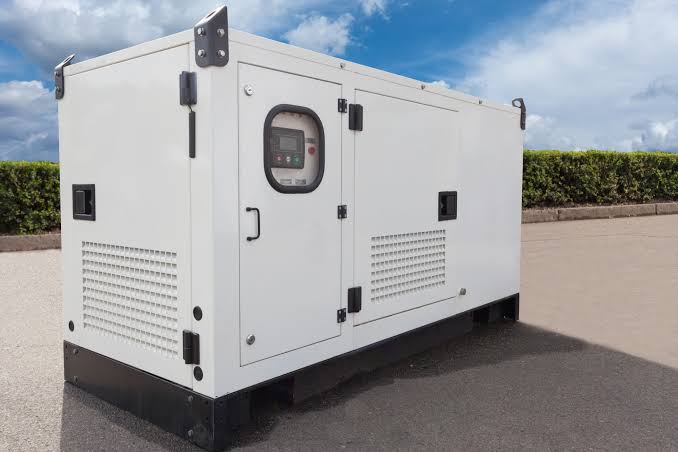
How Do Hotel Electrical Panels Provide Silent Generator Changeover?Electrical panels for hotels in Kenya integrate automatic transfer systems that move power from KPLC supply to generators without disturbing guests.
Silent changeover systems maintain continuous electricity by detecting outages and transferring loads automatically within seconds.
Power interruptions are unavoidable in many locations, making standby generators essential for hotels.
However, the transition between grid power and generator power must be smooth. A poorly designed system can cause:
- Guest complaints
- Equipment shutdowns
- Data loss
- Lift interruptions
- Kitchen disruptions
Automatic Transfer Switch (ATS) systems solve this challenge by monitoring incoming power and controlling the transition.
A hotel ATS system typically includes:
| Component | Function |
|---|---|
| Utility Input | Receives KPLC power |
| Generator Input | Receives standby generator supply |
| ATS Controller | Detects power failure |
| Motorised Switchgear | Transfers electrical load |
| Control Interface | Enables monitoring |
Hotels can integrate ATS and MTS systems into their electrical infrastructure for reliable backup power management.
Why Do Hotels in Kenya Need APFC Panels?APFC panels improve hotel electrical efficiency by correcting poor power factor caused by motors, compressors and HVAC equipment.
Installing automatic power factor correction systems reduces energy losses and helps businesses maintain efficient electrical performance.
Hotels operate many inductive loads, including:
- Air conditioning compressors
- Pumps
- Refrigeration systems
- Elevators
- Kitchen motors
These systems create reactive power, reducing electrical efficiency.
Automatic Power Factor Correction (APFC) panels automatically switch capacitor banks to maintain improved power factor levels.
Benefits include:
- Reduced electrical losses
- Better transformer performance
- Improved system capacity
- Lower risk of penalties
- Increased equipment lifespan
For large hospitality facilities, APFC panel solutions provide an effective way to optimise power quality.
How Should Hotel Electrical Panels Be Designed for Kenya’s Climate?Electrical panels installed in Kenya must be designed according to environmental conditions, including coastal humidity, urban dust and industrial exposure.
The correct IP rating and enclosure materials protect sensitive electrical components from premature failure.
Kenya has diverse environmental conditions:
Coastal Hotels
Hotels near the Indian Ocean face:
- Salt corrosion
- High humidity
- Moisture exposure
Recommended considerations:
- Stainless steel components
- Anti-corrosion coatings
- IP65-rated enclosures where required
Inland Hotels
Hotels in Nairobi, Nakuru and Rift Valley areas face:
- Dust accumulation
- Temperature changes
- Dry conditions
Recommended considerations:
- Dust-resistant enclosures
- Proper ventilation systems
- Regular maintenance schedules
The difference between IP54 and IP65 protection is important:
| Rating | Protection Level | Typical Application |
|---|---|---|
| IP54 | Protected against dust and water splashes | Indoor electrical rooms |
| IP65 | Dust-tight and protected against water jets | Coastal or exposed locations |
Hotel electrical panels must comply with recognised electrical standards to ensure safety, reliability and regulatory acceptance.
Compliance with IEC standards and Kenya’s electrical regulations supports safer installations and professional engineering practices.
Important standards include:
| Standard | Application |
|---|---|
| IEC 61439 | Low voltage switchgear assemblies |
| IEC 60947 | Switchgear and control equipment |
| BS EN Standards | Electrical equipment performance |
| EPRA Regulations | Energy sector compliance in Kenya |
Professional electrical engineering ensures hotel systems meet safety requirements while supporting future expansion.
Hotel Electrical Panel System Specifications Guide| Specification | Typical Hotel Requirement |
|---|---|
| System Voltage | 400/230V |
| Frequency | 50Hz |
| Supply Type | Three-phase distribution |
| Incoming Source | KPLC + Generator |
| Backup Integration | ATS System |
| Enclosure Rating | IP54–IP65 depending on environment |
| Construction | Powder-coated steel or stainless steel |
| Protection Devices | MCCB, MCB, SPD, RCCB |
| Standards | IEC 61439 compliant |
| Installation | Indoor electrical room or protected outdoor enclosure |
How Can Hotels Reduce Electrical Downtime?
Hotels reduce electrical downtime through preventive maintenance, proper load management and professionally engineered panel systems.
Regular inspections identify overheating, loose connections and component failures before they affect guests.
Recommended maintenance practices include:
- Thermal scanning of connections
- Checking breaker operation
- Testing ATS functionality
- Inspecting capacitor banks
- Cleaning dust from panels
- Reviewing energy consumption data
Modern facilities may also integrate automation systems using VFD drive solutions to improve motor efficiency for pumps, ventilation and HVAC systems.
Why Choose Paneltech Systems Ltd for Hotel Electrical Panels in Kenya?Paneltech Systems Ltd designs electrical panel solutions for hotels that require reliable power distribution, backup integration and long-term operational performance.
The company provides engineered solutions suitable for hospitality facilities across Kenya and East Africa.
From guest room distribution to commercial kitchen power systems, Paneltech Systems supports:
- Hotel electrical panel design
- LV panel manufacturing
- APFC solutions
- ATS and generator integration
- Energy management systems
- Solar and renewable energy solutions
Explore Paneltech Systems electrical solutions for professionally engineered power infrastructure.
Frequently Asked Questions About Electrical Panels for Hotels in KenyaWhat type of electrical panel does a hotel need?
Hotels typically require a combination of main distribution boards, sub-distribution boards, ATS systems, APFC panels and specialised control panels.
Can hotel electrical panels work with generators?
Yes. Electrical panels can integrate automatic transfer switches to move between KPLC supply and generator power automatically.
Are IP65 panels necessary for coastal hotels?
Coastal hotels often benefit from higher protection ratings because humidity and salt exposure increase corrosion risks.
How often should hotel electrical panels be maintained?
Regular inspections are recommended, with frequency depending on hotel size, electrical load and operating conditions.
Can solar power be integrated into hotel electrical systems?
Yes. Solar systems can be integrated through dedicated AC distribution boards and energy management solutions.
ConclusionElectrical panels for hotels in Kenya are critical infrastructure that supports guest comfort, kitchen operations, backup power and energy efficiency. From silent generator changeover systems to APFC power optimisation, every component must be carefully engineered.
Hotels require electrical solutions that can handle Kenya’s environmental conditions, changing power demands and strict safety expectations. Working with an experienced electrical engineering partner ensures reliable performance, reduced downtime and a better guest experience.
Contact Paneltech Systems Ltd
Powering Kenya's Future with Reliable Electrical Solutions
Email: [email protected]
Phone: 0799 531765
Location: Nairobi, Kenya
Website: https://paneltechsystems.co.ke/
Our Specialized Services:
- Low Voltage (LV) Panels & APFC Panels
- VFD Drive Solutions & ATS / MTS Systems
- Solar Power & EV Charging Infrastructure
- Electrical Supplies & Engineering Consultations