Electrical Panels for Textile Factories in Kenya
Electrical panels for textile factories in Kenya provide reliable power distribution, motor control, and automation for looms, dye houses, boilers, and production equipment. Discover how customised LV panels, MCCs, APFC systems, and VFD solutions improve efficiency
Kenya’s textile and apparel industry continues to grow as manufacturers invest in modern production equipment, export-oriented facilities, and energy-efficient manufacturing processes. From spinning and weaving to dyeing, finishing, and garment production, textile factories depend on reliable electrical systems to maintain consistent output and product quality.
Textile production environments are electrically demanding because they combine high-speed machinery, variable motor loads, heating systems, humidity, and continuous production schedules. Equipment such as looms, spinning machines, compressors, pumps, boilers, and dye-house systems require precise power control and protection.
Related Products

Protection Panels
Robust protection panels safeguarding electrical systems and equipment from faults, overloads and short circuits.
View Product
Feeder Pillar Panels
Feeder pillar panels providing reliable power distribution solutions for outdoor and indoor industrial and commercial applications.
View Product
PLC Automation Panels
Advanced PLC automation panels for intelligent control of industrial processes, tailored to your operational requirements.
View Product
Panels For Data Centers
Specialised low voltage panels designed for data centre power distribution, ensuring high reliability and redundancy.
View ProductElectrical panels for textile factories in Kenya provide safe power distribution, motor control, automation, and equipment protection for demanding manufacturing environments. These panels are engineered to handle sensitive textile machinery, high motor starting currents, humidity exposure, and continuous industrial operations.
A properly designed electrical panel improves factory efficiency by reducing downtime, protecting production equipment, managing energy consumption, and supporting compliance with IEC electrical standards and Kenyan regulations.
Paneltech Systems Ltd designs and manufactures industrial electrical solutions for manufacturing facilities across Kenya. Our expertise includes Low Voltage Panels, motor control centres, automation panels, APFC systems, and customised electrical distribution solutions for industrial applications.
Learn more about our engineering capabilities through the Paneltech Systems Ltd website and explore our company background on the About Paneltech Systems page.
Why Electrical Panels for Textile Factories in Kenya Require Special EngineeringElectrical panels for textile factories in Kenya must be designed around the unique challenges of textile manufacturing, including high-speed machinery, humidity, heat generation, and fluctuating production loads.
Industrial-grade panels ensure reliable operation by protecting electrical components from environmental conditions while providing accurate control over motors, heating systems, and automated processes.
Textile factories operate multiple production sections, each with specific electrical requirements:
- Spinning departments
- Weaving and loom sections
- Dye houses
- Finishing plants
- Boiler rooms
- Compressor rooms
- Packaging areas
- Storage facilities
Each area depends on electrical systems that can operate continuously with minimal interruption.
A poorly designed electrical system can result in:
- Unexpected machine stoppages
- Product quality variations
- Motor failures
- Increased energy costs
- Production delays
- Safety risks
Modern textile factories require electrical panels that provide:
- Reliable power distribution
- Motor protection
- Automation control
- Energy monitoring
- Fault detection
- Easy maintenance access
Electrical panels for textile factories in Kenya support every stage of textile production by controlling machinery, motors, heating systems, and automated processes.
From high-speed looms to humidity-sensitive dye houses, customised industrial panels help manufacturers maintain stable production conditions and improve operational efficiency.
Loom and Weaving Machine Control
Looms are among the most critical machines in textile production. They require precise motor control to maintain consistent speed, tension, and fabric quality.
Electrical panels manage:
- Loom motors
- Drive systems
- Machine control circuits
- Safety interlocks
- Emergency stop systems
- Production monitoring equipment
Modern weaving machines often use electronic drives that require clean and stable power supplies. Voltage fluctuations can affect machine performance and cause production defects.
Paneltech Systems designs reliable industrial control solutions that support sensitive textile machinery while ensuring electrical safety.
Spinning Machine Power Control
Spinning operations involve multiple motors running continuously at high speeds.
Electrical panels provide control and protection for:
- Spinning frames
- Drafting systems
- Cooling fans
- Suction systems
- Material handling equipment
Motor protection is essential because unexpected failures can interrupt entire production lines.
Control systems can include:
- Overload protection
- Short circuit protection
- Motor starters
- VFD speed control
- Monitoring systems
Dye House Electrical Systems
Dye-house environments require specially designed electrical panels because they combine moisture, chemicals, heat, and continuous equipment operation.
Panels installed in dyeing areas require appropriate enclosure protection and corrosion-resistant materials to maintain reliable performance in humid industrial conditions.
Dye houses typically include:
- Dyeing machines
- Circulation pumps
- Heating systems
- Chemical dosing pumps
- Water treatment systems
- Drying equipment
The presence of moisture and chemicals makes enclosure selection extremely important.
Depending on installation conditions, factories may require:
- IP54-rated enclosures for controlled indoor areas
- IP65-rated enclosures for exposed production environments
- Stainless steel enclosures for corrosive locations
Panel design must also consider:
- Cable entry protection
- Ventilation requirements
- Component spacing
- Condensation prevention
Boiler systems are essential in many textile factories because steam is required for dyeing, finishing, washing, and other heat-based processes. Electrical panels must safely control boiler auxiliary equipment and associated loads.
Properly engineered boiler control panels improve operational safety, energy efficiency, and reliability by managing pumps, fans, heaters, and monitoring systems.
Typical boiler-related electrical loads include:
- Feed water pumps
- Burner systems
- Forced draft fans
- Control valves
- Circulation pumps
- Monitoring instruments
Electrical panels supporting boiler systems must provide:
- Motor protection
- Automatic sequencing
- Emergency shutdown functions
- Temperature and pressure monitoring integration
- Safe isolation during maintenance
Reliable boiler operation is critical because a failure can stop multiple textile production stages simultaneously.
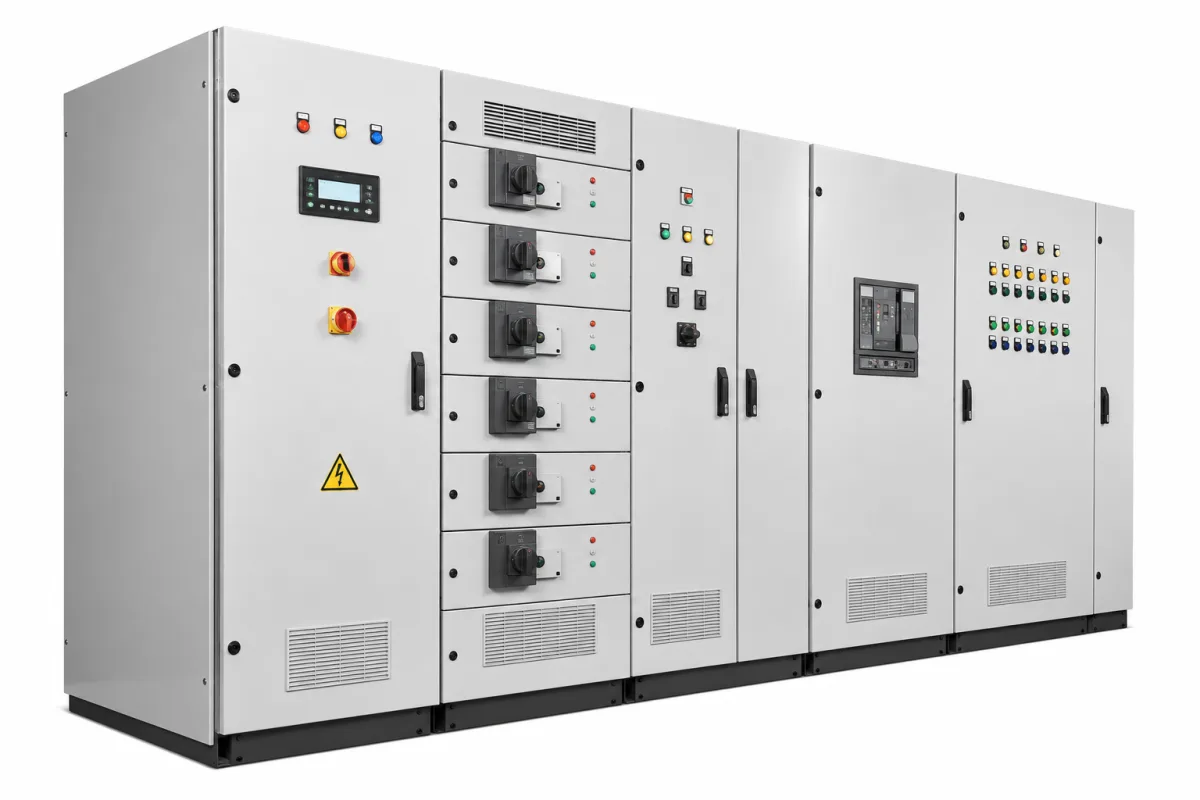
Motor Control Centres (MCCs) for Textile FactoriesMotor Control Centres are a key component of electrical panels for textile factories in Kenya because they centralise control and protection for multiple industrial motors.
MCC panels allow operators to monitor equipment status, isolate faults quickly, and manage production machinery from a single electrical control location.
Textile factories use MCC systems for:
- Loom motors
- Pumps
- Compressors
- Fans
- Conveyors
- Dye-house equipment
- Boiler auxiliaries
Benefits of MCC systems include:
- Improved maintenance efficiency
- Better motor protection
- Reduced downtime
- Simplified troubleshooting
- Safer equipment operation
Paneltech Systems provides customised Motor Control Panel solutions designed for industrial environments requiring dependable motor management.
Managing Power Quality Challenges in Kenyan Textile FactoriesElectrical panels for textile factories in Kenya must account for power quality issues such as voltage fluctuations, harmonics, and high motor starting currents that can affect sensitive production equipment.
Proper electrical design, including protection devices, power factor correction, and drive systems, helps factories maintain stable operations despite challenges on the national grid.
Textile machinery requires consistent electrical supply because even short disturbances can affect:
- Loom synchronisation
- Motor speed control
- Automation systems
- Production quality
Common electrical challenges include:
- KPLC voltage variations
- High starting currents
- Harmonic distortion from electronic drives
- Poor power factor
- Uneven load distribution
Solutions include:
- Automatic Power Factor Correction (APFC) panels
- Variable Frequency Drives (VFDs)
- Surge protection devices
- Energy monitoring systems
- Proper load balancing
Paneltech Systems supplies APFC Panel Solutions that help industrial facilities improve power efficiency and reduce unnecessary electrical losses.
Variable Frequency Drives (VFDs) in Textile ManufacturingVFD technology is increasingly important in textile factories because many machines require precise speed control to maintain product quality and reduce energy consumption.
Electrical panels integrated with VFDs provide smoother motor operation, lower starting currents, and better control over production processes.
Common VFD applications include:
- Loom drives
- Pumps
- Fans
- Compressors
- Spinning equipment
- Dye-house circulation systems
Advantages include:
- Reduced mechanical stress
- Improved process control
- Energy savings
- Extended motor lifespan
- Reduced maintenance costs
Paneltech Systems provides VFD Drive Solutions for industrial applications requiring accurate and efficient motor control.
Contact Paneltech Systems Ltd
Powering Kenya's Future with Reliable Electrical Solutions
For reliable electrical panels for textile factories in Kenya, Paneltech Systems Ltd provides customised industrial solutions designed to support demanding manufacturing environments. From loom power control and dye-house automation to boiler load management and factory-wide electrical distribution, our engineering team delivers solutions built for performance, safety, and efficiency.
Our Specialized Services:
- Low Voltage (LV) Panels & APFC Panels
- VFD Drive Solutions & ATS / MTS Systems
- Solar Power & EV Charging Infrastructure
- Electrical Supplies & Engineering Consultations
Contact Paneltech Systems Ltd
Email: [email protected]
Phone: 0799 531765
Location: Nairobi, Kenya
Website: https://paneltechsystems.co.ke/