Electrical Panels Mombasa: Switchgear for Coastal Kenya
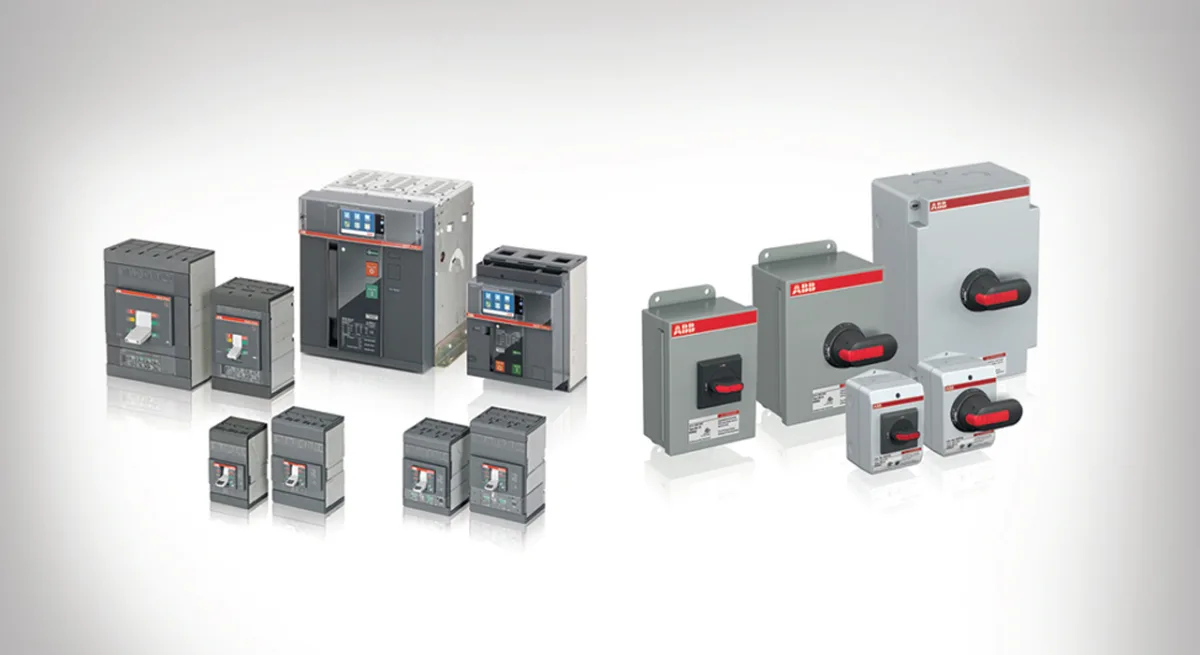
Paneltech Systems provides electrical panels and switchgear solutions for industrial, commercial, and infrastructure projects in Mombasa and across coastal Kenya. Panel designs can account for humidity, salt-laden air, corrosion risk,

Paneltech Systems Ltd. provides electrical panels and switchgear solutions for industrial, commercial, hospitality, infrastructure, and other projects in Mombasa and across coastal Kenya. Coastal panel installations require careful consideration of humidity, salt-laden air, corrosion, enclosure protection, ventilation, and maintenance.
Mombasa presents electrical equipment with environmental conditions that differ from many inland locations. The combination of humidity, warm temperatures, airborne salt, and proximity to the Indian Ocean can accelerate corrosion of exposed metalwork and electrical components when equipment is not appropriately specified.
For this reason, choosing electrical panels Mombasa projects require should involve more than selecting circuit breakers and an enclosure. Engineers should consider the complete operating environment, including enclosure construction, IP rating, corrosion protection, cable entries, ventilation, component selection, and maintenance access.
Paneltech Systems Ltd. provides electrical engineering and power distribution solutions for industrial and commercial projects in Kenya and East Africa. Explore our electrical products and solutions or learn more about the company through the Paneltech Systems About page.
Electrical Panel Manufacturer Serving Mombasa
Paneltech Systems designs and supplies electrical panels for commercial, industrial, infrastructure, and energy applications serving Mombasa and other coastal locations. Panel configurations can be developed around the project's load, protection requirements, operating environment, and future expansion needs.
Electrical panels form the central point for power distribution and protection in many facilities.
Depending on the application, a panel may incorporate:
- Incoming circuit breakers
- Outgoing feeders
- Copper busbars
- Protection devices
- Metering
- Contactors
- Motor starters
- Protection relays
- Surge protection
- APFC equipment
- Control equipment
- Automation interfaces
The appropriate configuration depends on the facility.
For example, a hotel may require distribution boards, generator changeover systems, and dedicated mechanical-services panels.
A manufacturing plant may require a main LV switchboard, MCCs, APFC panels, and control panels.
A logistics warehouse may require large distribution panels serving lighting, material-handling equipment, HVAC systems, and general power.
Paneltech Systems can support these different requirements through engineered panel solutions.
Why Coastal Conditions Matter for Electrical Panels
Salt-laden air and high humidity can accelerate corrosion of metal components, fasteners, cable glands, busbar connections, and enclosure surfaces. Electrical panels installed in Mombasa therefore require environmental protection appropriate to their exact location and exposure.
Coastal environments can be particularly demanding for electrical equipment.
Salt particles carried in humid air can settle on exposed surfaces.
When combined with moisture, contaminants can contribute to corrosion.
Potentially affected components include:
- Enclosure surfaces
- Hinges
- Locks
- Fasteners
- Cable glands
- Earthing connections
- Busbar hardware
- Mounting hardware
- External control components
The risk depends on the actual installation environment.
A sealed panel inside a clean, air-conditioned electrical room may experience substantially less exposure than a panel installed outdoors near the coastline.
The panel specification should therefore be based on the real site conditions.
Switchgear Coast Kenya: Choosing the Right Equipment
Switchgear for the Kenyan coast should be selected according to voltage, current, fault level, environmental exposure, switching frequency, enclosure requirements, and maintenance conditions. Coastal exposure adds corrosion protection to the list of important design considerations.
Switchgear provides essential functions including:
- Switching
- Isolation
- Protection
- Distribution
- Control
- Metering
Typical switchgear components include:
- Circuit breakers
- Isolators
- Contactors
- Fuses
- Protection relays
- Busbars
- Metering equipment
For an industrial installation, engineers must consider the available fault current as well as the normal operating current.
Selecting equipment based only on the load current can be inadequate.
The switchgear should be suitable for the system's electrical characteristics and installation environment.
LV Panels for Mombasa Industrial Facilities
Low-voltage panels distribute power from the incoming supply to downstream circuits and equipment. In Mombasa industrial facilities, LV panel design should combine electrical performance with protection against the local environmental conditions.
LV panels may serve:
- Factories
- Warehouses
- Hotels
- Offices
- Hospitals
- Shopping centres
- Workshops
- Water facilities
- Port-related facilities
- Commercial developments
A typical arrangement may be:
Utility / Transformer → Main LV Panel → Distribution Panels → MCCs → Loads
The main panel can incorporate multiple outgoing feeders for different sections of a facility.
Paneltech Systems provides Low Voltage panel solutions for industrial and commercial power distribution applications.
The panel can be engineered around the project's:
- Maximum demand
- Feeder schedule
- Short-circuit level
- Protection requirements
- Cable arrangement
- Metering requirements
- Future expansion
Corrosion Protection for Coastal Electrical Panels
Corrosion protection can involve appropriate enclosure materials, surface treatment, coatings, hardware selection, sealing, ventilation strategy, and maintenance. The correct combination depends on the panel's exposure and installation environment.
There is no single corrosion-protection solution suitable for every coastal installation.
Engineers may consider:
Enclosure Material
The enclosure material should be appropriate for the environment.
Depending on the application, specifications may consider:
- Mild steel with suitable coating
- Stainless steel
- Other corrosion-resistant construction
- Special protective finishes
Surface Treatment
Where painted steel is used, the surface preparation and coating system become important.
Damage to a coating can expose the underlying metal to the environment.
Hardware
Small components can become weak points.
These include:
- Screws
- Hinges
- Locks
- Washers
- Mounting brackets
- Cable glands
Hardware should therefore be selected with the environment in mind.
Cable Entries
Poorly sealed cable entries can allow moisture and contaminants into the enclosure.
Appropriate glands and sealing arrangements are therefore important.
IP Rating for Electrical Panels in Mombasa
The IP rating indicates an enclosure's protection against solid ingress and water under defined test conditions, but IP rating alone does not describe corrosion resistance. Coastal panel selection should therefore consider both ingress protection and material/corrosion performance.
This distinction is particularly important in Mombasa.
A high IP rating does not automatically mean that an enclosure is resistant to salt-air corrosion.
For example, an enclosure may have good protection against water ingress but still require appropriate material or coating selection for a corrosive coastal atmosphere.
Engineers should therefore consider:
- IP rating
- Corrosion category/exposure
- Enclosure material
- Coating system
- Cable-gland sealing
- Internal condensation
- Ventilation
- Maintenance
IP54 vs IP65
IP54 provides protection against limited dust ingress and water splashing from specified directions.
IP65 provides a higher degree of protection against dust ingress and water jets under defined test conditions.
The correct rating depends on the installation.
An outdoor panel exposed to rain and dust may require a different enclosure specification from an indoor panel installed inside a controlled electrical room.
Humidity and Condensation Inside Electrical Panels
Coastal humidity can create condensation risks inside electrical enclosures when temperature changes cause moisture to form on internal surfaces. Panel design may therefore require appropriate heating, ventilation, sealing, or condensation-control measures.
Condensation can be particularly problematic when equipment experiences repeated temperature changes.
For example:
Warm humid air → cooling → moisture condensation → conductive contamination
Potential consequences include:
- Insulation degradation
- Corrosion
- Tracking
- Electrical faults
- Reduced component life
Depending on the application, engineers may consider:
- Anti-condensation heaters
- Thermostats
- Hygrostats
- Controlled ventilation
- Proper enclosure sealing
- Appropriate drainage arrangements
The solution should be based on the actual panel environment rather than automatically applying one configuration to every installation.
MCC Panels for Coastal Industrial Applications
Motor Control Centres centralize the control and protection of motors and can be configured for industrial facilities in Mombasa. Coastal MCCs require the same electrical engineering considerations as inland systems, with additional attention to environmental exposure and corrosion protection.
Industrial facilities can have many motor-driven loads.
Examples include:
- Pumps
- Conveyors
- Fans
- Compressors
- Mixers
- Chillers
- Processing machinery
An MCC can group the associated motor-control equipment into a structured assembly.
Possible components include:
- Motor circuit breakers
- Contactors
- Overload relays
- VFDs
- Control transformers
- Metering
- PLC interfaces
- Local controls
Where appropriate, Paneltech Systems can integrate VFD drive solutions into motor-control applications.
The MCC enclosure and components should also be selected for the actual coastal operating environment.
APFC Panels for Mombasa Businesses
Automatic Power Factor Correction panels can automatically switch capacitor stages to manage reactive power demand where appropriate. Their design should account for the facility's load profile, harmonic environment, capacitor requirements, and electrical distribution system.
Large commercial and industrial facilities may have substantial inductive loads.
These include:
- Motors
- Pumps
- Compressors
- Transformers
- HVAC equipment
An APFC panel can use a controller to monitor power-factor conditions and switch capacitor stages as necessary.
A typical APFC panel may include:
- Capacitor banks
- APFC controller
- Switching contactors
- Protective devices
- Detuning reactors where required
- Busbars
- Metering
- Ventilation
Where a facility has significant nonlinear loads, harmonic assessment may be required before selecting capacitor equipment.
Electrical Panels for Hotels and Hospitality Facilities in Mombasa
Hotels and hospitality facilities require reliable electrical distribution because they often combine guest-room loads, HVAC, pumps, kitchens, lighting, lifts, water systems, and backup power. Panel design should allow these loads to be distributed and protected in an organized manner.
Mombasa has a significant hospitality sector, with facilities ranging from small accommodation businesses to large resorts.
A hotel electrical system may include:
- Guest-room distribution
- Kitchen equipment
- HVAC
- Water pumps
- Swimming-pool systems
- Laundry equipment
- Lighting
- Lifts
- Fire systems
- Security systems
- Backup generators
- Solar systems
These loads may require separate distribution and protection arrangements.
Critical loads may also require generator or alternative-power integration.
This makes coordinated switchgear and distribution-panel design particularly important.
Solar Power and Coastal Electrical Installations
Solar installations in coastal areas require both electrical protection and environmental consideration because PV equipment can be exposed to humidity, salt air, heat, and outdoor weather. AC and DC equipment should be specified according to their installation environment and system requirements.
Solar PV systems can include:
- PV modules
- DC combiner equipment
- Inverters
- AC distribution
- DC cabling
- Surge protection
- Battery systems
- Monitoring equipment
Paneltech Systems provides solar AC/DC combiner solutions for renewable-energy applications.
For coastal installations, the design should consider:
- Enclosure material
- Cable glands
- IP rating
- Corrosion resistance
- Ventilation
- Condensation
- Surge protection
- Earthing and bonding
Equipment located outdoors may require a more robust environmental specification than equipment installed inside a protected electrical room.
System Specifications for Coastal Electrical Panels
A coastal electrical panel specification should document electrical ratings as well as enclosure, environmental, corrosion, mounting, protection, and maintenance requirements. These details help ensure that the finished panel is suitable for the actual Mombasa installation.
| Specification | Design Consideration |
|---|---|
| Application | LV distribution, MCC, APFC, control or automation |
| System Voltage | Project-specific LV system |
| Frequency | Typically 50 Hz in Kenya |
| Rated Current | Based on calculated maximum demand |
| Short-Circuit Rating | Based on available fault level |
| Enclosure | Suitable for environmental exposure |
| IP Rating | Selected according to installation conditions |
| Corrosion Protection | Material/coating appropriate for coastal exposure |
| Busbars | Copper or specified approved material |
| Cable Entry | Appropriate sealed gland arrangement |
| Earthing | Dedicated earth bar and bonding |
| Condensation Control | Consider heaters/ventilation where necessary |
| Surge Protection | Selected according to system risk |
| Mounting | Indoor, outdoor, wall-mounted or floor-standing |
| Testing | Inspection and electrical/functional testing |
| Documentation | Drawings, schedules and test records |
Final specifications should be established according to the project design and applicable standards.
Panel Testing and Commissioning in Mombasa
Electrical panels should be inspected and tested before energization to verify construction, wiring, insulation, connections, protection, and functional operation. Coastal installations should also be checked for enclosure integrity and environmental protection.
Testing may include:
- Visual inspection
- Mechanical inspection
- Wiring verification
- Continuity testing
- Insulation resistance testing
- Functional testing
- Protection-device verification
- Metering checks
- Interlock testing
- Earthing verification
Before energization, engineers should also verify that:
- Cable glands are correctly installed.
- Unused openings are sealed.
- Enclosure doors close correctly.
- Earthing connections are secure.
- Protective devices have appropriate settings.
- Internal components are correctly identified.
This is particularly important for equipment exposed to humidity and salt-laden air.
Maintaining Electrical Panels on the Kenyan Coast
Regular inspection and maintenance can help identify corrosion, loose connections, contamination, condensation, and component deterioration before they cause electrical failures. Coastal installations may require more frequent inspection depending on exposure.
A maintenance programme may include:
Visual Inspection
Look for:
- Rust
- Coating damage
- Moisture
- Salt deposits
- Discolouration
- Damaged seals
Connection Inspection
Check appropriate electrical and mechanical connections for signs of deterioration.
Thermal Inspection
Thermographic inspection can identify abnormal heating at:
- Busbar joints
- Breaker terminals
- Cable terminations
- Contactors
- Other high-current connections
Cleaning
Contamination should be removed using methods appropriate for the equipment and manufacturer's instructions.
Functional Testing
Protection and switching equipment should be tested according to the maintenance programme.
Why Choose Paneltech Systems for Mombasa Projects?
Paneltech Systems combines panel manufacturing, electrical engineering, automation, power distribution, and related electrical solutions for industrial and commercial projects. This allows coastal projects to consider electrical performance and environmental durability together.
When selecting an electrical panel supplier for a coastal project, consider:
- Engineering capability
- Component quality
- Panel construction
- Environmental suitability
- Protection coordination
- Testing
- Documentation
- Installation support
- Commissioning
- Maintenance support
The lowest initial purchase price does not necessarily represent the lowest lifecycle cost.
A panel that is poorly suited to a coastal environment may experience premature corrosion, increased maintenance requirements, and reduced equipment reliability.
Appropriate environmental specification can therefore be an important investment in long-term electrical infrastructure.
Explore the Paneltech Systems Knowledge Centre for additional technical information.
Electrical Panels Mombasa for Industrial and Commercial Projects
Paneltech Systems can support electrical panel requirements for factories, hotels, warehouses, offices, infrastructure facilities, commercial developments, and other projects in Mombasa and coastal Kenya. Panel selection can be developed around the project's electrical loads, environmental conditions, protection requirements, and future needs.
A project enquiry should ideally include:
- Single-line diagram
- Load schedule
- Maximum demand
- Incoming supply information
- Short-circuit information
- Motor schedule
- Panel dimensions or space restrictions
- Indoor/outdoor location
- Environmental conditions
- Required protection
- Metering requirements
Providing this information allows the panel design to be developed more efficiently.
For project discussions and quotations, use the Paneltech Systems Contact page.
Contact Paneltech Systems Ltd.
Powering Kenya's Future with Reliable Electrical Solutions
Paneltech Systems Ltd. provides electrical panel manufacturing, switchgear, LV distribution, automation, APFC, VFD, solar, and electrical engineering solutions for projects in Mombasa and across Kenya.
Our Specialized Services
- Low Voltage (LV) Panels & APFC Panels
- VFD Drive Solutions & ATS / MTS Systems
- Solar Power & EV Charging Infrastructure
- Electrical Supplies & Engineering Consultations
Email: [email protected]
Phone: 0799 531765
Location: Nairobi, Kenya
Website: Paneltech Systems Ltd.
For electrical panels Mombasa requirements, contact Paneltech Systems to discuss your LV panel, MCC, APFC, switchgear, control-panel, solar, or industrial electrical project.
Whether the project is located in Mombasa, Kilifi, Diani, Malindi, or another coastal location, the electrical equipment should be specified according to its actual exposure to humidity, salt air, dust, heat, and other environmental conditions.