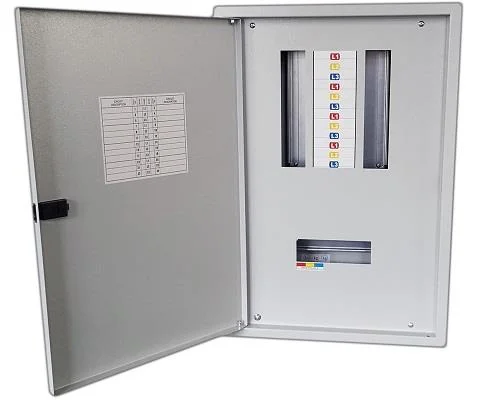
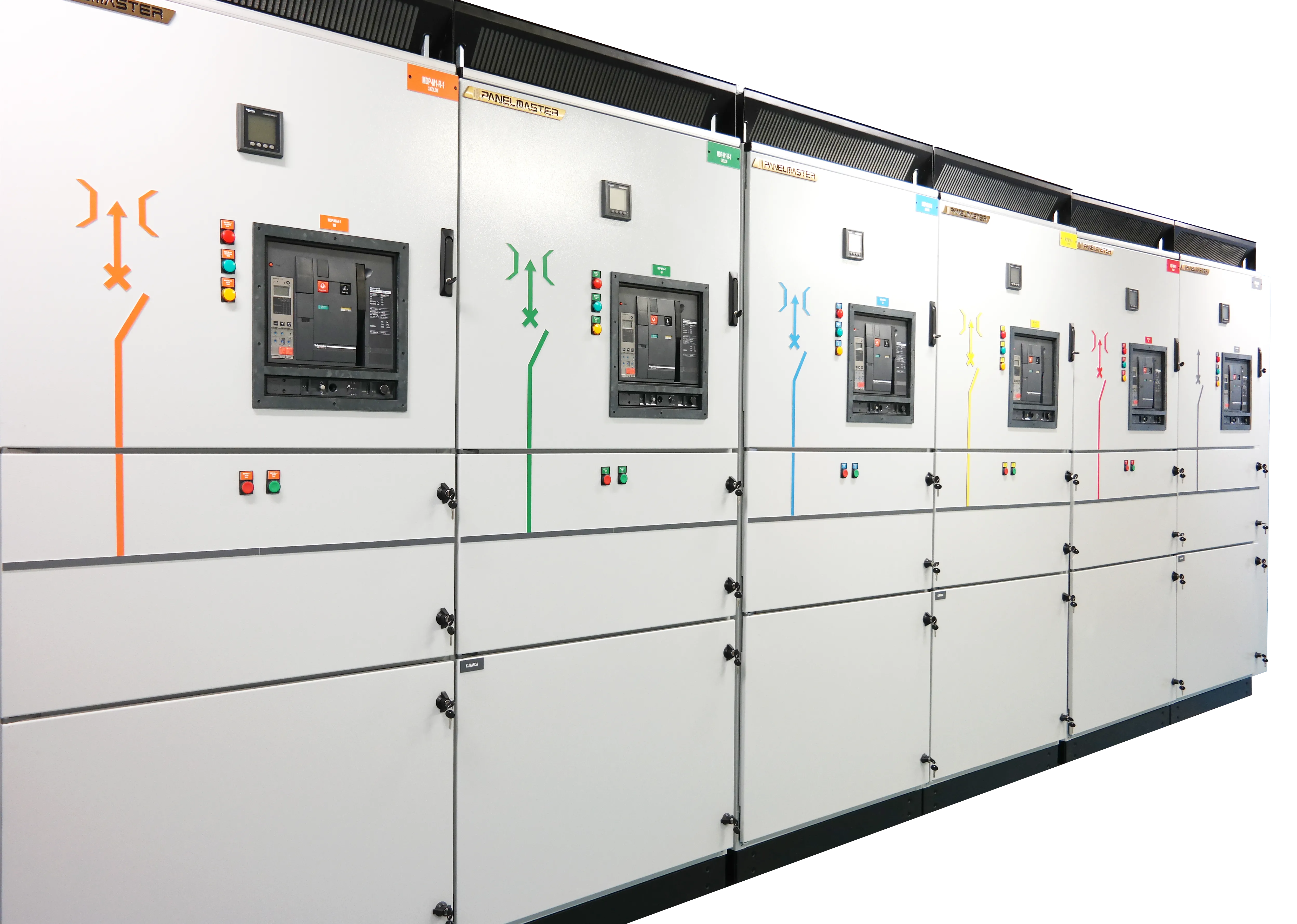
Feeder Pillar Panels Kenya | Outdoor Power Distribution Solutions
Feeder Pillar Panels are outdoor electrical distribution enclosures used to safely distribute power from a main supply to multiple circuits in industrial, commercial, and residential installations. In Kenya and across East Africa

The Growing Need for Outdoor Power Distribution in Kenya
Across Kenya and East Africa, industries, real estate developments, and public infrastructure projects are expanding rapidly. From Nairobi’s industrial zones to Mombasa’s coastal facilities and Kisumu’s growing commercial centers, the demand for stable and safe power distribution has never been higher.
However, one of the biggest challenges remains unreliable outdoor power distribution infrastructure, especially in environments exposed to heat, dust, humidity, and heavy rainfall.
This is where feeder pillar panels in Kenya play a critical role.
These outdoor electrical enclosures are designed to safely distribute electrical power from a main supply to multiple outgoing circuits in outdoor or semi-exposed environments such as:
- Industrial plants and factories
- Residential estates and gated communities
- Shopping malls and commercial complexes
- Street lighting systems
- Hospitals and public infrastructure
At Panel Tech Systems, accessible through our main engineering solutions page, we design and supply robust, IEC-compliant feeder pillar panels tailored for Kenyan environmental conditions.
What Are Feeder Pillar Panels?
What is a Feeder Pillar Panel?
A feeder pillar panel is a weatherproof outdoor electrical distribution enclosure used to distribute electrical power safely from a main supply to multiple outgoing circuits.
These systems are commonly installed outdoors and act as intermediate distribution points in electrical networks.
They are essential in:
- Street lighting distribution systems
- Industrial outdoor machinery power supply
- Estate and apartment power routing
- Commercial complex power management
You can explore more electrical solutions via our products catalog or browse configurations directly in our online shop.
Key Components of Feeder Pillar Panels
A typical feeder pillar panel includes:
- Incoming MCCB (Molded Case Circuit Breaker)
- Busbars (Copper/Aluminium)
- Outgoing circuit breakers (MCB/MCCB)
- Surge Protection Devices (SPD)
- Earthing system
- Lockable weatherproof enclosure (IP-rated)
These components ensure safe, controlled, and efficient distribution of electricity in outdoor environments.
How Do Feeder Pillar Panels Work?
Feeder pillar panels operate as distribution hubs in low-voltage networks.
Working Principle
- Electrical power is supplied from a transformer or main LV panel
- Power enters the feeder pillar through an incoming breaker
- The busbar distributes power internally
- Outgoing breakers send power to multiple loads
- Protection devices safeguard against faults and surges
How does a feeder pillar panel improve power reliability?
By dividing electrical loads into controlled circuits, feeder pillars:
- Prevent overloads
- Improve fault isolation
- Enhance system safety
- Reduce downtime in industrial operations
Why Feeder Pillar Panels Are Important in Kenya
Kenya’s power distribution landscape presents unique challenges:
- Frequent voltage fluctuations
- Harsh outdoor environmental conditions
- Rapid urban expansion
- High demand in industrial zones
Why is this important in Kenya?
Feeder pillar panels ensure stable and secure distribution in environments such as:
- Nairobi industrial parks (heavy manufacturing loads)
- Mombasa port logistics zones (high humidity exposure)
- Kisumu commercial hubs (expanding infrastructure)
- Eldoret agricultural processing facilities
They are essential for ensuring uninterrupted operations in both private and public sectors.
Applications of Feeder Pillar Panels in East Africa
Feeder pillar panels are widely used across multiple sectors:
1. Industrial Applications
- Manufacturing plants
- Warehouses
- Processing factories
2. Commercial Applications
- Shopping malls
- Office complexes
- Business parks
3. Residential Applications
- Apartments
- Gated communities
- Estate street lighting systems
4. Public Infrastructure
- Road lighting systems
- Airports
- Hospitals
- Water pumping stations
For more integrated systems, explore our multispan control solutions.
Benefits of Feeder Pillar Panels in Kenya
1. Weather Resistance
Designed for Kenya’s diverse climate including:
- High humidity (coastal regions)
- Dust (arid and semi-arid areas)
- Heavy rainfall
2. Enhanced Safety
- Prevents electrical faults
- Reduces fire risks
- Ensures proper isolation
3. Scalability
Supports expansion of electrical loads in growing developments.
4. Easy Maintenance
Accessible design allows quick inspection and servicing.
5. Improved Power Management
Ensures balanced load distribution across circuits.
Technical Engineering Insights
Feeder pillar panels must comply with international and local standards to ensure safety and reliability.
IEC Compliance
At Panel Tech Systems, all feeder pillar panels are designed according to:
- IEC 61439 (Low-voltage switchgear and controlgear assemblies)
- IP-rated enclosure standards (IP54 – IP65 depending on application)
- Proper thermal management design
- Short-circuit withstand requirements
Design Considerations
Engineers must consider:
- Load calculation accuracy
- Fault level analysis
- Cable sizing and routing
- Ventilation for heat dissipation
- Corrosion protection (especially coastal Kenya)
These factors ensure long-term operational stability.
Comparison Table: Feeder Pillar Panels vs Distribution Boards
| Feature | Feeder Pillar Panels | Distribution Boards |
|---|---|---|
| Installation Location | Outdoor | Indoor |
| Protection Level | High (IP54–IP65) | Moderate (IP20–IP43) |
| Capacity | High load distribution | Low to medium loads |
| Weather Resistance | Fully weatherproof | Not suitable for outdoor use |
| Application | Industrial, street lighting, estates | Residential & offices |
| Maintenance Access | External access | Internal access |
Step-by-Step Guide: Selecting the Right Feeder Pillar Panel
Step 1: Determine Load Requirements
Calculate total electrical load (kW/kVA).
Step 2: Identify Installation Environment
- Coastal (corrosion-resistant materials needed)
- Industrial (high dust protection required)
- Urban estates (standard IP-rated enclosure)
Step 3: Choose Protection Devices
- MCCB rating
- SPD requirements
- Circuit breaker configuration
Step 4: Select Enclosure Type
- Mild steel powder-coated
- Stainless steel (for harsh environments)
Step 5: Consult Electrical Engineers
Work with certified professionals like Panel Tech Systems engineers for proper design and compliance.
Common Mistakes to Avoid
- Undersizing feeder pillar capacity
- Ignoring environmental protection ratings
- Poor earthing system design
- Using low-quality busbars
- Lack of surge protection devices
These mistakes often lead to system failure and costly downtime.
Maintenance Checklist for Feeder Pillar Panels
- Inspect enclosure integrity regularly
- Check for corrosion or moisture ingress
- Tighten electrical connections
- Test circuit breakers periodically
- Verify earthing system continuity
Cost Considerations in Kenya
The cost of feeder pillar panels in Kenya depends on:
- Size and load capacity
- Material used (steel vs stainless steel)
- Number of outgoing circuits
- Protection features included
- Custom engineering requirements
Large industrial systems cost more due to higher complexity and safety requirements.
Frequently Asked Questions About Feeder Pillar Panels in Kenya
1. What is a feeder pillar panel used for?
It is used to distribute electrical power safely to multiple outdoor circuits.
2. Are feeder pillar panels weatherproof?
Yes, they are designed with IP-rated enclosures for outdoor environments.
3. Where are feeder pillar panels commonly installed in Kenya?
They are used in estates, factories, street lighting systems, and commercial complexes.
4. What is the difference between a feeder pillar and a distribution board?
Feeder pillars are outdoor-rated while distribution boards are typically indoor systems.
5. Do feeder pillar panels require maintenance?
Yes, periodic inspection and testing are required for safety and performance.
6. Can feeder pillars handle high industrial loads?
Yes, they are designed for medium to high power distribution applications.
7. What standards do feeder pillar panels follow?
They comply with IEC 61439 international switchgear standards.
8. Are feeder pillar panels suitable for coastal areas like Mombasa?
Yes, with corrosion-resistant materials such as stainless steel enclosures.
9. How long do feeder pillar panels last?
With proper maintenance, they can last 15–25 years.
10. Who supplies reliable feeder pillar panels in Kenya?
Certified manufacturers like Panel Tech Systems provide engineered solutions for Kenya and East Africa.
Conclusion
Feeder pillar panels are a critical component of modern electrical distribution systems in Kenya and across East Africa. As infrastructure continues to expand in Nairobi, Mombasa, Kisumu, and Eldoret, the need for safe, durable, and efficient outdoor power distribution solutions becomes even more important.
From industrial plants to residential estates, these systems ensure reliable energy distribution while improving safety, scalability, and operational efficiency.
For engineered, IEC-compliant feeder pillar solutions tailored to your project, trust industry experts with proven experience in electrical systems design and manufacturing.
Power Your Project with Panel Tech Systems Today!
Whether you need a single distribution board or a full industrial electrical installation, our team of certified engineers is ready to deliver a tailored solution.
✔ IEC-Certified Electrical Panels
✔ End-to-End Engineering Solutions
✔ Trusted Across Kenya & East Africa
Call Us: 0799 531765
Email: [email protected]
Visit Us: Nairobi, Kenya