Generator Integration in Kenya | Power Systems Guide
Generator integration with electrical panels in Kenya ensures reliable backup power during outages by automatically switching between grid and generator supply. It improves safety, reduces downtime, and supports continuous operations in industries, commercial buildings, and critical facilities.

In Kenya, power interruptions remain a common challenge for industries, commercial buildings, hospitals, and residential estates. Cities like Nairobi, Mombasa, Kisumu, and Eldoret often experience unexpected outages that disrupt operations and lead to financial losses.
To solve this, businesses rely on generator integration with electrical panels to ensure continuous and reliable power supply.
Proper integration allows:
- Automatic switching during outages
- Stable power for critical systems
- Reduced downtime
- Protection of sensitive equipment
This makes generator integration in Kenya a key part of modern electrical system design.
What Is Generator Integration with Electrical Panels?
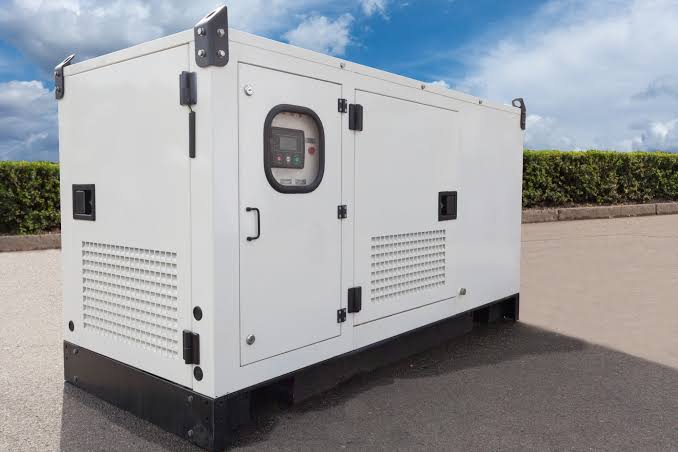
Generator integration refers to connecting a backup generator to an electrical distribution system so it can automatically supply power when the main grid fails.
It typically involves:
- Automatic Transfer Switch (ATS) panels
- Control systems
- Circuit protection devices
- Synchronization systems
Advanced solutions like
https://paneltechsystems.co.ke/#apfc-112
support intelligent power management and load control.
How Generator Integration Works
Step-by-Step Operation:
- Main grid supplies power normally
- ATS panel monitors grid stability
- Power failure is detected
- Generator automatically starts
- Load is transferred to generator
- Grid power restores and system switches back
This ensures uninterrupted backup power in Nairobi and across Kenya.
Key Components in Generator Integration Systems
1. Generator Set
Provides backup electrical power.
2. ATS (Automatic Transfer Switch)
Automatically switches between grid and generator.
3. Electrical Panel
Distributes power safely across circuits.
4. Control System
Manages switching and monitoring.
5. Protection Devices
Prevent overloads and faults.
Types of Generator Integration Systems
1. Manual Changeover Systems
Require human operation to switch power.
2. Automatic Transfer Switch (ATS) Systems
Fully automated switching for seamless backup power.
3. Synchronization Systems
Used in large industries with multiple generators.
Benefits of Generator Integration in Kenya
1. Continuous Power Supply
Ensures operations continue during outages.
2. Equipment Protection
Prevents damage from sudden power loss.
3. Operational Efficiency
Reduces downtime in critical sectors.
4. Automation
No manual intervention required in ATS systems.
5. Energy Reliability
Improves stability in industrial and commercial systems.
Applications of Generator Integration Systems
Industrial Facilities
- Manufacturing plants
- Processing factories
- Warehouses
Commercial Buildings
- Shopping malls
- Hotels
- Office complexes
Critical Infrastructure
- Hospitals
- Data centers
- Airports
Comparison: Manual vs ATS Generator Integration
| Feature | Manual System | ATS System |
|---|---|---|
| Switching Speed | Slow | Instant |
| Automation | None | Full |
| Reliability | Moderate | High |
| Cost | Lower | Higher |
| Safety | Medium | High |
Technical Insight: Engineering Considerations
Proper generator integration requires:
- Load capacity matching
- Synchronization control
- Proper earthing systems
- Voltage regulation
- Compliance with IEC standards
Systems like
https://paneltechsystems.co.ke/#motor-control-panels
support industrial automation and power control.
Step-by-Step Guide: Generator Integration Process
Step 1: Load Assessment
Calculate total backup power requirements.
Step 2: Generator Sizing
Select appropriate generator capacity.
Step 3: ATS Selection
Choose suitable automatic transfer switch.
Step 4: System Design
Plan wiring, protection, and control layout.
Step 5: Installation
Connect generator to electrical panel.
Step 6: Testing & Commissioning
Verify automatic switching and system performance.
Common Mistakes in Generator Integration
1. Undersized Generator
Leads to overload failure.
2. Poor ATS Selection
Causes switching delays.
3. Incorrect Wiring
Creates safety hazards.
4. Lack of Maintenance
Reduces system reliability.
Cost Considerations in Kenya
Costs depend on:
- Generator size
- ATS system type
- Load capacity
- Installation complexity
- Automation level
Investing in proper integration reduces long-term downtime costs.
Why Panel Tech Systems for Generator Integration
Panel Tech Systems provides expert electrical and backup power integration solutions across Kenya and East Africa.
Key Strengths:
- 15+ years experience
- 200+ completed projects
- IEC-compliant systems
- End-to-end engineering services
Explore solutions:
https://paneltechsystems.co.ke/products/
Learn more:
https://paneltechsystems.co.ke/about/
Frequently Asked Questions About Generator Integration in Kenya
1. What is generator integration?
It is connecting a generator to an electrical system for backup power.
2. What is an ATS panel?
An automatic switch that changes power sources during outages.
3. Why is generator integration important?
It ensures continuous power supply.
4. Can generators run automatically?
Yes, with ATS systems.
5. Where is it used in Kenya?
Industries, hospitals, and commercial buildings.
6. Is it expensive to install?
Costs depend on system size and complexity.
Conclusion: Ensuring Reliable Backup Power in Kenya
generator integration Kenya with electrical panels is essential for maintaining uninterrupted power supply in Kenya’s growing industrial and commercial sectors. It improves reliability, protects equipment, and ensures operational continuity during outages.
With increasing demand for backup power Nairobi, professionally designed integration systems are no longer optional—they are a necessity.
Panel Tech Systems delivers reliable, IEC-compliant generator integration solutions across Kenya and East Africa.
Power Your Project with Panel Tech Systems Today!
Whether you need a single distribution board or a full industrial electrical installation, our team of certified engineers is ready to deliver a tailored solution.
IEC-Certified Electrical Panels
End-to-End Engineering Solutions
Trusted Across Kenya & East Africa
Call Us: 0799 531765
Email: [email protected]
Visit Us: Nairobi, Kenya