Hospital Isolated Power Supply Panel Kenya: IT Systems for Theatres and ICUs
Learn how a hospital isolated power supply panel Kenya healthcare facilities use protects operating theatres and ICUs. Discover IEC 60364-7-710 compliant IT systems, isolation transformers, and Line Isolation Monitors (LIMs) for safe, uninterrupted power.

Modern hospitals depend on uninterrupted electrical power to safeguard patients, support life-saving equipment, and enable complex medical procedures. A hospital isolated power supply panel Kenya healthcare facilities can rely on is specifically designed to maintain electrical continuity in operating theatres, intensive care units (ICUs), neonatal intensive care units (NICUs), catheterization laboratories, and other critical care environments where even a brief power interruption could compromise patient safety.
Unlike conventional electrical distribution systems that disconnect power immediately when an earth fault occurs, isolated power systems (IT systems) continue supplying electricity after the first insulation fault while continuously monitoring the system's insulation resistance. This approach significantly reduces the risk of electric shock and prevents unnecessary outages during critical medical procedures.
Related Products

ATS / MTS Kenya
ATS/MTS solutions from Paneltech Systems provide reliable Automatic and Manual Transfer Switches for seamless power transfer in industrial and commercial electrical systems.
View Product
LV Panel
High-quality low voltage panels designed for reliable power distribution and protection in industrial and commercial installations.
View Product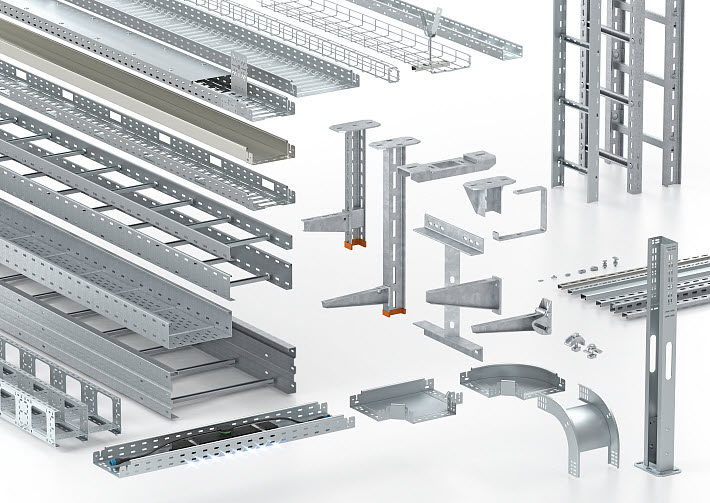
Cable Systems
Paneltech Systems offers comprehensive cable management systems for efficient, secure and organised cable setups across industrial and commercial environments.
View Product
Feeder Pillar Panels
Feeder pillar panels providing reliable power distribution solutions for outdoor and indoor industrial and commercial applications.
View ProductAt Paneltech Systems Ltd, we design and manufacture custom hospital isolated power supply panels that comply with international healthcare electrical standards. As part of our comprehensive electrical engineering solutions and Low Voltage (LV) panel portfolio, our hospital IT systems are engineered for reliability, safety, and long-term performance in Kenya's demanding healthcare environments.
As Kenya continues investing in new referral hospitals, private healthcare facilities, county hospitals, and specialized medical centres, compliance with IEC 60364-7-710, IEC 61558, IEC 61439, and applicable EPRA requirements has become increasingly important. Healthcare developers, MEP consultants, biomedical engineers, and facility managers must ensure electrical installations deliver continuous power while meeting stringent patient safety standards.
Why Hospitals Use Isolated Power Supply SystemsA hospital isolated power supply panel Kenya hospitals install ensures that critical medical equipment continues operating even after the first earth fault. Instead of disconnecting power immediately, the system detects insulation faults, activates alarms, and allows maintenance personnel to resolve issues without interrupting patient care.
Traditional TN electrical systems are appropriate for commercial buildings, offices, and residential developments because protective devices disconnect circuits whenever earth leakage is detected. However, this approach can be dangerous in critical healthcare environments where uninterrupted electrical supply is essential.
Consider an operating theatre during open-heart surgery or a patient in the ICU relying on mechanical ventilation. If a conventional circuit breaker trips due to a single insulation fault, essential equipment could lose power unexpectedly.
This is why hospitals install isolated power systems that:
- Maintain electrical supply during the first insulation fault.
- Continuously monitor insulation resistance.
- Reduce the risk of electric shock to patients and medical staff.
- Alert maintenance teams through audible and visual alarms.
- Support uninterrupted surgical procedures and critical care.
Healthcare facilities across Kenya are increasingly incorporating isolated power systems into new hospital projects alongside modern Low Voltage electrical distribution solutions to improve resilience and patient safety.
Understanding the Hospital IT Electrical SystemA hospital IT electrical system uses a medical isolation transformer to separate critical circuits from the main electrical supply while continuously monitoring insulation resistance. This configuration allows the first earth fault to be detected without interrupting power, making it ideal for operating theatres and intensive care units.
In electrical engineering, IT stands for Isolé Terre, meaning an isolated electrical distribution system. It should not be confused with information technology.
A hospital IT system differs from conventional TN systems because the transformer secondary winding is intentionally isolated from earth while exposed conductive parts remain connected to the protective earth conductor.
A typical hospital IT system includes:
- Medical isolation transformer
- Hospital isolated power supply panel
- Line Isolation Monitor (LIM)
- Remote alarm indicator
- Medical-grade circuit protection
- Transformer temperature monitoring
- Protective earth system
- Dedicated critical-load distribution circuits
The Line Isolation Monitor continuously measures insulation resistance between live conductors and earth. If insulation resistance falls below the permissible limit, the system activates alarms while maintaining power to connected medical equipment.
This design enables biomedical engineers and maintenance teams to investigate and rectify faults without disrupting life-support systems or surgical procedures.
For more information about our engineering expertise, visit the About Paneltech Systems page.
Main Components of a Hospital Isolated Power Supply PanelEvery hospital isolated power supply panel Kenya healthcare facilities deploy should integrate a medical isolation transformer, Line Isolation Monitor, alarm system, protective devices, and distribution circuits into a single IEC-compliant assembly. Together, these components ensure safe and uninterrupted power delivery in critical medical locations.
Although panel configurations vary depending on hospital size and clinical requirements, every isolated power supply panel contains several essential components.
1. Medical Isolation Transformer
The medical isolation transformer is the core component of the isolated power system.
Its primary functions include:
- Providing galvanic isolation.
- Reducing leakage current.
- Improving patient electrical safety.
- Minimizing electrical noise.
- Delivering stable secondary voltage for sensitive medical equipment.
Medical isolation transformers are specifically designed for healthcare environments and comply with international standards governing insulation performance and leakage current.
Typical transformer capacities include:
| Hospital Area | Typical Transformer Rating |
|---|---|
| Minor Procedure Room | 3.15 kVA |
| Operating Theatre | 5 kVA |
| ICU | 5–8 kVA |
| Cardiac Theatre | 8–10 kVA |
| Imaging Suite | 10–15 kVA |
Actual transformer sizing should always be based on connected loads, future expansion requirements, and equipment diversity calculations.
2. Line Isolation Monitor (LIM)
The Line Isolation Monitor (LIM) continuously supervises the electrical health of the isolated power system.
Rather than disconnecting the circuit, it measures:
- Insulation resistance
- Leakage current
- Earth fault conditions
- Overall system integrity
Whenever insulation resistance drops below the specified threshold, the LIM immediately activates audible and visual alarms while allowing the electrical supply to remain operational.
This proactive monitoring helps maintenance personnel identify developing faults before they become critical.
3. Remote Alarm Panel
Hospital staff require immediate notification whenever an insulation fault occurs.
For this reason, remote alarm panels are commonly installed in:
- Operating theatres
- ICU nurse stations
- Recovery rooms
- Catheterization laboratories
- Biomedical engineering offices
A typical alarm panel includes:
- Green "Normal" indicator
- Yellow insulation warning light
- Red fault alarm
- Audible buzzer
- Alarm acknowledge button
- Transformer overload indicator
- High-temperature warning
These indicators enable clinical and maintenance teams to respond quickly while ongoing medical procedures continue safely.
4. Medical Distribution Circuit Breakers
Each outgoing circuit within the hospital isolated power supply panel is individually protected using appropriately rated Miniature Circuit Breakers (MCBs) or Moulded Case Circuit Breakers (MCCBs).
Typical protected circuits include:
- Surgical lighting systems
- Ceiling-mounted service pendants
- Ventilators
- Anaesthesia workstations
- Patient monitoring equipment
- Medical socket outlets
- Imaging systems
- Medical gas control panels
Proper circuit segregation simplifies maintenance and minimizes the impact of downstream faults.
Hospitals requiring integrated electrical infrastructure can also explore our Motor Control Panel solutions and Variable Frequency Drive (VFD) solutions for HVAC systems, water pumping, and other essential building services.
5. Transformer Temperature Monitoring
Medical isolation transformers often operate continuously under heavy load.
To ensure reliability, hospital isolated power supply panels typically incorporate:
- Embedded temperature sensors
- Thermal overload protection
- Digital temperature indicators
- High-temperature alarms
Continuous thermal monitoring helps prevent transformer damage, improves system reliability, and extends equipment lifespan.
Typical Hospital Isolated Power Supply Panel SpecificationsA hospital isolated power supply panel Kenya healthcare facilities specify should provide reliable operation, medical-grade isolation, continuous insulation monitoring, and compliance with IEC healthcare electrical standards. Proper specification ensures safe and dependable operation in critical patient care environments.
| Specification | Typical Value |
|---|---|
| Rated Voltage | 415/240 VAC |
| Frequency | 50 Hz |
| Transformer Rating | 3.15–10 kVA |
| Transformer Type | Medical Isolation Transformer |
| Insulation Monitoring | Line Isolation Monitor (LIM) |
| Alarm System | Local & Remote Alarm Panel |
| Circuit Protection | MCB/MCCB |
| Enclosure Material | Powder-Coated Mild Steel or Stainless Steel |
| Enclosure Rating | IP54 or IP65 (depending on installation environment) |
| Mounting Type | Wall or Floor Mounted |
| Cooling Method | Natural or Forced Ventilation |
| Standards Compliance | IEC 60364-7-710, IEC 61558, IEC 61439 |
| Earthing Arrangement | Medical Protective Earth System |
For assistance selecting the appropriate hospital isolated power supply panel for your healthcare project, explore our complete range of electrical products and solutions or reach out through our contact page
Contact Paneltech Systems Ltd
Powering Kenya's Future with Reliable Electrical Solutions
Whether you're designing a new hospital, upgrading an existing operating theatre, or specifying an IEC 60364-7-710 compliant isolated power system, Paneltech Systems Ltd provides expert engineering support for healthcare electrical infrastructure across Kenya. Our team can help you select, design, install, test, and commission a hospital isolated power supply panel Kenya healthcare facilities can depend on for safe and reliable operation.
Contact us today for technical consultations, project specifications, or a customized quotation.
- Email: [email protected]
- Phone: 0799 531765
- Location: Nairobi, Kenya
- Website: https://paneltechsystems.co.ke/
Our Specialized Services
- Low Voltage (LV) Panels & APFC Panels
- Hospital Isolated Power Supply (IPS) Panels
- VFD Drive Solutions & ATS / MTS Systems
- Solar Power & EV Charging Infrastructure
- Electrical Supplies & Engineering Consultations
Learn more about our electrical engineering solutions, browse our products, explore our Knowledge Centre, or contact our engineering team to discuss your healthcare electrical project.