How Solar Combiner Boxes Work: Internal Elements & Sizing in Kenya | Paneltech Systems
Learn how solar combiner boxes work in Kenya. Understand string fuses, surge protection, and sizing for commercial solar PV systems and industrial installations.

Solar combiner boxes are critical components in commercial and industrial solar PV systems, designed to combine multiple solar string inputs into a single output while providing protection, monitoring, and isolation.
They improve system safety and efficiency by organizing parallel PV strings, integrating surge protection devices, and enabling controlled distribution of DC power to inverters.
Related Products

Solar AC DB Combiner
Solar AC distribution board combiners for safe integration of solar power generation into the main electrical grid.
View Product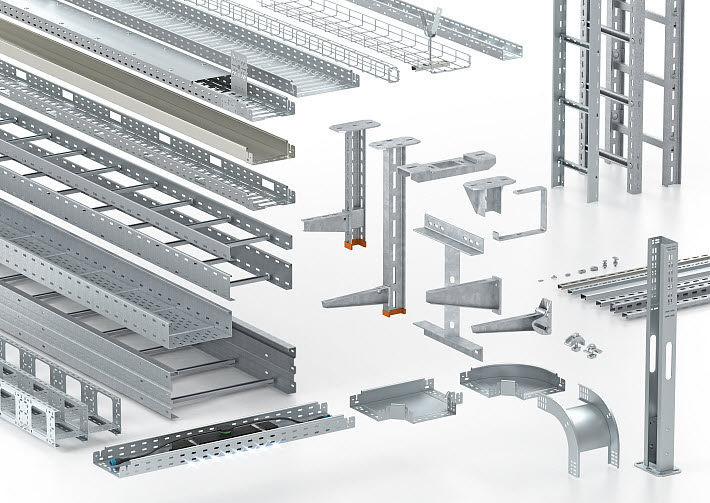
Cable Systems
Paneltech Systems offers comprehensive cable management systems for efficient, secure and organised cable setups across industrial and commercial environments.
View Product
ATS / MTS Kenya
ATS/MTS solutions from Paneltech Systems provide reliable Automatic and Manual Transfer Switches for seamless power transfer in industrial and commercial electrical systems.
View Product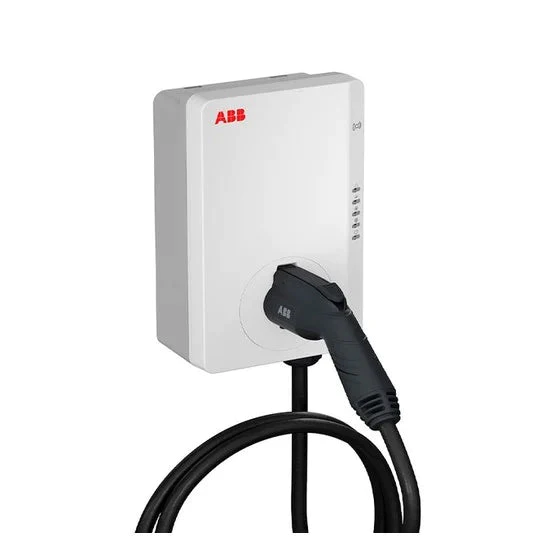
EV Chargers
ABB EV charging solutions for commercial and industrial premises, enabling reliable electric vehicle charging infrastructure.
View ProductIn Kenya’s growing solar market—especially in commercial rooftops and solar farms—combiner boxes are essential for reducing wiring complexity and improving system reliability.
Explore professional solar and electrical infrastructure solutions:
paneltechsystems
What a Solar Combiner Box Does in a PV System
A solar combiner box consolidates multiple solar panel strings into a single DC output while providing protection through fuses, surge protection devices, and monitoring systems.
It ensures that faults in one string do not affect the entire solar array, improving system safety and operational continuity.
Core functions include:
- Combining multiple PV string inputs
- Protecting each string using fuses or breakers
- Providing surge protection against lightning and switching spikes
- Enabling system monitoring and fault isolation
For LV distribution integration:
low-voltage-panels
Internal Components of a Solar Combiner Box
The internal design of a solar combiner box includes protection, monitoring, and connection components that ensure safe and efficient DC power aggregation.
Each component plays a critical role in preventing faults, minimizing energy losses, and protecting downstream inverter systems.
Key internal elements:
- String input terminals
- DC fuses or MCBs (per string protection)
- DC surge protection devices (SPDs)
- Busbars for current aggregation
- Output disconnect switch
- Monitoring sensors (optional)
For monitoring systems integration:
#epm-14-m1
How Solar String Combiner Boxes Work in Parallel PV Arrays
Solar string combiner boxes work by taking multiple parallel-connected PV strings and combining their output currents into a single controlled DC output.
This reduces cable complexity and ensures safer, more efficient energy transmission to the inverter.
Working principle:
- Each PV string produces DC power independently
- Strings are connected to fuse-protected inputs
- Outputs are combined via busbars
- A single DC output is sent to the inverter
For inverter and automation integration:
vfd-drives
Protection Functions Inside a Solar Combiner Box
Solar combiner boxes provide essential protection against overcurrent, surge events, and electrical faults within PV string networks.
These protections prevent damage to expensive inverters and reduce system downtime in commercial solar installations in Kenya.
Protection mechanisms include:
- String-level overcurrent protection (fuses/MCBs)
- DC surge protection (Type II/III SPDs)
- Reverse current protection
- Isolation switching for maintenance
For solar AC/DC protection systems:
#solar-ac-db-combiner
Solar Combiner Box Sizing and Selection Criteria
Proper sizing of a solar combiner box depends on the number of PV strings, current rating per string, and system voltage level.
Incorrect sizing can lead to overheating, voltage drops, or system failure in commercial solar installations.
Key sizing factors:
- Number of PV strings (input channels)
- Maximum current per string (A)
- System voltage (typically up to 1500V DC)
- Environmental protection rating (IP65 recommended outdoors)
- Surge protection requirements
For electrical engineering consultation:
products
Monitoring and Smart Solar Combiner Boxes
Modern solar combiner boxes can include smart monitoring systems that track current, voltage, and fault conditions in real time.
These systems improve maintenance efficiency and help detect underperforming strings in large commercial solar installations.
Smart features include:
- String-level current monitoring
- Remote fault detection
- Data logging for performance analysis
- Integration with SCADA systems
For industrial monitoring solutions:
#multispan-components
Environmental Considerations in Kenya’s Solar Installations
Solar combiner boxes in Kenya must be designed for harsh environmental conditions including high UV exposure, dust, and coastal humidity.
Proper enclosure selection ensures long-term reliability in both inland and coastal solar installations.
Environmental design requirements:
- IP65 enclosure rating for outdoor use
- UV-resistant polycarbonate or metal enclosures
- Anti-corrosion coatings for coastal areas
- Thermal ventilation for high-temperature zones
For solar infrastructure solutions:
#solar-ac-db-combiner
Standards Compliance for Solar Combiner Boxes
Solar combiner boxes must comply with international electrical standards to ensure safety, performance, and regulatory approval in Kenya.
Compliance ensures compatibility with inverter manufacturers and reduces fire and electrical risks in PV systems.
Key standards:
- IEC 61439 (low-voltage switchgear assemblies)
- IEC 62548 (PV array design requirements)
- IEC 61643 (surge protection devices)
- EPRA electrical installation regulations
For technical knowledge resources:
knowledge-site
System Specifications Table: Solar Combiner Box
| Parameter | Specification |
|---|---|
| System Voltage | Up to 1500V DC |
| Input Strings | 4–24 strings (typical range) |
| Protection Type | DC fuses / MCBs per string |
| Surge Protection | Type II DC SPD standard |
| Output Current Rating | 32A – 250A (application dependent) |
| Enclosure Rating | IP54–IP65 |
| Housing Material | Powder-coated steel / polycarbonate |
| Installation Type | Wall-mounted / ground-mounted |
| Operating Temperature | -25°C to +60°C |
| Standards Compliance | IEC 61439, IEC 62548, IEC 61643 |
Future of Solar Combiner Technology in Kenya
The future of solar combiner boxes in Kenya is moving toward smart, IoT-enabled systems with real-time diagnostics and predictive maintenance capabilities.
These advancements will improve efficiency, reduce downtime, and support large-scale solar farms and hybrid energy systems.
Emerging trends:
- Smart combiner boxes with IoT sensors
- AI-based fault detection systems
- Integrated energy analytics platforms
- Hybrid solar + battery integration
- Remote monitoring via SCADA systems
Explore advanced energy solutions:
paneltechhomes
Conclusion: Engineering Reliable Solar String Management
Solar combiner boxes are essential for safe, efficient, and scalable solar PV installations. They simplify wiring, protect equipment, and ensure stable energy delivery in commercial and industrial systems.
Proper sizing, environmental protection, and compliance with IEC standards are critical for long-term solar system performance in Kenya.
For consultation and installation:
contact