Hybrid ATS for Solar + Grid + Generator: Architecture and Control Logic
Three-source hybrid ATS design covering priority logic, anti-islanding for solar, controller settings, sizing rules, and a worked example for a Kenyan commercial roof.
A three-source hybrid ATS prioritises solar (free energy) over grid (cheap energy) over generator (expensive backup), transferring loads automatically based on source availability and load demand. The architecture is more involved than a two-source ATS — anti-islanding for solar, frequency-droop logic for genset sharing, and priority logic for when only two sources are present at once. This guide covers the design choices, the controller settings, and a worked example for a 200 kVA commercial building in Nairobi.
The four operating modes
- Mode A — Solar + Grid: Solar inverter exports up to its rated power; grid imports any shortfall. The hybrid ATS does nothing — the inverter and grid run in parallel. This is the most common operating mode.
- Mode B — Solar only (grid lost): Solar inverter must detect grid loss within 2 seconds (anti-islanding per IEEE 1547) and either disconnect or switch to island mode. The ATS opens the grid contactor.
- Mode C — Solar + Battery + Genset (extended grid outage): Battery storage bridges to genset start; once genset is online and synchronised, it shares load with solar inverter using frequency-droop logic. ATS closes the genset contactor and opens the grid.
- Mode D — Genset only (low solar + low battery): Genset carries full load; solar inverter goes to standby. Used after long cloudy periods or at night with depleted battery.
Priority logic in the controller
The hybrid ATS controller continuously monitors all three sources and applies a priority table. Typical settings for a Kenyan commercial installation:
Related Products

Solar AC DB Combiner
Solar AC distribution board combiners for safe integration of solar power generation into the main electrical grid.
View Product
Motor Control
Reliable motor control panels for industrial and commercial use, providing customised solutions for safe and efficient motor operation.
View Product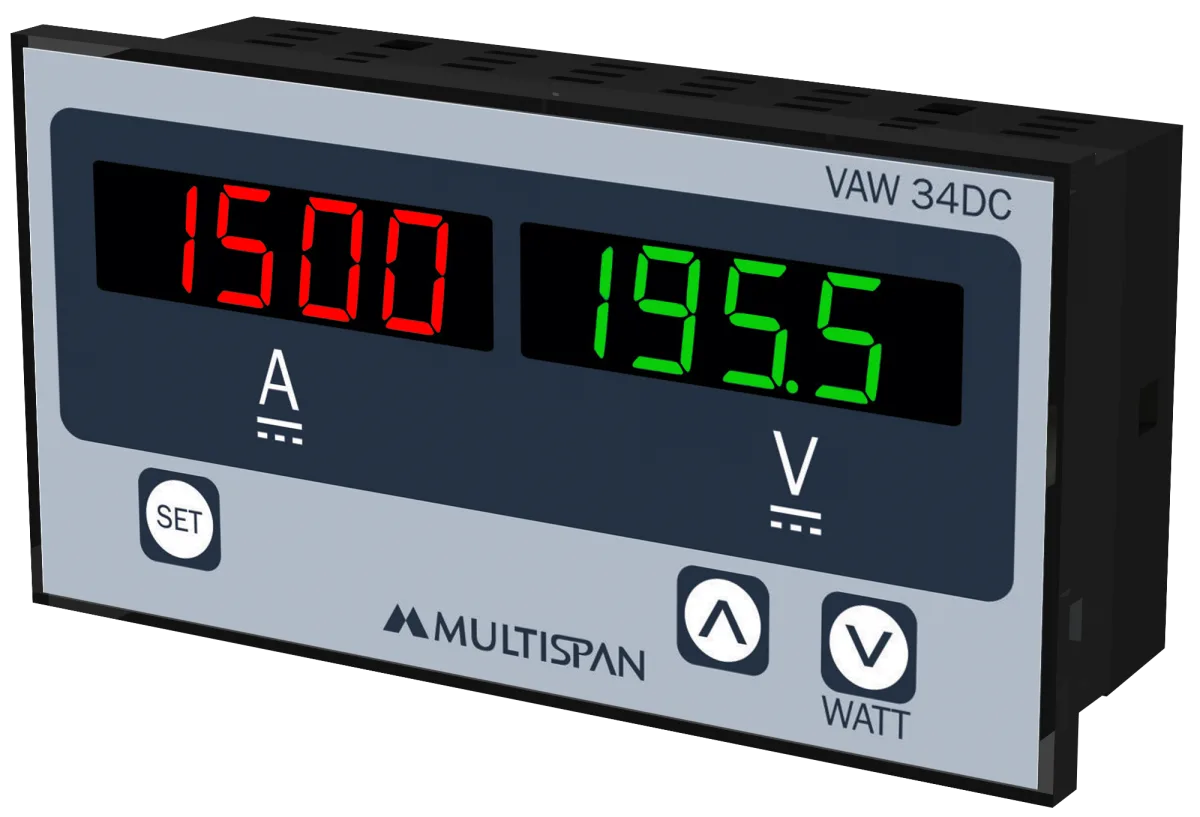
VAW 34DC
Multispan VAW 34DC DC volt-amp-watt meter for accurate measurement in DC electrical systems and solar installations.
View Product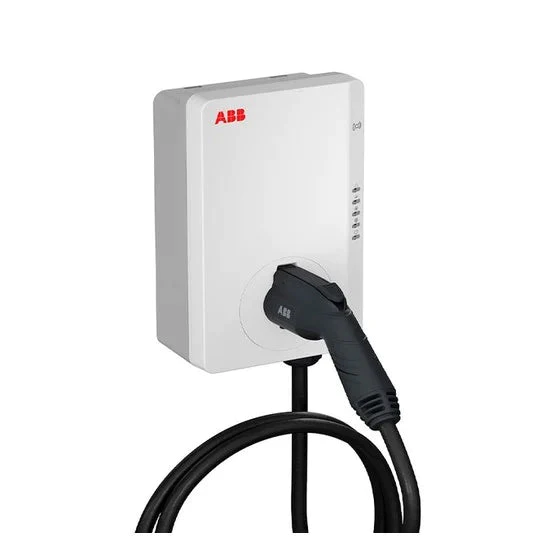
EV Chargers
ABB EV charging solutions for commercial and industrial premises, enabling reliable electric vehicle charging infrastructure.
View Product- Priority 1 (preferred): Grid — accepts feed-in from solar, exports surplus where net-metering allows; cheapest energy overall
- Priority 2: Solar + battery — engaged when grid is lost and conditions allow island operation
- Priority 3 (last resort): Generator — engaged only when grid is lost and battery state-of-charge falls below the genset-start threshold (typically 30%)
The controller logic decides which sources to connect/disconnect based on real-time voltage, frequency, and battery SOC measurements, with hysteresis to avoid hunting.
Anti-islanding requirements
Anti-islanding is a code requirement: if the grid disconnects, the solar inverter must shut down within a defined time (typically under 2 seconds per IEEE 1547 / EN 50438). Otherwise the inverter could energise a "dead" grid section and expose utility crew to live conductors.
For hybrid ATS designs that allow continued solar operation during grid loss (Mode B above), the system must include a transfer mechanism that:
- Detects grid loss (within 100 ms typically)
- Sends an anti-islanding shutdown signal to the solar inverter
- Opens the grid contactor
- Allows the inverter to restart in island mode after a defined delay (typically 1–2 seconds)
This sequence requires the solar inverter to support island-mode operation — not all do. Most commercial-grade hybrid inverters from Sungrow, GoodWe, Victron, and SMA include this feature.
Generator paralleling with solar
When the generator and solar inverter run simultaneously (Mode C), they share load using frequency-droop logic. The genset is configured to drop frequency slightly as load increases (typically 4% droop, i.e. 52 Hz at no load to 50 Hz at full load); the solar inverter responds by exporting more or less power to maintain the target frequency.
This works seamlessly if both sources are configured with matching droop curves. Mis-matched droop settings cause the genset to either back off completely (under-loaded, fuel waste) or fight the solar (over-current trip).
Sizing the hybrid ATS
Size the main ATS contacts for the maximum continuous current the loads can draw, which is the same as a conventional ATS: total essential-load demand × 125% NEC margin. The hybrid functionality is added through:
- A bidirectional kWh meter for grid feed-in (where utility allows)
- An anti-islanding controller that monitors grid voltage and frequency and signals the inverter
- A genset start/stop output tied to battery SOC and grid status
- A SCADA interface for operator visibility into source contribution and energy balance
Worked example — 200 kVA Nairobi commercial roof
| Parameter | Value |
|---|---|
| Maximum demand | 180 kW |
| Solar PV system | 100 kWp (rooftop) |
| Battery storage | 200 kWh lithium |
| Generator | 200 kVA standby |
| Grid supply | Three-phase 415 V |
| Net metering | Permitted up to system capacity |
System architecture:
- Hybrid inverter (Sungrow SH-150) with grid-tied + island-mode operation
- Battery management system tied to inverter via CAN bus
- 320 A main hybrid ATS with three contactors (grid, genset, output bus)
- Anti-islanding controller monitoring grid voltage and frequency
- Genset start signal triggered when battery SOC < 30% AND grid out > 60 seconds
- SCADA visualisation showing real-time source split (solar + grid + battery + genset)
Operating modes summary:
- Day, grid present: Solar covers 60–80% of load, grid supplies remainder; battery charges for night
- Night, grid present: Battery covers load until SOC drops to 70%, then grid takes over
- Day, grid lost: Solar + battery hybrid; genset stays off if SOC > 30%
- Night, grid lost: Battery covers load until SOC drops to 30%, then genset starts and bridges
Common design mistakes
- Specifying a solar inverter that doesn't support island mode — gives up the most valuable hybrid benefit
- Forgetting the genset paralleling — when grid and solar coexist with genset, droop curves must match or you'll fight transfers
- Sizing the genset for full load with no solar contribution — wastes capital and burns more fuel than needed
- Ignoring net metering rules — your utility may not allow grid export, in which case the inverter must zero-export at the connection point
- Skipping the SCADA layer — operations team can't diagnose why genset started when "it shouldn't have"
Bottom line
A hybrid ATS for solar + grid + generator is a controller architecture, not just a power switch. The four operating modes need to be designed end-to-end: anti-islanding, droop sharing, priority logic, and SCADA visibility. The result is a system that delivers 60–80% solar energy fraction in a typical Kenyan commercial deployment, with grid + genset as backups whose runtime is minimised by design.
See our solar and EV charging solutions and our ATS/MTS panel offerings for hybrid system design across Kenya and East Africa.