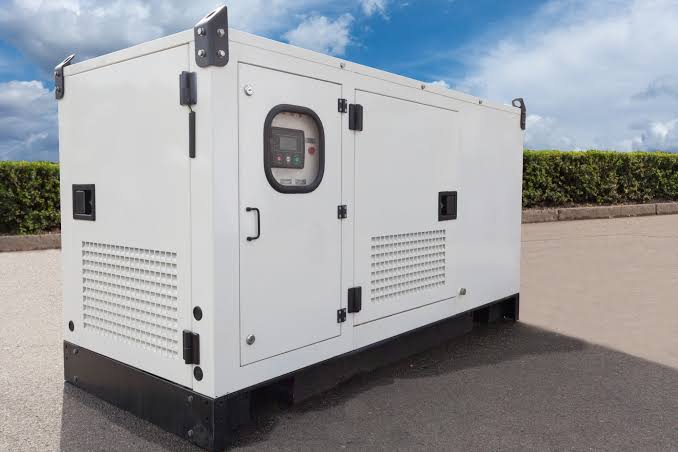
Importance of IEC 61439 Compliance in Electrical Panels in Kenya
IEC 61439 Kenya electrical panels ensure safe, reliable, and compliant power distribution systems, reducing failures, fire risks, and downtime across Nairobi and East Africa’s growing infrastructure.

In modern Kenya, where infrastructure is rapidly expanding across Nairobi, Mombasa, Kisumu, and Eldoret, the demand for reliable and safe electrical systems has never been higher. Yet, many commercial buildings, factories, and institutions still suffer from frequent power failures, electrical fires, and system breakdowns caused by non-compliant electrical panels.
This is where IEC 61439 Kenya standards become critical.
IEC 61439 defines how electrical panels in Kenya must be designed, tested, and verified to ensure safety, reliability, and long-term performance. Without compliance, electrical systems are exposed to overheating, short circuits, and catastrophic failures.
At Panel Tech Systems, a trusted leader in switchgear standards in Kenya, every panel is engineered, tested, and verified to meet IEC 61439 requirements, ensuring end-to-end safety and performance across East Africa.
WHAT IS IEC 61439 IN ELECTRICAL PANELS?
What does IEC 61439 mean?
IEC 61439 is an international standard governing the design and performance of low voltage electrical panels (LV panels). It ensures that all assemblies are tested under real operational conditions.
In simple terms:
IEC 61439 ensures that electrical panels are safe, reliable, and capable of handling expected electrical loads without failure.
WHY IEC 61439 ELECTRICAL PANELS IN KENYA ARE ESSENTIAL
1. Electrical Safety in Kenya
One of the biggest concerns in Kenya’s power distribution systems is safety. Poorly built panels can lead to:
- Electrical fires
- Equipment damage
- Human injury
- System shutdowns
Using IEC compliant panels in Nairobi and across Kenya significantly reduces these risks.
2. Reliability in Power Distribution Systems
Kenya experiences voltage fluctuations and occasional grid instability. IEC 61439 ensures:
- Stable power distribution
- Reduced downtime
- Consistent system performance
This is critical in hospitals, factories, and data centers.
3. Compliance with International Standards
Projects in Kenya—especially government and industrial developments—are increasingly requiring:
- IEC 61439 certification
- Verified switchgear assemblies
- Documented testing compliance
This improves project approval and safety audits.
HOW IEC 61439 ELECTRICAL PANELS WORK
IEC compliant panels are designed through a verified engineering process:
Step 1: Load Analysis
Engineers calculate total electrical demand to prevent overload.
Step 2: Thermal Design
Heat dissipation is analyzed to avoid overheating.
Step 3: Short-Circuit Testing
Panels are tested to withstand fault conditions safely.
Step 4: Component Selection
Only certified breakers, busbars, and enclosures are used.
Step 5: Final Verification
Each assembly is tested before deployment.
KEY COMPONENTS OF IEC COMPLIANT PANELS
1. Busbars
Carry high electrical currents safely with proper insulation.
2. Circuit Breakers
Protect systems from overloads and faults.
3. Enclosures
Provide environmental protection against dust, moisture, and heat—critical for electrical panel safety in Kenya.
4. Control Devices
Manage automation and power switching.
COMPARISON TABLE: IEC 61439 COMPLIANT VS NON-COMPLIANT PANELS
| Feature | IEC 61439 Compliant Panels | Non-Compliant Panels |
|---|---|---|
| Safety | Fully tested and verified | High failure risk |
| Reliability | Stable under load | Frequent breakdowns |
| Heat Management | Controlled thermal design | Overheating common |
| Lifespan | Long-term durability | Short lifespan |
| Compliance | Meets global standards | No certification |
| Maintenance Cost | Low | High |
BENEFITS OF IEC 61439 ELECTRICAL PANELS IN KENYA
1. Improved Safety in Buildings
From commercial towers in Nairobi to factories in Mombasa, safety is improved significantly.
2. Reduced Downtime
Reliable systems mean fewer interruptions in operations.
3. Lower Maintenance Costs
Fewer faults mean reduced repair expenses.
4. Scalability for Growth
Panels can be upgraded as demand increases.
5. Better Energy Efficiency
Optimized design reduces energy losses.
COMMON MISTAKES IN ELECTRICAL PANEL INSTALLATIONS IN KENYA
Many system failures come from avoidable mistakes:
- Using non-certified panels
- Ignoring load calculations
- Poor ventilation design
- Wrong cable sizing
- Skipping compliance testing
These mistakes are common in low-cost installations but lead to long-term losses.
STEP-BY-STEP GUIDE: HOW TO CHOOSE IEC 61439 ELECTRICAL PANELS IN KENYA
Step 1: Identify Power Requirements
Determine total load demand and usage type.
Step 2: Select Panel Type
Choose between:
- Distribution boards
- Motor control panels
- APFC panels
- ATS systems
Explore solutions like low voltage panels.
Step 3: Verify IEC Compliance
Ensure the manufacturer provides:
- Test certificates
- Design verification reports
Step 4: Check Environmental Suitability
Consider:
- Heat (Nairobi vs coastal Mombasa)
- Dust levels
- Humidity conditions
Step 5: Work with Certified Experts
Partner with trusted providers like Panel Tech Systems for guaranteed compliance.
Step 6: Installation & Testing
Ensure professional installation and commissioning.
Step 7: Maintenance Planning
Regular inspections ensure long-term safety.
TECHNICAL INSIGHTS: WHY ENGINEERING MATTERS
At Panel Tech Systems, IEC 61439 compliance is achieved through:
- Advanced load calculations
- Short-circuit coordination studies
- Thermal performance modeling
- Quality component sourcing
- Strict testing procedures
These engineering practices ensure every system meets electrical panel safety Kenya standards.
REAL-WORLD APPLICATIONS IN KENYA
Hospitals
Ensures uninterrupted power for critical care equipment.
Manufacturing Plants
Reduces downtime in production lines.
Commercial Buildings
Improves tenant safety and operational efficiency.
Infrastructure Projects
Supports large-scale power distribution systems.
FREQUENTLY ASKED QUESTIONS ABOUT IEC 61439 ELECTRICAL PANELS IN KENYA
1. What is IEC 61439 in simple terms?
It is a global standard ensuring electrical panels are safe and tested for performance.
2. Why is IEC 61439 important in Kenya?
Because it improves safety and reliability in unstable power environments.
3. Are IEC compliant panels required by law in Kenya?
They are strongly recommended and often required in industrial and commercial projects.
4. What are low voltage panels IEC 61439?
These are panels designed for systems operating under 1000V AC.
5. How do I know if a panel is compliant?
Check for certification, test reports, and manufacturer documentation.
6. Are compliant panels expensive?
They cost more upfront but reduce long-term operational costs.
7. What industries need IEC compliant panels most?
Hospitals, factories, real estate developments, and data centers.
8. Who are trusted switchgear suppliers in Nairobi?
Certified manufacturers like Panel Tech Systems provide reliable solutions.
9. Can IEC panels handle Kenya’s climate?
Yes, they are designed for heat, dust, and humidity conditions.
10. What happens if I use non-compliant panels?
You risk fires, failures, and costly system downtime.
CONCLUSION
IEC 61439 compliance is not just a technical requirement—it is a critical safety and performance standard for modern electrical systems in Kenya.
From Nairobi’s commercial buildings to industrial plants across East Africa, compliant systems ensure:
- Safety
- Reliability
- Efficiency
- Long-term performance
Choosing IEC compliant panels in Nairobi and Kenya means investing in safety and operational excellence.
With proven expertise, Panel Tech Systems continues to deliver certified, high-performance switchgear solutions tailored for Kenya’s growing infrastructure needs.
Power Your Project with Panel Tech Systems Today!
Whether you need a single distribution board or a full industrial electrical installation, our team of certified engineers is ready to deliver a tailored solution.
✔ IEC-Certified Electrical Panels
✔ End-to-End Engineering Solutions
✔ Trusted Across Kenya & East Africa
Call Us: 0799 531765
Email: [email protected]
Visit Us: Nairobi, Kenya