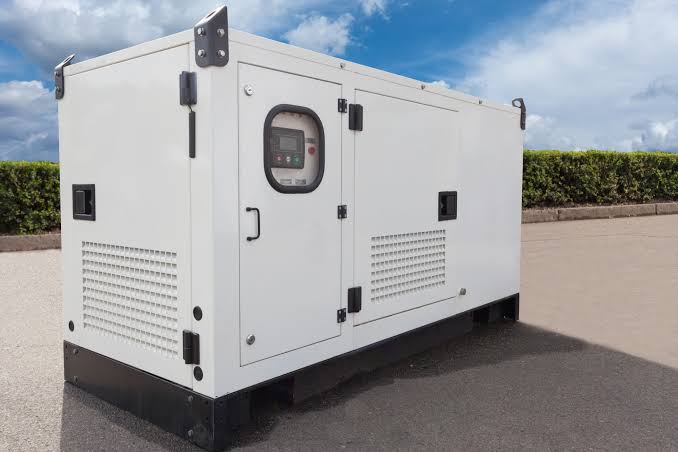
ATS vs MTS: Difference Between Automatic and Manual Transfer Switches
Comparing ATS vs MTS for industrial power? Discover the key differences in cost, safety, and reliability to choose the right panel for your facility.

Kenya’s industrial and commercial sectors operate in an environment where power reliability is not always guaranteed due to grid fluctuations, transformer overloads, and occasional outages from KPLC distribution networks. In such conditions, selecting the right power transfer system becomes critical for operational continuity.
Automatic Transfer Switches (ATS) and Manual Transfer Switches (MTS) are the two primary methods used to switch between grid power and backup generators. While both serve the same fundamental purpose—ensuring alternative power supply—their operation, speed, safety, and cost differ significantly.
What Is an Automatic Transfer Switch (ATS)?
An Automatic Transfer Switch (ATS) is an intelligent electrical switching system that automatically transfers electrical load between the main power supply and a backup generator without human intervention. It ensures uninterrupted power continuity during outages.
ATS systems continuously monitor grid voltage and frequency and react instantly when failure is detected.
They are essential for critical facilities that cannot tolerate downtime such as hospitals, factories, and data centers.
Learn more about ATS systems here:
ATS Systems Overview
What Is a Manual Transfer Switch (MTS)?
A Manual Transfer Switch (MTS) is a mechanical switching device that requires a human operator to physically change the power source from grid to generator during an outage. It does not operate automatically.
MTS systems rely entirely on operator presence and response time to restore power.
They are commonly used in small buildings, residential setups, and low-criticality applications.
Explore related systems:
Electrical Products
Key Differences Between ATS and MTS
The primary difference between ATS and MTS is automation—ATS operates automatically during power failure, while MTS requires manual intervention. This affects response time, reliability, and suitability for industrial applications.
ATS provides seamless power transition, whereas MTS depends on human action and may cause downtime delays.
The choice between them depends on criticality, budget, and operational risk tolerance.
Operational Comparison: How ATS and MTS Work
ATS systems detect power failure and automatically switch to generator supply within seconds, while MTS requires manual switching using a physical lever or switch. This makes ATS significantly faster and more reliable.
ATS ensures continuous monitoring and automatic response to grid instability.
MTS introduces downtime risk due to human dependency and delayed response.
Workflow Comparison:
- ATS: Detect → Start Generator → Transfer Load Automatically
- MTS: Detect → Notify Operator → Manual Switch → Restore Power
Cost Comparison: ATS vs MTS in Kenya
MTS systems are cheaper upfront because they use simpler mechanical components, while ATS systems are more expensive due to automation, sensors, and control logic. However, ATS provides higher long-term value through reduced downtime.
MTS is cost-effective for low-risk applications with minimal downtime impact.
ATS is a long-term investment for industries where downtime translates to financial loss.
Cost Factors:
- ATS: Higher installation + maintenance complexity
- MTS: Lower installation cost but higher operational risk
Safety and Reliability Differences
ATS systems are safer and more reliable because they eliminate human error during power switching, while MTS systems carry operational risks due to manual handling during outages. Reliability is significantly higher in ATS systems.
ATS reduces risks such as incorrect switching, delay, and electrical backfeed issues.
MTS depends on operator skill and availability, increasing failure probability during emergencies.
In industrial environments with high electrical loads, ATS is strongly recommended.
Industrial Applications in Kenya
ATS systems are widely used in high-critical environments such as factories, hospitals, and data centers, while MTS systems are typically used in residential buildings and small commercial setups. The application depends on power continuity requirements.
In Kenya’s industrial zones, ATS systems dominate due to frequent grid instability.
MTS remains common in low-budget or low-criticality installations.
Common Applications:
- Manufacturing plants (ATS preferred)
- Hospitals and ICU systems (ATS mandatory)
- Retail shops (MTS or ATS depending on size)
- Residential homes (MTS common)
- Data centers (ATS required)
Explore industrial solutions:
Low Voltage Panels
When Should You Choose ATS?
You should choose an ATS when uninterrupted power is critical and even a few seconds of downtime can cause financial loss or safety risks. It is ideal for industrial and mission-critical systems.
ATS is necessary for automated operations that cannot rely on human intervention.
It ensures seamless switching during unpredictable KPLC outages or voltage drops.
Ideal Scenarios:
- Continuous production lines
- Hospitals and surgical units
- Data centers and servers
- Cold storage facilities
When Should You Choose MTS?
You should choose an MTS when power continuity is not critical and manual intervention is acceptable during outages. It is best suited for residential and small commercial applications.
MTS is a practical solution for users with limited budgets and low downtime sensitivity.
It works well where outages are infrequent or non-disruptive.
Ideal Scenarios:
- Small shops
- Residential homes
- Low-load offices
- Temporary installations
ATS vs MTS in Kenyan Grid Conditions
In Kenya’s power environment, ATS systems perform better due to frequent voltage fluctuations, unexpected outages, and grid instability, while MTS systems are less reliable under such conditions. Industrial users increasingly prefer ATS.
KPLC grid fluctuations make automatic switching essential for industrial stability.
Manual systems introduce unacceptable downtime risk in high-load environments.
Learn more about system integration:
VFD Drive Solutions
System Integration: ATS and MTS with Power Infrastructure
ATS and MTS systems integrate with generators, LV panels, and distribution boards to control power flow between utility and backup sources. ATS provides automated integration, while MTS requires manual coordination.
ATS acts as an intelligent interface between generator and electrical distribution systems.
MTS functions as a physical switching point in the power chain.
Typical Setup:
- Utility supply (KPLC)
- Diesel generator
- Transfer switch (ATS or MTS)
- LV distribution panel
- Load circuits
Explore related systems:
Company Home
Standards and Compliance (Kenya & IEC Requirements)
Both ATS and MTS systems must comply with IEC 60947 and EPRA electrical installation standards in Kenya to ensure safe operation and regulatory approval. Compliance ensures system reliability and protection.
Standards define safety thresholds, switching behavior, and electrical protection requirements.
Non-compliant systems risk failure, penalties, and operational hazards.
Key Standards:
- IEC 60947 (Switchgear systems)
- IEC 61439 (Panel assemblies)
- EPRA installation regulations
- BS EN electrical safety standards
System Specifications Table
| Parameter | ATS | MTS |
|---|---|---|
| Operation | Automatic | Manual |
| Switching Speed | Seconds | Minutes |
| Cost | High | Low |
| Reliability | Very High | Moderate |
| Human Dependency | None | Required |
| Industrial Use | Preferred | Limited |
| Maintenance | Moderate | Low |
Maintenance Considerations
ATS systems require periodic testing of sensors, relays, and generator integration, while MTS systems require minimal maintenance focused on mechanical inspection. ATS systems demand more technical oversight.
ATS maintenance ensures automation reliability during outages.
MTS maintenance focuses on mechanical wear and safe switching integrity.
Maintenance Tasks:
- ATS: relay testing, control checks, generator sync testing
- MTS: switch lubrication, terminal tightening, visual inspection
Future Trends: ATS vs MTS in Smart Energy Systems
ATS systems are evolving into smart energy management platforms integrated with solar, IoT monitoring, and hybrid systems, while MTS remains largely unchanged due to its mechanical nature. The future strongly favors ATS adoption.
Smart grids and renewable integration require automated switching systems.
ATS will become the standard in modern industrial electrical infrastructure.
Emerging trends:
- Solar + generator hybrid ATS systems
- Remote monitoring via IoT dashboards
- AI-based load prioritization
- Smart fault detection systems
ATS and MTS systems serve the same core purpose—power source switching—but differ significantly in automation, reliability, and application suitability. In Kenya’s industrial environment, where power stability is often unpredictable, ATS systems provide superior performance, safety, and operational continuity.
MTS systems remain relevant for small-scale, low-criticality applications, but ATS is the clear choice for modern industrial infrastructure.
Contact Paneltech Systems Ltd
Powering Kenya's Future with Reliable Electrical Solutions
Email: [email protected]
Phone: 0799 531765
Location: Nairobi, Kenya
Website: https://paneltechsystems.co.ke/
Our Specialized Services:
Low Voltage (LV) Panels & APFC Panels
VFD Drive Solutions & ATS / MTS Systems
Solar Power & EV Charging Infrastructure
Electrical Supplies & Engineering Consultations