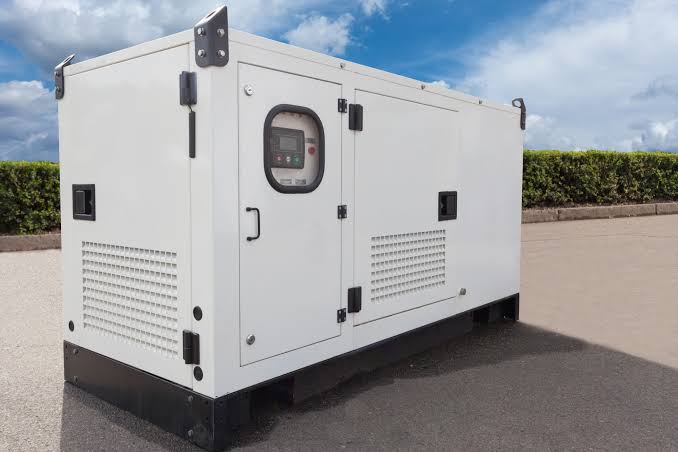
What Is an Automatic Transfer Switch (ATS)? | Panel Tech Systems
Learn how an Automatic Transfer Switch (ATS) works to seamlessly shift power to your backup generator during a power outage. Essential for Kenyan industrial facilities.
Kenya’s industrial and commercial sectors rely heavily on grid stability that is often unpredictable due to load shedding, transformer failures, and grid fluctuations from KPLC infrastructure stress. In this environment, continuity of power is not a luxury—it is a production requirement.
An Automatic Transfer Switch (ATS) is the critical control system that ensures seamless switching between the utility grid and a backup generator or alternative power source. It prevents downtime, protects sensitive equipment, and maintains operational continuity in factories, hospitals, data centers, and commercial buildings.
What Is an Automatic Transfer Switch (ATS)?
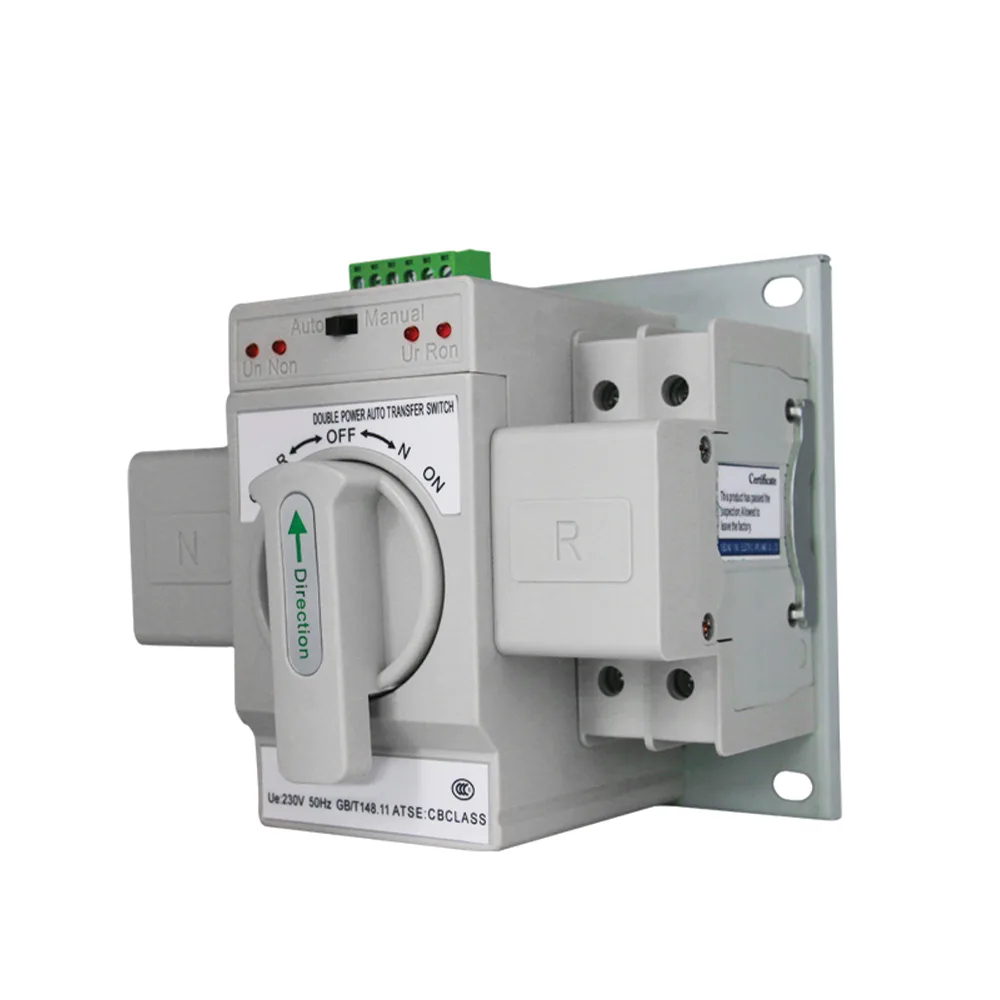
An Automatic Transfer Switch (ATS) is an intelligent electrical device that automatically transfers power supply between the main grid and a backup generator when a power failure occurs. It ensures uninterrupted electricity by detecting outages and switching sources without manual intervention.
An ATS is essentially the brain of a backup power system, continuously monitoring voltage levels and controlling power source selection.
It guarantees seamless transition between utility and generator supply, protecting equipment from downtime and electrical instability.
In industrial environments across Kenya, ATS systems are commonly integrated with diesel generators, solar hybrid systems, and critical LV panel infrastructure.
How Does an ATS Panel Work?
An ATS panel works by continuously monitoring the incoming utility power and automatically switching to a generator when a fault or outage is detected. Once grid power is restored, it safely transfers the load back and shuts down the generator.
The system operates using sensors, control logic, and switching mechanisms that respond within seconds of power disruption.
This automatic response prevents production stoppages and protects sensitive electrical systems from unstable reconnection.
Step-by-Step Operation:
- The ATS monitors voltage and frequency from KPLC supply.
- When a failure is detected, it sends a start signal to the generator.
- Once generator output stabilizes, it transfers load automatically.
- When grid power returns, it switches back to utility supply.
- The generator enters a cool-down shutdown cycle.
This process is essential for industries where even a 5–10 second outage can cause production losses or data corruption.
Learn more about industrial power systems here:
low-voltage-panels
Why ATS Systems Are Critical for Kenyan Industries
ATS systems are critical in Kenya because they eliminate downtime caused by unstable grid power and ensure continuous operation of industrial and commercial facilities. They also protect sensitive machinery from voltage fluctuations common in KPLC supply networks.
In Kenya’s manufacturing and processing sectors, power interruptions directly translate into financial losses and equipment stress.
ATS systems provide automation that stabilizes operations even during frequent outages or grid instability.
Key Local Challenges ATS Solves:
- Frequent grid interruptions in industrial zones
- Voltage fluctuations damaging motors and drives
- Production line stoppages in factories
- Data loss in IT infrastructure
- Safety risks in hospitals and critical facilities
Facilities in Nairobi Industrial Area, Mombasa industrial zones, and Rift Valley agro-processing plants especially benefit from ATS integration.
Types of Automatic Transfer Switches
ATS systems are classified based on their switching method, control logic, and load capacity, including open transition, closed transition, static, and bypass isolation types. Each type is designed for specific industrial applications and load sensitivity levels.
The selection of ATS type depends on whether the load can tolerate brief interruptions or requires seamless power overlap.
High-critical environments often use closed transition or static ATS systems for zero-interruption switching.
1. Open Transition ATS
- Break-before-make switching
- Brief interruption allowed
- Common in small commercial setups
2. Closed Transition ATS
- Make-before-break switching
- No interruption in power flow
- Used in hospitals and data centers
3. Static ATS
- Uses semiconductor switching
- Extremely fast response
- Ideal for sensitive electronics
4. Bypass Isolation ATS
- Allows maintenance without shutdown
- Used in large industrial plants
Explore related systems:
vfd-drives
ATS vs Manual Transfer Switch
An ATS automatically switches power sources without human intervention, while a manual transfer switch requires an operator to physically change the power source during an outage. ATS systems provide faster response and higher reliability for critical operations.
Manual systems depend on human response time, which is unsuitable for industrial continuity needs.
ATS eliminates delay and ensures instant protection against power loss.
Comparison Table:
| Feature | ATS | Manual Transfer Switch |
|---|---|---|
| Operation | Automatic | Manual |
| Response Time | Seconds | Minutes |
| Reliability | High | Medium |
| Industrial Use | Preferred | Limited |
| Cost | Higher | Lower |
System Integration: ATS with Generators and LV Panels
ATS systems are integrated with generators and low voltage (LV) panels to create a fully automated backup power ecosystem that ensures seamless energy distribution across industrial loads. This integration allows centralized control of power sources.
ATS acts as the interface between power generation and distribution systems.
It ensures safe switching while protecting downstream electrical infrastructure.
Typical Integration Setup:
- Utility power input (KPLC supply)
- Diesel generator system
- ATS control panel
- LV distribution board
- Critical load circuits
ATS panels are often installed alongside LV switchgear systems:
low-voltage-panels
ATS in Kenyan Environmental Conditions
ATS panels in Kenya must be designed to withstand humidity, dust, and temperature variations, requiring appropriate IP ratings such as IP54 or IP65 depending on installation environment. Coastal and industrial zones demand higher protection levels.
Mombasa’s humidity accelerates corrosion, while Rift Valley dust affects panel ventilation systems.
Proper enclosure selection ensures long-term ATS reliability and reduced maintenance costs.
Environmental Considerations:
- Coastal regions: corrosion-resistant enclosures (IP65 recommended)
- Dry dusty regions: sealed but ventilated systems
- Industrial zones: reinforced thermal management
Proper enclosure design significantly extends ATS lifespan.
Standards and Compliance (EPRA & IEC Requirements)
ATS systems in Kenya must comply with IEC 60947 standards for low-voltage switchgear and EPRA regulatory guidelines for electrical installations to ensure safety, reliability, and grid compatibility. Compliance ensures legal and operational approval.
Standards ensure ATS systems operate safely under fault conditions and load variations.
They also define switching performance, insulation requirements, and protective coordination.
Key Standards:
- IEC 60947-6-1 (Transfer switching equipment)
- IEC 61439 (Low-voltage switchgear assemblies)
- EPRA electrical installation regulations
- BS EN compliance for industrial safety
Compliance is mandatory for industrial installations and audits.
System Specifications Table (ATS Panel)
| Parameter | Specification |
|---|---|
| Rated Voltage | 400/415V AC |
| Frequency | 50Hz |
| Control Voltage | 12V / 24V DC |
| Switching Type | Automatic / Manual override |
| Enclosure Material | Powder-coated steel |
| IP Rating | IP54–IP65 |
| Mounting Type | Floor-mounted / Wall-mounted |
| Standards | IEC 60947, IEC 61439, EPRA compliant |
| Application | Industrial, Commercial, Residential backup |
Common Applications of ATS Systems in Kenya
ATS systems are widely used in industries, hospitals, commercial buildings, and agricultural processing facilities where continuous power is critical. They ensure uninterrupted operations during grid failures or voltage instability.
Any facility dependent on continuous electrical supply benefits significantly from ATS automation.
In Kenya, ATS adoption is increasing due to rising industrial automation and renewable hybrid systems.
Key Application Areas:
- Manufacturing plants
- Hospitals and clinics
- Data centers
- Hotels and malls
- Cold storage facilities
- Water treatment plants
Maintenance and Reliability Considerations
Regular maintenance of ATS systems ensures reliable switching performance, reduces failure risk, and extends equipment lifespan. Preventive inspections are essential in industrial environments with heavy electrical loads.
Dust accumulation, contact wear, and control system faults are common issues if maintenance is neglected.
Routine testing ensures the ATS responds correctly during actual power outages.
Maintenance Checklist:
- Inspect contactors and relays
- Test generator start/stop function
- Clean enclosure and ventilation paths
- Verify control logic operation
- Check cable terminations
Future of ATS Systems in Kenya
The future of ATS systems in Kenya is moving toward smart automation, IoT-enabled monitoring, and integration with solar hybrid and energy management systems. This improves efficiency and reduces operational costs.
Modern ATS systems are evolving into intelligent energy control hubs.
They now integrate with solar, battery storage, and cloud monitoring platforms.
Emerging trends:
- Smart ATS with remote monitoring
- Solar + generator hybrid switching
- AI-based load management
- Energy efficiency optimization systems
ATS systems are a foundational component of modern power infrastructure in Kenya’s industrial ecosystem. They eliminate downtime, protect equipment, and ensure seamless switching between grid and backup power sources. As industries continue to automate, ATS technology will become even more intelligent and integrated with renewable energy systems.
For facilities operating in environments with unstable grid power, investing in a properly engineered ATS system is not optional—it is essential for operational resilience. Contact Paneltech Systems Ltd
Powering Kenya's Future with Reliable Electrical Solutions
Email: [email protected]
Phone: 0799 531765
Location: Nairobi, Kenya
Website: https://paneltechsystems.co.ke/
Our Specialized Services:
Low Voltage (LV) Panels & APFC Panels
VFD Drive Solutions & ATS / MTS Systems
Solar Power & EV Charging Infrastructure
Electrical Supplies & Engineering Consultations