Automatic Transfer Switch East Africa: ATS vs MTS Guide for Hospitals 2026 | Paneltech Systems Kenya
Discover the critical differences between ATS and MTS systems and why automatic switching is vital for hospitals in East Africa. Paneltech Systems Ltd provides IEC-certified ATS solutions in Nairobi for uninterrupted healthcare power systems.

Healthcare facilities operate in environments where even a few seconds of power interruption can affect life-support systems, diagnostic accuracy, and patient safety. In East Africa, where grid instability and generator dependency are common, the choice between Automatic Transfer Switch (ATS) and Manual Transfer Switch (MTS) systems becomes a critical engineering decision.
Paneltech Systems Ltd delivers IEC-compliant ATS and MTS solutions designed for hospitals, laboratories, and mission-critical facilities that require uninterrupted power continuity and fast switching performance.
Related Products

ATS / MTS Kenya
ATS/MTS solutions from Paneltech Systems provide reliable Automatic and Manual Transfer Switches for seamless power transfer in industrial and commercial electrical systems.
View Product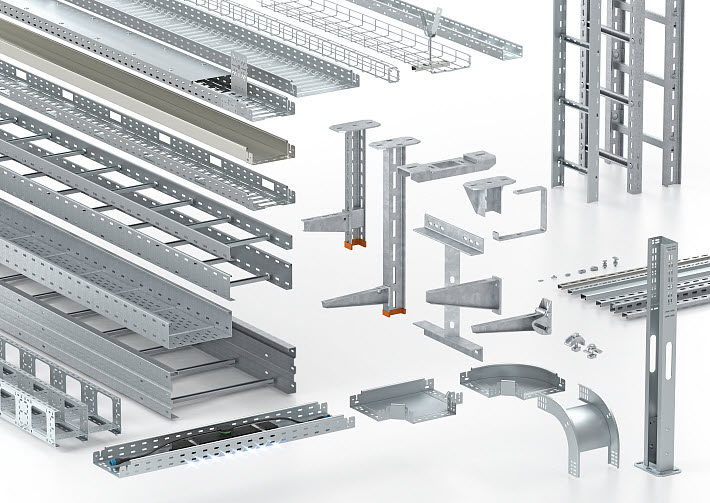
Cable Systems
Paneltech Systems offers comprehensive cable management systems for efficient, secure and organised cable setups across industrial and commercial environments.
View Product
Switches and Sockets
Quality switches and sockets for residential, commercial and industrial electrical installations.
View Product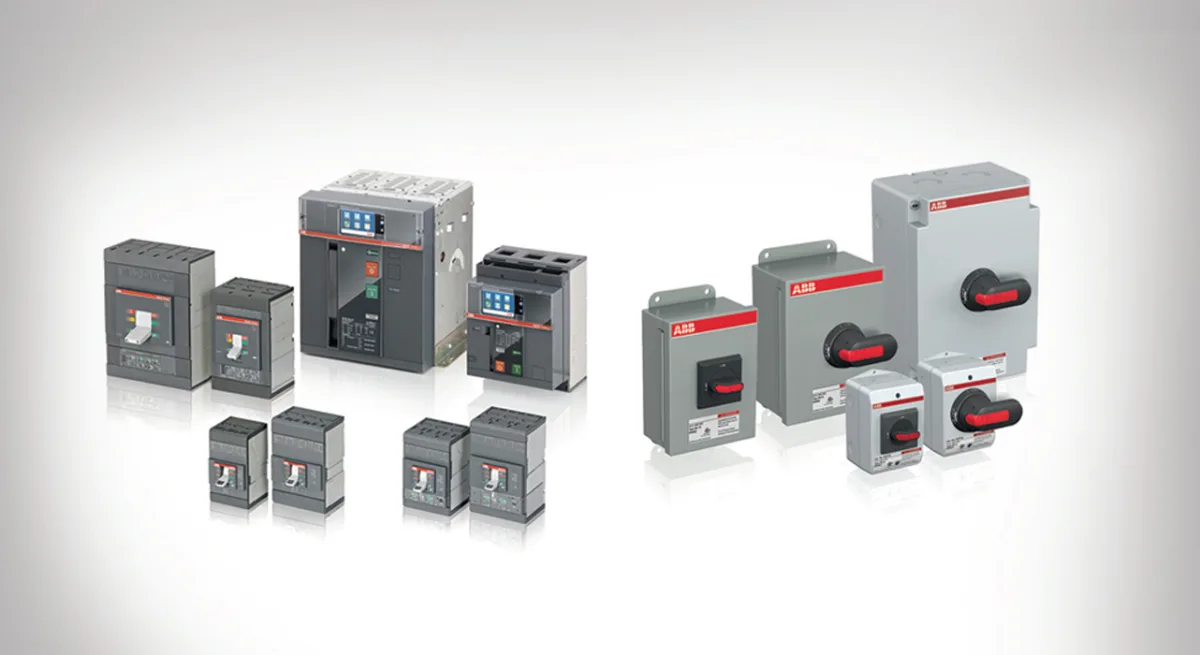
Switchgear Components
A comprehensive range of switchgear components for electrical control and protection in industrial and commercial installations.
View ProductWhat is an Automatic Transfer Switch (ATS)?
An Automatic Transfer Switch (ATS) is an intelligent electrical device that automatically detects power failure and instantly transfers load from the main utility supply to a backup generator without human intervention. It ensures uninterrupted power continuity in critical environments like hospitals and data centers.
ATS systems continuously monitor voltage and frequency levels. When instability or failure is detected, the system activates the generator and transfers the load within seconds.
In healthcare facilities across Kenya:
- ATS prevents ICU and theatre shutdowns
- It ensures continuous operation of life-support systems
- It eliminates human delay during emergencies
- It supports multi-source power integration (grid + generator + solar)
Explore ATS-integrated systems:
https://paneltechsystems.co.ke/#apfc-112
General product solutions:
https://paneltechsystems.co.ke/products/
What is a Manual Transfer Switch (MTS)?
A Manual Transfer Switch (MTS) requires human intervention to switch electrical loads between the main grid and backup generator, making it slower and less reliable for critical healthcare applications.
MTS systems rely on an operator to:
- Detect power failure
- Start the generator manually
- Physically switch the load
While MTS systems are cost-effective, they are not suitable for high-dependency environments like:
- Intensive Care Units (ICUs)
- Operating theatres
- Emergency response centers
- Diagnostic laboratories
In Kenyan hospitals, manual switching introduces unacceptable delays during outages, especially in high-pressure emergency situations.
ATS vs MTS: Key Differences in Healthcare Applications
ATS systems provide automatic, instant switching for uninterrupted hospital operations, while MTS systems rely on manual intervention, making them unsuitable for critical care environments.
| Feature | ATS (Automatic Transfer Switch) | MTS (Manual Transfer Switch) |
|---|---|---|
| Switching Speed | Instant (seconds) | Delayed (minutes) |
| Human Intervention | Not required | Required |
| Reliability in Hospitals | Very High | Low |
| ICU Compatibility | Fully suitable | Not suitable |
| Cost | Higher | Lower |
| Maintenance | Moderate | Low |
| Emergency Response | Automatic | Manual response needed |
ATS systems are the standard for modern healthcare infrastructure, while MTS systems are typically reserved for non-critical backup applications.
Why ATS Systems Are Critical for Healthcare Facilities in East Africa
ATS systems are essential in East African healthcare facilities because they eliminate human delay during power failures, ensuring continuous operation of critical medical equipment in unstable grid environments.
In East Africa, hospitals face:
- Frequent grid fluctuations from utilities like KPLC
- Unpredictable blackout durations
- High dependency on diesel generators
- Increasing digitalization of medical systems
ATS systems solve these challenges by:
- Automatically detecting power loss
- Starting backup generators instantly
- Switching load without interruption
- Protecting sensitive medical electronics from damage
This makes ATS technology a non-negotiable requirement for modern hospitals.
Learn more about engineered solutions:
https://paneltechsystems.co.ke/knowledge-site/
System Specifications Table (Healthcare Transfer Switch Systems)
| Parameter | Specification |
|---|---|
| Rated Voltage | 415V / 230V AC |
| Frequency | 50Hz |
| Switching Type | Automatic (ATS) / Manual (MTS) |
| Transfer Time (ATS) | 1–10 seconds |
| Enclosure Protection | IP54–IP65 (hospital-grade) |
| Control System | Microprocessor-based (ATS) |
| Compliance Standards | IEC 60947-6-1, BS EN, EPRA Kenya regulations |
| Mounting Type | Wall-mounted / Floor-standing |
| Load Capacity | 63A – 3200A (application dependent) |
| Monitoring | Optional remote monitoring & alarms |
Role of ATS in Operating Theatres and ICUs
ATS systems ensure uninterrupted power supply to operating theatres and ICUs by instantly transferring electrical loads to backup power sources, preventing equipment shutdown or data loss during critical procedures.
Operating theatres depend on:
- Surgical lighting systems
- Anesthesia machines
- Patient monitoring systems
- Sterilization equipment
ICUs depend on:
- Ventilators
- Infusion pumps
- Cardiac monitoring systems
Even a 3–5 second interruption can disrupt these systems. ATS eliminates this risk completely by ensuring seamless transition.
Risks of Using Manual Transfer Switches in Hospitals
Manual Transfer Switches introduce operational delays and human error risks, making them unsuitable for healthcare environments where immediate power restoration is required.
Key risks include:
- Delayed response during emergencies
- Dependency on staff availability
- Higher chance of incorrect switching
- Equipment reboot and calibration loss
- Increased patient safety risks
In high-pressure environments such as emergency wards, MTS systems significantly increase operational risk.
Integration with LV Panels and Generator Systems
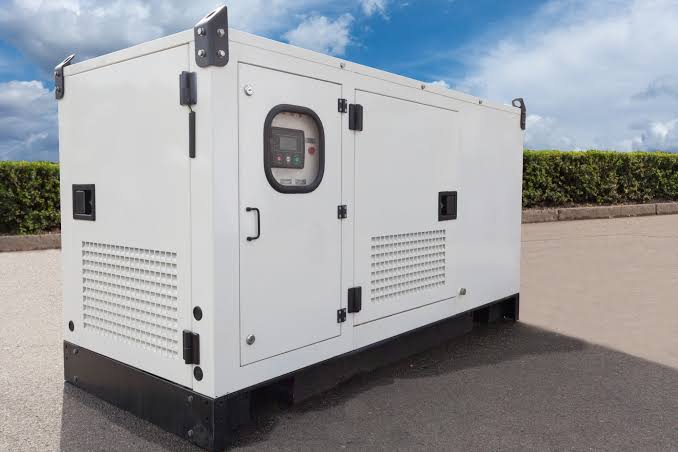
ATS systems are typically integrated into LV distribution panels and generator systems to create a unified, automated power management architecture for hospitals.
A complete hospital backup system includes:
- LV distribution panels for load segmentation
- ATS panel for automatic switching
- Diesel generator for backup supply
- Optional solar PV integration for hybrid systems
Paneltech Systems designs integrated LV + ATS systems optimized for Kenyan hospital loads and compliance requirements.
Explore LV solutions:
https://paneltechsystems.co.ke/products/low-voltage-panels/
Kenyan Standards and Compliance Requirements
ATS and MTS systems in Kenya must comply with IEC 60947-6-1 and EPRA regulations to ensure electrical safety, reliability, and operational integrity in healthcare environments.
Compliance ensures:
- Safe transfer switching under load
- Protection against electrical faults
- Standardized installation practices
- Hospital safety certification readiness
Hospitals seeking accreditation must ensure all critical power systems meet these standards.
Learn more:
https://paneltechsystems.co.ke/about/
Why ATS is the Industry Standard for Modern Hospitals
ATS systems have become the global standard for hospitals because they provide fully automated, reliable, and fast power switching essential for life-critical operations.
They are preferred because:
- No human intervention is required
- Faster response during outages
- Higher system reliability
- Better protection for sensitive medical equipment
- Seamless integration with smart hospital infrastructure
Manual systems are gradually being phased out in critical healthcare environments.
Why Paneltech Systems for ATS Solutions in Kenya
Paneltech Systems Ltd provides IEC-compliant ATS and LV power solutions engineered for hospital-grade reliability, ensuring uninterrupted power supply for critical healthcare operations across Kenya and East Africa.
Our advantages:
- Engineered for Kenyan grid conditions
- Designed for hospital-critical environments
- IEC and EPRA compliant systems
- Integrated LV + ATS + generator solutions
- Scalable designs for small clinics to large hospitals
Powering Kenya's Future with Reliable Electrical Solutions
Email: [email protected]
Phone: 0799 531765
Location: Nairobi, Kenya
Website: https://paneltechsystems.co.ke/