Conveyor Control Panel Kenya: 2026 Engineering Guide and Specs | Paneltech Systems Kenya
Looking for a conveyor control panel Kenya manufacturers trust? Learn how pull-cord safety, sequential start logic, belt-slip detection, PLC automation, and IEC-compliant motor protection improve conveyor reliability and safety. Request a custom-built conveyor control panel.

Conveyor systems are the backbone of modern material handling across Kenya's manufacturing, mining, agriculture, warehousing, food processing, cement, logistics, and packaging industries. Whether transporting raw materials, finished products, or bulk commodities, conveyors must operate safely, efficiently, and continuously to maintain productivity.
The performance of any conveyor system depends not only on the mechanical equipment but also on the electrical control panel that manages motors, sequencing, safety interlocks, and automation. A poorly designed control panel can result in equipment damage, frequent stoppages, unsafe operating conditions, and costly production losses.
Related Products

Motor Control
Reliable motor control panels for industrial and commercial use, providing customised solutions for safe and efficient motor operation.
View Product
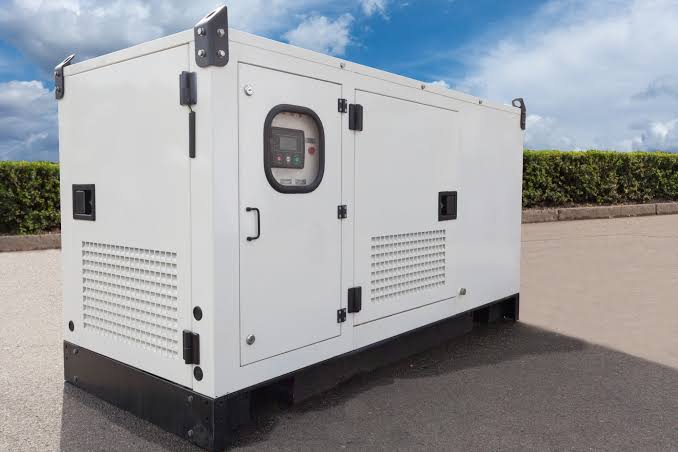
ATS / MTS Kenya
ATS/MTS solutions from Paneltech Systems provide reliable Automatic and Manual Transfer Switches for seamless power transfer in industrial and commercial electrical systems.
View Product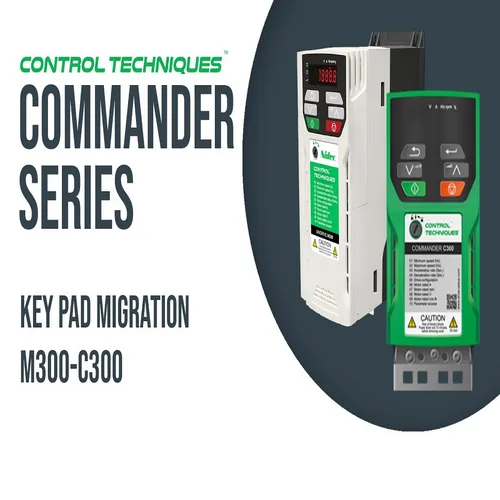
Commander C
Commander C VFD Drives from Paneltech Systems provide advanced motor control for industrial and commercial applications. Enhance efficiency and reliability.
View Product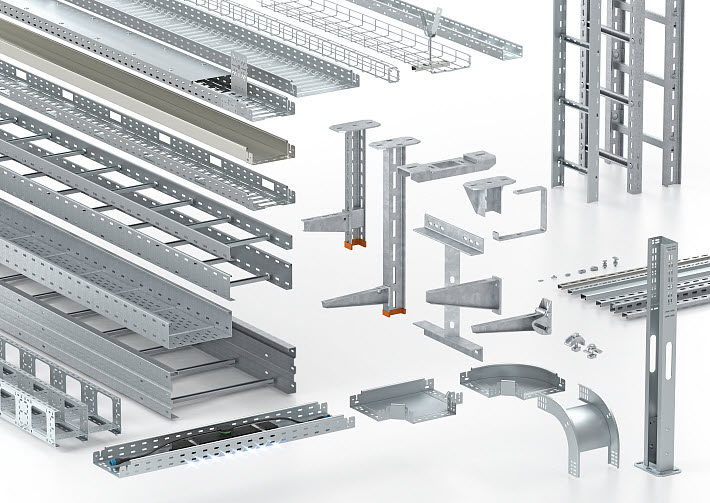
Cable Systems
Paneltech Systems offers comprehensive cable management systems for efficient, secure and organised cable setups across industrial and commercial environments.
View ProductA properly engineered conveyor control panel Kenya industries require integrates motor protection, PLC automation, emergency safety systems, pull-cord switches, belt-slip monitoring, sequential start logic, and remote monitoring capabilities. These features improve operational efficiency while protecting both personnel and equipment.
Kenyan industrial facilities also face challenges such as KPLC voltage fluctuations, dusty operating environments, increasing automation requirements, and expanding production capacity. A purpose-built conveyor control panel helps overcome these challenges through intelligent control and robust electrical design.
At Paneltech Systems Ltd, we design and manufacture conveyor control panels, motor control centres (MCCs), PLC automation systems, VFD panels, and custom industrial electrical solutions for Kenya's commercial and industrial sectors. Learn more about our engineering expertise at about, explore our products at products, or contact our engineering team through contact.
A conveyor control panel is an electrical control system that manages conveyor motors, sequencing, safety devices, sensors, and automation. It provides reliable operation while protecting equipment and personnel from electrical and mechanical faults.
A typical conveyor control panel includes:
- Motor starters
- PLC controllers
- Variable Frequency Drives (VFDs)
- Contactors
- Circuit breakers
- Overload relays
- Safety relays
- Operator interface (HMI)
- Alarm indicators
The panel coordinates all conveyor operations according to programmed logic and process requirements.
Conveyor control panels improve plant productivity by automating material handling, reducing manual intervention, and protecting equipment from operational faults. Reliable control systems minimise downtime and improve workplace safety.
Typical Kenyan applications include:
- Cement plants
- Food processing factories
- Tea processing facilities
- Coffee processing plants
- Mining operations
- Packaging plants
- Warehouses
- Distribution centres
- Grain handling systems
Automation helps maintain continuous production while reducing equipment wear.
A modern conveyor control panel should include PLC-based automation, motor protection, pull-cord emergency stop circuits, belt-slip monitoring, sequential start logic, overload protection, and provisions for future system expansion. The control philosophy should be designed around the conveyor process rather than using a standard motor starter panel.
Key design considerations include:
- Number of conveyors
- Motor ratings
- Starting method
- Process sequence
- Safety requirements
- Environmental conditions
Conveyor control panels should be engineered according to motor loads, process requirements, and site conditions while complying with recognised electrical standards.
| Specification | Typical Value |
|---|---|
| Rated Voltage | 415V AC |
| Control Voltage | 24V DC / 230V AC |
| Frequency | 50 Hz |
| Motor Starting | DOL / Star Delta / Soft Starter / VFD |
| Enclosure Rating | IP54 / IP65 |
| Enclosure Material | Powder-Coated CRCA Steel |
| Mounting Type | Floor Standing / Wall Mounted |
| Controller | PLC with HMI Option |
| Protection | MCCB, MCB, Overload Relay |
| Standards | IEC 61439, IEC 60947, IEC 60204 |
Sequential start logic ensures conveyors start in the correct order to prevent material accumulation, motor overloads, and production interruptions. This is one of the most important functions of a conveyor automation system.
A typical sequence includes:
Start-Up
- Downstream conveyor starts first.
- Intermediate conveyors start next.
- Upstream feed conveyor starts last.
This sequence ensures receiving conveyors are already running before material begins moving.
Shutdown
The process occurs in reverse order to allow conveyors to clear remaining material.
Benefits include:
- Reduced blockages
- Lower motor stress
- Improved equipment life
- Safer operation
Pull-cord switches provide emergency stopping capability along the full length of a conveyor. They allow personnel to stop equipment immediately during unsafe operating conditions.
Typical features include:
- Rope-operated switches
- Latching mechanism
- Manual reset
- Safety relay interface
- PLC monitoring
Pull-cord systems are commonly installed on:
- Long conveyor belts
- Quarry conveyors
- Mining conveyors
- Bulk material handling systems
Regular testing ensures the emergency stop system remains operational.
Belt-slip detection identifies situations where the conveyor drive operates but the belt fails to move correctly. Early detection prevents equipment damage and production losses.
Common causes include:
- Belt wear
- Drive failure
- Excess loading
- Mechanical faults
Detection methods include:
- Speed sensors
- Rotary encoders
- Proximity sensors
- PLC monitoring
The control system can stop the conveyor automatically and generate an alarm.
Programmable Logic Controllers (PLCs) provide flexible automation for conveyor systems by managing sequencing, safety, fault detection, and communication with other plant equipment.
PLC functions include:
- Start/stop control
- Interlocking
- Fault monitoring
- Alarm management
- Production sequencing
- Communication with HMIs
Advanced PLC systems can integrate with:
- Packaging equipment
- Robotics
- Warehouse systems
- SCADA platforms
Conveyor motors require comprehensive electrical protection against overloads, phase failure, short circuits, and voltage disturbances. Proper protection improves equipment lifespan and operational reliability.
Protection devices include:
- MCCBs
- MCBs
- Motor overload relays
- Phase monitoring relays
- Thermal protection
- Surge Protection Devices (SPDs)
Correct coordination ensures only the affected motor is isolated during a fault.
VFDs improve conveyor performance by providing soft starting, speed control, and reduced mechanical stress. They also contribute to lower energy consumption in variable-load applications.
Advantages include:
- Smooth acceleration
- Adjustable conveyor speed
- Reduced belt wear
- Lower starting current
- Improved process control
Paneltech supplies VFD solutions through products/vfd-drives.
Conveyor control panels operating in Kenya should be designed to withstand voltage fluctuations, lightning-related surges, and demanding industrial environments. Appropriate protection enhances equipment reliability.
Recommended measures include:
- Surge Protection Devices
- Voltage monitoring relays
- Phase failure protection
- Proper earthing
- Power quality monitoring
Facilities affected by KPLC voltage variations can benefit from integrated protection and monitoring.
Conveyor control panels should be selected according to site conditions. Proper enclosure ratings protect electrical equipment from dust, moisture, and mechanical damage.
Indoor Manufacturing Plants
Typical requirements:
- IP54 enclosure
- Adequate ventilation
- Controlled electrical rooms
Mining and Quarry Operations
Recommended:
- IP65 enclosures
- Dust-resistant construction
- Heavy-duty cable glands
Food Processing Facilities
Consider:
- Hygienic enclosure design
- Corrosion-resistant finishes
- Easy cleaning access
Routine maintenance helps conveyor control panels operate safely and reliably while reducing unplanned production interruptions. Preventive maintenance also extends component service life.
Maintenance activities include:
- Terminal torque checks
- Thermal imaging
- PLC diagnostics
- Contactor inspection
- Cleaning
- Safety circuit testing
- Pull-cord functional testing
Learn more about preventive electrical maintenance through /knowledge-site.
Poorly designed control panels reduce productivity and increase maintenance costs. Proper engineering ensures the control system matches operational and safety requirements.
Common mistakes include:
- No sequential start logic
- Missing pull-cord safety circuits
- No belt-slip detection
- Incorrect motor protection
- Undersized cables
- Inadequate spare I/O capacity
- No surge protection
- Poor enclosure selection
Conveyor control panels should comply with internationally recognised electrical and machine safety standards to ensure reliable operation and worker safety.
Relevant standards include:
- IEC 61439 – Low Voltage Switchgear Assemblies
- IEC 60947 – Switchgear and Controlgear
- IEC 60204 – Safety of Machinery – Electrical Equipment of Machines
- BS EN electrical standards
- EPRA electrical requirements applicable in Kenya
Compliance supports safe installation, dependable performance, and easier project approval.
Paneltech Systems Ltd designs and manufactures conveyor control panels tailored to Kenya's manufacturing, mining, logistics, and industrial sectors. Our panels combine quality components, PLC automation, and robust engineering for long-term reliability.
Our specialised services include:
- Conveyor Control Panels
- PLC Automation Panels
- Motor Control Centres (MCCs)
- Variable Frequency Drive Panels
- LV Switchboards
- APFC Panels
- ATS & MTS Systems
- Industrial Automation Solutions
- Electrical Engineering Consultation
- Custom Panel Manufacturing
- Installation & Commissioning
Explore our engineering solutions through home-main, learn more about our LV switchboards at low-voltage-panels, access technical resources through knowledge-site, discover residential solutions at paneltechhomes, or visit home1.
Conveyor control panels improve material handling by combining automation, electrical protection, and safety systems into one engineered solution.
What is sequential start logic?
It is a control sequence that starts downstream conveyors before upstream conveyors, preventing material build-up and reducing the risk of blockages.
Why are pull-cord switches important?
Pull-cord switches allow personnel to stop the conveyor immediately from any point along its length during an emergency.
What is belt-slip detection?
It monitors conveyor movement and detects when the drive is operating but the belt is not moving correctly, helping prevent equipment damage.
Can conveyor systems use VFDs?
Yes. VFDs provide soft starting, adjustable conveyor speed, energy savings, and reduced mechanical wear.
Can Paneltech build custom conveyor control panels?
Yes. Paneltech Systems Ltd designs and manufactures custom conveyor control panels based on conveyor layouts, motor ratings, PLC requirements, and site-specific operating conditions.
Powering Kenya's Future with Reliable Electrical Solutions
Email: [email protected]
Phone: 0799 531765
Location: Nairobi, Kenya
Website: https://paneltechsystems.co.ke/
Our Specialized Services:
- Low Voltage (LV) Panels & APFC Panels
- VFD Drive Solutions & ATS / MTS Systems
- Solar Power & EV Charging Infrastructure
- Electrical Supplies & Engineering Consultations