Counterfeit Circuit Breakers in Kenya: 2026 Engineering Guide and Specs | Paneltech Systems Kenya
Looking for genuine protection devices? Learn how to identify counterfeit circuit breakers in Kenya, why fake breakers fail during faults, and how to specify authentic components for safer electrical panels.

Electrical safety depends heavily on one small but critical component: the circuit breaker. Whether installed in a residential distribution board, commercial switchboard, industrial Motor Control Centre (MCC), or utility substation, a circuit breaker is designed to disconnect electrical faults before they damage equipment or endanger lives.
Unfortunately, the Kenyan electrical market has seen an increase in counterfeit and substandard electrical products, including imitation circuit breakers that closely resemble genuine brands. While these products may look identical externally, they often lack the engineering quality, certified testing, and fault interruption capability required for safe operation.
Related Products

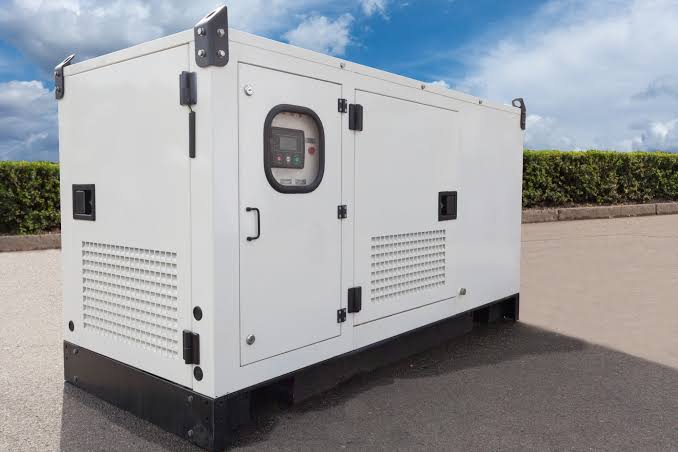
ATS / MTS Kenya
ATS/MTS solutions from Paneltech Systems provide reliable Automatic and Manual Transfer Switches for seamless power transfer in industrial and commercial electrical systems.
View Product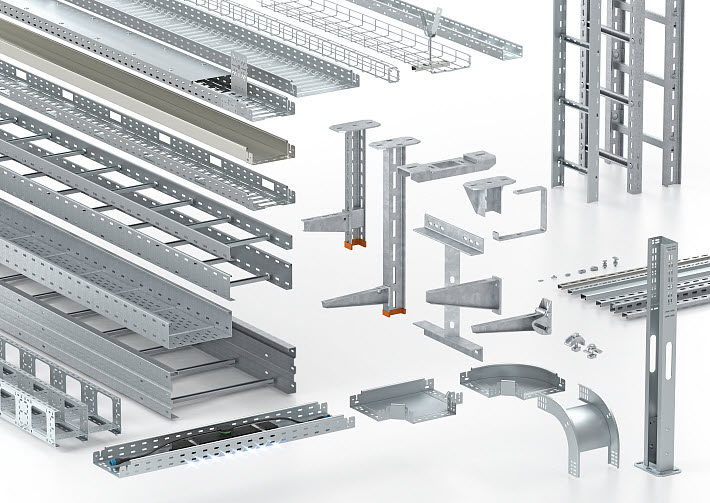
Cable Systems
Paneltech Systems offers comprehensive cable management systems for efficient, secure and organised cable setups across industrial and commercial environments.
View Product
Motor Control
Reliable motor control panels for industrial and commercial use, providing customised solutions for safe and efficient motor operation.
View Product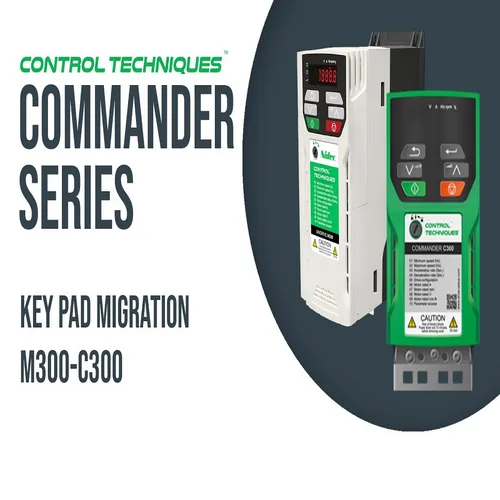
Commander C
Commander C VFD Drives from Paneltech Systems provide advanced motor control for industrial and commercial applications. Enhance efficiency and reliability.
View ProductUnderstanding counterfeit circuit breakers in Kenya helps engineers, contractors, facility managers, procurement teams, and property owners avoid expensive equipment damage, electrical fires, production downtime, and safety hazards.
Unlike genuine breakers that undergo extensive testing to IEC standards, counterfeit products may fail to interrupt fault currents, weld their contacts closed, overheat under normal load, or trip unpredictably.
As industrial facilities in Kenya increasingly incorporate high-capacity transformers, generators, solar power systems, battery storage, and automation equipment, selecting genuine protective devices becomes even more important.
At Paneltech Systems Ltd, we manufacture low-voltage switchboards using genuine, internationally recognised electrical components selected to meet project specifications and applicable standards. Learn more about our engineering expertise at about, explore our products at products, or contact our engineering team through contact.
A counterfeit circuit breaker is an imitation product that copies the appearance and branding of a genuine manufacturer without meeting the original product's engineering design, testing, certification, or performance standards. These devices may appear authentic but often fail to provide reliable electrical protection.
Counterfeit breakers commonly imitate:
- MCBs
- MCCBs
- Air Circuit Breakers (ACBs)
- Residual Current Devices (RCDs)
- Motor Protection Circuit Breakers
Their external appearance can closely resemble genuine products while internal components differ significantly.
A circuit breaker's primary purpose is to disconnect dangerous electrical faults. If it fails to operate correctly, cables, switchboards, transformers, and connected equipment may be exposed to damaging fault currents and overheating.
Potential consequences include:
- Electrical fires
- Equipment damage
- Switchboard failure
- Arc flash hazards
- Production downtime
- Increased maintenance costs
The risks extend far beyond the cost of replacing the breaker itself.
Counterfeit circuit breakers often display poor print quality, inconsistent markings, incorrect certification labels, lightweight construction, inferior terminals, and unusually low prices. However, visual inspection alone is not enough—purchasing through reputable suppliers and verifying product authenticity is the most reliable way to avoid counterfeit equipment.
Warning signs include:
- Poor packaging
- Misspelled labels
- Inconsistent logos
- Weak terminal construction
- Missing serial numbers
- Unusually low prices
When specifying circuit breakers, engineers should verify both the electrical ratings and the authenticity of the product supplied.
| Specification | Typical Requirement |
|---|---|
| Rated Voltage | 415V AC |
| Frequency | 50 Hz |
| Breaking Capacity | Project Specific (6kA–65kA+) |
| Current Rating | Project Specific |
| Protection Type | MCB / MCCB / ACB |
| Trip Characteristics | B, C, D or Adjustable |
| Compliance | IEC 60947 / IEC 60898 |
| Installation | LV Switchboard |
| Manufacturer Documentation | Required |
| Traceability | Serial Number / Batch Identification |
Genuine circuit breakers undergo extensive laboratory testing to verify that they interrupt fault currents safely under specified conditions. Counterfeit products frequently bypass these tests entirely.
Certified breakers are tested for:
- Short-circuit interruption
- Thermal performance
- Mechanical endurance
- Electrical endurance
- Insulation performance
Certification provides confidence that the breaker will perform when needed.
Visual inspection can reveal warning signs, although counterfeit products continue to improve their appearance. Any suspicious product should be verified before installation.
Common indicators include:
Poor Print Quality
- Blurred logos
- Uneven text
- Incorrect fonts
Incorrect Markings
- Missing standards
- Inconsistent ratings
- Poor engraving
Low-Quality Materials
- Lightweight construction
- Weak terminals
- Poor moulding
Packaging Differences
- Missing documentation
- Low-quality printing
- Incorrect product labels
A circuit breaker may appear to operate normally under everyday conditions but fail catastrophically during a high-current short circuit, when reliable protection is most critical.
Possible failures include:
- Contacts welding closed
- Delayed tripping
- Complete failure to interrupt
- Internal explosion
- Switchboard damage
These failures can significantly increase repair costs and downtime.
Industrial switchboards require coordinated protective devices that have been tested to operate together. Installing counterfeit breakers compromises the integrity of the entire electrical assembly.
Applications affected include:
- Motor Control Centres
- APFC Panels
- ATS Panels
- Distribution Boards
- Main Switchboards
- Generator Panels
Paneltech manufactures switchboards using genuine components suitable for project-specific requirements.
The most effective way to reduce the risk of counterfeit products is to purchase through authorised supply channels and verify product documentation before installation.
Good procurement practices include:
- Purchasing from reputable distributors
- Checking serial numbers
- Requesting manufacturer documentation
- Inspecting packaging
- Verifying certifications
- Confirming technical datasheets
Strong procurement procedures support safer installations.
Although counterfeit breakers often cost less initially, the potential cost of equipment damage, production losses, replacement, and downtime usually far exceeds any short-term savings.
Potential costs include:
- Switchboard replacement
- Cable replacement
- Transformer repairs
- Production interruptions
- Emergency maintenance
- Insurance claims
Quality components help reduce long-term operational risk.
Electrical protection devices should be selected not only for authenticity but also for suitability to Kenya's operating environments.
Nairobi
Typical applications:
- Commercial buildings
- Office developments
- Mixed electrical loads
Coastal Kenya
Typical requirements:
- Corrosion-resistant enclosures
- Humidity protection
- Genuine terminals and contacts
Industrial Areas
Typical requirements:
- Heavy-duty switching
- High fault ratings
- Reliable thermal performance
Environmental conditions should be considered alongside electrical ratings.
Many counterfeit products enter projects because procurement decisions focus only on price rather than technical compliance and product traceability.
Common mistakes include:
- Selecting the lowest quotation
- No verification of supplier
- Ignoring certification
- No documentation review
- Mixing breaker brands
- No inspection before installation
Proper quality control reduces these risks.
Circuit breakers installed in low-voltage switchboards should comply with recognised international standards governing protection and electrical safety.
Relevant standards include:
- IEC 60947 – Low Voltage Switchgear and Controlgear
- IEC 60898 – Circuit Breakers for Household and Similar Installations
- IEC 61439 – Low Voltage Switchgear Assemblies
- IEC 60364 – Electrical Installations
- EPRA electrical requirements applicable in Kenya
Paneltech Systems Ltd manufactures electrical switchboards using genuine, project-approved electrical components selected for performance, reliability, and compliance with recognised engineering standards.
Our specialised services include:
- Low Voltage (LV) Switchboards
- Motor Control Centres (MCCs)
- APFC Panels
- ATS / MTS Systems
- VFD Control Panels
- Energy Monitoring Panels
- Electrical Engineering Consultation
- Switchboard Upgrades
- Power Distribution Systems
- Custom Panel Manufacturing
Explore our engineering solutions through home-main, access technical resources through knowledge-site, discover residential solutions through paneltechhomes, or visit home1.
Using genuine circuit breakers is one of the most important steps in building a safe and reliable electrical installation.
Why are counterfeit circuit breakers dangerous?
They may fail to interrupt electrical faults, increasing the risk of equipment damage, fire, and injury.
Can counterfeit breakers look genuine?
Yes. Many imitation products closely resemble authentic brands but differ internally in materials and construction.
How can I reduce the risk of buying counterfeit breakers?
Purchase through reputable suppliers, verify documentation, inspect markings carefully, and ensure the products comply with recognised standards.
Do counterfeit breakers affect switchboard warranties?
They can. Using unauthorised or counterfeit components may compromise certification, reliability, and manufacturer support.
Can Paneltech build switchboards with genuine branded components?
Yes. Paneltech designs and manufactures switchboards using genuine, specified electrical components that meet project requirements and recognised international standards.
Powering Kenya's Future with Reliable Electrical Solutions
Email: [email protected]
Phone: 0799 531765
Location: Nairobi, Kenya
Website: https://paneltechsystems.co.ke/
Our Specialized Services:
- Low Voltage (LV) Panels & APFC Panels
- VFD Drive Solutions & ATS / MTS Systems
- Solar Power & EV Charging Infrastructure
- Electrical Supplies & Engineering Consultations