Data Center Electrical Infrastructure in Kenya: Tier 3 Power Distribution System, Redundancy and Switchgear Design | Paneltech Systems
Looking for data center electrical infrastructure in Kenya? Explore tier 3 power distribution systems, server room electrical switchgear configuration, dual-bus redundancy, and fast transfer switches. Paneltech Systems Ltd delivers IEC-compliant mission-critical data center power solutions.

Data center electrical infrastructure refers to the highly redundant and fault-tolerant power systems designed to ensure continuous operation of servers, networking equipment, and mission-critical IT systems. Tier III data center electrical infrastructure includes dual power distribution paths, redundant UPS systems, automatic fast transfer switches, and harmonic isolation systems to ensure near-zero downtime. These systems are engineered to meet Uptime Institute Tier III standards and IEC mission-critical electrical requirements.
In Kenya, the demand for reliable data centers is increasing due to cloud adoption, fintech growth, mobile banking systems, and enterprise digital transformation. This makes electrical reliability a core business requirement, not just a technical feature.
Why Data Centers Require Tier III Electrical Systems
Data centers require Tier III electrical systems because even a few seconds of downtime can lead to data loss, financial disruption, and service outages affecting millions of users. Tier III systems ensure concurrent maintainability, meaning maintenance can occur without shutting down operations.
Kenyan data centers supporting banking, telecoms, and government systems face additional challenges:
- Unstable grid supply from KPLC in some regions
- Rapid load growth from cloud services
- High sensitivity of IT equipment to voltage fluctuations
- Increasing cybersecurity and uptime requirements
Modern facilities depend on structured LV infrastructure such as low-voltage-panels which form the backbone of power distribution into UPS and IT load segments.
Tier III Power Distribution System Architecture
A Tier III power distribution system is designed with dual independent power paths that ensure continuous operation even during maintenance or component failure. It is a concurrently maintainable architecture with no single point of failure.
Core Components:
- Dual utility feeds or utility + generator redundancy
- Dual UPS systems (N+1 configuration)
- Dual-bus LV switchboards
- Redundant PDUs (Power Distribution Units)
- Automatic transfer switching systems
In enterprise environments, automation and control systems such as #motor-control-panels are used to manage auxiliary systems like cooling fans, CRAC units, and ventilation systems critical to data center uptime.
Dual-Bus Power Feed Architecture
Dual-bus power feed architecture ensures that each server rack receives power from two independent electrical sources, eliminating single points of failure and enabling continuous operation during maintenance or faults.
How It Works:
- Bus A and Bus B operate independently
- Each server rack has dual power supplies
- Load is automatically redistributed during failure
- Maintenance can occur on one bus without shutdown
This architecture is essential for Tier III certification and is widely used in financial and telecom data centers in Kenya.
UPS Systems in Data Center Electrical Infrastructure
Uninterruptible Power Supply (UPS) systems provide instantaneous backup power to data centers during grid failure, ensuring zero interruption to IT systems and preventing data corruption or hardware failure.
Key UPS Requirements:
- Online double-conversion technology
- Redundant N+1 configuration
- Scalability for future load expansion
- Battery autonomy for 10–30 minutes or more
UPS systems are integrated into structured LV systems such as low-voltage-panels to ensure safe distribution across server racks and auxiliary systems.
Monitoring systems such as rishabh-products provide real-time power quality analysis including harmonics, voltage dips, and load imbalance detection.
Fast Transfer Switch Systems for Data Centers
Fast transfer switch systems (ATS/STS) enable rapid switching between power sources, ensuring continuity during grid failure or UPS bypass events without affecting server performance.
Key Features:
- Transfer time under 100 milliseconds
- Seamless switching between utility and generator
- Redundant control logic
- Surge protection and phase monitoring
These systems ensure data centers remain operational even during transient faults common in Kenyan grid infrastructure.
Harmonic Isolation and Power Quality Management
Harmonic isolation systems protect sensitive IT equipment from electrical distortion caused by non-linear loads such as UPS systems, servers, and variable speed drives.
Harmonic Issues in Data Centers:
- Overheating of transformers
- Reduced UPS efficiency
- Equipment malfunction
- Increased energy losses
To manage this, data centers use:
- Harmonic filters
- Isolation transformers
- Advanced metering systems
Instrumentation systems such asmultispan-products help monitor harmonic distortion and power quality in real time.
Cooling System Electrical Integration
Cooling systems in data centers are electrically integrated into the backup power architecture to ensure thermal stability of servers even during power disruptions.
Cooling infrastructure includes:
- CRAC (Computer Room Air Conditioning) units
- Chiller systems
- Ventilation and exhaust systems
Motor control solutions such as #motor-control-panels and vfd-drives are used to regulate cooling loads efficiently, reducing energy consumption and improving reliability.
Server Room Electrical Switchgear Configuration
Server room electrical switchgear configuration defines how electrical power is distributed, protected, and controlled within data centers to ensure safety and redundancy.
Key Components:
- Main LV switchboards
- Distribution boards (DBs)
- Rack-level PDUs
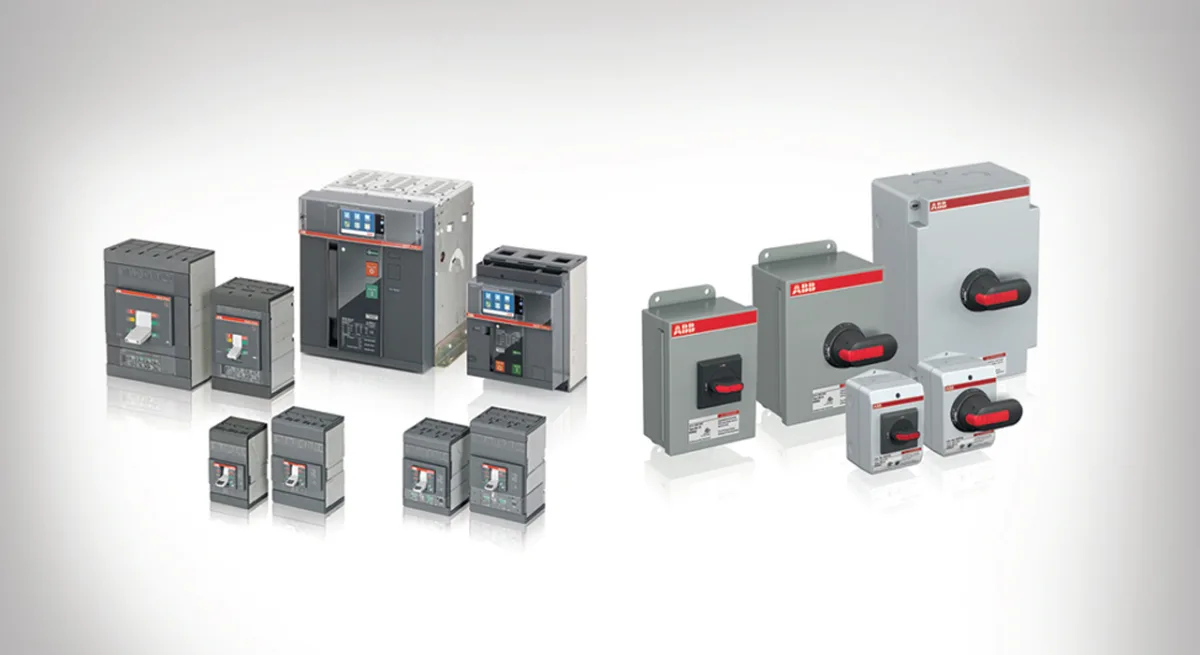
- Circuit breakers (ACBs, MCCBs)
- Automatic bypass systems
Switchgear systems built onlow-voltage-panels ensure compliance with IEC 61439 standards for safety and performance.
Redundancy Levels in Data Centers (Tier Classification)
Data centers are classified into Tier I to Tier IV based on redundancy, uptime capability, and fault tolerance, with Tier III offering concurrent maintainability without downtime.
Tier Comparison:
- Tier I: Basic infrastructure, single path
- Tier II: Partial redundancy
- Tier III: Concurrent maintainability (recommended standard)
- Tier IV: Fully fault-tolerant (highest redundancy)
Tier III is the most widely adopted standard for commercial and enterprise data centers in Kenya due to its balance of cost and reliability.
Energy Efficiency in Data Center Electrical Systems
Energy efficiency in data centers is achieved through optimized power distribution, intelligent cooling systems, and harmonic reduction strategies that reduce operational costs and improve performance.
Key strategies include:
- Use of high-efficiency UPS systems
- Dynamic load balancing
- Smart metering and monitoring
- VFD-controlled cooling systems
Advanced automation systems such as vfd-drives help optimize energy usage across cooling and auxiliary systems.
Environmental and Safety Considerations
Data center electrical systems must be designed to operate under strict environmental control conditions including temperature, humidity, and dust-free environments to ensure uninterrupted server performance.
Key Requirements:
- Precision cooling (22–25°C range)
- Humidity control systems
- Fire suppression (clean agent systems)
- IP-rated enclosures for electrical panels
LV infrastructure such as low-voltage-panels ensures safe and stable operation under controlled environmental conditions.
System Specifications Table
| Parameter | Specification |
|---|---|
| System Type | Tier III Concurrent Maintainability |
| Power Architecture | Dual Bus (A + B) |
| UPS Configuration | N+1 Redundant Online UPS |
| Transfer Time | <100 ms |
| Voltage | 415V / 240V AC |
| Frequency | 50Hz |
| Enclosure Rating | IP54–IP65 |
| Cooling Integration | CRAC + Chiller Systems |
| Standards Compliance | IEC 61439, Uptime Institute Tier III |
| Monitoring | SCADA + Energy Management System |
| Harmonic Control | THD < 5% recommended |
Paneltech Engineering Approach to Data Centers
Paneltech Systems Ltd designs data center electrical infrastructure using a mission-critical redundancy model:
- Primary Supply: Utility grid (KPLC or dedicated feeder)
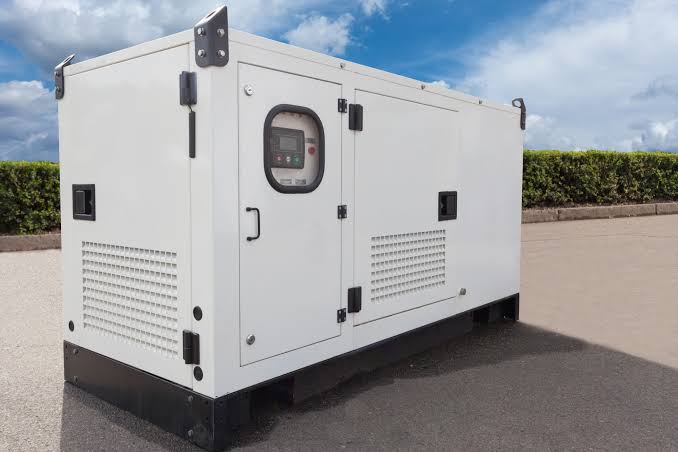
- Secondary Supply: Diesel generator backup
- Tertiary Supply: UPS systems (zero-delay transition)
- Critical Layer: Dual-bus distribution with redundant PDUs
This ensures continuous uptime for mission-critical applications such as banking systems, telecom networks, and cloud services.
Integrated systems such aslow-voltage-panels and #apfc-112 ensure stable voltage regulation and optimized power factor correction across the facility.
Conclusion
Data center electrical infrastructure is the backbone of modern digital economies. In Kenya, Tier III systems provide the ideal balance between cost efficiency and high availability, ensuring uninterrupted operation of critical IT systems. Through redundant power paths, UPS systems, fast transfer switches, and harmonic control, data centers achieve the reliability required for modern cloud and enterprise operations.
Paneltech Systems Ltd delivers fully integrated, IEC-compliant data center electrical solutions designed for scalability, reliability, and mission-critical performance.
Contact Paneltech Systems Ltd
Powering Kenya's Future with Reliable Electrical Solutions
Email: [email protected]
Phone: 0799 531765
Location: Nairobi, Kenya
Website: https://paneltechsystems.co.ke/
Our Specialized Services:
Low Voltage (LV) Panels & APFC Panels
VFD Drive Solutions & ATS / MTS Systems
Solar Power & EV Charging Infrastructure
Electrical Supplies & Engineering Consultations