Data Centre Power Distribution Kenya: 2026 Engineering Guide and Specs | Paneltech Systems Kenya
Looking for reliable data centre power distribution Kenya solutions? Modern data centres require A/B power feeds, LV switchboards, TVSS surge protection, Form 4 segregation

Data centres are among the most power-sensitive facilities in modern infrastructure. Unlike ordinary commercial buildings, a data centre must maintain continuous electrical availability for servers, storage systems, networking equipment, cooling infrastructure, and security systems. Even short power interruptions can affect business operations, cloud services, financial systems, and critical digital platforms.
The foundation of a reliable data centre is its power distribution system. From the incoming utility supply to the final rack connection, every stage requires carefully engineered protection, redundancy, monitoring, and fault management.
Related Products

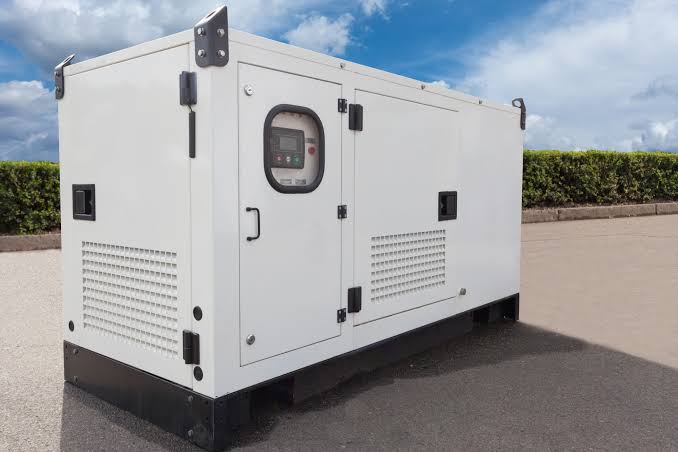
ATS / MTS Kenya
ATS/MTS solutions from Paneltech Systems provide reliable Automatic and Manual Transfer Switches for seamless power transfer in industrial and commercial electrical systems.
View Product
Panels For Data Centers
Specialised low voltage panels designed for data centre power distribution, ensuring high reliability and redundancy.
View Product
Distribution Boards
Distribution boards divide the main electrical power supply into smaller circuits while providing circuit protection for residential, commercial and industrial applications.
View Product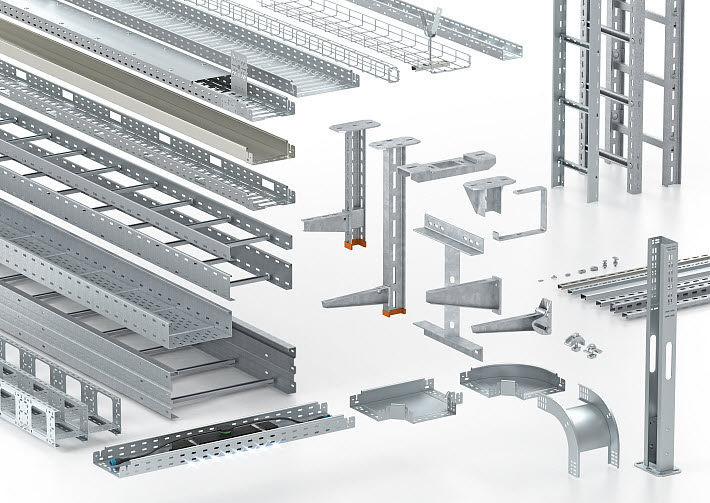
Cable Systems
Paneltech Systems offers comprehensive cable management systems for efficient, secure and organised cable setups across industrial and commercial environments.
View ProductIn Kenya, increasing demand for cloud services, financial technology platforms, telecommunications infrastructure, and enterprise digital transformation has increased the need for reliable data centre electrical systems. Facilities must consider Kenya Power (KPLC) supply conditions, standby generation, UPS systems, battery storage, and advanced low-voltage (LV) distribution.
A professional data centre power distribution Kenya solution typically includes:
- Utility incoming switchgear
- Automatic Transfer Switch (ATS)
- Generator integration
- LV main switchboards
- UPS distribution
- Power Distribution Units (PDUs)
- Rack-level power management
- Surge protection
- Energy monitoring
At Paneltech Systems Ltd, we design and manufacture engineered LV electrical solutions for commercial and industrial applications, including customised switchboards, ATS systems, and power distribution solutions. Learn more about our capabilities at about, explore our products atproducts, or contact our engineering team through contact.
What Is Data Centre Power Distribution?
Data centre power distribution is the engineered electrical chain that delivers safe, reliable, and monitored power from utility sources to IT equipment racks. It combines LV switchgear, UPS systems, protection devices, and redundancy strategies to maintain uptime.
A data centre electrical system is designed around the principle that power availability must be maintained even during equipment failures, maintenance activities, or utility interruptions.
The typical electrical path is:
Utility Supply → Main LV Switchboard → ATS → Generator → UPS System → Distribution Board → PDU → Rack Equipment
Each stage provides a specific function:
- Isolation
- Protection
- Voltage regulation
- Backup power
- Monitoring
- Fault containment
Why Data Centre Power Reliability Matters in Kenya
Reliable power distribution is essential for Kenyan data centres because digital businesses depend on continuous operation. Proper LV design reduces downtime risks caused by grid interruptions, equipment faults, and electrical instability.
Kenya's technology sector continues to expand through:
- Cloud computing
- Banking systems
- Mobile services
- Enterprise applications
- Government digital platforms
- Telecommunications
Data centres must operate through challenges such as:
Grid Fluctuations
Kenya Power supply conditions may include:
- Voltage variations
- Switching events
- Planned maintenance interruptions
Sensitive IT equipment requires stable electrical conditions.
High Availability Requirements
Mission-critical facilities require:
- Redundant power paths
- Backup generation
- UPS protection
- Intelligent monitoring
Increasing Power Density
Modern servers consume more power, increasing the importance of efficient electrical distribution.
The LV Electrical Chain in a Data Centre
The low-voltage electrical chain connects incoming utility power to individual IT racks through multiple protection and distribution stages. Each stage improves safety, reliability, and operational control.
A typical LV chain includes:
Utility Incoming Supply
The facility receives power from the utility provider through incoming switchgear.
Key equipment includes:
- MCCBs
- Protection relays
- Metering systems
- Isolation devices
Automatic Transfer Switch (ATS)
The ATS transfers the electrical load between utility and generator supply during outages.
Paneltech provides ATS and MTS solutions designed for reliable source switching through products.
LV Main Distribution Board
The LV switchboard distributes power to:
- UPS systems
- Cooling equipment
- Building services
- Critical electrical loads
UPS Distribution
The UPS provides clean, uninterrupted power to sensitive IT equipment.
Rack-Level Distribution
Final distribution occurs through:
- PDUs
- Rack-mounted power units
- Intelligent monitoring devices
Data Centre LV Switchboard Specifications Table
Data centre switchboards require higher levels of reliability, segregation, and monitoring compared with standard commercial electrical panels. Specifications should be selected according to load requirements and availability targets.
| Specification | Typical Value |
|---|---|
| Rated Voltage | 415V AC |
| Frequency | 50 Hz |
| Switchboard Type | LV Form 4 Assembly |
| Busbar Material | Electrolytic Copper |
| Enclosure Protection | IP54 / IP65 |
| Form of Separation | Form 4 |
| Incoming Protection | ACB/MCCB |
| Outgoing Protection | MCCB/MCB |
| Surge Protection | Type I/II SPD |
| Metering | Digital Power Monitoring |
| Mounting | Floor Standing |
| Standards | IEC 61439, IEC 60947 |
Understanding A/B Power Feeds
A/B power feeds improve data centre reliability by providing two independent electrical paths to critical equipment. This redundancy allows maintenance and fault isolation without interrupting operations.
A/B architecture means equipment receives power from two separate sources.
Example:
Feed A
- Utility supply
- UPS system
- PDU connection
Feed B
- Independent UPS supply
- Separate LV distribution path
- Alternative PDU connection
Benefits include:
- Higher availability
- Easier maintenance
- Reduced single points of failure
- Improved resilience
Critical servers often use dual power supplies connected to separate feeds.
Form 4 LV Switchboards for Data Centres
Form 4 segregation improves operator safety and fault containment by separating busbars, functional units, and cable terminals within the LV switchboard. It is commonly specified for critical infrastructure applications.
IEC 61439-compliant Form 4 assemblies provide:
- Improved maintenance safety
- Reduced fault impact
- Better equipment protection
- Easier servicing
Data centres benefit from Form 4 designs because electrical maintenance can be performed with reduced operational risk.
Surge Protection and TVSS Requirements
Transient Voltage Surge Suppression (TVSS) systems protect sensitive data centre equipment from voltage spikes caused by lightning, switching operations, and electrical disturbances.
Kenya experiences significant lightning activity, making surge protection an important design consideration.
A complete protection strategy may include:
Incoming Surge Protection
Protects the main electrical supply.
Distribution-Level Protection
Protects:
- UPS systems
- Switchboards
- Distribution panels
Rack-Level Protection
Provides additional protection for sensitive IT equipment.
UPS Integration With LV Distribution
UPS systems are central to data centre reliability because they provide immediate backup power during utility failures. The LV distribution system must be designed to support UPS input and output requirements.
Typical UPS configurations include:
Single UPS System
Suitable for smaller facilities.
Parallel UPS Systems
Provides:
- Increased capacity
- Redundancy
- Improved availability
Modular UPS Systems
Allows future expansion by adding power modules.
The electrical distribution system must consider:
- UPS capacity
- Battery autonomy
- Harmonic effects
- Bypass arrangements
Generator Integration and Backup Power
Generators provide extended backup during prolonged grid outages. Proper ATS integration ensures automatic transfer between utility and generator power without interrupting critical operations.
A typical backup system includes:
- Diesel generator
- ATS panel
- Generator control system
- Fuel management
- Synchronisation equipment
Data centres commonly design generator systems with redundancy to improve uptime.
Power Monitoring and Energy Management
Intelligent monitoring allows data centre operators to track energy usage, identify faults, and optimise electrical performance. Modern LV systems integrate digital meters and communication systems.
Monitoring can include:
- Voltage
- Current
- Frequency
- Power factor
- Energy consumption
- Harmonic levels
- Load distribution
Paneltech integrates industrial monitoring solutions using advanced metering products available through rishabh-products.
Environmental Considerations for Kenyan Data Centres
Data centre electrical panels must be designed according to local environmental conditions. Correct enclosure selection protects equipment from humidity, dust, and temperature variations.
Nairobi
Typical installations require controlled indoor environments with IP54 protection.
Coastal Regions
Humidity and corrosion risks may require:
- Improved enclosure protection
- Corrosion-resistant materials
- IP65 solutions
Industrial Locations
Dust exposure requires:
- Sealed enclosures
- Improved filtration
- Enhanced maintenance planning
Power Factor and Energy Efficiency
Efficient data centre power distribution requires attention to power factor, losses, and electrical loading. Poor power quality can increase operating costs and reduce equipment efficiency.
Important considerations include:
- Power factor correction
- Transformer efficiency
- Cable losses
- Load balancing
- Harmonic management
Paneltech provides APFC solutions for industrial and commercial electrical systems through #apfc-112.
Common Data Centre Power Distribution Mistakes
Poor electrical planning can create reliability risks in data centres. Professional engineering prevents single points of failure and ensures the LV system supports future growth.
Common mistakes include:
- No redundancy planning
- Incorrect UPS sizing
- Poor cable coordination
- Insufficient surge protection
- Lack of monitoring
- Undersized switchgear
- Incorrect Form classification
- No expansion allowance
Standards and Compliance
Data centre electrical systems should comply with recognised international standards to ensure safety, reliability, and professional installation quality.
Key standards include:
- IEC 61439 – Low Voltage Switchgear Assemblies
- IEC 60947 – Switchgear and Controlgear
- IEC 61643 – Surge Protection Devices
- IEC 60364 – Electrical Installations
- BS EN switchgear standards
- EPRA electrical requirements in Kenya
Why Choose Paneltech Systems Ltd?
Paneltech Systems Ltd designs and manufactures reliable LV electrical solutions for Kenya's commercial and industrial infrastructure. Our engineering approach supports mission-critical applications requiring safety, reliability, and compliance.
Our solutions include:
- Data Centre LV Switchboards
- Form 4 Distribution Boards
- ATS Systems
- UPS Distribution Panels
- LV Panels
- APFC Panels
- Power Monitoring Systems
- Electrical Engineering Consultation
- Custom Panel Manufacturing
- Installation Support
- Commissioning
Explore our engineering solutions through home-main, access technical information atknowledge-site, view residential energy solutions at paneltechhomes, or visit home1.
Frequently Asked Questions
Data centre power distribution requires careful planning to achieve high availability and operational efficiency. These answers address common engineering questions.
What is data centre power distribution?
It is the electrical infrastructure that safely delivers power from utility sources to servers and critical equipment.
Why are A/B feeds used?
They provide redundant power paths and reduce the risk of downtime during failures or maintenance.
What is Form 4 switchboard segregation?
It is a high-level LV assembly design that separates functional units, busbars, and terminals for improved safety.
Why is surge protection important?
It protects sensitive IT equipment from electrical transients caused by lightning and switching events.
Can Paneltech design custom data centre panels?
Yes. Paneltech designs customised LV switchboards and electrical distribution systems based on project requirements.
Powering Kenya's Future with Reliable Electrical Solutions
Email: [email protected]
Phone: 0799 531765
Location: Nairobi, Kenya
Website: https://paneltechsystems.co.ke/
Our Specialized Services:
- Low Voltage (LV) Panels & APFC Panels
- VFD Drive Solutions & ATS / MTS Systems
- Solar Power & EV Charging Infrastructure
- Electrical Supplies & Engineering Consultations