Electrical Panel Test Certificate Kenya: 2026 Engineering Guide and Specs | Paneltech Systems Kenya
Looking for an electrical panel test certificate Kenya projects require? Learn which routine test reports, insulation resistance results, high-voltage tests, and commissioning documents you should collect before accepting a switchboard handover.

Electrical panels represent one of the most important investments in any commercial, industrial, or infrastructure project. Whether installing a Low Voltage (LV) switchboard, Motor Control Centre (MCC), APFC panel, Automatic Transfer Switch (ATS), or PLC control panel, the equipment should never be accepted solely because it looks complete or powers up successfully.
An electrical panel test certificate Kenya project owners, consultants, contractors, and facility managers request provides documented evidence that the panel has undergone the required inspections and routine verification before delivery and commissioning. Proper documentation helps demonstrate that the completed assembly performs as intended and supports future maintenance, troubleshooting, and compliance.
Related Products

ATS / MTS Kenya
ATS/MTS solutions from Paneltech Systems provide reliable Automatic and Manual Transfer Switches for seamless power transfer in industrial and commercial electrical systems.
View Product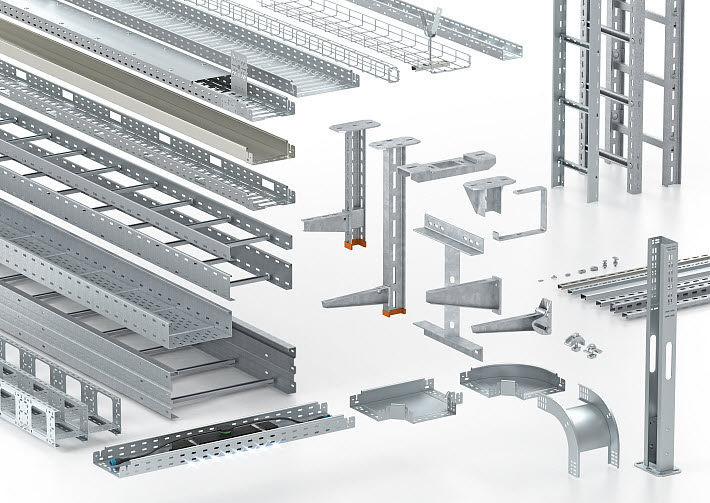
Cable Systems
Paneltech Systems offers comprehensive cable management systems for efficient, secure and organised cable setups across industrial and commercial environments.
View Product
LV Panel
High-quality low voltage panels designed for reliable power distribution and protection in industrial and commercial installations.
View Product
Protection Panels
Robust protection panels safeguarding electrical systems and equipment from faults, overloads and short circuits.
View ProductA professionally manufactured switchboard should be supplied with comprehensive documentation covering factory testing, installation requirements, and commissioning records—not just a delivery note.
For projects across Kenya, electrical panel documentation becomes even more important due to:
- KPLC voltage fluctuations
- Industrial load variations
- Environmental conditions such as dust and coastal humidity
- Increasing use of automation and renewable energy systems
- Compliance with recognised international standards
At Paneltech Systems Ltd, we manufacture and test low-voltage switchboards, MCCs, APFC panels, ATS systems, PLC control panels, and custom electrical assemblies engineered for Kenyan operating conditions. Learn more about our engineering expertise at about, explore our products at products, or contact our engineering team throughcontact.
An electrical panel test certificate is a document confirming that a switchboard or control panel has undergone specified inspections and routine verification before handover. It records the results of factory testing and supports safe installation and commissioning.
The certificate typically confirms that:
- Routine inspections were completed
- Electrical testing was performed
- Functional checks were successful
- The assembly matches the approved design
- Identified defects have been corrected
It forms an important part of the overall project documentation package.
Test certificates provide evidence that a completed panel has been inspected and verified before energisation. They help reduce disputes, improve traceability, and support long-term maintenance.
Benefits include:
- Improved confidence in equipment quality
- Easier commissioning
- Better maintenance records
- Reduced installation risks
- Simplified future troubleshooting
Documentation is particularly valuable for critical infrastructure and industrial facilities.
Before accepting an electrical panel, buyers should collect the routine test certificate, insulation resistance test results, functional test records, wiring documentation, drawings, equipment schedules, and commissioning records. These documents help confirm the panel has been manufactured and tested according to the project specification.
A complete handover package should include:
- Routine verification report
- Test certificates
- Single-line diagram
- Wiring drawings
- Component schedule
- Operation manuals
Every professionally engineered switchboard should be delivered with a comprehensive documentation package supporting installation, operation, and maintenance.
| Document | Purpose |
|---|---|
| Routine Test Certificate | Factory verification record |
| Insulation Resistance Test | Confirms insulation integrity |
| Functional Test Report | Verifies operational performance |
| Wiring Diagram | Installation and maintenance |
| Single-Line Diagram | Power distribution reference |
| Component Schedule | Equipment identification |
| Operation Manual | Safe operation guidance |
| Maintenance Manual | Preventive maintenance procedures |
| Nameplate Information | Equipment identification |
| Commissioning Records | Site verification |
Routine verification confirms that the completed switchboard has been inspected after manufacture and before delivery. It verifies correct assembly and basic electrical performance.
Routine verification commonly includes:
- Visual inspection
- Mechanical operation
- Wiring verification
- Protective earth continuity
- Insulation resistance
- Functional operation
Routine verification is an important requirement for switchboards designed in accordance with IEC 61439.
The insulation resistance test checks the integrity of insulation between conductors and earth. It helps identify damaged insulation before the panel is energised.
The test confirms:
- Safe insulation levels
- Correct wiring separation
- Reduced risk of electrical leakage
IR testing should be completed before commissioning.
Where applicable, dielectric testing demonstrates that the switchboard insulation can withstand specified electrical stresses without breakdown.
The purpose of the test is to verify:
- Insulation strength
- Dielectric integrity
- Electrical safety
Not every project requires the same level of testing, so requirements should match the specification and applicable standards.
Functional testing confirms that electrical and mechanical components operate correctly before shipment.
Testing may include:
- Breaker operation
- Contactor function
- Control logic verification
- Indicator lamps
- Metering systems
- Alarm functions
For automation panels, PLC sequences and HMI operation should also be verified.
Accurate drawings simplify installation, commissioning, maintenance, and future modifications. They should match the delivered equipment.
Important documents include:
Single-Line Diagram
Shows:
- Incoming supply
- Outgoing feeders
- Protection arrangement
Wiring Diagrams
Provide detailed connection information.
General Arrangement Drawings
Show:
- Panel dimensions
- Equipment locations
- Cable entry arrangements
Factory Acceptance Testing verifies panel operation before equipment leaves the manufacturer's facility. It allows issues to be identified before site installation begins.
Typical FAT activities include:
- Visual inspection
- Mechanical checks
- Functional operation
- Protection verification
- Documentation review
Paneltech manufactures custom LV panels through low-voltage-panels.
Commissioning records confirm that the installed panel operates correctly after installation and before being placed into service.
Typical commissioning checks include:
- Cable verification
- Earth continuity
- Phase rotation
- Protection testing
- Operational testing
Commissioning should only take place after installation is complete.
Every electrical panel should include permanent identification to simplify operation, maintenance, and future inspections.
Typical information includes:
- Manufacturer details
- Panel rating
- Voltage
- Current
- Frequency
- Serial number
- Standard reference
Correct identification improves asset management.
Missing or incomplete documentation can create problems during commissioning, maintenance, and future system upgrades.
Common issues include:
- Missing test certificates
- Incorrect drawings
- No component schedule
- No operation manual
- Unlabelled circuits
- Outdated documentation
Always verify documentation before accepting equipment.
Routine testing and documentation should support recognised international standards governing low-voltage assemblies and electrical installations.
Relevant standards include:
- IEC 61439 – Low Voltage Switchgear Assemblies
- IEC 60947 – Switchgear and Controlgear
- IEC 60364 – Electrical Installations
- BS EN electrical standards
- EPRA electrical requirements applicable in Kenya
Electrical panels supplied for Kenyan installations should be suitable for local environmental conditions and supported by appropriate documentation.
Design considerations include:
- KPLC supply variations
- Coastal humidity
- Industrial dust
- High ambient temperatures
- Future system expansion
Proper documentation supports maintenance throughout the panel's service life.
Paneltech Systems Ltd supplies professionally engineered electrical panels complete with the documentation required for installation, commissioning, operation, and maintenance.
Our specialised services include:
- Low Voltage Switchboards
- Motor Control Centres (MCCs)
- APFC Panels
- ATS / MTS Systems
- PLC Control Panels
- VFD Solutions
- Solar Distribution Panels
- Factory Testing
- Commissioning Support
- Electrical Engineering Consultation
Explore our engineering solutions through home-main, access technical resources through knowledge-site, discover residential solutions through paneltechhomes, or visit home1.
Proper documentation is an essential part of every professionally engineered electrical panel installation.
What is an electrical panel test certificate?
It is a document recording the routine verification and testing completed before the panel is handed over.
Why is insulation resistance testing important?
It confirms the integrity of insulation and helps identify potential electrical faults before energisation.
Should I receive wiring diagrams with the panel?
Yes. Wiring diagrams are essential for installation, maintenance, and future troubleshooting.
What is Factory Acceptance Testing?
Factory Acceptance Testing verifies correct panel operation before shipment to site.
Can Paneltech provide complete documentation?
Yes. Paneltech supplies engineering documentation, factory test records, drawings, and commissioning support with its electrical panel solutions.
Powering Kenya's Future with Reliable Electrical Solutions
Email: [email protected]
Phone: 0799 531765
Location: Nairobi, Kenya
Website: https://paneltechsystems.co.ke/
Our Specialized Services:
- Low Voltage (LV) Panels & APFC Panels
- VFD Drive Solutions & ATS / MTS Systems
- Solar Power & EV Charging Infrastructure
- Electrical Supplies & Engineering Consultations