Energy Efficient Electrical Panel Kenya: 2026 Engineering Guide and Specs | Paneltech Systems Kenya
Looking for an energy efficient electrical panel Kenya facilities need? Learn how low-loss busbars, correctly sized cables, efficient contactors, and smart metering reduce electrical losses and operating costs.

Electrical panels are often viewed only as distribution points, but they also play a major role in how efficiently a building, factory, or infrastructure project consumes power. Poorly designed panels can waste energy through resistive losses, oversized equipment, inefficient switching devices, poor power factor, and inadequate monitoring.
For industrial and commercial facilities in Kenya, where electricity costs directly affect operational expenses, improving panel efficiency can deliver measurable savings over the life of an installation.
Related Products

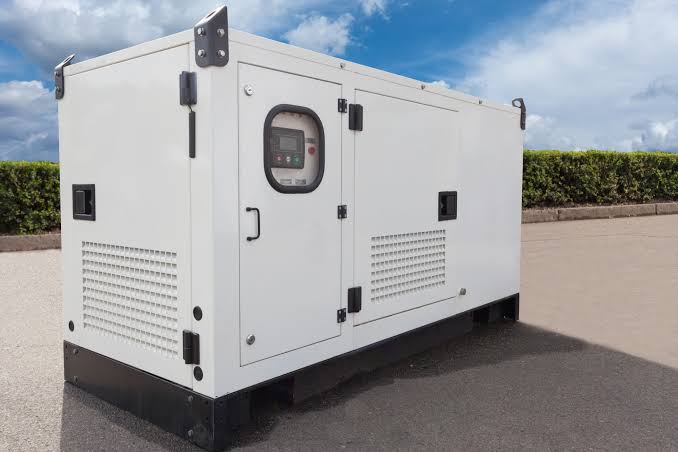
ATS / MTS Kenya
ATS/MTS solutions from Paneltech Systems provide reliable Automatic and Manual Transfer Switches for seamless power transfer in industrial and commercial electrical systems.
View Product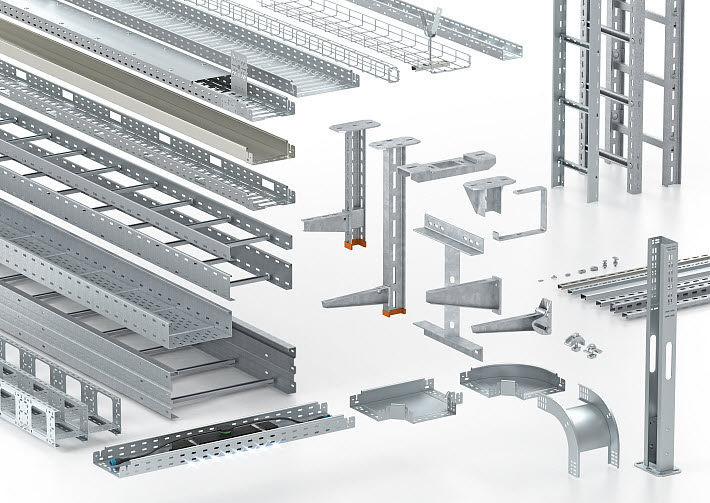
Cable Systems
Paneltech Systems offers comprehensive cable management systems for efficient, secure and organised cable setups across industrial and commercial environments.
View Product
LV Panel
High-quality low voltage panels designed for reliable power distribution and protection in industrial and commercial installations.
View Product
Protection Panels
Robust protection panels safeguarding electrical systems and equipment from faults, overloads and short circuits.
View ProductAn energy efficient electrical panel Kenya industries require is designed around reducing unnecessary losses while maintaining reliability, safety, and future expansion capability. This involves selecting low-loss busbars, correctly sized conductors, efficient contactors, intelligent metering, harmonic management, and properly coordinated protection systems.
Modern electrical panel design is especially important as Kenyan businesses increasingly operate:
- Automated production equipment
- Variable Frequency Drives (VFDs)
- Solar power systems
- Battery storage systems
- EV charging infrastructure
- Smart building systems
At Paneltech Systems Ltd, we design and manufacture energy-efficient LV switchboards, APFC panels, MCC panels, VFD panels, ATS systems, and intelligent electrical solutions engineered for Kenyan commercial and industrial applications. Learn more about our engineering capabilities at about, explore our solutions at products, or contact our team through contact.
An energy efficient electrical panel is a switchboard designed to minimise electrical losses while safely distributing power to connected loads. It achieves efficiency through optimised component selection, reduced heat generation, improved power quality, and intelligent monitoring.
Key design elements include:
- Low-loss copper busbars
- Correct cable sizing
- High-efficiency contactors
- Smart energy meters
- Proper ventilation
- Power factor correction
- Harmonic mitigation
Efficiency begins at the design stage.
Energy losses inside electrical panels increase operating costs and generate unnecessary heat that can reduce equipment lifespan. Efficient panel design helps facilities reduce wastage, improve reliability, and maximise electrical system performance.
Facilities that benefit include:
- Manufacturing plants
- Commercial buildings
- Hospitals
- Hotels
- Data centres
- Water treatment plants
- Warehouses
Reducing small losses across a large installation can create significant long-term benefits.
Electrical panels lose energy mainly through resistance in busbars, cables, terminals, contactors, and protective devices. These losses appear as heat, reducing system efficiency and increasing cooling requirements.
Common sources include:
- Undersized conductors
- Poor connections
- High-resistance contacts
- Excessive current flow
- Harmonic currents
- Poor power factor
A well-engineered panel reduces these losses from the beginning.
Efficient switchboards combine high-quality components with correct engineering calculations to minimise losses and improve operational performance.
| Specification | Typical Requirement |
|---|---|
| System Voltage | 415V AC |
| Frequency | 50 Hz |
| Busbar Material | High Conductivity Copper |
| Busbar Design | Low-Loss Rated |
| Enclosure Rating | IP54 / IP65 |
| Metering | Smart Multifunction Meter |
| Power Factor Correction | APFC System |
| Communication | Modbus / Ethernet |
| Panel Standard | IEC 61439 |
| Application | Commercial / Industrial |
Busbars are one of the most important components affecting electrical efficiency because they carry large continuous currents throughout the switchboard. Correct material selection and sizing reduce resistive losses and heat generation.
Energy-efficient busbar design considers:
- Copper conductivity
- Cross-sectional area
- Current density
- Heat dissipation
- Joint quality
Copper busbars are widely preferred due to their excellent conductivity and durability.
Paneltech designs LV switchboards with engineered busbar systems through low-voltage-panels.
Incorrectly sized cables increase resistance losses, voltage drops, and heat generation. Proper cable selection improves efficiency while supporting safe operation under continuous load conditions.
Cable sizing considers:
- Load current
- Cable length
- Installation method
- Ambient temperature
- Voltage drop limits
- Future expansion
Oversized or undersized cables both affect project performance and cost.
Contactors operate thousands of times in industrial applications, meaning their efficiency and reliability directly influence system performance. High-quality contactors reduce contact resistance and unnecessary heat generation.
Important factors include:
- Coil power consumption
- Contact resistance
- Switching frequency
- Mechanical endurance
- Load compatibility
Efficient switching components are particularly important in:
- Motor control panels
- HVAC systems
- Pump stations
- Conveyor systems
Poor power factor increases current demand, creating additional losses in cables, transformers, and switchboards. Automatic Power Factor Correction (APFC) panels improve efficiency by reducing unnecessary reactive current.
Benefits include:
- Reduced current flow
- Lower losses
- Improved transformer utilisation
- Better power quality
Paneltech provides APFC solutions through #apfc-112.
You cannot improve what you cannot measure. Intelligent energy monitoring allows facility managers to identify where electrical losses occur and make informed efficiency improvements.
Energy monitoring systems track:
- kWh consumption
- Voltage levels
- Current demand
- Power factor
- Harmonic distortion
- Load patterns
Paneltech integrates intelligent monitoring solutions into custom electrical panels.
Harmonic currents increase heating losses in electrical systems and reduce the efficiency of transformers, cables, and switchboards. Managing harmonics improves both reliability and energy performance.
Common harmonic sources include:
- VFDs
- UPS systems
- Solar inverters
- EV chargers
- LED systems
Solutions include:
- Harmonic filters
- Line reactors
- Harmonic-rated APFC panels
Solar installations require carefully designed distribution panels to maximise renewable energy benefits and maintain safe power distribution.
Applications include:
- Solar AC distribution boards
- Inverter panels
- Battery storage panels
- Hybrid energy systems
Paneltech designs solar-ready solutions through #solar-ac-db-combiner.
Electrical efficiency is influenced by environmental conditions because excessive heat, dust, and humidity affect component performance and cooling requirements.
Nairobi
Considerations:
- Commercial buildings
- Indoor switchrooms
- Mixed electrical loads
Coastal Kenya
Considerations:
- High humidity
- Salt exposure
- Corrosion protection
Industrial Areas
Considerations:
- Dust protection
- Continuous operation
- Heat management
Correct enclosure selection supports long-term efficiency.
Many facilities experience unnecessary energy losses because panel design focuses only on initial purchase price rather than lifetime operating costs.
Common mistakes include:
- Undersized busbars
- Poor cable selection
- Low-quality contactors
- No energy monitoring
- Ignoring power factor
- Poor ventilation design
- No harmonic assessment
A lifecycle approach produces better results.
Energy-efficient electrical panels should comply with recognised standards that define safe construction, performance, and testing requirements.
Relevant standards include:
- IEC 61439 – Low Voltage Switchgear Assemblies
- IEC 60947 – Switchgear and Controlgear
- IEC 61000 – Electromagnetic Compatibility
- IEC 60364 – Electrical Installations
- EPRA electrical requirements applicable in Kenya
Paneltech Systems Ltd designs energy-efficient electrical panels that help Kenyan industries reduce losses, improve reliability, and optimise power distribution performance.
Our specialised services include:
- Low Voltage (LV) Panels
- Energy Efficient Switchboards
- APFC Panels
- VFD Drive Solutions
- ATS / MTS Systems
- Solar Power Infrastructure
- Energy Monitoring Panels
- Industrial Automation Panels
- Electrical Engineering Consultation
- Custom Panel Manufacturing
Explore our engineering solutions through home-main, access technical resources through knowledge-site, discover residential solutions through paneltechhomes, or visit home1.
Energy-efficient electrical panel design reduces operating costs while improving reliability and equipment lifespan.
How does an electrical panel waste energy?
Losses occur through resistance in busbars, cables, terminals, contactors, and protective devices, producing heat and wasted power.
Can an efficient panel reduce electricity bills?
Yes. Reducing electrical losses and improving power factor can lower unnecessary energy consumption and improve system efficiency.
Why are copper busbars used in efficient panels?
Copper provides excellent electrical conductivity, reducing resistance losses and heat generation.
Does smart metering improve energy efficiency?
Yes. Monitoring identifies inefficient loads, abnormal consumption patterns, and areas where improvements are needed.
Can Paneltech design energy-efficient switchboards?
Yes. Paneltech designs custom LV panels incorporating efficient components, monitoring systems, APFC solutions, and engineered power distribution systems.
Powering Kenya's Future with Reliable Electrical Solutions
Email: [email protected]
Phone: 0799 531765
Location: Nairobi, Kenya
Website: https://paneltechsystems.co.ke/
Our Specialized Services:
- Low Voltage (LV) Panels & APFC Panels
- VFD Drive Solutions & ATS / MTS Systems
- Solar Power & EV Charging Infrastructure
- Electrical Supplies & Engineering Consultations