Energy Monitoring Panel Kenya: 2026 Engineering Guide and Specs | Paneltech Systems Kenya
Looking for an energy monitoring panel Kenya businesses trust? Learn how Modbus meters, sub-metering, per-feeder kWh monitoring, and intelligent dashboards help reduce electricity costs. Get a custom metering panel from Paneltech Systems Ltd.

Electricity is one of the highest operating expenses for factories, commercial buildings, hospitals, hotels, schools, shopping centres, and industrial facilities across Kenya. While many organisations know their monthly electricity bill, few understand exactly which equipment, departments, or production lines consume the most power.
Without detailed energy monitoring, opportunities to reduce operating costs often go unnoticed.
Related Products

ATS / MTS Kenya
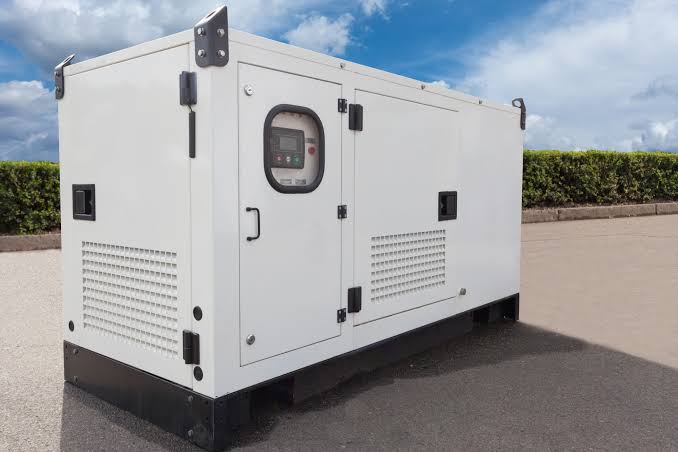
ATS/MTS solutions from Paneltech Systems provide reliable Automatic and Manual Transfer Switches for seamless power transfer in industrial and commercial electrical systems.
View Product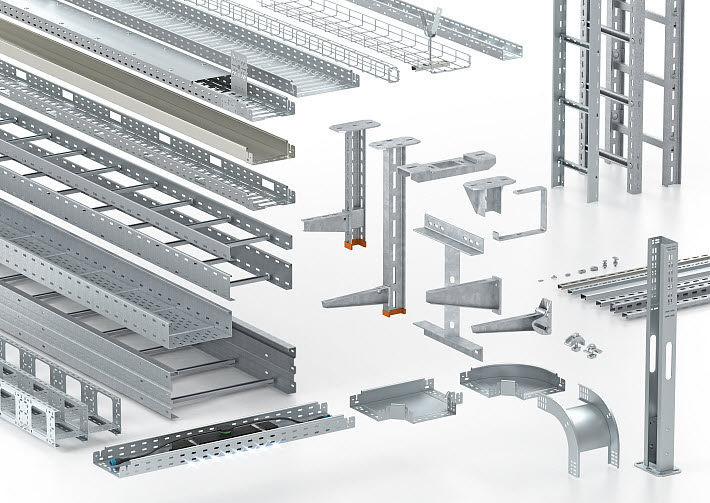
Cable Systems
Paneltech Systems offers comprehensive cable management systems for efficient, secure and organised cable setups across industrial and commercial environments.
View Product
LV Panel
High-quality low voltage panels designed for reliable power distribution and protection in industrial and commercial installations.
View Product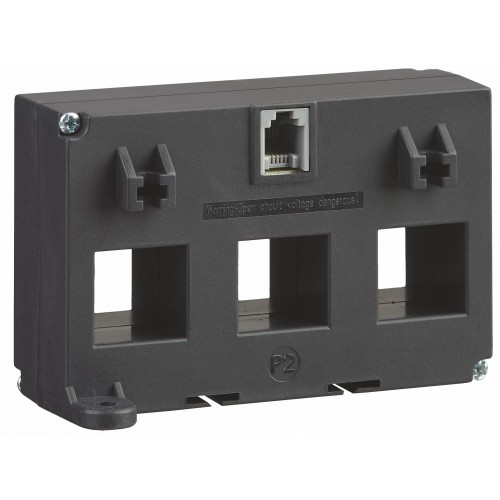
3 Phase Current Transformer
3-Phase Current Transformers for accurate power monitoring and measurement. Paneltech Systems offers high-quality Rishabh 3-Phase CTs for industrial energy monitoring and protection.
View ProductAn energy monitoring panel Kenya businesses install provides real-time visibility into electrical consumption by measuring energy use at individual feeders, departments, machines, tenants, or production lines. Instead of relying solely on the utility meter, facility managers gain accurate data showing where electricity is being consumed—and where money is being wasted.
Modern energy monitoring panels combine intelligent digital metering, communication networks, and software dashboards to provide actionable insights that improve operational efficiency and energy management.
For Kenyan facilities, energy monitoring is becoming increasingly valuable because of:
- Rising electricity costs
- KPLC demand charges
- Expansion of industrial automation
- Renewable energy integration
- ESG and sustainability reporting
- Energy efficiency initiatives
At Paneltech Systems Ltd, we design and manufacture intelligent low-voltage switchboards, energy monitoring panels, APFC systems, automation panels, and custom electrical solutions for industrial and commercial applications. Learn more about our engineering expertise at about, explore our electrical products at products, or contact our engineering team through contact.
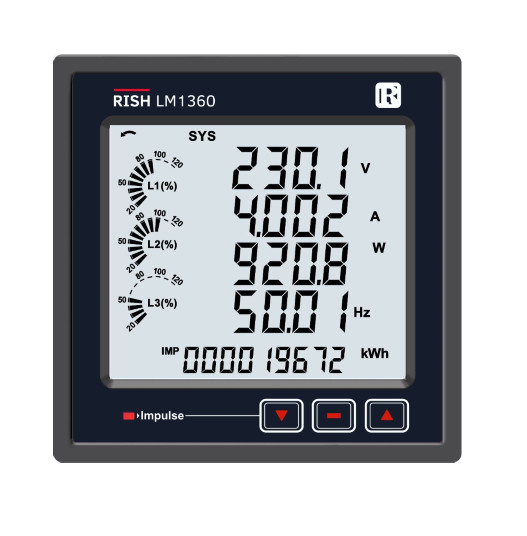
An energy monitoring panel is a low-voltage electrical panel equipped with intelligent digital meters that continuously measure electricity consumption, power quality, and equipment performance. It enables facility managers to monitor electrical usage across multiple circuits and feeders.
Typical measurements include:
- kWh consumption
- kVA demand
- Current
- Voltage
- Power factor
- Frequency
- Maximum demand
- Harmonic distortion
The collected data supports informed operational and maintenance decisions.
Energy monitoring helps Kenyan organisations identify inefficient equipment, reduce electricity costs, and optimise energy consumption using accurate, real-time electrical data.
Industries benefiting from energy monitoring include:
- Manufacturing plants
- Hospitals
- Data centres
- Hotels
- Universities
- Shopping malls
- Office buildings
- Water treatment facilities
Understanding energy consumption at feeder level allows better budgeting and operational planning.
A modern energy monitoring panel should include multifunction Modbus energy meters, per-feeder sub-metering, communication capability, current transformers (CTs), power quality monitoring, and dashboard integration. The panel should be scalable to accommodate future electrical expansion.
Key components include:
- Multifunction digital meters
- Current transformers
- Modbus communication
- Ethernet gateway
- Alarm monitoring
- Data logging
- Expandable feeder monitoring
Energy monitoring panels should be specified according to the facility's electrical distribution system, communication requirements, and reporting objectives.
| Specification | Typical Requirement |
|---|---|
| System Voltage | 415V AC |
| Frequency | 50 Hz |
| Meter Type | Multifunction Digital Meter |
| Communication | Modbus RTU / Modbus TCP |
| Current Measurement | External CTs |
| Voltage Measurement | Three Phase |
| Energy Measurement | kWh, kVAh |
| Power Quality | Voltage, PF, Harmonics |
| Enclosure Rating | IP54 / IP65 |
| Compliance | IEC 61439 |
Sub-metering measures electricity consumption at individual feeders, departments, tenants, or equipment instead of relying only on the main incoming utility meter. It provides detailed visibility into where electricity costs originate.
Sub-metering applications include:
- Production lines
- Office floors
- Rental units
- HVAC systems
- Water pumps
- Compressors
- Server rooms
- Solar systems
Sub-metering makes it easier to allocate electricity costs accurately.
Modern multifunction meters provide far more information than traditional kWh meters by monitoring multiple electrical parameters simultaneously.
Typical measurements include:
- Voltage
- Current
- Active power
- Reactive power
- Apparent power
- Energy consumption
- Frequency
- Power factor
Paneltech integrates intelligent metering into custom electrical panels through products.
Modbus communication enables energy meters to transmit real-time electrical data to Building Management Systems (BMS), SCADA platforms, PLCs, and cloud-based monitoring software.
Communication options include:
Modbus RTU
Suitable for:
- Industrial automation
- PLC communication
- RS485 networks
Modbus TCP
Suitable for:
- Ethernet networks
- Enterprise monitoring
- Remote access
This allows centralised monitoring of multiple electrical panels.
Monitoring individual outgoing feeders provides detailed insight into which equipment consumes the most electricity and identifies opportunities for energy savings.
Typical monitored feeders include:
- Air conditioning systems
- Lighting circuits
- Production machinery
- Pumps
- Compressors
- Server rooms
- EV chargers
Facilities can compare energy consumption across different operational areas.
An energy monitoring panel can also measure power quality, helping engineers identify electrical conditions that reduce efficiency or damage equipment.
Important measurements include:
- Voltage imbalance
- Harmonic distortion
- Power factor
- Frequency variations
- Voltage dips
- Overvoltage events
Paneltech also provides APFC solutions through #apfc-112 to improve power factor and reduce reactive energy costs.
Graphical dashboards convert raw electrical measurements into meaningful information for facility managers and maintenance teams.
Typical dashboard features include:
- Live energy consumption
- Daily trends
- Monthly reports
- Alarm notifications
- Maximum demand tracking
- Historical comparisons
These reports support operational and financial decision-making.
Load profiling identifies how electricity consumption changes throughout the day, allowing facilities to optimise equipment operation and reduce demand charges.
Benefits include:
- Peak demand reduction
- Better production scheduling
- Improved transformer utilisation
- Energy budgeting
Understanding demand profiles helps reduce unnecessary electricity costs.
Energy monitoring panels play an important role in facilities integrating solar PV, battery storage, and backup generators by measuring energy flows between different power sources.
Applications include:
- Solar generation monitoring
- Battery discharge monitoring
- Generator energy tracking
- Utility import/export measurement
Accurate metering improves overall energy management.
Energy monitoring panels should be designed for Kenya's operating conditions, including industrial dust, coastal humidity, and fluctuating electrical loads.
Design considerations include:
Nairobi
- Commercial buildings
- Industrial parks
- Mixed electrical loads
Coastal Kenya
- Corrosion protection
- High humidity
- IP65 enclosures where appropriate
Industrial Zones
- Dust protection
- Continuous operation
- Heavy electrical loading
Proper enclosure selection improves long-term reliability.
Many facilities invest in energy meters but fail to obtain meaningful operational benefits because of poor planning and limited data analysis.
Common mistakes include:
- Monitoring only the main incomer
- No feeder-level metering
- Ignoring power quality
- No historical reporting
- Poor dashboard configuration
- Limited expansion capability
Proper system design maximises return on investment.
Energy monitoring panels should be designed according to recognised electrical engineering standards to ensure safe installation and reliable operation.
Relevant standards include:
- IEC 61439 – Low Voltage Switchgear Assemblies
- IEC 62053 – Electricity Metering Equipment
- IEC 60947 – Switchgear and Controlgear
- IEC 60364 – Electrical Installations
- EPRA electrical requirements applicable in Kenya
Paneltech Systems Ltd designs intelligent electrical panels that combine reliable power distribution with advanced energy monitoring capabilities for industrial and commercial facilities across Kenya.
Our specialised services include:
- Energy Monitoring Panels
- Low Voltage Switchboards
- APFC Panels
- Motor Control Centres (MCCs)
- PLC Automation Panels
- ATS / MTS Systems
- VFD Solutions
- Smart Meter Integration
- Electrical Engineering Consultation
- Custom Panel Manufacturing
Explore our engineering solutions through home-main, access technical resources through knowledge-site, discover residential solutions through paneltechhomes, or visit home1.
Energy monitoring panels provide the visibility needed to improve energy efficiency and reduce operating costs.
What is an energy monitoring panel?
It is an electrical panel equipped with intelligent meters that measure energy consumption, power quality, and electrical performance.
Why is sub-metering important?
Sub-metering identifies energy consumption by feeder, department, or equipment, making it easier to control electricity costs.
What is Modbus used for?
Modbus enables energy meters to communicate with PLCs, SCADA systems, BMS platforms, and monitoring software.
Can energy monitoring reduce electricity costs?
Yes. Better visibility helps identify inefficiencies, optimise equipment operation, and reduce unnecessary energy consumption.
Can Paneltech integrate energy monitoring into new switchboards?
Yes. Paneltech designs custom switchboards with integrated metering, communication, and monitoring systems tailored to each project.
Powering Kenya's Future with Reliable Electrical Solutions
Email: [email protected]
Phone: 0799 531765
Location: Nairobi, Kenya
Website: https://paneltechsystems.co.ke/
Our Specialized Services:
- Low Voltage (LV) Panels & APFC Panels
- VFD Drive Solutions & ATS / MTS Systems
- Solar Power & EV Charging Infrastructure
- Electrical Supplies & Engineering Consultations