EV Charger Distribution Board Kenya: 2026 Engineering Guide and Specs | Paneltech Systems Kenya
Looking for an EV charger distribution board Kenya projects can depend on? A professionally engineered EV charging panel integrates Type B RCD protection, dynamic load balancing

Electric vehicle (EV) adoption in Kenya is accelerating as businesses, residential developers, fleet operators, and institutions prepare for the transition toward cleaner transportation. However, installing EV chargers requires more than simply connecting charging equipment to an existing electrical supply. The electrical distribution infrastructure must be carefully engineered to manage high continuous loads, ensure user safety, and allow future expansion.
The EV charger distribution board is the central protection and control point between the building electrical supply and electric vehicle charging equipment. It manages power distribution, circuit protection, residual current protection, surge protection, energy monitoring, and load balancing between multiple charging points.
Related Products

Distribution Boards
Distribution boards divide the main electrical power supply into smaller circuits while providing circuit protection for residential, commercial and industrial applications.
View Product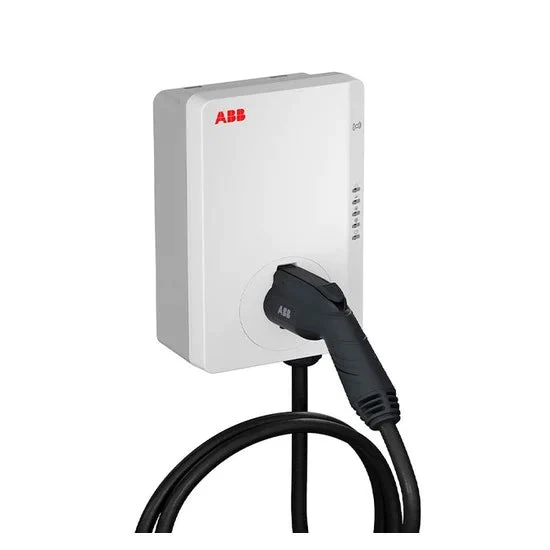
EV Chargers
ABB EV charging solutions for commercial and industrial premises, enabling reliable electric vehicle charging infrastructure.
View Product
LV Panel
High-quality low voltage panels designed for reliable power distribution and protection in industrial and commercial installations.
View Product
ATS / MTS Kenya
ATS/MTS solutions from Paneltech Systems provide reliable Automatic and Manual Transfer Switches for seamless power transfer in industrial and commercial electrical systems.
View ProductA poorly designed EV charging distribution system can result in nuisance tripping, excessive demand charges, overheating conductors, limited charger availability, or unsafe operating conditions. A professionally engineered panel ensures reliable charging performance while protecting the building's electrical infrastructure.
At Paneltech Systems Ltd, we design and manufacture custom electrical distribution solutions for commercial, industrial, and residential projects across Kenya. Our engineering capabilities include LV panels, solar integration, EV charging infrastructure, ATS systems, and customised electrical solutions. Learn more about our company at about, explore our electrical products at products, or contact our engineering team through contact.
What Is an EV Charger Distribution Board?
An EV charger distribution board is a dedicated electrical panel designed to safely distribute power from a building supply to electric vehicle charging stations. It includes protective devices such as RCDs, circuit breakers, surge protection, metering, and load management systems.
Unlike conventional distribution boards, EV charging panels are designed for continuous high-power operation. Electric vehicle chargers may operate for several hours daily at high current levels, making correct circuit design essential.
A typical EV charger distribution board includes:
- Incoming MCCB protection
- Individual charger circuit breakers
- Type B RCD protection
- Surge protection devices
- Energy meters
- Communication interfaces
- Load balancing controls
- Spare outgoing ways
These features improve safety, reliability, and scalability as EV charging demand increases.
Why EV Charger Distribution Boards Are Important in Kenya
EV charger distribution boards help Kenyan properties safely integrate electric vehicle charging without overloading existing electrical infrastructure. Proper engineering supports reliable charging, energy efficiency, and future expansion.
Kenya's growing electric mobility sector is increasing demand for charging infrastructure in:
- Residential apartments
- Shopping centres
- Office buildings
- Hotels
- Industrial facilities
- Fleet depots
- Universities
- Government facilities
Several local factors influence EV charging design.
Growing Electricity Demand
Multiple EV chargers operating simultaneously can significantly increase building demand, requiring careful load assessment.
KPLC Supply Limitations
Many existing properties were not designed for multiple high-power EV chargers. Load studies help determine whether supply upgrades or energy management systems are required.
Renewable Energy Integration
Solar PV and battery storage can be combined with EV charging systems to reduce grid dependence and improve sustainability.
Paneltech provides integrated electrical solutions including solar and energy management systems through paneltechsystems
Main Components of an EV Charger Distribution Board
A reliable EV charging panel combines electrical protection, monitoring, and control components to ensure safe operation. Each component must be correctly rated according to charger capacity, installation conditions, and future expansion requirements.
Incoming MCCB Protection
The incoming breaker protects the entire EV charging system from overloads and short circuits.
Individual MCB/MCCB Protection
Each charger should have dedicated protection to isolate faults without affecting other charging points.
Type B RCD Protection
Electric vehicle chargers can generate smooth DC residual currents that may affect standard protection devices.
Type B RCDs are commonly specified because they provide protection against:
- AC residual currents
- Pulsating DC currents
- Smooth DC fault currents
Surge Protection Devices
Kenya experiences significant lightning activity in many regions. Surge protection helps protect chargers, vehicles, and electronic control systems.
Energy Metering
Metering allows:
- Individual charger billing
- Energy monitoring
- Load analysis
- Consumption reporting
Paneltech integrates precision monitoring solutions using industrial metering products available through https://paneltechsystems.co.ke/products/rishabh-products/.
EV Charger Distribution Board System Specifications Table
A properly specified EV charger distribution board should consider electrical capacity, environmental conditions, safety requirements, and future charging expansion. Engineering specifications ensure dependable performance throughout the equipment lifecycle.
| Specification | Typical Value |
|---|---|
| Rated Voltage | 415V AC / 230V AC |
| Frequency | 50 Hz |
| Charger Supply | Single Phase / Three Phase |
| Protection Rating | IP54 Indoor / IP65 Outdoor |
| Enclosure Material | Powder-Coated CRCA Steel / Stainless Steel |
| Protection Devices | MCCB, MCB, Type B RCD, SPD |
| Busbar Material | Electrolytic Copper |
| Metering | Digital Energy Meter |
| Mounting Type | Wall Mounted / Floor Standing |
| Communication | Modbus / Energy Management Interface |
| Standards | IEC 61439, IEC 60947, IEC 61851 |
Understanding Type B RCD Protection for EV Chargers
Type B RCDs are essential for many EV charging installations because they detect both AC and DC residual currents that can occur during charging operations. Correct residual current protection improves user safety and electrical system reliability.
Traditional electrical protection devices may not detect certain DC leakage conditions produced by modern EV charging equipment.
Type B RCD protection provides:
- Enhanced shock protection
- DC fault current detection
- Compatibility with EV charging systems
- Improved electrical safety compliance
The correct RCD selection depends on charger technology, manufacturer requirements, and applicable electrical standards.
Load Balancing for Multiple EV Chargers
Load balancing prevents EV chargers from exceeding available electrical capacity by automatically adjusting charging power according to building demand. It allows more chargers to operate without unnecessary infrastructure upgrades.
As EV charging stations increase, simultaneous charging can create significant demand peaks.
Dynamic load balancing systems monitor:
- Building consumption
- Available electrical capacity
- Charger demand
- Grid limitations
The system can automatically reduce charging power when other building loads increase.
Examples:
Apartment Buildings
Load balancing prevents multiple residents charging vehicles from exceeding the property's electrical capacity.
Commercial Buildings
Office charging stations can operate efficiently without affecting normal building operations.
Industrial Facilities
Fleet charging can be coordinated around production schedules and available power capacity.
Spare Ways and Future EV Expansion
Including spare ways in an EV charger distribution board allows additional chargers to be installed later without replacing the entire panel. Future-ready designs reduce project costs and simplify expansion.
A common mistake is designing an EV panel only for current demand.
Engineers should consider:
- Additional charger circuits
- Increased electrical demand
- Future solar integration
- Battery storage integration
- Additional monitoring requirements
A scalable design provides long-term value for property owners and developers.
Environmental Protection and Kenyan Climate Considerations
EV charging distribution boards must be designed according to local environmental conditions. Correct enclosure selection protects electrical components from humidity, dust, and outdoor exposure.
Nairobi
Indoor parking installations commonly use IP54-rated panels where environmental exposure is controlled.
Mombasa
Coastal environments require stronger corrosion protection due to humidity and salt exposure. IP65 stainless steel enclosures are often preferred.
Rift Valley and Industrial Areas
Dust-heavy environments require higher protection levels to prevent contamination of electrical components.
Proper enclosure selection improves reliability and reduces maintenance requirements.
Integrating Solar Power with EV Charging
Solar-powered EV charging combines renewable energy generation with vehicle charging infrastructure to reduce grid dependence and operating costs. Proper distribution design allows safe integration of solar, batteries, and charging equipment.
A hybrid EV charging system may include:
- Solar PV panels
- Inverters
- Battery storage
- EV chargers
- Energy management systems
- Grid connection
Paneltech designs integrated electrical systems including solar distribution solutions and renewable energy infrastructure.
Standards and Compliance
EV charger distribution boards should comply with recognised electrical standards to ensure safety, reliability, and regulatory acceptance. Compliance supports professional installation and long-term system performance.
Relevant standards include:
- IEC 61439 – Low Voltage Switchgear Assemblies
- IEC 60947 – Low Voltage Switchgear and Controlgear
- IEC 61851 – Electric Vehicle Conductive Charging Systems
- IEC 60364 – Electrical Installations
- EPRA electrical requirements in Kenya
Standards help consultants, contractors, and facility managers specify safe and reliable EV charging infrastructure.
Common EV Charger Distribution Board Design Mistakes
Incorrect sizing, inadequate protection, and poor expansion planning are common EV charging installation problems. Professional engineering prevents operational issues and unnecessary future costs.
Common mistakes include:
- Installing chargers without load assessment
- Using incorrect RCD types
- Ignoring voltage drop calculations
- No spare capacity planning
- Poor surge protection
- Undersized cables
- Incorrect enclosure selection
- Lack of energy monitoring
- No future expansion strategy
Applications of EV Charger Distribution Boards
EV charger distribution boards support multiple applications across Kenya's emerging electric mobility sector. Custom designs allow systems to match different charging requirements and operational environments.
Applications include:
- Apartment complexes
- Shopping malls
- Corporate offices
- Hotels
- Universities
- Industrial fleets
- Logistics companies
- Government facilities
- Car dealerships
- Service stations
Why Choose Paneltech Systems Ltd?
Paneltech Systems Ltd provides engineered electrical solutions designed for Kenya's evolving energy and mobility requirements. Our EV charging distribution boards combine safety, reliability, and future-ready design.
Our capabilities include:
- EV Charger Distribution Boards
- Low Voltage Panels
- Solar Integration Panels
- Battery Storage Distribution Boards
- ATS and MTS Systems
- APFC Panels
- Industrial Automation Solutions
- Electrical Engineering Consultation
- Panel Manufacturing
- Installation Support
- Commissioning Services
Explore our complete electrical solutions at products, access technical information throughknowledge-site, view residential applications at paneltechhomes, or learn more through home-main.
Frequently Asked Questions
EV charging infrastructure requires careful electrical planning to ensure safe and reliable operation. These answers address common questions from developers, engineers, and facility managers.
What is an EV charger distribution board?
It is a dedicated electrical panel that distributes and protects power supplied to EV charging stations.
Why are Type B RCDs used for EV chargers?
They provide protection against both AC and DC residual currents associated with modern EV charging equipment.
Can solar power be used for EV charging?
Yes. Solar PV can be integrated with EV chargers through properly designed distribution and energy management systems.
How many chargers can one panel support?
The number depends on available electrical capacity, charger ratings, load balancing strategy, and future expansion requirements.
Should EV charging panels include spare ways?
Yes. Spare ways allow future charger additions without replacing the complete distribution board.
Powering Kenya's Future with Reliable Electrical Solutions
Email: [email protected]
Phone: 0799 531765
Location: Nairobi, Kenya
Website: https://paneltechsystems.co.ke/
Our Specialized Services:
- Low Voltage (LV) Panels & APFC Panels
- VFD Drive Solutions & ATS / MTS Systems
- Solar Power & EV Charging Infrastructure
- Electrical Supplies & Engineering Consultations