EV Charging Infrastructure in Kenya: Electrical Panel Requirements | Paneltech Systems Kenya
Prepare your building for the future. Learn the sub-station capacity, dynamic load balancing panels, and standard chargers needed to support fleets in Kenya with IEC-compliant electrical design.

EV charging infrastructure in Kenya is rapidly emerging due to increasing electric mobility adoption, especially in urban centers like Nairobi and industrial zones. Proper electrical panel design, substation capacity planning, and load management systems are essential for safe and scalable EV charging deployment.
Most commercial buildings in Kenya are currently not EV-ready, requiring major upgrades in LV panels, transformers, and distribution systems. Without correct electrical engineering design, EV charging stations can overload KPLC supply systems and destabilize facility power quality.
Related Products

LV Panel
High-quality low voltage panels designed for reliable power distribution and protection in industrial and commercial installations.
View Product
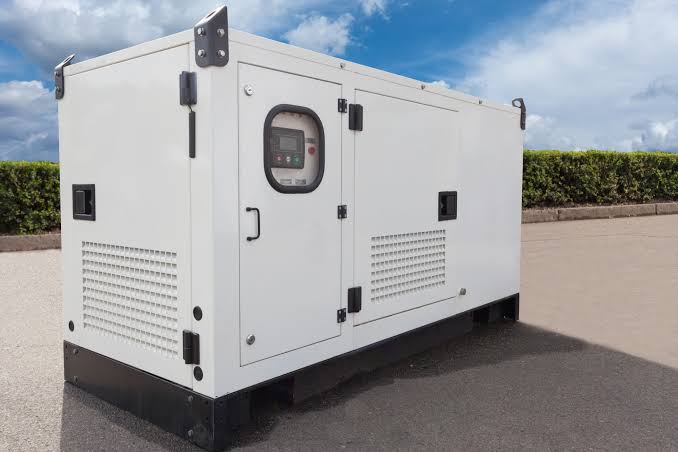
ATS / MTS Kenya
ATS/MTS solutions from Paneltech Systems provide reliable Automatic and Manual Transfer Switches for seamless power transfer in industrial and commercial electrical systems.
View Product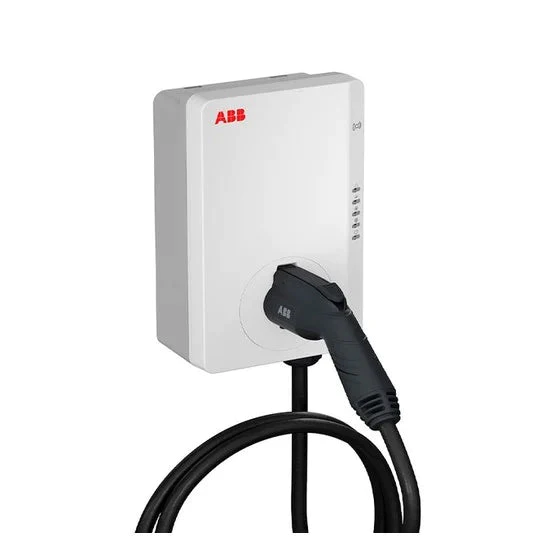
EV Chargers
ABB EV charging solutions for commercial and industrial premises, enabling reliable electric vehicle charging infrastructure.
View Product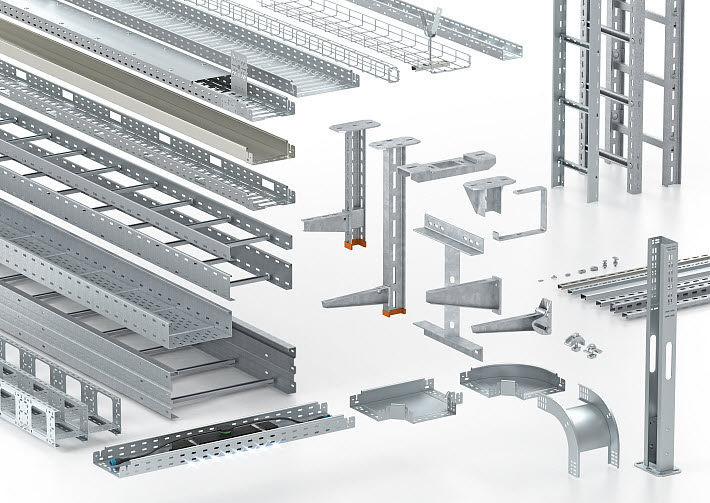
Cable Systems
Paneltech Systems offers comprehensive cable management systems for efficient, secure and organised cable setups across industrial and commercial environments.
View ProductAs Kenya accelerates toward clean mobility under national decarbonization goals, facility managers, developers, and engineers must prepare for a new electrical reality: high-load, fast-charging infrastructure integrated into existing building systems.
For engineering consultation and electrical infrastructure design support, Paneltech Systems provides industrial-grade solutions across Kenya:
paneltechsystems
Why EV Charging Infrastructure Requires Specialized Electrical Design
EV charging infrastructure is not a simple plug-and-play system; it requires engineered power distribution, load balancing, and protection systems integrated into building electrical architecture.
Without proper electrical design, EV chargers can cause transformer overload, harmonic distortion, and frequent breaker tripping in commercial buildings. Kenya’s grid variability makes engineered LV panels and protection systems even more critical.
Unlike standard loads such as lighting or HVAC, EV chargers are continuous high-demand loads, often operating simultaneously in commercial parking lots, malls, and fleet depots.
Key engineering challenges include:
- High simultaneous load demand
- Demand spikes during peak charging hours
- Harmonic distortion from fast chargers
- Transformer oversizing requirements
- Need for intelligent load management
These challenges require integration with advanced systems such as LV distribution panels:
low-voltage-panels
Electrical Load Assessment for EV Charging Stations
Proper EV charging infrastructure design begins with accurate load assessment of both existing building demand and projected EV charger load.
In Kenya, many facilities underestimate EV load requirements, leading to undersized transformers and frequent system failures once chargers are installed. Proper load forecasting ensures grid stability and compliance with EPRA guidelines.
Typical EV charger load ranges:
- AC Slow Charger (7–22 kW)
- DC Fast Charger (30–150 kW)
- Fleet Depot Chargers (200 kW+ systems)
Engineers must evaluate:
- Existing transformer capacity (kVA rating)
- Maximum demand factor (KPLC billing structure)
- Diversity factor for multiple chargers
- Future scalability for EV fleet growth
For industrial monitoring and measurement solutions:
rishabh-products
Substation and Transformer Requirements for EV Charging in Kenya
EV charging infrastructure requires dedicated transformer sizing or substation upgrades to handle continuous high-load demand safely.
In Kenya, most commercial transformers are undersized for EV charging loads, especially in malls, office parks, and industrial depots, requiring either upgrades or dedicated EV charging substations.
Key considerations:
- Minimum transformer oversizing of 30–50% for EV readiness
- Separate feeder lines for charging stations
- Dedicated protection relays and metering
- Grounding and surge protection systems
For integrated industrial power distribution systems:
products
Dynamic Load Balancing in EV Charging Systems
Dynamic load balancing is essential in EV charging infrastructure to distribute available electrical capacity efficiently among multiple chargers.
Without load balancing, simultaneous EV charging can exceed transformer capacity, causing system shutdowns or damage to electrical infrastructure.
Load balancing strategies include:
- Smart charging controllers
- Priority-based load allocation
- Time-of-use charging schedules
- Integration with building energy management systems (BEMS)
Advanced control systems can be integrated with automation and switching infrastructure:
vfd-drives
LV Panel Design for EV Charging Infrastructure
LV panels form the central distribution backbone of EV charging infrastructure, managing power flow, protection, and load distribution.
A properly designed EV-ready LV panel ensures safe power distribution, fault isolation, and scalability for future expansion of charging stations.
Key LV panel features for EV infrastructure:
- MCCBs and ACBs rated for high continuous load
- Surge protection devices (SPD Type II/III)
- Smart metering integration
- Modular expansion capability
- Thermal management for continuous operation
Relevant system solutions:
low-voltage-panels
APFC and Power Factor Management in EV Charging Stations
APFC (Automatic Power Factor Correction) systems are critical in EV charging infrastructure to maintain grid stability and reduce penalties from utility providers.
EV chargers introduce reactive power fluctuations, making APFC panels essential in Kenyan industrial and commercial installations to maintain compliance with KPLC billing requirements.
Benefits of APFC integration:
- Improved power factor (>0.95 target)
- Reduced electricity penalties
- Enhanced transformer efficiency
- Reduced line losses
For APFC panel solutions:
#apfc-112
EV Charger Types and Electrical Compatibility in Kenya
EV charging infrastructure in Kenya typically includes AC chargers for commercial use and DC fast chargers for fleet and highway applications.
Each charger type has different electrical requirements, requiring customized panel configurations and protection systems.
Charger categories:
- Level 1 AC (home charging, low load)
- Level 2 AC (commercial buildings, 7–22 kW)
- DC Fast Charging (public stations, 30–150 kW+)
Electrical compatibility considerations:
- Three-phase supply requirement for fast chargers
- Dedicated circuit breakers per charger
- Harmonic filtering for DC chargers
- Smart metering integration
For automation and monitoring components:
#multispan-components
Climate and Environmental Considerations for EV Electrical Infrastructure in Kenya
EV charging infrastructure in Kenya must be designed for environmental resilience, especially due to regional variations in humidity, dust, and temperature.
Coastal regions like Mombasa require higher IP-rated enclosures (IP65), while inland industrial zones may operate safely with IP54-rated systems depending on exposure levels.
Environmental design factors:
- Coastal humidity corrosion resistance
- Dust protection in arid regions (Rift Valley)
- UV-resistant enclosures for outdoor chargers
- Thermal ventilation for high ambient temperatures
For solar-integrated EV infrastructure:
#solar-ac-db-combiner
Standards Compliance: EPRA, IEC, and BS EN Requirements
EV charging infrastructure in Kenya must comply with EPRA regulations and international IEC/BS EN electrical standards to ensure safety and reliability.
Compliance ensures safe installation, reduces fire risk, and guarantees compatibility with Kenya’s national grid requirements.
Key standards include:
- IEC 61851 (EV charging systems)
- IEC 60364 (low-voltage installations)
- BS EN 61439 (LV switchgear assemblies)
- EPRA electrical installation guidelines
For technical knowledge resources:
knowledge-site
System Specifications Table: EV Charging Electrical Infrastructure
| Parameter | Specification |
|---|---|
| Rated Voltage | 400V AC (3-phase) |
| Frequency | 50Hz |
| Transformer Capacity | 100 kVA – 2 MVA (depending on load) |
| Power Factor Target | ≥ 0.95 with APFC |
| Charger Types Supported | AC Level 2, DC Fast Chargers |
| Enclosure Protection | IP54–IP65 depending on environment |
| Cooling Method | Natural / Forced Air Ventilation |
| Compliance Standards | IEC 61851, IEC 61439, EPRA Guidelines |
| Earthing System | TN-S / TT System (site-dependent) |
| Metering | Smart energy meters with load profiling |
Future of EV Charging Infrastructure in Kenya
The future of EV charging infrastructure in Kenya will be driven by smart grids, renewable energy integration, and automated load management systems.
As EV adoption increases, buildings will transition into intelligent energy hubs combining solar generation, battery storage, and smart charging systems.
Future trends:
- Solar-integrated EV charging stations
- Battery energy storage systems (BESS)
- AI-driven load optimization
- Highway fast-charging corridors
- Industrial fleet electrification
Explore engineering solutions:
paneltechhomes
Conclusion: Engineering-Ready EV Infrastructure for Kenya
EV charging infrastructure in Kenya requires engineered electrical systems, not just charging hardware. Proper LV panel design, transformer sizing, and load balancing are essential for safe and scalable deployment.
Facilities that invest early in EV-ready electrical infrastructure will benefit from reduced upgrade costs, improved energy efficiency, and long-term operational stability.
For full system design, installation, and consultation:
contact