EV Charging Power Solutions & Petrol Station Switchgear in Kenya: 2026 Engineering Guide | Paneltech Systems Kenya
As transportation evolves, so must power infrastructure. Explore Paneltech Systems’ custom EV charging power solutions and petrol station switchgear designed for Kenya’s IEC-compliant, grid-stable energy future.
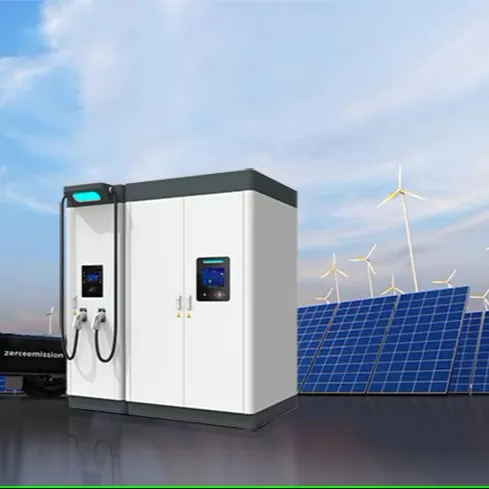
As Kenya transitions toward electric mobility while maintaining a strong petroleum distribution network, the electrical backbone supporting both systems is becoming increasingly critical. Petrol stations are no longer just fuel dispensing points—they are evolving into hybrid energy hubs integrating EV charging, automation, lighting, and safety systems. At the center of this transformation is switchgear technology, ensuring safe, reliable, and intelligent power distribution.
Paneltech Systems Ltd, under its mission of Powering Kenya’s Future with Reliable Electrical Solutions, is actively designing and deploying custom electrical panels that support this new dual-energy ecosystem across Kenya and East Africa.
Related Products

ATS / MTS Kenya
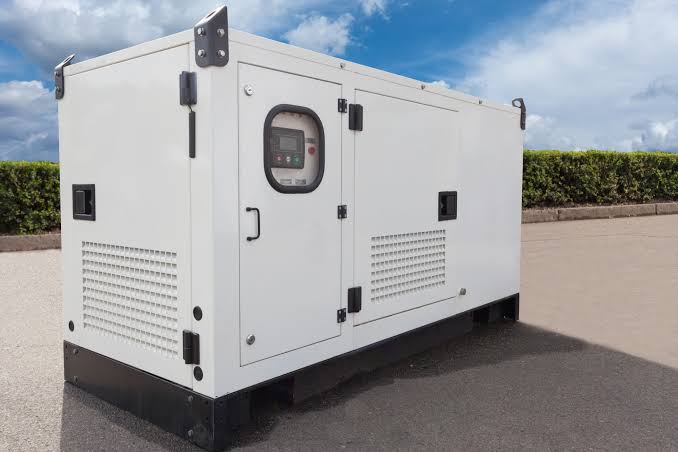
ATS/MTS solutions from Paneltech Systems provide reliable Automatic and Manual Transfer Switches for seamless power transfer in industrial and commercial electrical systems.
View Product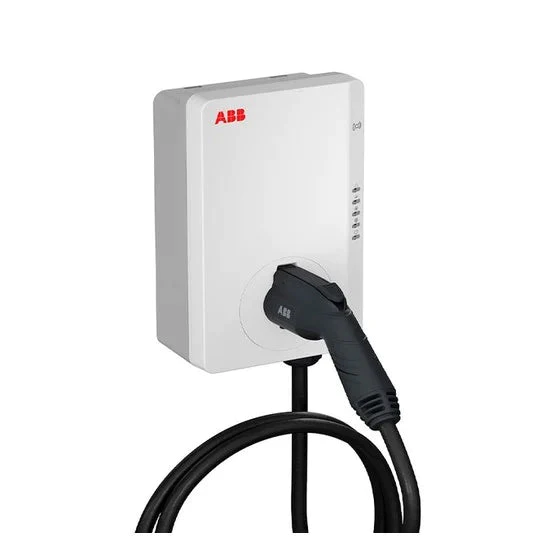
EV Chargers
ABB EV charging solutions for commercial and industrial premises, enabling reliable electric vehicle charging infrastructure.
View Product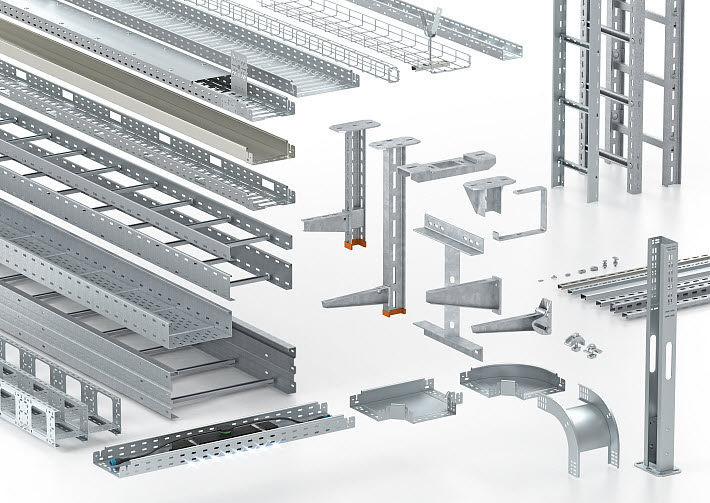
Cable Systems
Paneltech Systems offers comprehensive cable management systems for efficient, secure and organised cable setups across industrial and commercial environments.
View Product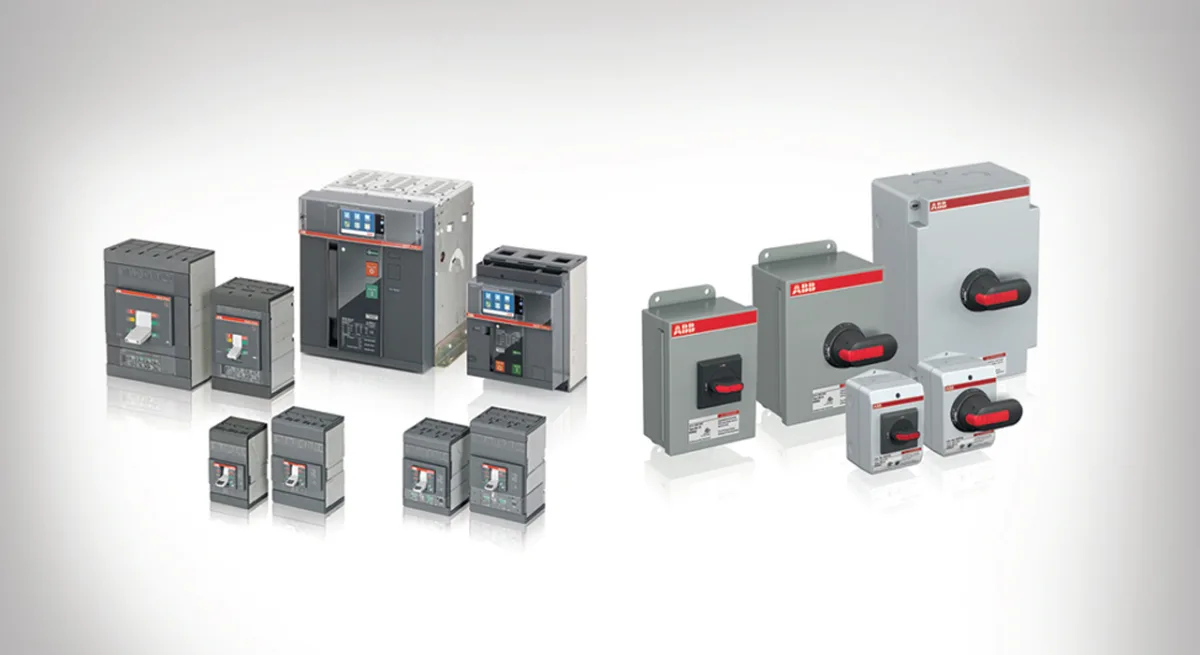
Switchgear Components
A comprehensive range of switchgear components for electrical control and protection in industrial and commercial installations.
View ProductWhat is switchgear and why is it critical in petrol stations and EV charging hubs?
Switchgear is the central control system that manages, isolates, and protects electrical circuits in high-demand environments such as petrol stations and EV charging hubs. It ensures safe power distribution, fault protection, and operational continuity.
In modern energy hubs, switchgear acts as the “brain” that coordinates fuel station systems, EV chargers, lighting, and backup power integration.
Switchgear typically includes circuit breakers, isolators, protection relays, and control panels that manage both low-voltage (LV) and medium-voltage systems. In petrol stations, it ensures uninterrupted operation of pumps, lighting, and safety systems. In EV charging stations, it manages high-load power delivery while preventing overloads and grid instability.
In Kenya, where grid fluctuations from KPLC are common, switchgear becomes even more essential for stabilizing voltage and protecting sensitive EV charging electronics.
Why modern petrol stations in Kenya require advanced switchgear systems
Modern petrol stations require advanced switchgear systems to handle multiple simultaneous loads such as fuel pumps, lighting, payment systems, backup generators, and EV chargers safely and efficiently.
Without properly engineered switchgear, stations risk downtime, fire hazards, and unstable power distribution, especially under Kenya’s fluctuating grid conditions.
Kenyan petrol stations are evolving into multi-energy hubs. A single site may now include:
- Fuel dispensing pumps
- Backup diesel generators
- Convenience store power systems
- CCTV and security infrastructure
- EV fast charging stations
Each of these systems introduces different load profiles. Poorly designed electrical distribution can result in frequent tripping, overheating, or equipment failure.
To address this, Paneltech integrates low voltage switchgear and ATS systems such as those found in:
- https://paneltechsystems.co.ke/products/low-voltage-panels/
- https://paneltechsystems.co.ke/#motor-control-panels
These systems ensure seamless switching between grid and generator power, which is critical during outages.
EV charging infrastructure and its demanding power requirements
EV charging infrastructure requires high-capacity, stable, and intelligently managed electrical systems due to rapid charging loads that can exceed typical commercial demand levels.
Without proper switchgear and load balancing, EV chargers can destabilize local grids and cause severe voltage drops in shared facilities like petrol stations.
EV chargers—especially DC fast chargers—draw significantly high power (typically 30kW to 350kW per unit). When multiple chargers operate simultaneously at a petrol station, unmanaged load spikes can occur.
Key challenges include:
- Sudden peak load demand
- Harmonic distortion from power electronics
- Need for dynamic load balancing
- Integration with backup generators or solar systems
Paneltech addresses this through engineered systems such as:
These systems enable intelligent energy distribution, ensuring EV chargers operate without destabilizing the rest of the station infrastructure.
Power factor correction and electrical efficiency in fuel stations and EV hubs
Power factor correction (PFC), particularly through APFC panels, is essential in petrol stations and EV charging hubs to reduce energy losses, stabilize voltage, and avoid penalties from utilities like KPLC.
Without APFC systems, high inductive and capacitive loads from pumps and EV chargers significantly reduce electrical efficiency and increase operational costs.
Modern petrol stations use a mix of inductive loads (motors, pumps) and electronic loads (chargers, POS systems). This creates an unstable power factor that must be corrected dynamically.
APFC panels:
- Automatically regulate capacitor banks
- Maintain near-unity power factor
- Reduce transformer loading
- Improve system efficiency
Relevant Paneltech solutions include:
In Kenya’s industrial landscape, maintaining compliance with EPRA efficiency expectations is increasingly important for cost control and regulatory alignment.
IEC and EPRA compliance for electrical infrastructure in Kenya
All petrol station and EV charging electrical systems in Kenya must comply with IEC standards and EPRA regulatory frameworks to ensure safety, reliability, and operational legality.
Compliance ensures that switchgear systems are designed to withstand overloads, environmental stress, and grid instability common in the Kenyan power network.
Key standards include:
- IEC 61439 (Low-voltage switchgear assemblies)
- IEC 60364 (Electrical installations)
- EPRA electrical safety regulations
- BS EN switchgear compliance benchmarks
These standards ensure:
- Proper fault protection coordination
- Adequate insulation levels
- Safe earthing systems
- Thermal stability under load
Paneltech Systems incorporates these standards into all designs, ensuring long-term reliability across industrial and commercial deployments.
Learn more:
Environmental challenges affecting switchgear performance in Kenya
Switchgear performance in Kenya is heavily influenced by environmental conditions such as coastal humidity in Mombasa and dust-heavy environments in regions like the Rift Valley, requiring different enclosure protection levels.
Proper IP-rated enclosures (IP54 to IP65) are essential to prevent corrosion, insulation failure, and premature equipment breakdown.
Environmental considerations include:
Coastal Regions (Mombasa, Malindi)
- High humidity and salt corrosion
- Requires IP65 stainless steel enclosures
- Enhanced anti-corrosion coatings
Inland and Arid Regions (Rift Valley, Northern Kenya)
- Dust ingress and high temperature variations
- Requires sealed ventilation and dust-resistant panels
Switchgear installed without environmental adaptation often fails prematurely, especially in outdoor petrol station installations.
System architecture for petrol station and EV charging electrical design
A modern petrol station and EV charging electrical system integrates multiple layers including LV panels, ATS systems, APFC units, and automation controls to ensure uninterrupted, safe, and efficient power distribution.
Proper system architecture ensures that high-load EV chargers, fuel pumps, and auxiliary systems operate without interference or overload risks.
A typical Paneltech-designed system includes:
- Main LV Switchgear Panel
- ATS (Automatic Transfer Switch) for generator backup
- APFC Panel for power optimization
- VFD Drives for pump motor control
- Sub-distribution boards for EV chargers and retail loads
Relevant Paneltech solutions:
- https://paneltechsystems.co.ke/#solar-ac-db-combiner
- https://paneltechsystems.co.ke/#spp-22
- https://paneltechsystems.co.ke/paneltechhomes/
This architecture ensures:
- Seamless power switching during outages
- Efficient load sharing between EV chargers and station systems
- Reduced energy waste through automated control systems
Paneltech Systems custom solutions for EV charging and petrol station infrastructure
Paneltech Systems designs custom-engineered switchgear and electrical panels tailored specifically for Kenya’s petrol station and EV charging environments, ensuring reliability, safety, and scalability.
These solutions integrate LV panels, APFC systems, ATS units, and automation controls to support both current fuel-based systems and future electric mobility infrastructure.
Paneltech’s expertise covers:
- Custom LV panel design
- Industrial automation integration
- EV charging distribution systems
- Energy monitoring and control systems
Explore solutions:
- https://paneltechsystems.co.ke/products/
- https://paneltechsystems.co.ke/contact/
- https://paneltechsystems.co.ke/home-main/
This integrated approach allows petrol stations to transition smoothly into hybrid energy hubs without full infrastructure replacement.
Technical system specifications for petrol station and EV charging switchgear
The technical specifications of switchgear systems determine their ability to handle high loads, environmental stress, and regulatory compliance in petrol station and EV charging environments.
Properly engineered systems ensure long-term operational stability, reduced downtime, and compliance with IEC and EPRA standards.
| Parameter | Specification |
|---|---|
| Rated Voltage | 415V / 690V AC |
| Frequency | 50Hz |
| Short Circuit Rating | Up to 50kA |
| Enclosure Material | Powder-coated steel / stainless steel |
| Protection Class | IP54–IP65 (application dependent) |
| Control System | PLC-based automation compatible |
| Standards Compliance | IEC 61439, BS EN, EPRA guidelines |
| Cooling Method | Natural / forced ventilation |
| Mounting Type | Floor-mounted / wall-mounted |
| Operating Temperature | -5°C to 55°C |
These specifications ensure that systems remain stable under heavy EV charging loads and fluctuating grid conditions typical in Kenya.
The future of EV charging infrastructure and petrol station electrification in Kenya
The future of Kenya’s energy infrastructure lies in hybrid petrol stations that integrate EV charging, solar energy, and intelligent switchgear systems for optimized energy distribution.
Advanced switchgear will become the core enabler of this transition, ensuring safe, scalable, and efficient power management across all energy sources.
Key trends include:
- Expansion of highway EV charging corridors
- Integration of solar PV with petrol stations
- Smart grid-compatible switchgear systems
- AI-based load management and monitoring
As Kenya pushes toward cleaner mobility, companies like Paneltech Systems will play a critical role in delivering the electrical backbone required for this transformation.
Contact Paneltech Systems Ltd
Powering Kenya's Future with Reliable Electrical Solutions
Email: [email protected]
Phone: 0799 531765
Location: Nairobi, Kenya
Website: https://paneltechsystems.co.ke/
Our Specialized Services:
Low Voltage (LV) Panels & APFC Panels
VFD Drive Solutions & ATS / MTS Systems
Solar Power & EV Charging Infrastructure
Electrical Supplies & Engineering Consultations