Form 4 Switchboard Kenya: 2026 Engineering Guide and Specs | Paneltech Systems Kenya
Looking for a Form 4 switchboard Kenya industries and data centres rely on? Learn why Form 4 segregation improves safety, uptime, maintainability, and IEC 61439 compliance for critical electrical installations.

As Kenya's industrial sector, commercial developments, hospitals, and data centres continue to expand, electrical distribution systems must meet increasingly demanding requirements for safety, reliability, and uptime. Standard switchboards may be suitable for ordinary buildings, but mission-critical facilities require higher levels of internal segregation to minimise faults and allow safe maintenance.
A Form 4 switchboard represents the highest level of functional separation commonly specified under IEC 61439 for low-voltage switchgear assemblies. By separating busbars, functional units, and cable terminals into individual compartments, Form 4 switchboards significantly reduce the risk of fault propagation, accidental contact with live parts, and service interruptions.
Related Products

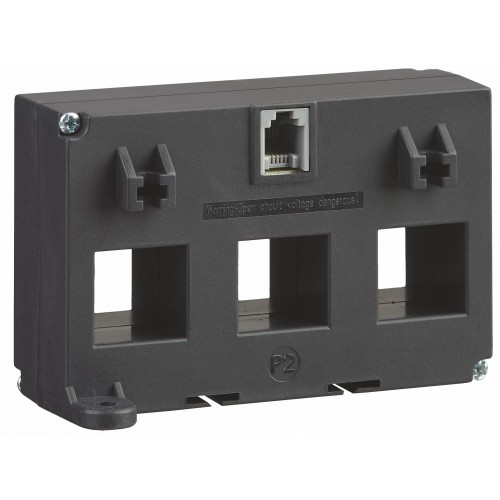
ATS / MTS Kenya
ATS/MTS solutions from Paneltech Systems provide reliable Automatic and Manual Transfer Switches for seamless power transfer in industrial and commercial electrical systems.
View Product
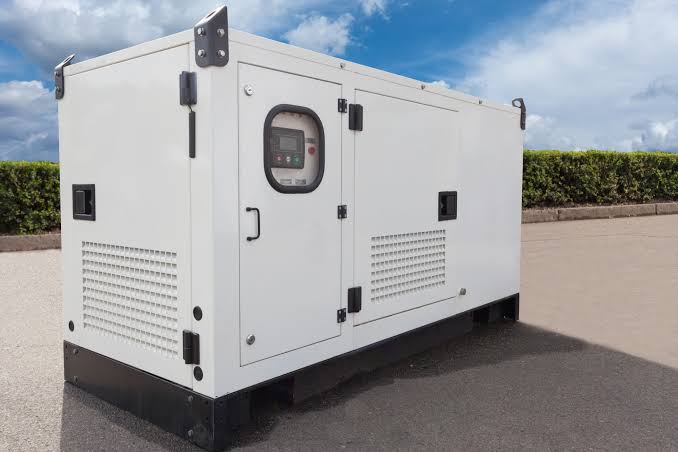
Motor Control
Reliable motor control panels for industrial and commercial use, providing customised solutions for safe and efficient motor operation.
View Product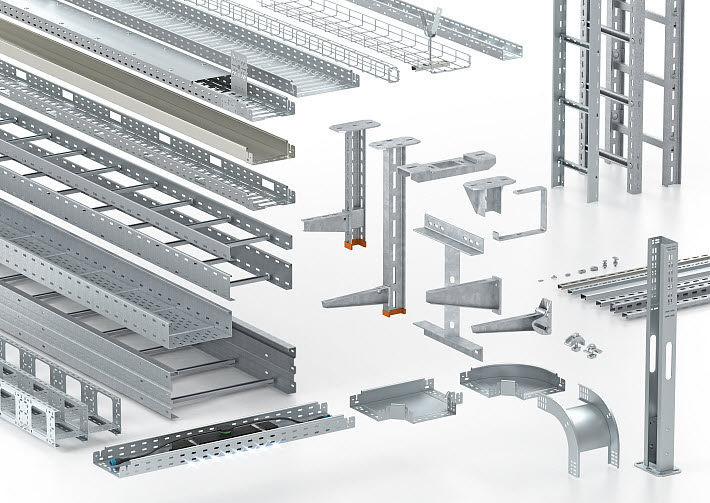
Cable Systems
Paneltech Systems offers comprehensive cable management systems for efficient, secure and organised cable setups across industrial and commercial environments.
View Product
LV Panel
High-quality low voltage panels designed for reliable power distribution and protection in industrial and commercial installations.
View ProductFor Kenyan facilities where Kenya Power (KPLC) voltage fluctuations, scheduled outages, and continuous industrial operations demand maximum reliability, Form 4 switchboards have become the preferred choice for critical power infrastructure.
At Paneltech Systems Ltd, we design and manufacture custom IEC 61439-compliant LV switchboards, motor control centres (MCCs), ATS panels, APFC panels, and industrial electrical solutions tailored for Kenya's commercial and industrial sectors. Learn more about our company at about, explore our products at products, or contact our engineering team through contact.
What Is a Form 4 Switchboard?
A Form 4 switchboard is a low-voltage electrical assembly that provides the highest practical level of internal segregation between busbars, functional units, and cable terminals. This design improves operational safety, maintenance flexibility, and system reliability for critical facilities.
Form 4 segregation is defined under IEC 61439, which specifies requirements for low-voltage switchgear and controlgear assemblies.
Unlike standard switchboards, Form 4 assemblies separate:
- Main busbars
- Incoming breakers
- Outgoing feeders
- Cable terminals
- Functional units
Each section is individually compartmentalised to reduce fault propagation.
Why Form 4 Segregation Matters
Form 4 segregation improves electrical safety by isolating live components from adjacent circuits. It also supports higher system availability by allowing maintenance activities with minimal disruption to unaffected sections.
Key benefits include:
- Improved operator safety
- Reduced risk of arc fault propagation
- Easier maintenance
- Better fault containment
- Higher equipment reliability
- Reduced downtime
For facilities operating 24/7, these advantages directly support business continuity.
Understanding IEC 61439 Forms of Segregation
IEC 61439 defines several forms of internal separation, ranging from basic construction to fully segregated assemblies. Form 4 provides the highest level of separation commonly specified for critical applications.
| Form | Level of Segregation | Typical Application |
|---|---|---|
| Form 1 | No internal segregation | Small commercial buildings |
| Form 2 | Busbars separated from functional units | General commercial installations |
| Form 3 | Functional units separated | Industrial facilities |
| Form 4 | Busbars, functional units, and terminals fully separated | Data centres, hospitals, critical infrastructure |
Form 4 is generally recommended where maintenance, safety, and uptime are priorities.
Direct Answer: Is Form 4 Necessary for Every Project?
No. Form 4 switchboards are typically specified for mission-critical facilities where downtime has significant operational or financial consequences. For standard commercial installations, lower forms of segregation may be sufficient depending on the project's risk assessment.
Choosing the correct form should be based on engineering requirements, maintenance strategy, and operational criticality.
Typical Form 4 Switchboard Construction
A Form 4 switchboard divides major electrical components into separate compartments, preventing faults in one section from affecting adjacent circuits.
A typical assembly includes:
- Main incoming compartment
- Busbar chamber
- Outgoing feeder compartments
- Cable termination compartments
- Metering section
- Control compartment
Each compartment provides physical separation from neighbouring sections.
Form 4 Switchboard Specifications Table
Form 4 switchboards should be designed to meet project-specific electrical requirements while complying with recognised international standards.
| Specification | Typical Value |
| Rated Voltage | 415V AC |
| Frequency | 50 Hz |
| Assembly Standard | IEC 61439 |
| Form of Separation | Form 4 Type 2–7 |
| Busbar Material | Electrolytic Copper |
| Enclosure Material | Powder-Coated CRCA Steel |
| Enclosure Rating | IP54 / IP65 |
| Incoming Protection | ACB / MCCB |
| Outgoing Protection | MCCB / MCB |
| Metering | Digital Power Monitoring |
| Mounting | Floor Standing |
| Compliance | IEC 60947, BS EN Standards |
How Form 4 Improves Uptime
Form 4 segregation limits the spread of electrical faults and allows maintenance on individual compartments without unnecessarily affecting the rest of the installation. This contributes to higher system availability and reduced operational risk.
Advantages include:
Fault Containment
Electrical faults remain isolated within individual compartments.
Safer Maintenance
Technicians can work on selected circuits while reducing exposure to adjacent live conductors.
Reduced Downtime
Only the affected functional unit may require isolation rather than the complete switchboard.
Applications of Form 4 Switchboards in Kenya
Form 4 switchboards are widely used wherever uninterrupted electrical service is essential.
Typical applications include:
- Data centres
- Hospitals
- Airports
- Manufacturing plants
- Financial institutions
- Industrial processing facilities
- Telecommunications infrastructure
- Water treatment plants
- Shopping malls
- Commercial office towers
These facilities benefit from improved electrical resilience and maintenance flexibility.
Form 4 vs Form 3 Switchboards
While both Form 3 and Form 4 provide internal segregation, Form 4 offers additional separation of cable terminals, improving safety during maintenance and reducing accidental contact with live conductors.
| Feature | Form 3 | Form 4 |
| Busbar Separation | Yes | Yes |
| Functional Unit Separation | Yes | Yes |
| Cable Terminal Separation | Partial | Complete |
| Maintenance Safety | Good | Excellent |
| Fault Containment | High | Very High |
| Typical Application | Industrial Plants | Mission-Critical Facilities |
Protection Devices Used in Form 4 Switchboards
Form 4 assemblies integrate advanced protection equipment to ensure selective fault isolation and reliable electrical operation.
Common components include:
- Air Circuit Breakers (ACBs)
- MCCBs
- Miniature Circuit Breakers (MCBs)
- Residual Current Devices (RCDs)
- Surge Protection Devices (SPDs)
- Digital power meters
- Protection relays
Paneltech integrates advanced metering solutions through rishabh-products and custom LV panel solutions through low-voltage-panels.
Surge Protection and Power Quality
Critical switchboards should incorporate coordinated surge protection and power quality management to safeguard sensitive electrical equipment from lightning and switching transients.
Recommended protection includes:
- Type 1 SPD at the main incomer
- Type 2 SPD at downstream distribution
- Power quality monitoring
- Power factor correction
Paneltech provides APFC solutions through #apfc-112.
Environmental Design for Kenyan Conditions
Switchboard enclosure ratings should reflect local environmental conditions to maximise equipment lifespan and operational reliability.
Nairobi
Indoor installations commonly use IP54 enclosures.
Mombasa
High humidity and corrosion risks favour IP65-rated or corrosion-resistant designs.
Rift Valley and Industrial Zones
Dust exposure may require sealed IP65 switchboards.
Proper enclosure selection improves long-term reliability.
KPLC Power Stability and Redundancy
Facilities experiencing KPLC outages or voltage fluctuations often combine Form 4 switchboards with ATS systems, generators, UPS systems, and N+1 redundancy designs to improve resilience.
Typical integrations include:
- Automatic Transfer Switches
- Generator synchronisation
- UPS systems
- Dual incomers
- Bus-tie arrangements
Paneltech designs ATS solutions through products and provides engineering resources at knowledge-site.
Common Design Mistakes
Incorrect segregation, inadequate ventilation, and poor future planning can reduce switchboard performance. Professional engineering ensures the assembly supports current and future operational requirements.
Common mistakes include:
- Selecting Form 2 where Form 4 is required
- Undersized busbars
- Inadequate cable space
- Poor protection coordination
- Insufficient ventilation
- Limited expansion capacity
- Incorrect enclosure rating
Standards and Compliance
Form 4 switchboards should comply with recognised international standards to ensure safety, performance, and quality.
Relevant standards include:
- IEC 61439 – Low Voltage Switchgear Assemblies
- IEC 60947 – Switchgear and Controlgear
- IEC 60364 – Electrical Installations
- BS EN switchgear standards
- EPRA electrical requirements applicable in Kenya
Compliance supports safe installation, reliable operation, and easier project approval.
Why Choose Paneltech Systems Ltd?
Paneltech Systems Ltd manufactures custom Form 4 switchboards engineered for Kenya's commercial, industrial, and mission-critical applications. Our solutions combine quality workmanship, international standards, and practical local experience.
Our services include:
- Form 4 LV Switchboards
- Main Distribution Boards
- Motor Control Centres (MCCs)
- Automatic Transfer Switch (ATS) Panels
- APFC Panels
- Solar Distribution Boards
- Generator Synchronisation Panels
- Electrical Engineering Consultation
- Custom Panel Manufacturing
- Installation Support
- Commissioning Services
Explore our engineering solutions throughhome-main visit our residential solutions at paneltechhomes, access technical articles via knowledge-site, or explore additional company information at home1.
Frequently Asked Questions
Form 4 switchboards are commonly specified for facilities where electrical reliability and maintenance safety are critical.
What is a Form 4 switchboard?
It is a low-voltage switchboard with full internal segregation of busbars, functional units, and cable terminals in accordance with IEC 61439.
Is Form 4 better than Form 3?
Yes. Form 4 provides additional separation of cable terminals, improving maintenance safety and fault containment.
Where are Form 4 switchboards commonly used?
They are widely used in data centres, hospitals, industrial plants, airports, and other uptime-critical facilities.
Does Form 4 improve electrical safety?
Yes. Internal segregation reduces the likelihood of accidental contact with live components and limits fault propagation.
Can Paneltech manufacture custom Form 4 switchboards?
Yes. Paneltech Systems Ltd designs and manufactures customised Form 4 switchboards tailored to project specifications and IEC standards.
Powering Kenya's Future with Reliable Electrical Solutions
Email: [email protected]
Phone: 0799 531765
Location: Nairobi, Kenya
Website: https://paneltechsystems.co.ke/
Our Specialized Services:
- Low Voltage (LV) Panels & APFC Panels
- VFD Drive Solutions & ATS / MTS Systems
- Solar Power & EV Charging Infrastructure
- Electrical Supplies & Engineering Consultations