Generator ATS Installation Guide: Automatic Transfer Switch Wiring Standards Kenya 2026 | Paneltech Systems
A comprehensive technical guide for electrical engineers on safely installing and wiring an ATS panel to a standby industrial generator in Kenya. Learn ATS wiring standards, transfer logic, protection requirements, and IEC compliance practices.
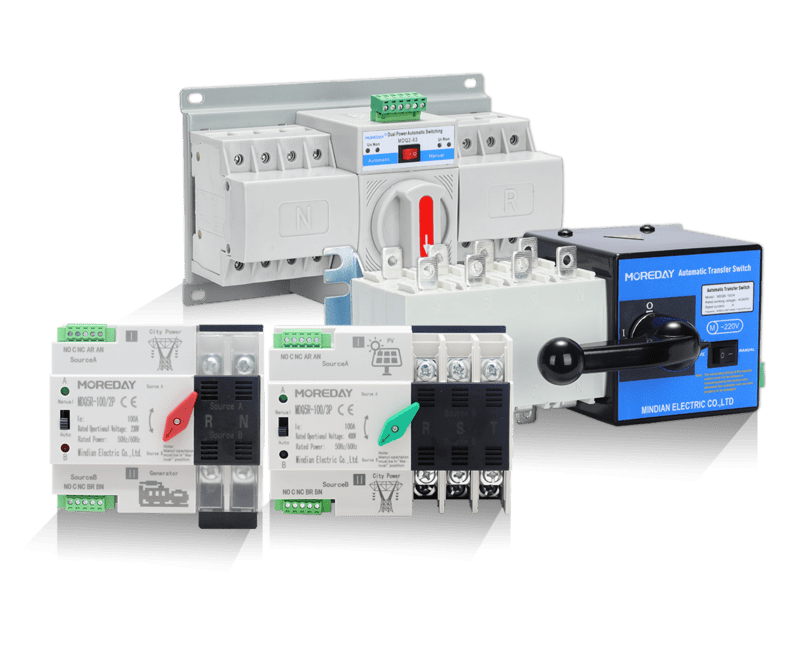
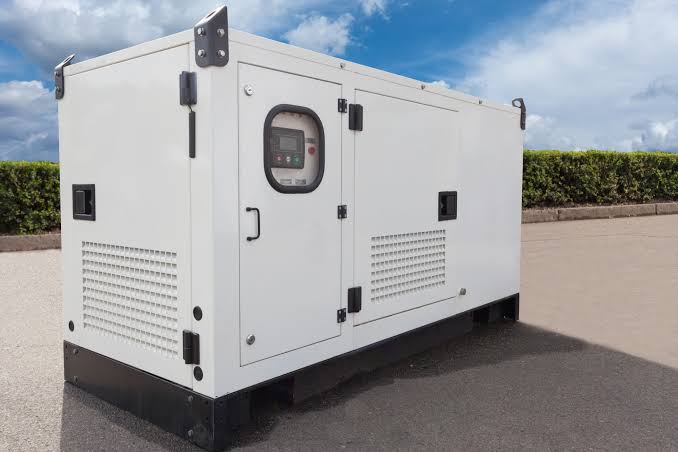
Automatic Transfer Switch (ATS) systems are essential for ensuring uninterrupted power supply in industrial, commercial, and mission-critical facilities. An ATS automatically transfers electrical load between the utility grid and a standby generator during power failure events.
In Kenya, ATS systems are increasingly critical due to KPLC outages, voltage instability, and growing demand for backup power infrastructure in factories, hospitals, offices, and residential developments.
Related Products

ATS / MTS Kenya
ATS/MTS solutions from Paneltech Systems provide reliable Automatic and Manual Transfer Switches for seamless power transfer in industrial and commercial electrical systems.
View Product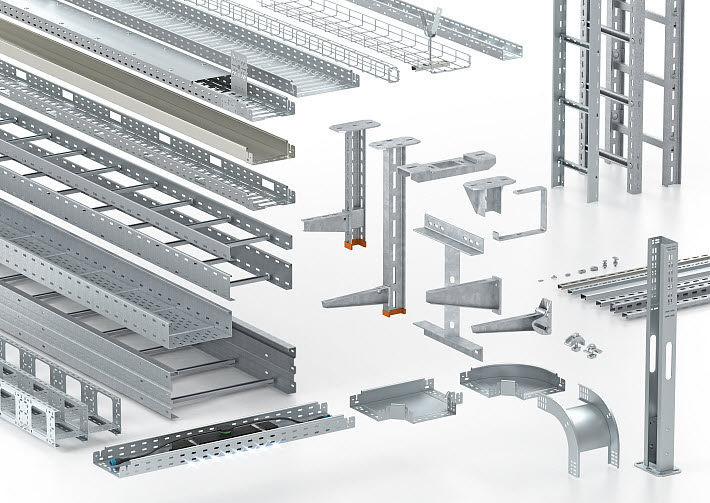
Cable Systems
Paneltech Systems offers comprehensive cable management systems for efficient, secure and organised cable setups across industrial and commercial environments.
View Product
Switches and Sockets
Quality switches and sockets for residential, commercial and industrial electrical installations.
View Product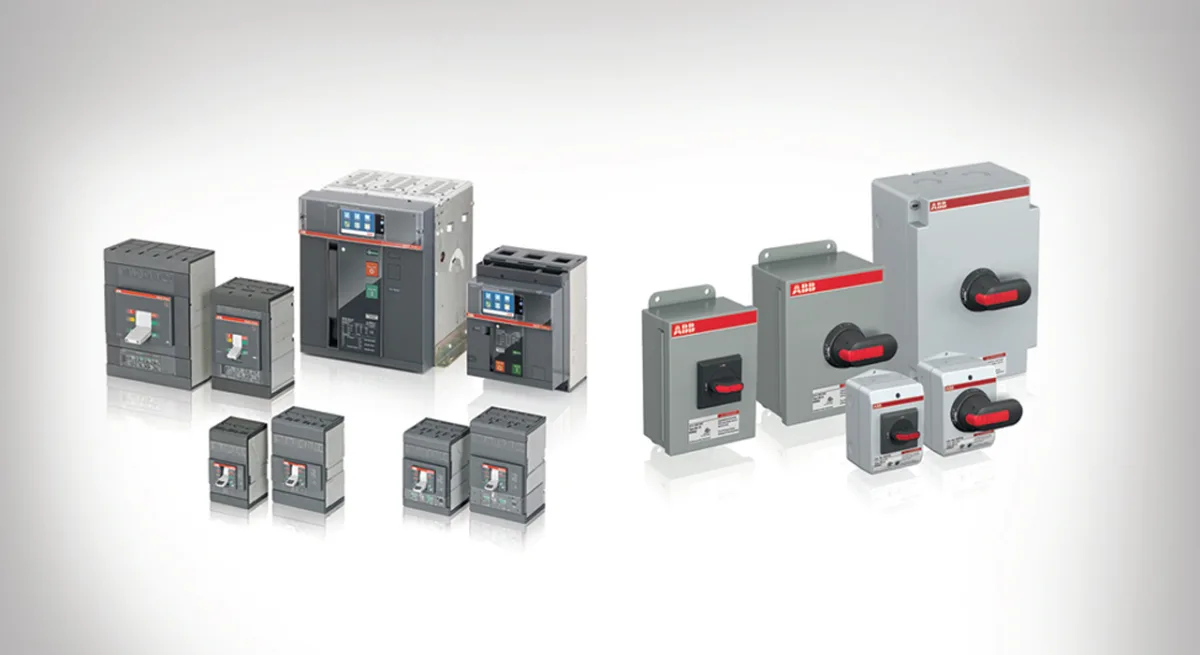
Switchgear Components
A comprehensive range of switchgear components for electrical control and protection in industrial and commercial installations.
View ProductPaneltech Systems Ltd designs and installs IEC-compliant ATS panels engineered for reliable industrial power continuity.
Learn more about our engineering services:
about
What Is an Automatic Transfer Switch (ATS)?
An Automatic Transfer Switch (ATS) is an intelligent switching device that detects utility power failure and automatically transfers the electrical load to a standby generator. Once utility power stabilizes, the ATS reconnects the load back to the grid and shuts down the generator safely.
ATS systems eliminate manual intervention and reduce downtime during outages, making them essential for critical operations.
ATS panels typically include:
- Power contactors or motorized breakers
- Voltage sensing relays
- Control logic modules
- Mechanical and electrical interlocks
- Generator start/stop controls
- Protection relays and timers
Explore ATS engineering solutions:
products
Why ATS Systems Are Important in Kenya
Power reliability challenges across Kenya make ATS systems essential for operational continuity. Facilities relying on uninterrupted power require fast and safe automatic switching to avoid equipment damage, data loss, or production downtime.
Industrial facilities in Nairobi, Mombasa, Kisumu, and export processing zones frequently deploy ATS systems alongside standby diesel generators.
Common ATS applications include:
- Manufacturing plants
- Hospitals and laboratories
- Data centers
- Commercial office buildings
- Hotels and hospitality facilities
- Cold storage and food processing plants
Related electrical solutions:
home-main
Main Components of an ATS Panel
An industrial ATS panel consists of several integrated electrical and control components designed to ensure safe transfer between power sources.
Core ATS Components
| Component | Function |
|---|---|
| MCCB / ACB | Main switching protection |
| Power Contactors | Utility-generator source switching |
| Voltage Monitoring Relay | Detects utility failure |
| Timer Relays | Delays switching operations |
| Generator Controller | Automates generator start/stop |
| Mechanical Interlock | Prevents dual-source connection |
| Surge Protection Device | Protects against transient spikes |
| Control Transformer | Supplies control voltage |
ATS systems must be carefully engineered to avoid back-feeding and unsafe synchronization conditions.
ATS Operating Sequence
The ATS operating sequence follows a programmed logic process to ensure safe and reliable transfer between utility and generator supply.
Typical ATS operation sequence:
- Utility power failure detected
- ATS sends generator start signal
- Generator reaches stable voltage and frequency
- ATS transfers load to generator supply
- Utility power restored and stabilized
- ATS retransfers load to utility supply
- Generator enters cooldown cycle and shuts down
This automation minimizes downtime and protects sensitive equipment from unstable switching events.
ATS Wiring Standards and Safety Requirements
Industrial ATS installations must comply with IEC standards, EPRA regulations, and local electrical codes to ensure safe operation and inspection approval.
Improper ATS wiring can result in:
- Generator back-feed hazards
- Equipment damage
- Fire risks
- Utility safety violations
- Generator synchronization faults
Key Wiring Standards
| Standard | Description |
|---|---|
| IEC 60947 | Low-voltage switchgear standard |
| IEC 61439 | LV panel assembly standard |
| BS EN 60204 | Electrical equipment safety |
| EPRA Regulations | Kenya electrical installation compliance |
Important installation requirements include:
- Proper earthing and bonding
- Neutral switching where required
- Correct cable sizing
- Interlocked source switching
- Generator overload protection
- Phase sequence verification
Technical compliance information:
knowledge-site
How to Connect ATS to Generator
Connecting an ATS panel to a generator requires proper power routing, control wiring, grounding, and source isolation. All wiring should be performed by qualified electrical engineers or licensed technicians.
Basic ATS Connection Architecture
The ATS system connects between:
- Utility power source
- Standby generator
- Main load distribution panel
The ATS monitors incoming utility supply and automatically transfers load when voltage failure occurs.
Typical Wiring Sections
Utility Incoming
- 3-phase or single-phase utility connection
- Incoming MCCB protection
- Voltage sensing terminals
Generator Incoming
- Generator output breaker
- Generator control terminals
- Frequency and voltage monitoring
Load Outgoing
- Main load feeder
- Busbar connection
- Distribution protection
Control Wiring
- Generator auto-start signal
- Timer relay circuits
- Auxiliary contacts
Typical ATS Transfer Logic
ATS transfer logic is designed to prevent simultaneous connection of utility and generator supply. Mechanical and electrical interlocks are mandatory for safe operation.
Transfer Logic Flow
| Event | ATS Action |
|---|---|
| Utility healthy | Load connected to utility |
| Utility failure | Generator start initiated |
| Generator stable | Load transferred to generator |
| Utility restored | Retransfer to utility |
| Generator cooldown complete | Generator shutdown |
Reliable transfer logic reduces switching stress and extends equipment lifespan.
Recommended ATS Ratings for Industrial Facilities
ATS sizing depends on generator capacity, connected load demand, fault levels, and future expansion requirements.
Typical ATS Sizing Guide
| Facility Type | Recommended ATS Rating |
|---|---|
| Small Office | 63A – 125A |
| Commercial Building | 160A – 400A |
| Manufacturing Plant | 630A – 1600A |
| Data Center | 2000A+ |
| Hospital Infrastructure | Custom engineered |
Proper ATS sizing prevents overheating and nuisance tripping during high inrush currents.
Environmental Considerations for ATS Panels in Kenya
Kenya’s environmental conditions significantly affect ATS panel durability and enclosure design requirements.
Environmental Challenges
Coastal Areas (Mombasa)
- High humidity
- Salt corrosion
- Condensation risk
Recommended enclosure:
- Stainless steel IP65 panels
Inland Industrial Areas
- Dust exposure
- Heat accumulation
- Vibration from machinery
Recommended enclosure:
- Powder-coated steel IP54/IP55 panels
Environmental engineering considerations improve ATS reliability and reduce maintenance costs.
Explore engineered enclosure systems:
low-voltage-panels
ATS Integration with Solar and Hybrid Power Systems
Modern ATS systems increasingly integrate with solar PV systems, hybrid inverters, and battery storage infrastructure.
Hybrid ATS systems enable automatic source selection between:
- Utility power
- Solar inverter supply
- Battery storage
- Standby generator
These systems improve energy efficiency and reduce generator fuel consumption.
Common ATS Installation Mistakes
Improper ATS installation can create major operational and safety issues.
Frequent Errors
- Incorrect neutral bonding
- Undersized cables
- Missing interlocks
- Poor grounding systems
- Improper generator synchronization
- Inadequate ventilation
- Wrong breaker coordination
Proper commissioning and testing are essential before energizing the system.
ATS Maintenance Best Practices
Routine ATS maintenance improves reliability and prevents unexpected transfer failures.
Recommended Maintenance Schedule
| Maintenance Task | Frequency |
|---|---|
| Mechanical inspection | Monthly |
| Terminal tightening | Quarterly |
| Generator transfer testing | Monthly |
| Relay calibration | Annually |
| Thermal scanning | Annually |
| Contact wear inspection | Annually |
Preventive maintenance reduces downtime and extends ATS operational lifespan.
Why Choose Paneltech Systems Ltd for ATS Installation
Paneltech Systems Ltd provides engineered ATS systems tailored for Kenya’s industrial, commercial, and infrastructure sectors.
Our solutions are designed for:
- IEC compliance
- Reliable transfer performance
- Generator compatibility
- Local environmental durability
- Industrial-grade safety protection
Explore our electrical engineering solutions:
paneltechsystems
contact
home1
Industrial ATS systems are essential for maintaining uninterrupted power supply in Kenya’s increasingly power-sensitive industries. Proper ATS installation ensures operational continuity, protects equipment, and improves electrical safety during utility outages.
A professionally engineered ATS system must comply with IEC standards, incorporate safe transfer logic, and be designed for local environmental conditions.
Paneltech Systems Ltd delivers reliable ATS installation solutions for industrial, commercial, and renewable energy applications across Kenya and East Africa.
Contact Paneltech Systems Ltd
Powering Kenya's Future with Reliable Electrical Solutions
Email: [email protected]
Phone: 0799 531765
Location: Nairobi, Kenya
Website: https://paneltechsystems.co.ke/
Our Specialized Services
- Low Voltage (LV) Panels & APFC Panels
- VFD Drive Solutions & ATS / MTS Systems
- Solar Power & EV Charging Infrastructure
- Electrical Supplies & Engineering Consultations