Government Electrical Contractors in Kenya: Parastatal Power Solutions 2026 Guide | Paneltech Systems Kenya
Learn why county councils and state corporations trust Paneltech Systems for compliant, IEC-certified electrical engineering solutions and government electrical contractors delivering parastatal power solutions in Kenya.
Government Electrical Contractors and parastatal institutions in Kenya operate some of the most complex and high-demand electrical systems in the country. From county offices and water treatment facilities to public hospitals and transport hubs, these environments require highly reliable, compliant, and scalable electrical infrastructure.
Paneltech Systems Ltd supports this sector by delivering IEC-certified, EPRA-compliant electrical engineering solutions designed specifically for public sector reliability, safety, and long-term operational efficiency.
Related Products

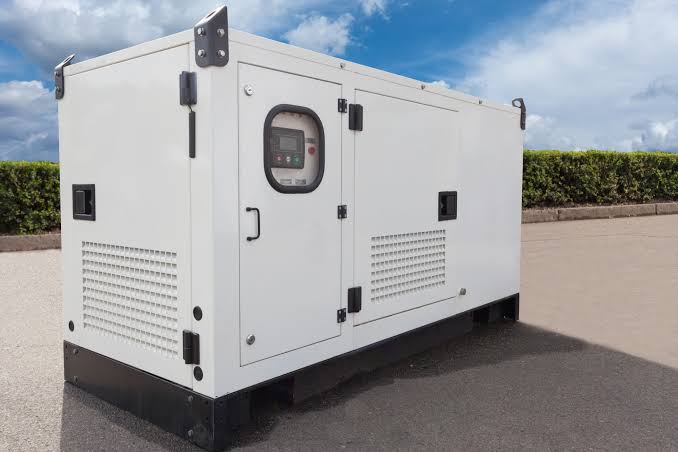
ATS / MTS Kenya
ATS/MTS solutions from Paneltech Systems provide reliable Automatic and Manual Transfer Switches for seamless power transfer in industrial and commercial electrical systems.
View Product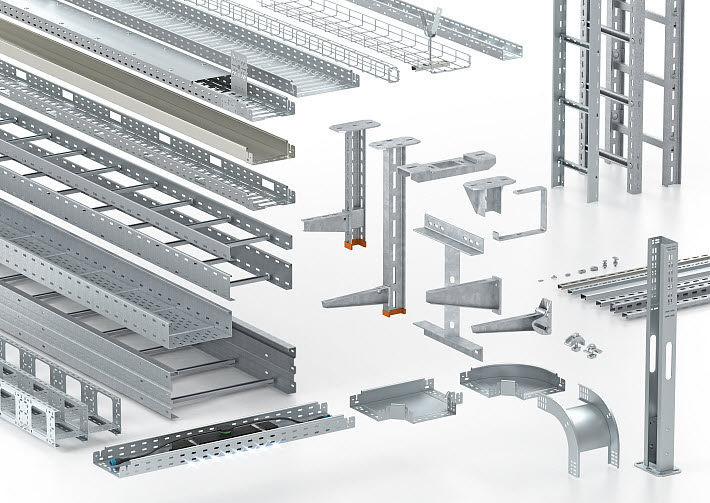
Cable Systems
Paneltech Systems offers comprehensive cable management systems for efficient, secure and organised cable setups across industrial and commercial environments.
View Product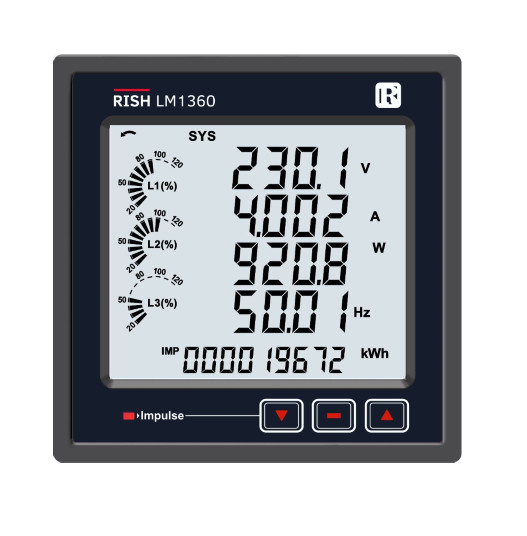
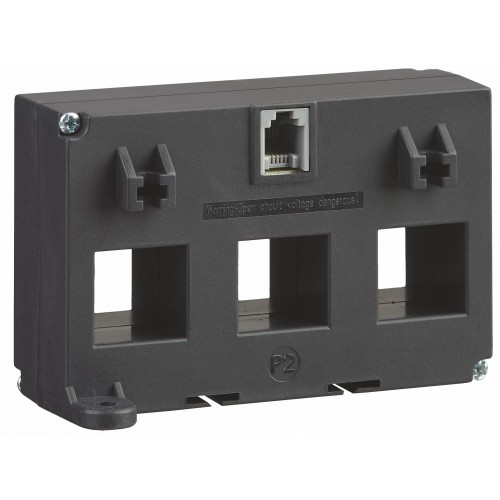
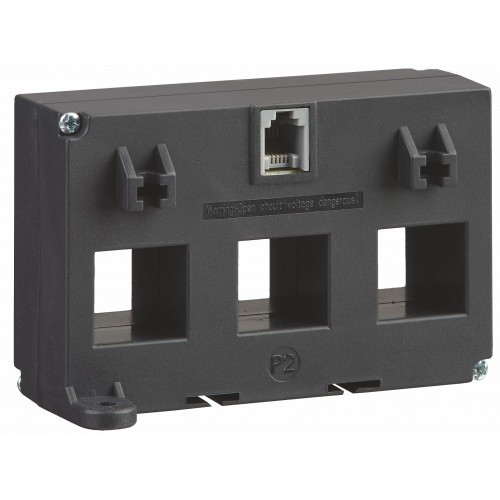
Rish LM 1360
The Rish LM 1360 from Paneltech Systems offers advanced power monitoring and measurement solutions for precise energy usage tracking in industrial settings.
View Product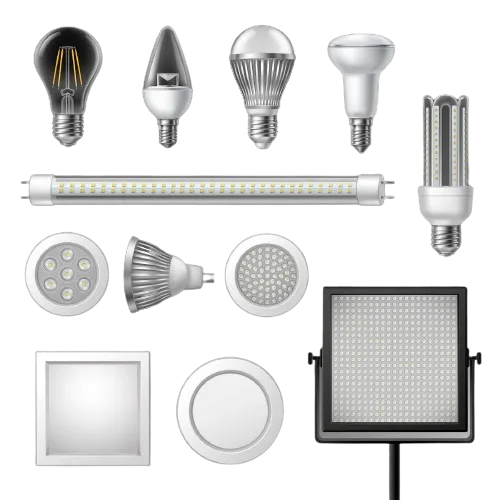
LED Lights
Paneltech Systems offers high-quality LED lighting solutions for indoor and outdoor applications ÔÇö bright, energy-efficient lighting for commercial and industrial spaces.
View ProductWhy government and parastatal projects require specialized electrical infrastructure
Government Electrical Contractors and parastatal projects require specialized electrical infrastructure because they operate critical public services that cannot afford downtime, safety failures, or non-compliant installations.
These systems must meet strict IEC standards, ensure uninterrupted power supply, and support long lifecycle operation under heavy public use.
Unlike private commercial buildings, public sector facilities such as county offices, hospitals, water boards, and transport authorities often run 24/7 or serve essential services. This means electrical systems must be designed with:
- High redundancy and backup systems
- Strict safety and compliance frameworks
- Scalable load capacity for future expansion
- Robust protection against grid instability
In Kenya, where grid fluctuations from KPLC are common, infrastructure resilience becomes a core requirement rather than a luxury.
Compliance requirements for government electrical projects in Kenya
Government Electrical Contractors infrastructure in Kenya must comply with IEC standards, EPRA regulations, and public procurement engineering specifications to ensure safety, transparency, and long-term reliability.
Compliance is mandatory for approval, commissioning, and operational certification of all parastatal electrical installations.
Key compliance frameworks include:
- IEC 61439 (Low-voltage switchgear assemblies)
- IEC 60364 (Electrical installation standards)
- EPRA electrical safety regulations
- Public Works Department (PWD) engineering guidelines
These standards ensure:
- Proper fault isolation and protection coordination
- Safe distribution of electrical loads
- Fire and shock hazard prevention
- Standardized installation practices across counties and agencies
Paneltech integrates these standards into all designs, ensuring full regulatory alignment from design to commissioning.
Learn more:
Why reliability is critical in parastatal power systems
Reliability in parastatal power systems is critical because interruptions can directly impact public services such as healthcare, water supply, transport systems, and administrative operations.
Electrical failures in these environments often lead to service disruption, financial loss, and public safety risks.
Typical parastatal facilities include:
- County government headquarters
- Water and sewerage treatment plants
- Public hospitals and health centers
- Transport terminals and infrastructure hubs
- Educational institutions and technical colleges
Each of these depends on continuous electrical supply. Even short outages can disrupt essential operations such as:
- Medical equipment in hospitals
- Water pumping systems
- Data and communication systems
- Security and surveillance networks
To address this, Paneltech implements robust low voltage distribution systems and backup switching solutions such as:
- https://paneltechsystems.co.ke/products/low-voltage-panels/
- https://paneltechsystems.co.ke/#motor-control-panels
Load management challenges in government infrastructure
Government infrastructure faces complex load management challenges due to mixed-use facilities, expanding service demands, and aging electrical systems that were not designed for modern loads.
Without proper electrical redesign, overloads, inefficiencies, and system failures become increasingly common in public sector facilities.
Common challenges include:
- Rapid expansion of ICT systems and data centers
- Increased HVAC and cooling loads
- Integration of modern security systems (CCTV, access control)
- Aging distribution boards with limited capacity
Many county facilities still operate legacy systems that lack modern load balancing or automation, resulting in inefficiency and frequent tripping.
Paneltech addresses this through:
- Intelligent LV panel upgrades
- VFD-driven motor control systems
- APFC-based power optimization
- Structured load distribution design
Relevant solutions:
The role of switchgear in public sector power stability
Switchgear systems are essential in government and parastatal infrastructure because they ensure safe distribution, isolation of faults, and continuous power stability across critical systems.
They act as the central control point for managing electrical loads, protecting equipment, and maintaining operational continuity.
In public sector environments, switchgear handles:
- Main power distribution
- Emergency generator switching (ATS systems)
- Fault detection and isolation
- Load segmentation across departments
Paneltech’s engineered switchgear solutions support:
These systems are designed to ensure that a fault in one section does not affect the entire facility—an essential requirement for hospitals, water utilities, and government offices.
Energy efficiency and cost control in parastatal systems
Energy efficiency is a major priority for government and parastatal institutions because they operate large-scale facilities with significant electricity consumption and public accountability for operational costs.
Proper electrical design and power factor correction significantly reduce energy waste and long-term operational expenditure.
Common inefficiencies in public infrastructure include:
- Poor power factor in motor-driven systems
- Overloaded transformers
- Unbalanced phase distribution
- Inefficient legacy electrical panels
By integrating APFC systems and modern LV panels, institutions can:
- Reduce energy losses
- Avoid utility penalties
- Extend equipment lifespan
- Improve voltage stability
Paneltech systems support optimization through:
Environmental and operational challenges in public infrastructure
Government and parastatal electrical systems in Kenya must be designed to withstand diverse environmental conditions including coastal humidity, inland dust, and high-temperature fluctuations.
Failure to account for environmental stress leads to corrosion, insulation breakdown, and premature system failure.
Key environmental zones include:
Coastal Counties (Mombasa, Kilifi)
- High humidity and salt corrosion
- Requires IP65-rated enclosures
- Anti-corrosion treated panels
Arid and Semi-Arid Regions (Turkana, Garissa)
- Dust-heavy environments
- Requires sealed enclosures with thermal ventilation
Urban Centers (Nairobi, Kisumu)
- High load density environments
- Requires advanced thermal management and scalability
Proper enclosure design ensures long-term durability of switchgear systems in all regions.
System specification framework for government electrical infrastructure
Government electrical systems require standardized technical specifications to ensure safety, interoperability, and compliance across all public installations.
These specifications ensure systems are robust enough for continuous operation under variable public sector loads.
| Parameter | Specification |
|---|---|
| Rated Voltage | 415V / 690V AC |
| Frequency | 50Hz |
| Short Circuit Capacity | Up to 50kA |
| Enclosure Type | IP54–IP65 Industrial Grade |
| Control System | PLC / Relay-based hybrid |
| Standards Compliance | IEC 61439, EPRA, BS EN |
| Cooling System | Natural / Forced ventilation |
| Mounting Type | Floor-mounted / Modular panels |
| Operating Temperature | -5°C to 55°C |
| Protection System | MCB/MCCB/ELCB coordination |
These specifications ensure durability, compliance, and operational stability across government installations.
Paneltech Systems role in government and parastatal projects
Paneltech Systems provides custom-engineered electrical solutions for government and parastatal institutions, focusing on compliance, reliability, and long-term infrastructure performance.
The company specializes in designing scalable electrical systems that meet both current operational demands and future expansion needs.
Core services include:
- Custom LV panel design and manufacturing
- Industrial automation integration
- Power factor correction systems
- Generator and ATS integration
- Electrical consultancy for public infrastructure
Explore:
- https://paneltechsystems.co.ke/products/
- https://paneltechsystems.co.ke/contact/
- https://paneltechsystems.co.ke/paneltechhomes/
Future of government electrical infrastructure in Kenya
The future of government and parastatal electrical infrastructure in Kenya is moving toward smart, automated, and energy-efficient systems integrated with renewable energy and digital monitoring technologies.
Modern switchgear and LV systems will play a central role in enabling this transformation across counties and state corporations.
Key trends include:
- Smart grid integration in public facilities
- Solar hybrid government buildings
- Automated load monitoring systems
- Predictive maintenance using IoT sensors
- Standardized modular electrical infrastructure across counties
This evolution will significantly improve efficiency, transparency, and service delivery in the public sector.
Contact Paneltech Systems Ltd
Powering Kenya's Future with Reliable Electrical Solutions
Email: [email protected]
Phone: 0799 531765
Location: Nairobi, Kenya
Website: https://paneltechsystems.co.ke/
Our Specialized Services:
Low Voltage (LV) Panels & APFC Panels
VFD Drive Solutions & ATS / MTS Systems
Solar Power & EV Charging Infrastructure
Electrical Supplies & Engineering Consultations