Harmonic Distortion Kenya: 2026 Engineering Guide and Specs | Paneltech Systems Kenya
Looking for harmonic distortion Kenya industries must manage? Learn how Total Harmonic Distortion (THD) overheats transformers, trips breakers, damages equipment, and how engineered harmonic mitigation protects your electrical system.

Modern industrial and commercial facilities rely heavily on electronic equipment such as Variable Frequency Drives (VFDs), UPS systems, solar inverters, battery storage systems, LED lighting, EV chargers, and switched-mode power supplies. While these technologies improve efficiency and productivity, they also introduce harmonic currents into the electrical system.
Many businesses focus on rising electricity bills or occasional breaker trips without realising the underlying cause is poor power quality. One of the most common—and often overlooked—issues is harmonic distortion.
Related Products

ATS / MTS Kenya
ATS/MTS solutions from Paneltech Systems provide reliable Automatic and Manual Transfer Switches for seamless power transfer in industrial and commercial electrical systems.
View Product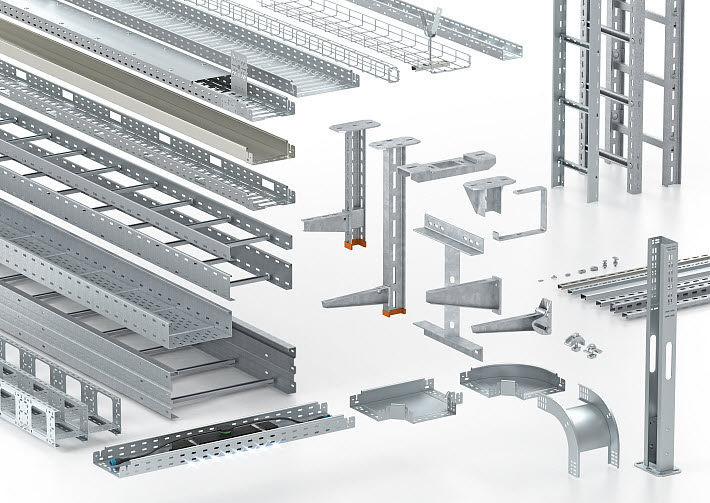
Cable Systems
Paneltech Systems offers comprehensive cable management systems for efficient, secure and organised cable setups across industrial and commercial environments.
View Product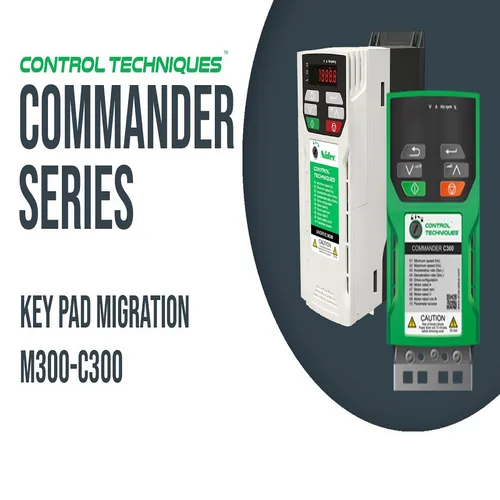
Commander C
Commander C VFD Drives from Paneltech Systems provide advanced motor control for industrial and commercial applications. Enhance efficiency and reliability.
View Product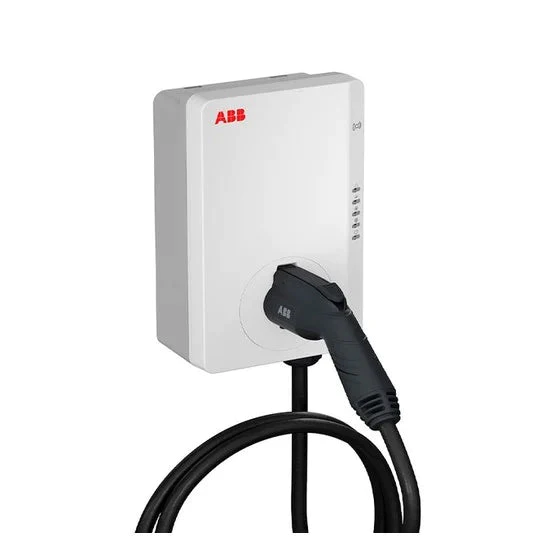
EV Chargers
ABB EV charging solutions for commercial and industrial premises, enabling reliable electric vehicle charging infrastructure.
View ProductUnderstanding harmonic distortion Kenya industries experience is essential for maintaining reliable electrical systems. Excessive Total Harmonic Distortion (THD) can silently overheat transformers, overload neutral conductors, reduce motor efficiency, trip protective devices, interfere with sensitive electronics, and shorten the lifespan of expensive electrical assets.
In Kenya, harmonic problems are becoming increasingly common as organisations expand automation, renewable energy systems, and digital infrastructure while operating on electrical networks that already experience KPLC voltage fluctuations and varying load conditions.
At Paneltech Systems Ltd, we design and manufacture harmonic-ready low-voltage switchboards, APFC panels, Motor Control Centres (MCCs), VFD panels, energy monitoring panels, and custom electrical solutions engineered for Kenyan industrial and commercial applications. Learn more about our engineering expertise at about, explore our electrical products at products, or contact our engineering team through contact.
Harmonic distortion occurs when non-linear electrical equipment draws current in irregular waveforms instead of the smooth sinusoidal waveform supplied by the utility. These unwanted harmonic frequencies reduce power quality and place additional stress on electrical equipment.
The severity of harmonic distortion is commonly measured as:
- Total Harmonic Distortion (THD)
- Current THD (THDi)
- Voltage THD (THDv)
Higher THD values generally indicate greater electrical distortion.
As Kenyan industries adopt more electronic power equipment, harmonic distortion has become one of the leading causes of hidden electrical problems. Managing harmonics improves equipment reliability, operational efficiency, and system lifespan.
Facilities commonly affected include:
- Manufacturing plants
- Data centres
- Hospitals
- Hotels
- Commercial buildings
- Water treatment facilities
- Shopping centres
Ignoring harmonics often leads to increased maintenance costs and unexpected downtime.
Excessive harmonic distortion increases transformer heating by causing additional copper losses, eddy current losses, and stray magnetic losses. Even when the transformer appears to operate within its rated current, elevated THD can significantly shorten insulation life and reduce transformer reliability.
Typical consequences include:
- Excessive operating temperature
- Reduced transformer lifespan
- Lower efficiency
- Increased maintenance
- Unexpected failures
Electrical systems handling significant non-linear loads should be designed with harmonic mitigation measures appropriate to the application.
| Specification | Typical Requirement |
|---|---|
| System Voltage | 415V AC |
| Frequency | 50 Hz |
| THD Monitoring | Integrated Power Meter |
| Harmonic Mitigation | Passive or Active Filter |
| Power Factor Correction | Harmonic-Rated APFC |
| Transformer Type | K-Rated (Where Required) |
| Communication | Modbus / Ethernet |
| Enclosure Rating | IP54 / IP65 |
| Compliance | IEC 61000 Series |
| Panel Standard | IEC 61439 |
Most harmonic distortion originates from electronic equipment that draws non-linear current from the electrical supply.
Typical sources include:
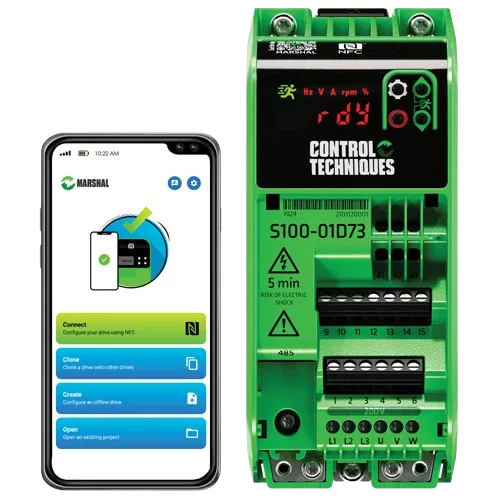
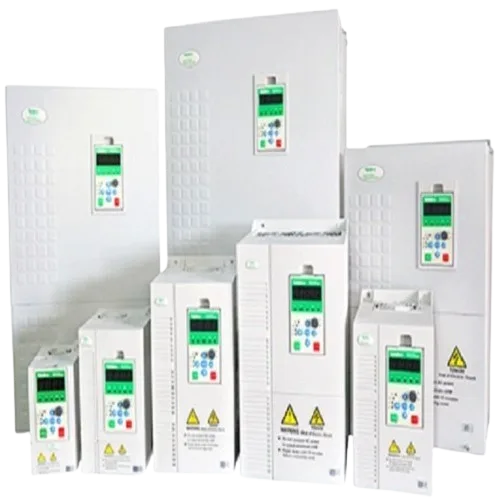
- Variable Frequency Drives (VFDs)
- UPS systems
- Solar inverters
- Battery Energy Storage Systems
- EV chargers
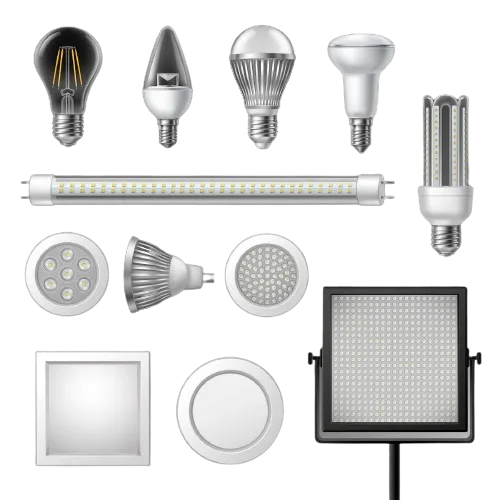
- LED lighting
- Computers
- Data centres
- Switched-mode power supplies
The greater the concentration of electronic loads, the higher the potential harmonic levels.
Transformers are designed primarily for sinusoidal electrical currents. Harmonic currents generate additional losses that produce heat beyond normal operating conditions.
Additional losses include:
- Copper losses
- Eddy current losses
- Stray flux losses
- Core heating
Higher operating temperatures accelerate insulation ageing and reduce transformer service life.
Triplen harmonics generated by many electronic loads accumulate within neutral conductors, causing unexpected overheating even when phase currents appear balanced.
Potential problems include:
- Overheated neutrals
- Cable insulation damage
- Increased fire risk
- Voltage imbalance
Proper conductor sizing and harmonic assessment reduce these risks.
High harmonic currents may cause circuit breakers to operate unexpectedly because RMS current increases even when useful power remains unchanged.
Consequences include:
- Unplanned production stoppages
- Equipment shutdowns
- Reduced operational reliability
Understanding the source of harmonic currents helps prevent unnecessary breaker replacements.
Harmonic distortion reduces the efficiency and reliability of motors and sensitive electrical equipment by increasing electrical and thermal stress.
Common effects include:
- Higher motor temperatures
- Reduced efficiency
- Increased vibration
- Torque pulsations
- Premature insulation ageing
Industrial facilities with numerous VFDs should regularly monitor power quality.
Power quality analysers and intelligent energy meters provide accurate measurement of voltage and current harmonics throughout an electrical installation.
Measurements typically include:
- THDv
- THDi
- Harmonic spectrum
- Voltage imbalance
- Power factor
- Frequency
Paneltech integrates advanced metering into intelligent electrical panels through products.
Effective harmonic mitigation depends on understanding the electrical system and selecting the appropriate engineering solution.
Common mitigation options include:
Passive Harmonic Filters
Suitable for:
- Individual drives
- Moderate harmonic levels
Active Harmonic Filters
Ideal for:
- Dynamic loads
- Multiple harmonic sources
- Complex industrial systems
Line Reactors
Help reduce:
- Harmonic current
- Voltage distortion
- Drive stress
Harmonic-Rated APFC Panels
Standard capacitor banks may experience reduced performance under high harmonic conditions. Harmonic-rated APFC systems are designed to operate safely where harmonic currents are present.
Paneltech also designs APFC systems through #apfc-112.
Solar PV systems, battery storage, and EV charging infrastructure increase the number of inverter-based devices connected to electrical networks, making harmonic assessment increasingly important.
Applications include:
- Solar farms
- Commercial rooftop solar
- Battery storage systems
- EV charging stations
Proper system design helps maintain acceptable power quality.
Electrical panels handling harmonic-rich loads should be designed for Kenya's operating conditions while providing adequate cooling and equipment protection.
Nairobi
- Commercial developments
- Data centres
- Mixed industrial loads
Coastal Kenya
- Corrosion-resistant enclosures
- High humidity protection
Industrial Regions
- Dust-resistant construction
- Enhanced ventilation
- Continuous-duty operation
Appropriate enclosure ratings improve equipment reliability.
Many organisations attempt to solve harmonic problems by replacing equipment rather than addressing the underlying power quality issue.
Common mistakes include:
- Ignoring harmonic measurements
- Oversizing transformers without analysis
- Installing standard APFC panels on harmonic-rich systems
- No power quality monitoring
- Incorrect filter selection
- Poor system studies
Professional harmonic assessment should precede mitigation.
Harmonic management should follow recognised international standards governing power quality and electrical equipment performance.
Relevant standards include:
- IEC 61000 – Electromagnetic Compatibility
- IEC 61439 – Low Voltage Switchgear Assemblies
- IEC 61800 – Variable Speed Drive Systems
- IEC 60947 – Low Voltage Switchgear
- EPRA electrical requirements applicable in Kenya
Paneltech Systems Ltd designs electrical panels that incorporate harmonic mitigation, intelligent metering, and reliable power distribution for demanding industrial and commercial applications across Kenya.
Our specialised services include:
- Harmonic-Ready LV Switchboards
- APFC Panels
- Active Harmonic Filter Integration
- Motor Control Centres (MCCs)
- VFD Panels
- Energy Monitoring Panels
- PLC Automation Panels
- Electrical Engineering Consultation
- Power Quality Assessment
- Custom Panel Manufacturing
Explore our engineering solutions through home-main, access technical resources through knowledge-site, discover residential solutions through paneltechhomes, or visit home1.
Managing harmonic distortion helps protect transformers, electrical equipment, and the long-term reliability of industrial power systems.
What is Total Harmonic Distortion (THD)?
THD measures the level of harmonic frequencies present in an electrical waveform compared with the fundamental frequency.
Why do harmonics overheat transformers?
Harmonic currents create additional electrical losses that generate excess heat inside transformer windings and cores.
Can harmonic distortion trip breakers?
Yes. Increased RMS current caused by harmonics can contribute to nuisance tripping and reduced system reliability.
How are harmonics measured?
Power quality analysers and intelligent multifunction energy meters measure voltage and current harmonic distortion.
Can Paneltech design harmonic mitigation into new panels?
Yes. Paneltech designs custom switchboards incorporating harmonic filters, harmonic-rated APFC systems, intelligent metering, and power quality monitoring.
Powering Kenya's Future with Reliable Electrical Solutions
Email: [email protected]
Phone: 0799 531765
Location: Nairobi, Kenya
Website: https://paneltechsystems.co.ke/
Our Specialized Services:
- Low Voltage (LV) Panels & APFC Panels
- VFD Drive Solutions & ATS / MTS Systems
- Solar Power & EV Charging Infrastructure
- Electrical Supplies & Engineering Consultations