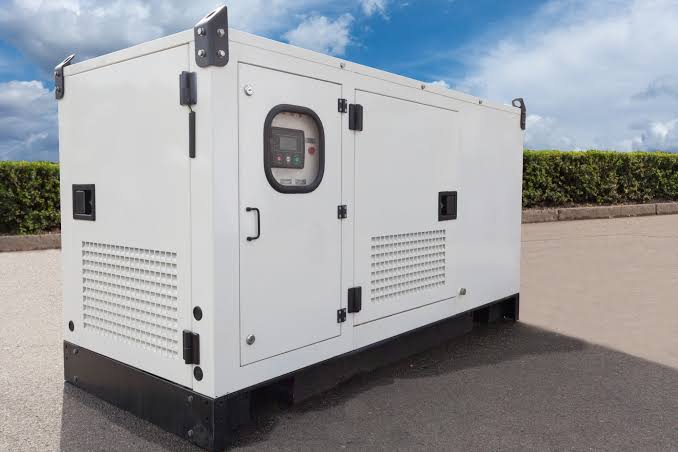
How hospital ATS panel Ensure Uninterrupted Power Supply in Hospitals
Learn how a hospital ATS panel ensures uninterrupted power supply in hospitals by automatically switching to backup generators during blackouts. Essential for Kenya’s healthcare facilities.
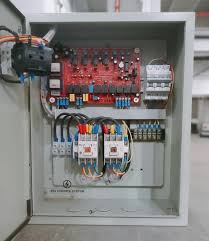
Hospitals are among the most power-sensitive facilities in any country because even a brief interruption can affect life-support systems, operating theatres, ICU monitoring, and diagnostic equipment. In Kenya, where grid fluctuations and unexpected outages from KPLC infrastructure can occur, backup power systems are not optional—they are critical healthcare infrastructure.
Automatic Transfer Switch (ATS) panels play a central role in ensuring hospitals maintain continuous power by automatically switching from the main grid to backup generators within seconds of failure.
What Is a Hospital ATS Panel?
A hospital ATS panel is an automatic electrical switching system that instantly transfers power from the main utility supply to a backup generator when a power failure occurs, ensuring uninterrupted electricity for critical medical equipment.
In healthcare environments, ATS panels act as life-safety systems that protect patients by maintaining continuous power to essential hospital infrastructure.
They eliminate human delay during outages and ensure seamless power continuity across critical care areas.
ATS systems are commonly integrated into hospital LV distribution networks and emergency power systems.
Explore related systems:
low-voltage-panels
Why ATS Panels Are Critical in Hospitals
ATS panels are critical in hospitals because they guarantee uninterrupted power supply to life-support systems, surgical theatres, ICU units, and emergency wards during grid failures or voltage instability.
Even a few seconds of power loss can put patients on ventilators or surgical equipment at risk.
ATS systems ensure immediate switching to backup generators, eliminating dangerous downtime.
Key Hospital Risks Prevented by ATS:
- Ventilator shutdown in ICUs
- Loss of surgical lighting during operations
- Monitoring system failure
- Oxygen supply system interruption
- Data loss in medical records systems
In Kenya’s healthcare system, ATS installation is now standard practice in modern hospitals and private clinics.
How ATS Panels Work in Hospital Environments
Hospital ATS panels continuously monitor grid power and automatically start backup generators when a failure is detected, transferring load within seconds to maintain uninterrupted power supply to critical hospital systems.
The system operates through sensors, controllers, and switching mechanisms designed for ultra-fast response.
It ensures zero manual intervention during emergencies, which is vital in healthcare settings.
Step-by-Step Process:
- ATS monitors KPLC power supply in real time
- Detects voltage drop or complete failure
- Sends automatic start signal to generator
- Waits for stable generator output
- Transfers hospital load to backup system
- Restores grid power when available
Learn more about backup integration:
vfd-drives
Types of ATS Systems Used in Hospitals
Hospitals typically use closed-transition or static ATS systems because they provide near-instant or zero-interruption switching, ensuring continuous power supply to critical medical equipment.
These advanced ATS types eliminate even momentary disruptions that could affect patient safety.
They are designed for high-reliability environments like ICUs and operating rooms.
1. Closed Transition ATS
- Transfers power without interruption
- Suitable for surgical theatres
- Ensures seamless overlap of sources
2. Static ATS
- Uses electronic switching components
- Extremely fast response time
- Ideal for critical life-support systems
3. Open Transition ATS
- Brief interruption allowed
- Used in non-critical hospital areas
ATS vs Generator Alone in Hospitals
ATS panels are required in hospitals because generators alone cannot automatically detect outages or switch loads without human intervention, unlike ATS systems which manage the entire process automatically.
Generators provide backup power, but ATS controls when and how that power is delivered.
Without ATS, hospitals would experience dangerous delays during outages.
Key Difference:
- Generator = Power source
- ATS = Intelligent switching controller
Hospital Power Architecture with ATS Integration
In hospitals, ATS panels are integrated between the utility supply, generator system, and LV distribution boards to ensure automatic switching and controlled distribution of electricity to critical and non-critical loads.
This integration ensures that life-saving systems always receive priority power supply.
It forms the backbone of hospital electrical infrastructure.
Typical Setup:
- KPLC utility supply
- Diesel generator system
- ATS panel
- LV switchgear distribution
- Critical hospital loads (ICU, theatre, emergency wards)
Explore LV systems:
low-voltage-panels
Why ATS Response Time Matters in Healthcare
ATS response time is critical in hospitals because delays in power restoration can disrupt life-support systems, surgical procedures, and emergency medical equipment, putting patient lives at risk.
Modern ATS systems switch power in seconds or milliseconds depending on configuration.
This rapid response ensures medical continuity during unpredictable outages.
Critical Response Requirements:
- ICU equipment: zero interruption tolerance
- Operating theatres: minimal switching delay
- Emergency wards: instant backup activation
Standards and Compliance for Hospital ATS Systems
Hospital ATS systems must comply with IEC 60947 standards and EPRA electrical safety regulations in Kenya to ensure safe, reliable, and medically compliant power switching operations.
These standards define switching performance, insulation levels, and fault protection requirements.
Compliance is mandatory for healthcare certification and inspection approval.
Key Standards:
- IEC 60947-6-1 (transfer switching equipment)
- IEC 61439 (low-voltage assemblies)
- EPRA electrical installation regulations
- BS EN hospital electrical safety standards
Environmental and Operational Considerations in Hospitals
Hospital ATS systems must operate in controlled environments with high reliability, low noise, and stable thermal conditions to ensure consistent performance of critical healthcare equipment.
Hospitals require clean electrical environments with minimal electromagnetic interference.
ATS panels must also support continuous operation under heavy load conditions.
Key Considerations:
- Temperature-controlled electrical rooms
- Dust-free enclosures
- Redundant power supply design
- Continuous monitoring systems
System Specifications Table (Hospital ATS Panel)
| Parameter | Specification |
|---|---|
| Rated Voltage | 400/415V AC |
| Frequency | 50Hz |
| Switching Type | Automatic / Closed Transition |
| Response Time | 0–10 seconds (depending on system) |
| Control Voltage | 12V / 24V DC |
| Enclosure Material | Powder-coated steel / stainless steel |
| IP Rating | IP54–IP65 |
| Mounting Type | Floor-mounted |
| Standards | IEC 60947, IEC 61439, EPRA compliant |
| Application | Hospitals, ICUs, Operating Theatres |
Maintenance Requirements for Hospital ATS Panels
Hospital ATS panels require regular preventive maintenance and testing to ensure immediate reliability during emergencies and to prevent failure during critical power switching events.
Routine testing ensures that the system responds correctly during real outages.
Maintenance is essential for patient safety and regulatory compliance.
Maintenance Tasks:
- Generator start/stop testing
- Relay and contactor inspection
- Load transfer simulation
- Control system diagnostics
- Cable and terminal tightening
Common Applications in Hospitals
ATS systems are used across all critical hospital departments including ICUs, operating theatres, emergency rooms, and diagnostic labs to ensure continuous power supply during grid failure.
Every hospital system that supports life-saving operations depends on ATS reliability.
It is a foundational requirement for modern healthcare infrastructure.
Key Applications:
- Intensive Care Units (ICU)
- Operating Theatres
- Emergency Departments
- Imaging Systems (MRI, CT Scan)
- Laboratory equipment
- Oxygen supply systems
Future of Hospital ATS Systems in Kenya
The future of hospital ATS systems in Kenya involves integration with smart monitoring, IoT-based diagnostics, and hybrid renewable energy systems to improve reliability and reduce operational costs.
Modern hospitals are moving toward intelligent energy management systems.
ATS technology is evolving into fully automated smart grid components.
Emerging Trends:
- Smart ATS with remote monitoring
- Solar + generator hybrid backup systems
- AI-based load prioritization
- Predictive maintenance system
ATS panels are a critical component of hospital electrical infrastructure, ensuring uninterrupted power supply to life-saving systems during grid failures. In Kenya’s healthcare environment, where power stability cannot always be guaranteed, ATS systems provide the reliability, speed, and automation required to protect patient lives.
Hospitals without ATS systems face unacceptable operational risks, while those with properly engineered systems achieve continuous, safe, and compliant power delivery.
Contact Paneltech Systems Ltd
Powering Kenya's Future with Reliable Electrical Solutions
Email: [email protected]
Phone: 0799 531765
Location: Nairobi, Kenya
Website: https://paneltechsystems.co.ke/
Our Specialized Services:
Low Voltage (LV) Panels & APFC Panels
VFD Drive Solutions & ATS / MTS Systems
Solar Power & EV Charging Infrastructure
Electrical Supplies & Engineering Consultation