HVAC Control Panel Kenya: 2026 Engineering Guide and Specs | Paneltech Systems Kenya
Looking for an HVAC control panel Kenya commercial buildings require? Learn how chiller sequencing, AHU control, VFD integration, and BMS-ready I/O improve energy efficiency and reliability. Request a custom HVAC panel design from Paneltech Systems Ltd.
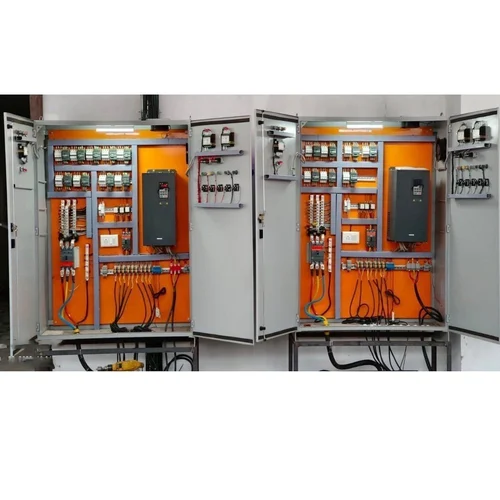
Modern commercial buildings in Kenya depend on reliable HVAC systems to maintain comfortable indoor environments, protect equipment, and support continuous operations. Shopping malls, hospitals, hotels, office towers, data centres, and industrial facilities all require accurate control of chillers, air handling units (AHUs), pumps, fans, and ventilation equipment.
However, HVAC performance depends on more than mechanical equipment. The electrical control system managing these assets determines how efficiently they operate.
Related Products

ATS / MTS Kenya
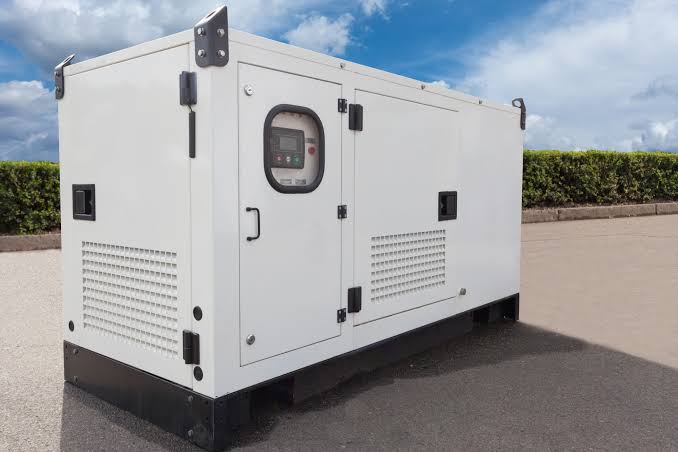
ATS/MTS solutions from Paneltech Systems provide reliable Automatic and Manual Transfer Switches for seamless power transfer in industrial and commercial electrical systems.
View Product
Motor Control
Reliable motor control panels for industrial and commercial use, providing customised solutions for safe and efficient motor operation.
View Product
Commander C
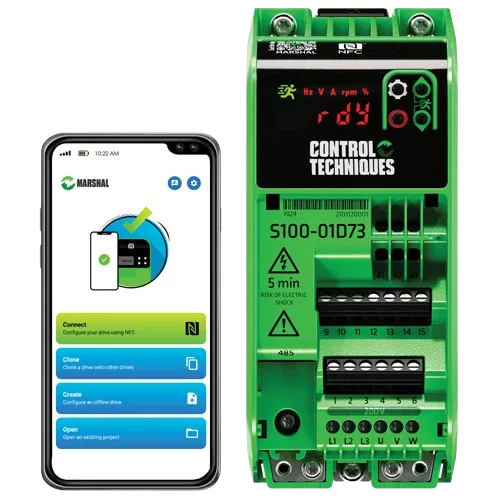
Commander C VFD Drives from Paneltech Systems provide advanced motor control for industrial and commercial applications. Enhance efficiency and reliability.
View Product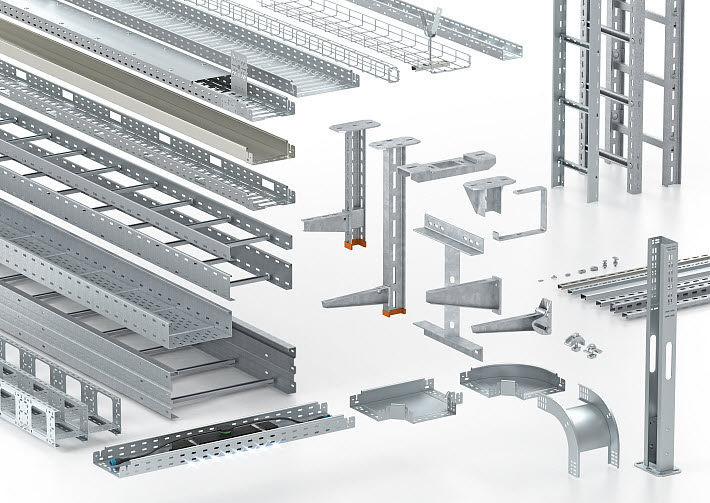
Cable Systems
Paneltech Systems offers comprehensive cable management systems for efficient, secure and organised cable setups across industrial and commercial environments.
View ProductA properly designed HVAC control panel Kenya buildings require provides intelligent control, motor protection, energy management, sequencing logic, and communication with Building Management Systems (BMS). Without a correctly engineered control panel, HVAC systems may experience excessive energy consumption, poor temperature control, frequent equipment faults, and unnecessary maintenance costs.
Kenyan buildings face additional considerations including KPLC supply fluctuations, increasing energy costs, high ambient temperatures, and growing demand for automated building systems. A purpose-built HVAC control panel helps facility managers achieve better performance and reliability.
At Paneltech Systems Ltd, we design and manufacture custom HVAC control panels, motor control centres (MCCs), automation panels, VFD solutions, and LV electrical systems for commercial and industrial applications across Kenya. Learn more about our engineering capabilities at about, explore our products at products, or contact our team through contact.
An HVAC control panel is an electrical control system that manages heating, ventilation, and air conditioning equipment. It provides power distribution, motor protection, automation logic, and communication between HVAC equipment and building management systems.
An HVAC control panel typically controls:
- Chillers
- Air handling units (AHUs)
- Fan coil units
- Pumps
- Cooling towers
- Exhaust fans
- Ventilation systems
The panel combines electrical protection and automation to ensure efficient HVAC operation.
HVAC control panels improve building efficiency by automating equipment operation, reducing energy waste, and protecting motors from electrical faults. They are essential for large buildings where HVAC represents a significant portion of total energy consumption.
HVAC systems can account for a major percentage of commercial building electricity usage. Efficient control helps reduce:
- Energy consumption
- Equipment wear
- Maintenance costs
- Operating interruptions
Applications include:
- Office buildings
- Hospitals
- Hotels
- Shopping centres
- Airports
- Data centres
- Industrial facilities
A reliable HVAC control panel should include motor protection, VFD integration, contactors, control relays, BMS communication points, safety interlocks, and correctly sized electrical components. The design should match the HVAC equipment sequence of operation.
Key design considerations include:
- Equipment ratings
- Control philosophy
- Automation requirements
- Future expansion
- Environmental conditions
HVAC control panels must be engineered according to connected loads, automation requirements, and installation conditions while complying with electrical standards.
| Specification | Typical Value |
|---|---|
| Rated Voltage | 415V AC |
| Control Voltage | 24V DC / 230V AC |
| Frequency | 50 Hz |
| Enclosure Rating | IP54 / IP65 |
| Enclosure Material | Powder-Coated CRCA Steel |
| Mounting Type | Wall Mounted / Floor Standing |
| Motor Control | DOL / Star Delta / VFD |
| Communication | BMS / Modbus / BACnet Ready |
| Protection | MCCB, MCB, Overload Relay |
| Standards | IEC 61439, IEC 60947 |
Chiller control panels coordinate cooling equipment operation while protecting compressors, pumps, and associated electrical components. Proper sequencing improves system efficiency and reliability.
Large chilled water systems commonly include:
- Chillers
- Chilled water pumps
- Condenser pumps
- Cooling towers
Control functions include:
- Start/stop commands
- Pump interlocking
- Temperature monitoring
- Fault indication
- Load sequencing
Chiller sequencing ensures multiple chillers operate according to building demand instead of running unnecessary equipment. This reduces energy consumption and improves equipment lifespan.
A typical sequence may include:
Low Cooling Demand
- One chiller operates
- Remaining units remain available
Increased Demand
- Additional chillers start automatically
Reduced Demand
- Unnecessary chillers shut down
Sequencing improves:
- Energy efficiency
- Compressor life
- System stability
AHU control panels manage air handling equipment by controlling fans, dampers, sensors, and temperature systems. They improve indoor air quality and maintain consistent building conditions.
AHU control functions include:
- Supply fan control
- Return fan control
- Filter monitoring
- Temperature control
- Humidity monitoring
- Damper operation
Common AHU applications include:
- Hospitals
- Hotels
- Commercial offices
- Clean environments
Variable Frequency Drives improve HVAC efficiency by adjusting motor speed according to demand. They reduce energy consumption and provide smoother operation compared with fixed-speed motors.
VFD-controlled equipment includes:
- AHU fans
- Chilled water pumps
- Cooling tower fans
- Exhaust systems
Benefits include:
- Lower energy usage
- Reduced starting current
- Improved temperature control
- Reduced mechanical stress
Paneltech provides VFD solutions throughproducts/vfd-drives.
Modern HVAC control panels should provide communication points for Building Management Systems. BMS integration enables central monitoring, automation, and energy management.
Common communication protocols include:
- Modbus
- BACnet
- Ethernet communication
BMS monitoring can include:
- Equipment status
- Run hours
- Fault alarms
- Energy consumption
- Temperature readings
HVAC motors require reliable protection against overloads, phase loss, short circuits, and voltage problems. Correct protection improves equipment life and operational safety.
Protection devices include:
- MCCBs
- MCBs
- Motor overload relays
- Phase monitoring relays
- Surge Protection Devices
Typical protected equipment:
- Pumps
- Fans
- Compressors
- Motors
HVAC systems in Kenya can be affected by voltage fluctuations and electrical disturbances. Proper protection and monitoring improve equipment reliability.
Engineers should consider:
- Voltage imbalance
- Harmonic distortion
- Power factor
- Surge events
Recommended solutions:
- Surge protection devices
- Power monitoring
- APFC systems
- Proper earthing
Paneltech provides APFC solutions through#apfc-112.
HVAC panels should be designed according to installation conditions to prevent dust, moisture, and temperature-related failures.
Commercial Indoor Installations
Typical requirements:
- IP54 enclosure
- Controlled electrical rooms
Mechanical Rooms
Consider:
- Higher temperature exposure
- Ventilation requirements
- Dust protection
Outdoor HVAC Equipment
May require:
- IP65 enclosure
- Weather protection
- Corrosion resistance
Regular HVAC panel maintenance prevents electrical failures and ensures reliable building climate control. Preventive inspections identify problems before they affect occupant comfort or operations.
Maintenance should include:
- Terminal torque checks
- Thermal imaging
- Cleaning
- Breaker testing
- Contact inspection
- Sensor verification
Learn more about electrical maintenance practices through knowledge-site.
Poor control panel design can reduce HVAC efficiency and increase operational costs. Proper engineering ensures the system matches building requirements.
Common mistakes include:
- No VFD integration
- Poor motor protection
- Limited spare capacity
- Incorrect cable sizing
- No BMS integration
- Poor ventilation design
- Incorrect enclosure selection
HVAC control panels should comply with recognised electrical standards to ensure safe and reliable operation.
Relevant standards include:
- IEC 61439 – Low Voltage Switchgear Assemblies
- IEC 60947 – Switchgear and Controlgear
- IEC 60204 – Electrical Equipment of Machines
- BS EN electrical standards
- EPRA electrical requirements applicable in Kenya
Paneltech Systems Ltd designs and manufactures custom HVAC control panels for commercial buildings, industrial facilities, and critical infrastructure across Kenya. Our solutions combine electrical engineering, automation expertise, and practical project experience.
Our specialised services include:
- HVAC Control Panels
- Motor Control Centres (MCCs)
- VFD Control Panels
- PLC Automation Panels
- LV Switchboards
- ATS Systems
- APFC Panels
- Building Automation Integration
- Electrical Engineering Consultation
- Custom Panel Manufacturing
Explore our engineering solutions through home-main, access technical resources throughknowledge-site, discover residential solutions through paneltechhomes, or visit home1.
HVAC control panels improve building efficiency by automating equipment operation and protecting electrical systems.
What does an HVAC control panel do?
It controls HVAC equipment operation, provides electrical protection, and enables automation of chillers, AHUs, pumps, and fans.
Why use VFDs in HVAC systems?
VFDs reduce energy consumption by adjusting motor speed according to demand.
Can HVAC panels connect to a BMS?
Yes. Modern HVAC panels can provide communication points through protocols such as Modbus and BACnet.
What IP rating is suitable for HVAC panels?
The required IP rating depends on location. Indoor installations commonly use IP54, while outdoor or harsh environments may require IP65.
Can Paneltech design custom HVAC control panels?
Yes. Paneltech designs HVAC panels based on equipment schedules, control requirements, and building automation specifications.
Powering Kenya's Future with Reliable Electrical Solutions
Email: [email protected]
Phone: 0799 531765
Location: Nairobi, Kenya
Website: https://paneltechsystems.co.ke/
Our Specialized Services:
- Low Voltage (LV) Panels & APFC Panels
- VFD Drive Solutions & ATS / MTS Systems
- Solar Power & EV Charging Infrastructure
- Electrical Supplies & Engineering Consultations