Cable Systems in Industrial Wiring Kenya: Safety, Cooling & Compliance Guide 2026 | Paneltech Systems
Learn how proper cable systems in industrial wiring prevent electrical fires, improve airflow cooling, and reduce downtime. Discover IEC-compliant cable tray and trunking solutions for Kenyan industries with Paneltech Systems.

Industrial electrical systems depend on one critical foundation that is often underestimated: proper cable systems and wiring organization. In manufacturing plants, processing facilities, and commercial infrastructure, cables carry the entire operational load of machines, control systems, and power distribution networks.
When wiring is poorly organized, the result is not just visual clutter—it becomes a serious safety hazard. Cable overheating, electrical faults, downtime, and even fire incidents often originate from unstructured installations.
Related Products
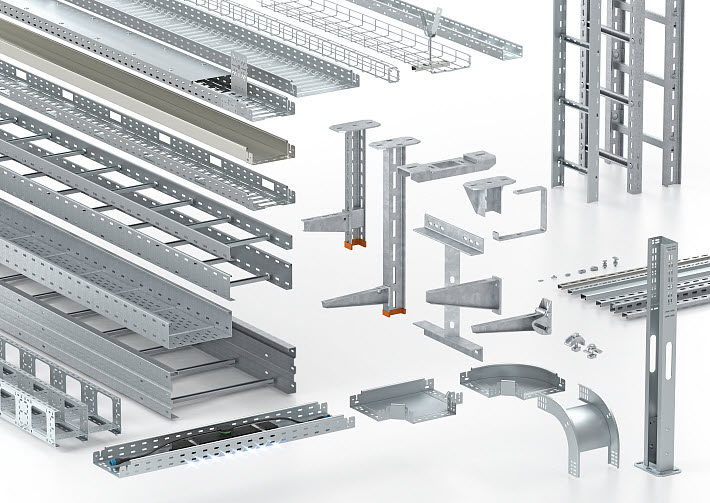
Cable Systems
Paneltech Systems offers comprehensive cable management systems for efficient, secure and organised cable setups across industrial and commercial environments.
View Product
ATS / MTS Kenya
ATS/MTS solutions from Paneltech Systems provide reliable Automatic and Manual Transfer Switches for seamless power transfer in industrial and commercial electrical systems.
View Product
LED Lights
Paneltech Systems offers high-quality LED lighting solutions for indoor and outdoor applications ÔÇö bright, energy-efficient lighting for commercial and industrial spaces.
View Product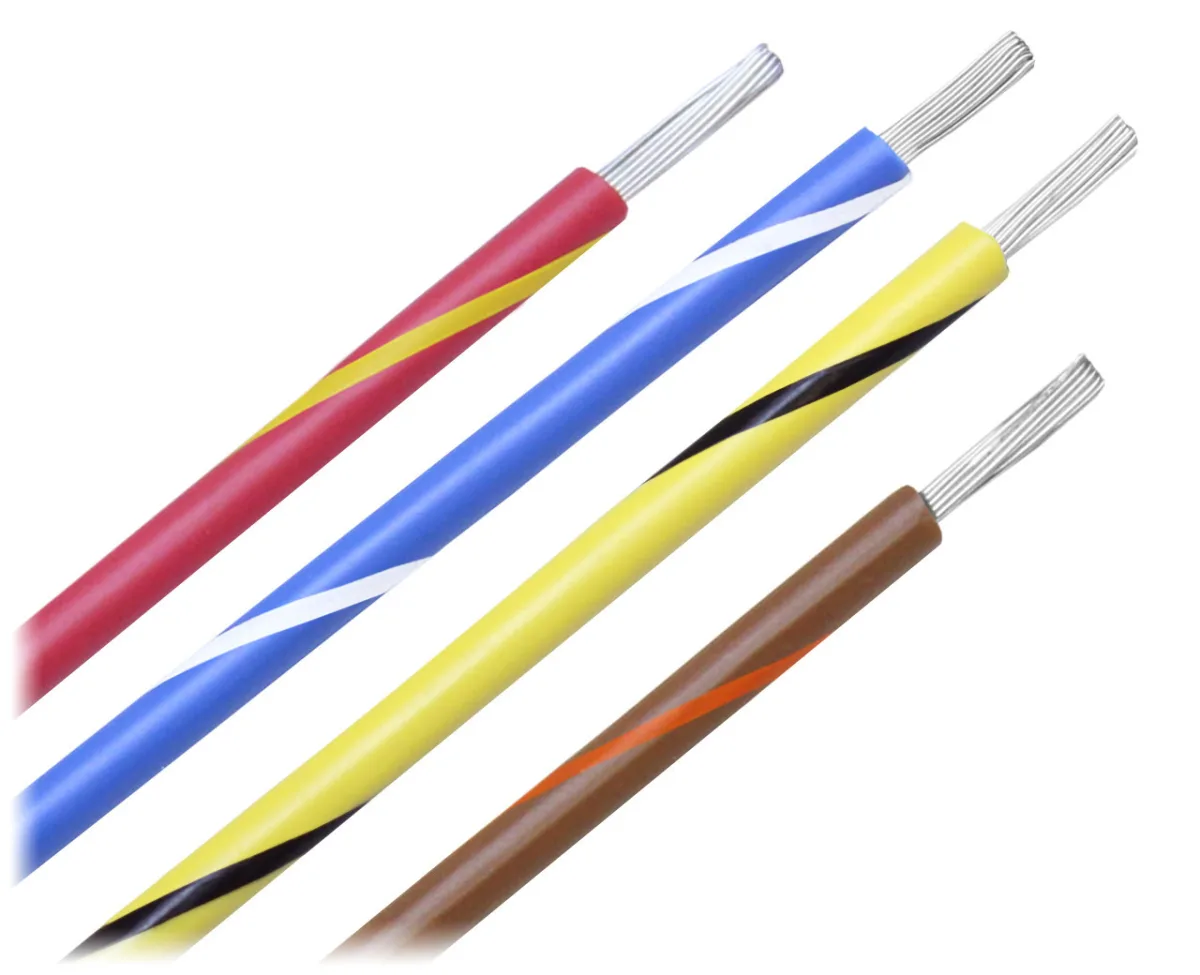
Marine Cables
Heavy-duty marine-grade cables designed for reliable performance in marine and offshore electrical installations.
View ProductIn Kenya, where industries face KPLC power fluctuations, high humidity in coastal regions, and dust-heavy inland environments, structured cable systems are not optional—they are essential for operational safety and compliance with IEC and EPRA standards.
What Are Cable Systems in Industrial Wiring?
Cable systems refer to structured methods of organizing electrical wiring using trunking, cable trays, conduits, and enclosures to ensure safe and efficient power distribution.
They prevent disorderly wiring, reduce heat buildup, and protect conductors from physical and environmental damage.
In industrial environments, cable systems act as the backbone of electrical infrastructure. Instead of loose wiring, every cable is routed, supported, and protected within a defined system.
Typical components include:
- Cable trays (ladder, perforated, or solid-bottom)
- PVC or metallic trunking systems
- Conduit piping (PVC or galvanized steel)
- Cable glands and termination enclosures
These systems are often integrated with engineered electrical panels such as:
low-voltage-panels
Why Wiring Organization Matters in Industrial Environments
Wiring organization eliminates cable congestion (“cable spaghetti”), reduces fault risk, and improves electrical system predictability.
It improves safety, reduces downtime, and ensures systems remain serviceable over long operational lifecycles.
Unorganized wiring leads to:
- Short circuits due to insulation wear
- Difficulty in troubleshooting faults
- Heat accumulation in cable bundles
- Increased fire risk in industrial environments
Proper organization ensures:
- Clear identification of circuits
- Logical routing for maintenance teams
- Easier system expansion without rewiring
Facilities that adopt structured design practices reduce failures and improve operational efficiency, supported by technical resources such as:
knowledge-site
Safety and Fire Prevention in Cable Systems
Proper cable systems reduce fire hazards by preventing overheating, insulation breakdown, and electrical arcing.
They ensure compliance with IEC and EPRA safety standards required for industrial installations in Kenya.
Most industrial electrical fires are caused by:
- Overloaded cables without heat dissipation
- Poor termination practices
- Cable bundling without spacing
- Inadequate protective routing
Cable trays and trunking systems prevent these risks by:
- Allowing proper spacing between conductors
- Enhancing heat dissipation
- Protecting cables from mechanical damage
- Reducing exposure to moisture and dust
Modern installations often integrate with VFD-driven systems that require stable and safe wiring environments:
vfd-drives
Airflow and Cooling in Cable Management
Proper cable systems improve airflow around conductors, preventing heat accumulation and extending cable lifespan.
Better cooling reduces resistance losses and improves electrical efficiency in industrial environments.
Heat buildup is one of the most damaging factors in electrical systems. When cables are tightly packed:
- Electrical resistance increases
- Insulation degrades faster
- Energy losses rise significantly
Cable trays, especially ladder-type designs, promote natural airflow and cooling. This is critical in:
- Continuous production lines
- High-load motor systems
- Power distribution networks
Environmental conditions also matter:
- Coastal areas: high humidity increases thermal stress
- Inland industrial zones: dust reduces ventilation efficiency
Ease of Maintenance and System Downtime Reduction
Organized cable systems significantly reduce maintenance time by enabling fast identification, tracing, and replacement of faulty circuits.
They minimize downtime by making troubleshooting faster and more accurate for technicians.
In industrial environments, downtime directly affects production revenue.
Poor wiring systems cause:
- Long fault diagnosis time
- Misidentification of circuits
- Increased labor costs
- Extended machine shutdowns
Structured systems solve this by:
- Clear cable labeling
- Organized routing paths
- Simplified expansion capability
This is especially critical in systems such as APFC installations:
Types of Cable Systems in Industrial Wiring
Cable systems are mainly categorized into trunking, cable trays, and conduits, each serving different protection and installation requirements.
Selection depends on environment, load type, and maintenance accessibility.
Cable Trays
- High ventilation
- Ideal for heavy industrial use
- Easy system expansion
Trunking Systems
- Enclosed wiring protection
- Dust and contact safety
- Common in commercial facilities
Conduit Systems
- Maximum mechanical protection
- Suitable for harsh environments
- Underground and exposed installations
Kenyan Industrial Context: Power, Climate, and Compliance
Kenyan industrial environments require robust cable systems due to grid instability, environmental stress, and strict EPRA compliance requirements.
Proper wiring ensures resilience against voltage fluctuations, humidity, and dust exposure.
Key challenges include:
- KPLC voltage instability affecting system stability
- Coastal humidity causing corrosion risks
- Dust-heavy inland environments affecting insulation
Compliance requires:
- Proper earthing systems
- Correct cable sizing
- Fire-resistant routing methods
Industrial solutions are implemented through structured electrical systems and components:
products
Design Standards: IEC, BS EN, and EPRA Compliance
Industrial cable systems must comply with IEC and BS EN standards to ensure safety, reliability, and regulatory approval in Kenya.
EPRA enforces these standards across all industrial electrical installations.
Key standards include:
- IEC 60364 (Low-voltage installations)
- BS EN 61537 (Cable tray systems)
- EPRA electrical installation guidelines
Compliance ensures:
- Fire safety
- Mechanical integrity
- Electrical efficiency
- Long-term system reliability
System Specifications Table
| Parameter | Specification |
|---|---|
| Rated Voltage | 230V / 415V AC |
| Frequency | 50Hz |
| Cable Tray Material | Galvanized Steel / Aluminium |
| Trunking Material | PVC / Powder-coated Metal |
| IP Rating | IP54 – IP65 |
| Installation Standard | IEC / BS EN |
| Earthing System | TN-S / TN-C-S |
| Operating Temperature | -5°C to 55°C |
| Environment | Industrial / Commercial / Outdoor |
Best Practices for Cable System Installation
Best practices include proper load calculation, segregation of power and control cables, and maintaining adequate spacing for cooling and safety.
Correct installation ensures long-term reliability and reduces system failure risks.
Key practices:
- Separate high-voltage and control cables
- Use proper labeling systems
- Avoid overfilled trays or trunking
- Ensure correct earthing and bonding
Monitoring systems improve accuracy and reliability:
Common Mistakes in Cable Management
Common mistakes include overloading cable trays, poor labeling, and mixing incompatible cable types.
These issues increase fire risk, reduce efficiency, and make maintenance difficult.
Other mistakes include:
- Ignoring heat dissipation requirements
- Using incorrect cable sizing
- Poor installation alignment
- Lack of future expansion planning
How Paneltech Systems Implements Structured Cable Solutions
Paneltech Systems designs engineered cable systems focused on safety, airflow, compliance, and long-term reliability.
Their solutions integrate LV panels, automation systems, and structured wiring for industrial applications in Kenya.
Core solutions include:
Conclusion
Proper cable systems are not just a wiring convenience—they are a critical safety and performance requirement in industrial electrical engineering. In Kenya’s demanding industrial environment, structured cable management ensures reliability, compliance, reduced downtime, and long-term operational efficiency.
From preventing electrical fires to improving airflow and simplifying maintenance, cable systems directly determine the success and safety of industrial operations.
Call to Action
Contact Paneltech Systems Ltd
Powering Kenya's Future with Reliable Electrical Solutions
Email: [email protected]
Phone: 0799 531765
Location: Nairobi, Kenya
Website: https://paneltechsystems.co.ke/
Our Specialized Services:
- Low Voltage (LV) Panels & APFC Panels
- VFD Drive Solutions & ATS / MTS Systems
- Solar Power & EV Charging Infrastructure
- Electrical Supplies & Engineering Consultations