Industrial Electrical Systems for Factory in Kenya: Heavy Manufacturing Power Distribution and Design | Paneltech Systems
Looking for industrial electrical systems for factories in Kenya? Learn heavy industry power distribution layout, substations, bus duct systems, and factory main switchboard commissioning. Paneltech Systems Ltd delivers IEC-compliant industrial electrical engineering solutions.
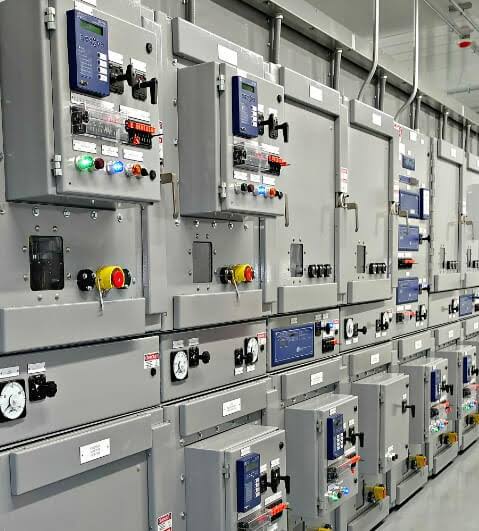
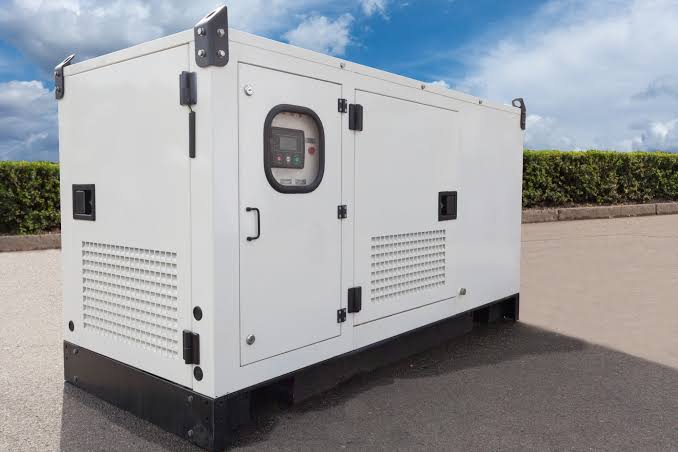
Industrial electrical systems for factories are high-capacity power infrastructures designed to safely distribute electricity across heavy machinery, production lines, and automation systems. These systems integrate substations, main distribution boards (MDBs), busbar trunking, cable tray networks, and power factor correction systems to ensure stable and efficient power delivery in heavy manufacturing environments. They are engineered for high load density, operational continuity, and compliance with IEC industrial standards.
In Kenya, industrial growth in sectors such as manufacturing, agro-processing, cement production, and textiles requires robust electrical infrastructure capable of handling fluctuating heavy loads from large motor-driven equipment.
Why Industrial Factories Need Advanced Electrical Systems
Factories require advanced electrical systems because heavy machinery demands stable, high-capacity, and continuously available power. Any disruption or voltage instability can lead to production downtime, equipment damage, and financial losses.
Kenyan industrial environments face additional challenges:
- KPLC grid instability in industrial zones
- High inductive loads from motors and compressors
- Expansion of automated production lines
- Rising energy costs and efficiency demands
Modern factory electrical systems begin with structured LV distribution systems such as low-voltage-panels which form the backbone of industrial power architecture.
Heavy Industry Power Distribution Layout
A heavy industry power distribution layout is a structured electrical design that ensures efficient transmission of power from substations to production machinery using bus ducts, cable trays, and distribution boards. Proper layout reduces losses, improves safety, and ensures scalability for factory expansion.
Key Components of Industrial Power Layout:
- Main power substation (step-down transformers)
- Main distribution board (MDB)
- Sub distribution boards (SDBs)
- Busbar trunking systems
- Cable tray and conduit networks
In Kenyan factories, motor control systems such as those found in #motor-control-panels are widely used to manage large industrial motors in conveyors, crushers, and pumps.
Main Distribution Substations in Factories
Industrial substations step down high-voltage utility power to usable low-voltage levels for factory operations, ensuring safe and efficient distribution across heavy machinery and production systems.
Substations typically include:
- Transformers (11kV/415V or 33kV/415V)
- Protection relays
- Circuit breakers
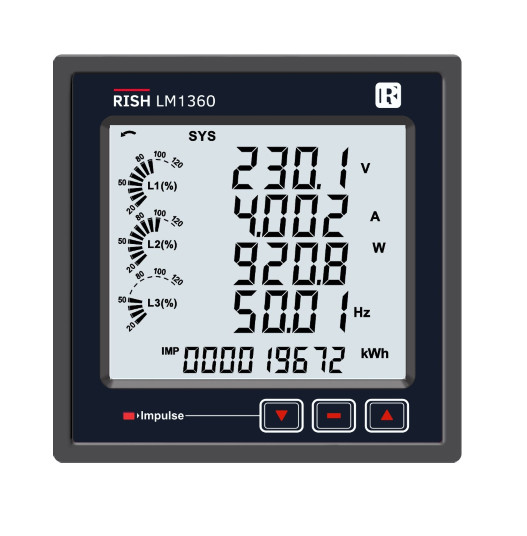
- Metering systems
Proper integration of monitoring systems such as rishabh-products ensures accurate energy measurement, load tracking, and compliance reporting for industrial facilities.
Busbar Trunking Systems in Industrial Facilities
Busbar trunking systems provide a compact, safe, and efficient method of distributing high electrical loads across factory floors, replacing traditional cable-heavy installations. They reduce energy loss and simplify maintenance.
Advantages:
- High current carrying capacity
- Reduced installation space
- Lower fire risk compared to cable bundles
- Easy scalability for factory expansion
Busbar systems are ideal for production lines where machinery layouts frequently change or expand.
Cable Tray Systems and Industrial Wiring Infrastructure
Cable tray systems organize and protect power and control cables across factory environments, ensuring safety, maintainability, and reduced downtime in industrial electrical installations.
Factories use:
- Ladder-type trays for heavy power cables
- Perforated trays for control wiring
- GI or stainless-steel trays for corrosive environments
In Kenyan coastal industries like Mombasa, corrosion-resistant designs are critical due to humidity and salt exposure.
Factory Main Switchboard Commissioning
Factory main switchboard commissioning is the process of testing, verifying, and energizing the main electrical distribution board to ensure safe and reliable operation of all industrial electrical systems.
Commissioning includes:
- Insulation resistance testing
- Load balancing verification
- Protection relay calibration
- Earth fault testing
- Functional load simulation
Main switchboards are typically built using LV infrastructure systems such as low-voltage-panels designed to handle high industrial loads safely.
Power Factor Correction in Industrial Plants
Power factor correction systems improve electrical efficiency in factories by reducing reactive power, stabilizing voltage levels, and lowering electricity costs. This is essential in heavy industries with large inductive loads.
Factories in Kenya often face penalties due to low power factor caused by:
- Large induction motors
- Compressors and pumps
- Welding equipment
Corrective systems are commonly integrated through intelligent control devices such as #apfc-112, which automatically regulate capacitor banks based on load demand.
Motor Control and Industrial Automation Systems
Motor control systems regulate the operation of industrial motors used in production lines, ensuring efficiency, safety, and automation in factory processes.
Key components include:
- Star-delta starters
- VFD (Variable Frequency Drives)
- Soft starters
- PLC-based automation systems
Advanced automation is supported through systems such as vfd-drives which allow speed control, energy savings, and reduced mechanical stress on machinery.
Energy Efficiency in Industrial Electrical Systems
Energy efficiency in factories is achieved through optimized motor control, power factor correction, and intelligent load distribution systems that reduce operational costs and improve system reliability.
Efficiency strategies include:
- Use of VFDs for motor speed control
- Demand-based load scheduling
- Real-time energy monitoring
- Reactive power compensation
Monitoring and instrumentation systems such as multispan-products provide real-time insights into energy usage and system performance.
Environmental and Safety Considerations in Industrial Systems
Industrial electrical systems must be designed to withstand harsh factory environments including heat, dust, vibration, and chemical exposure while ensuring operator safety and system reliability.
Key design factors:
- IP-rated enclosures (IP54–IP65)
- Thermal management systems
- Proper earthing and grounding
- Fire-resistant cable routing
LV panels such aslow-voltage-panels are engineered for durability in demanding industrial environments across Kenya.
System Specifications Table
| Parameter | Specification |
|---|---|
| Rated Voltage | 415V / 690V AC, 3-phase |
| Frequency | 50Hz |
| System Type | TN-S Industrial Distribution |
| Transformer Rating | 100kVA – 5MVA+ |
| Busbar Rating | 400A – 6300A |
| Power Factor Target | ≥0.95 |
| Enclosure Material | Powder-coated steel / Stainless steel |
| IP Rating | IP54–IP65 |
| Standards Compliance | IEC 61439, IEC 60364, EPRA Kenya |
| Monitoring System | Digital energy meters + SCADA integration |
| Protection Systems | MCCBs, ACBs, Relays |
Paneltech Engineering Approach to Industrial Power Systems
Paneltech Systems Ltd designs industrial electrical systems using a layered engineering approach:
- Primary Supply: Utility substation (KPLC or private transformer)
- Main Distribution: LV switchboards and MDBs
- Sub Distribution: SDBs for production zones
- End Load Control: Motor control centers and VFD systems
This structure ensures scalability, safety, and operational continuity in heavy manufacturing environments.
Integration with systems like low-voltage-panels ensures robust and compliant industrial distribution architecture.
Conclusion
Industrial electrical systems for factories require precision engineering, robust infrastructure, and strict compliance with IEC standards to ensure safe and efficient operation of heavy machinery. In Kenya’s growing industrial sector, properly designed substations, busbar systems, cable trays, and power factor correction systems are essential for productivity and cost efficiency.
Paneltech Systems Ltd delivers end-to-end industrial electrical solutions designed for reliability, scalability, and long-term operational performance.
Contact Paneltech Systems Ltd
Powering Kenya's Future with Reliable Electrical Solutions
Email: [email protected]
Phone: 0799 531765
Location: Nairobi, Kenya
Website: https://paneltechsystems.co.ke/
Our Specialized Services:
Low Voltage (LV) Panels & APFC Panels
VFD Drive Solutions & ATS / MTS Systems
Solar Power & EV Charging Infrastructure
Electrical Supplies & Engineering Consultations